Timisoara Train Station
Timisoara Nord is the main railway station of Timisoara, the largest city in the Banat region of western Romania, and the practical gateway for anyone arriving in the city by train from Bucharest, Budapest, or anywhere else in the country.
Short answer
Timisoara Nord is the city's main station, a short tram or bus ride from the center. A single 60-minute ticket costs 5 lei and a day pass 18 lei, and direct trains reach Bucharest in about 11 to 12 hours.
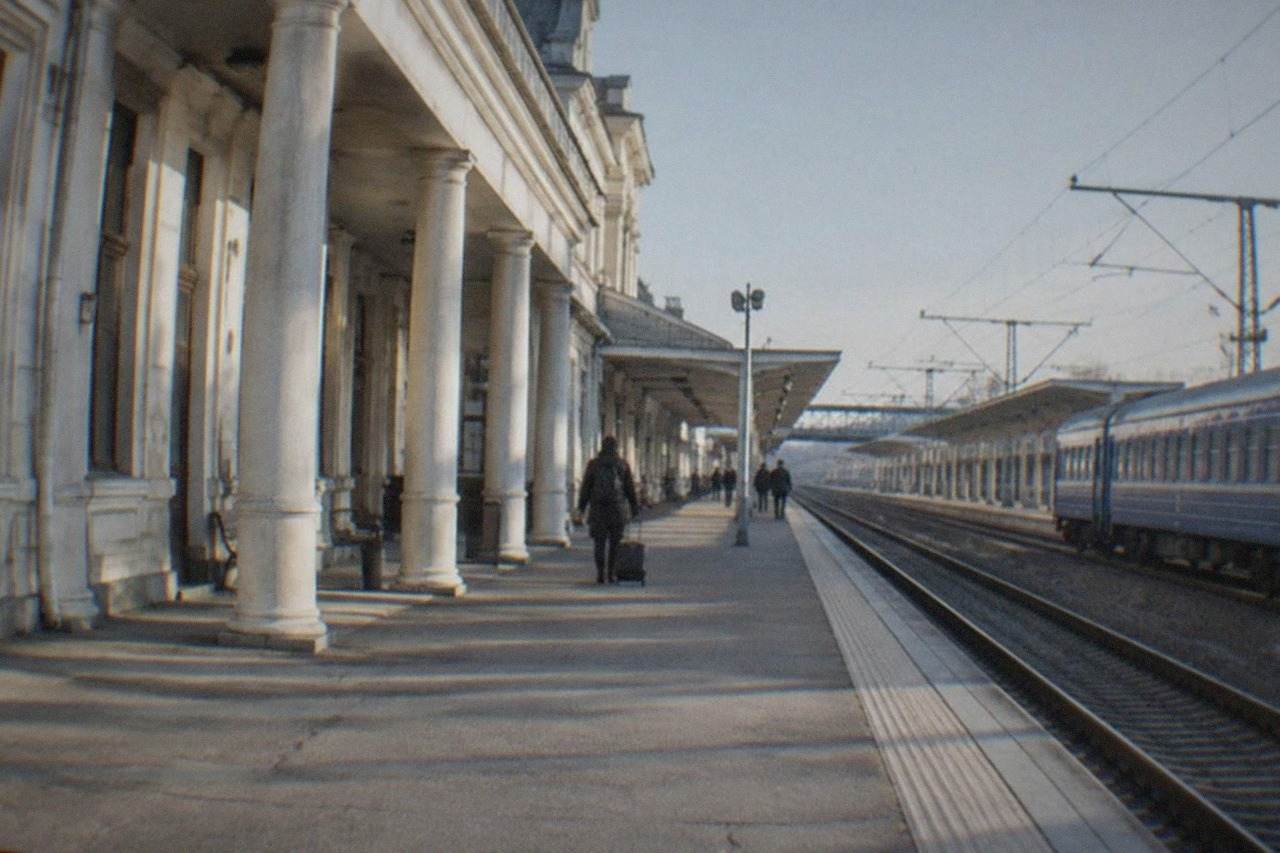
The main railway station of Timisoara, the principal city of Timis County in the Banat region of western Romania, is Timisoara Nord, on the northern edge of the city center. Almost every long-distance train that serves the city calls here, from the slow regional services of the Banat plain to CFR's direct InterRegio trains from Bucharest, and it is also the station used by the reported direct services toward Budapest. If your ticket says Timisoara, this is almost certainly where you will step off the train. This guide on Timisoara Travel Guide covers what the station is, how to buy tickets, how to reach the center, and what to do with the hours around your arrival.
Where Is Timisoara Train Station And Which Station Do You Need?
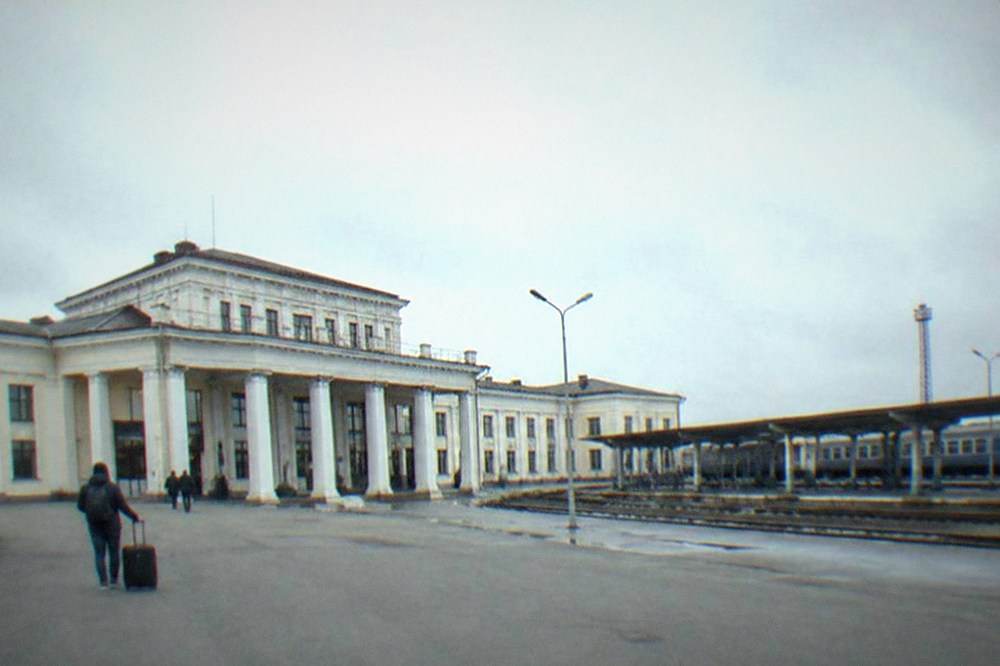
Timisoara Nord is the city's main railway station and the one used by virtually all long-distance and regional trains, located north of the historic center on the line that runs through the Banat toward Arad and the Hungarian border. The city also has smaller stops on local routes, but for a trip to or from Bucharest, Budapest, or the surrounding towns, Timisoara Nord is the station on the ticket. From there, the squares of the old town are a short tram or bus ride away.
Timisoara, written Timișoara in Romanian, sits on the Bega canal in western Romania, close to both the Hungarian and Serbian borders. That position shaped its rail geography. The main line heads north toward Arad, where it meets the A1 motorway corridor toward the border crossing at Nadlac, and the station sits on the city's northern side accordingly. The historic core, the Cetate district with Piata Unirii and Piata Victoriei, lies to the south, across the Bega.
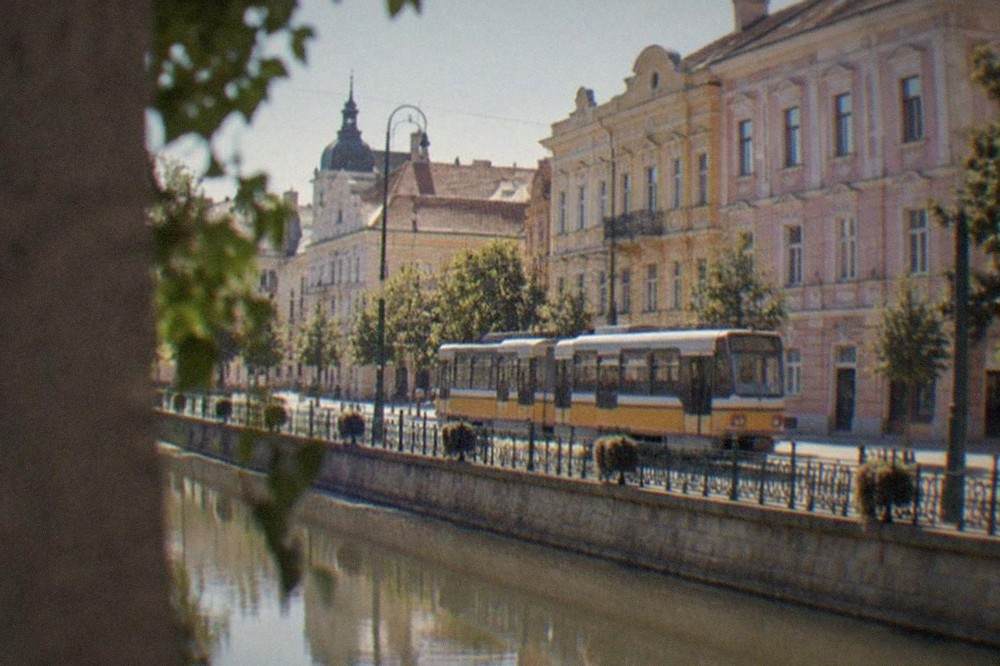
The station's local importance is easy to underestimate. Timisoara was the first city in the Habsburg Empire with a horse-drawn tram, which began running on 8 July 1869 between Cetate and Fabric, and the first city in Romania with an electric tram in 1899. Rail and urban transit have been tangled together here for a century and a half, which is one reason the station area remains a hub for trams, trolleybuses, and buses today. The city's transport operator, STPT, runs nine tram lines, six trolleybus lines, express bus routes, and the seasonal vaporetto on the Bega, and most of them touch the station area.
For orientation, remember that the station is a transport interchange rather than a destination in itself. The sights visitors come for, the baroque squares, the cathedrals, the Memorial of the 1989 Revolution, are all on the other side of the canal. The practical question is therefore not what the station offers, but how quickly and cheaply you can get from its platforms to the center. That answer is covered a few sections below.
How Do You Buy Train Tickets At Timisoara Train Station?
Tickets for trains departing Timisoara Nord are sold by CFR Calatori, Romania's national passenger operator, at ticket counters in the station, at self-service machines, and online through the operator's own booking site, which is also the place to check live itineraries such as Timisoara Nord to Bucuresti Nord. International tickets toward Hungary are sold the same way. There is no need to book months ahead for most domestic services, though sleepers and long InterRegio runs fill up in summer.
Romanian domestic train tickets are straightforward: you buy them for a specific train, and the operator's own itinerary pages let you compare the few daily direct options before you commit. The full process, from online booking to validating a paper ticket, is covered in the train-ticket guide, and the wider realities of rail travel in Romania are worth reading before a long journey. Counters at major stations have English-speaking staff at least part of the day, and the online system removes the language question entirely.
One detail that surprises first-time visitors: the flagship domestic run is the direct InterRegio between Timisoara Nord and Bucuresti Nord, which takes about 11 to 12 hours. It is a genuinely long ride, crossing the Carpathian foothills rather than going around them, and the route is regularly named among the most scenic train journeys in Romania. If you are wondering whether Romania has a sleeper train, the answer is yes, and on an overnight run the sleeping car is the difference between arriving exhausted and arriving ready to walk.
For international travel, the situation depends on the direction. Toward Budapest, rail aggregator data currently reports a direct service of roughly five and a half hours running twice daily between Timisoara Nord and Budapest-Keleti; treat that as reported information and confirm times on the operators' own sites before committing, because it is not a figure from a published CFR timetable. Toward Belgrade, there is no direct train at all, and there has not been one for years. The Belgrade connection question and the wider Serbia-Romania rail picture are both answered in full elsewhere on this site; the short version is that buses cross the border, trains currently do not.
How Do You Get From Timisoara Train Station To The City Center?
The fastest way from Timisoara Nord to the center is the STPT public transport network: a single 60-minute ticket costs 5 lei, a one-day pass costs 18 lei, and both are valid on trams, trolleybuses, buses and, in season, the vaporetto on the Bega. Tickets can be paid for with a contactless bank card directly on board, by SMS, through the eTicket system, or at STPT sales points. The ride to the historic squares takes only a few stops.
STPT's fare structure was last raised in August 2025, and the current prices are simple enough to plan around. The full tariff:
| Ticket or pass | Price | What it covers |
|---|---|---|
| Single ticket, 60 minutes | 5 lei | Any STPT mode for one journey window, including the vaporetto in season |
| One-day pass | 18 lei | Unlimited travel on the whole network for one day, including the vaporetto |
| 30-day general pass | 160 lei | All modes, one month |
| Annual general pass | 1,320 lei | All modes, one year |
Payment is genuinely easy for foreign visitors. The operator's own methods page confirms contactless bank cards work on board via POS terminals, alongside the e-wallet card, SMS payment, mobilPay, and the online eTicket system. Note that some third-party ticketing apps that worked in the past have been suspended or discontinued, so the operator's own channels are the safe bet. Real-time arrivals are shown at live.stpt.ro, and STPT also partners with the Transit app for planning.
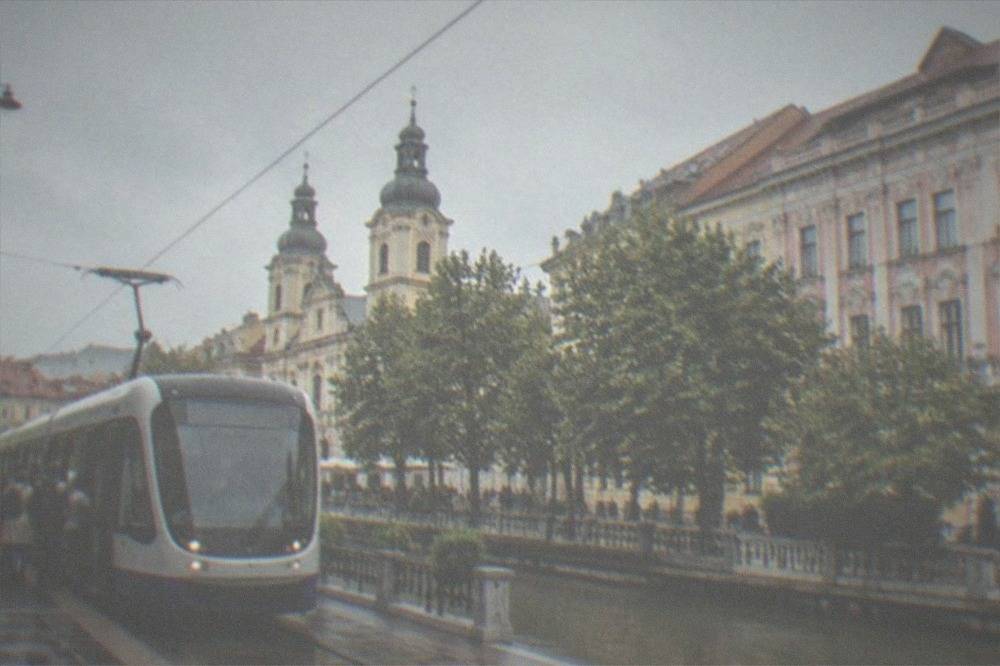
The network itself is broad for a city of this size. Nine tram lines (1, 2, 4, 5, 6a, 6b, 7, 8, and 9), six trolleybus lines (11, 14, 15, 16, 17, and 18), express buses numbered E1 through E8, and the seasonal vaporetto line V1 on the Bega all form one integrated system, and the August 2025 fare change folded the vaporetto into the standard ticket. One caveat from the operator's live alerts: engineering works in the city, including the long-running works around Piata Traian, periodically divert or suspend tram lines, so check the live feed on arrival day rather than trusting a route you used on a previous visit. The full getting-around guide covers every mode in detail.
If your train gets in and you would rather not navigate trams with luggage, a taxi or ride-hailing car covers the short hop across the Bega, but the official per-kilometer tariff is not something this site publishes, because no primary source for it exists; agree the fare or check the meter. For most travelers, though, the tram is the better answer: it is cheap, frequent, and drops you within walking distance of the old town.
Once you are in the center, a guided walk is a good way to convert a travel day into a sightseeing day. The Downtown Dream Tour is a natural first-evening option after a long train ride, and you can Check availability before you even board at your origin station.
Which Cities Can You Reach Directly By Train From Timisoara?
The headline direct connections from Timisoara Nord are Bucharest, about 11 to 12 hours away on CFR's InterRegio service, and Budapest, which rail aggregators report as roughly a five-and-a-half-hour direct run twice daily currently. There is no direct train to Belgrade. Within the region, local and regional services fan out across the Banat toward Arad, Lugoj, and the smaller towns of Timis County.
The long domestic run deserves respect rather than dread. Eleven to twelve hours is a full day on a train, but the route is one of the country's most interesting, and the direct InterRegio means no changes. The Bucharest-to-Timisoara journey has its own guide covering how the two cities compare and how to split the trip if a full day on rails does not appeal. In the other direction, the Budapest route pairs two cities that both carry Habsburg-era architecture and an Austro-Hungarian past, and the reported direct service makes a two-center trip realistic without a flight.
| Destination | Direct train? | Journey time | Notes |
|---|---|---|---|
| Bucharest (Bucuresti Nord) | Yes, InterRegio | About 11 to 12 hours | CFR's own itinerary page lists the route; duration per aggregator data |
| Budapest (Keleti) | Reported yes | About 5.5 hours, reported twice daily | Aggregator data currently; confirm on operator sites |
| Belgrade | No | Not applicable | No direct service; talks on a Vrsac link reported in August 2026, nothing running |
| Arad | Yes, regional services | Short regional hop | On the main line toward the Hungarian border |
| Timisoara Airport (TSR) | Not by rail | About 12 km northeast of the center | Express bus line E4 runs from the Bastion to the airport; a rail link is under contract since August 2025 |
Two border realities shape the international routes. Hungary has been an internal Schengen border since 1 January 2025, so a Budapest-bound train crosses with no routine checks, like a domestic journey. Serbia is different: it is an external Schengen border, with passport checks at crossings such as Jimbolia, Moravita, and Stamora Moravita, and since 10 April 2026 the EU's EES system records biometrics for non-EU travelers at all external borders instead of stamping passports. Neither matters on a train that does not exist, which is why Belgrade-bound travelers currently take the bus.
The airport row in the table above is there for a reason. A rail link to Traian Vuia airport has been under contract since August 2025, with a design-and-build timeline of roughly thirty months, but until it opens the airport is a bus or taxi trip. The airport guide covers that side of the city's arrivals, including the E4 express bus from the Bastion area.
What Is There To Do Near Timisoara Train Station While You Wait?
The station area itself is a transport district rather than a sightseeing one, but the center is minutes away by tram, and the best use of a wait is to ride into the old town: Piata Unirii's baroque ensemble, Piata Victoriei's opera and revolution landmarks, and the Bega canal promenade are all within easy reach of a 5 lei ticket. If your bags are heavy, lockers or left-luggage facilities, where available, free you up for a proper walk.
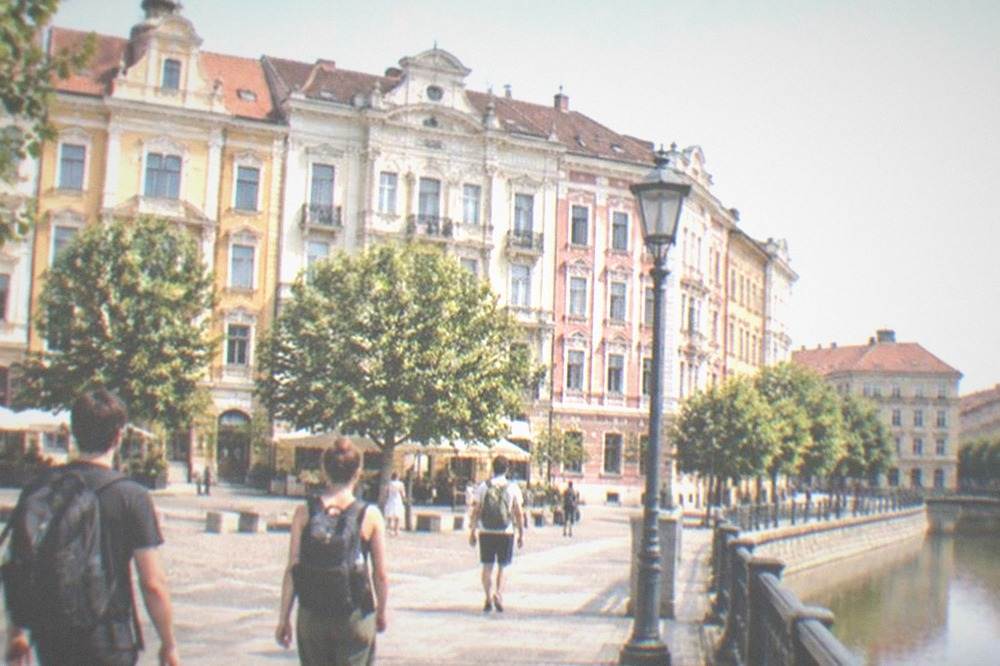
Timisoara rewards a half-day stop more than almost any other Romanian city of its size, because its sights are concentrated and its history is unusually dense. The city's own list of firsts, published by the city hall, includes the first horse-drawn tram in the Habsburg Empire (1869), the first electric tram in Romania (1899), the first telegraph and telephone networks in the country, and, most famously, the first city on the European mainland with electric street lighting, on 12 November 1884, when 731 incandescent lamps lit 59 kilometers of streets.
| Timisoara first | Year | Why it matters to a visitor |
|---|---|---|
| First horse-drawn tram in the Habsburg Empire | 1869 | The Cetate to Fabric line is why trams still knit the city together |
| First city on mainland Europe with electric street lighting | 1884 | The "City of Light" identity you will see referenced everywhere |
| First electric tram in Romania | 1899 | The demolition of the fortress walls began the same era |
| First newspaper printed in Romania | 1771 | A printing tradition tied to the city's multilingual past |
| Three state theatres, in Romanian, Hungarian and German | 1953 | The only European city with all three, a legacy of the Banat's mix |
That multilingual heritage is not decorative. The city was historically known as Temesvár in Hungarian and Temeswar in German, and the Banat region was one of the most ethnically mixed corners of the Habsburg monarchy. In December 1989 it was here, at a Reformed parish in the city, that the protests that became the Romanian Revolution began, and the Memorial of the 1989 Revolution, open Monday to Friday from 08:00 to 17:00 and Saturday and Sunday from 10:00 to 18:00, with an adult ticket of 20 lei covering the permanent and temporary exhibitions plus a documentary screening, is the single most worthwhile indoor stop for anyone with a few hours.
Food is the other good reason to leave the station. The restaurant guide covers everything from Banat classics to the craft-beer scene, and prices are gentle by Western European standards: cost-of-living aggregators updated in September 2026 put an inexpensive restaurant meal around 45 to 50 lei and a cappuccino around 13 to 15 lei. Those are indicative averages, not promises, but they explain why a long layover in Timisoara tends to turn into a long lunch.
Is Timisoara Train Station Safe, And What Should You Watch For?
Timisoara is generally considered a safe city by Romanian standards, and the station area presents no specific documented threat beyond the ordinary cautions of any rail hub: keep luggage in sight, ignore unsolicited taxi touts in favor of official cars or ride-hailing apps, and use the same street sense you would at any European station. No official safety index or tourist-police figure exists for the city, so treat safety advice here as general guidance rather than a statistic.
The honest answer about safety in Timisoara is that the absence of hard numbers cuts both ways. There is no published safety index for the city, no tourist-police unit to cite, and no official statistics on station-area incidents in the research for this site, so any claim of "very safe" would be invented. What can be said is that the city's tourism economy is growing, with 296,199 arrivals recorded in 2025 and a tourist information center that counselled 4,928 visitors, roughly 70 percent of them international, and that a city leaning into city-break tourism has every incentive to keep its arrivals corridor pleasant. The dedicated safety guide covers neighborhoods, night walking, and common-sense specifics.
The practical watch-outs are the same ones that apply across Romania. The emergency number is 112. Card payment is widespread in the city, though carrying some lei in cash is still sensible for small vendors; the currency is the Romanian leu, and the euro is not adopted, with the National Bank's reference rate at 5.2788 lei to the euro on 23 September 2026. A tourist tax on accommodation, set by local council decision HCL 719/2025, is collected by lodging providers, and its rate has been reported as 2 percent of the accommodation tariff excluding VAT, though that figure comes from secondary sourcing rather than a primary document, so expect it to appear on your hotel bill rather than to prepay it.
When Is The Best Time To Arrive In Timisoara By Train?
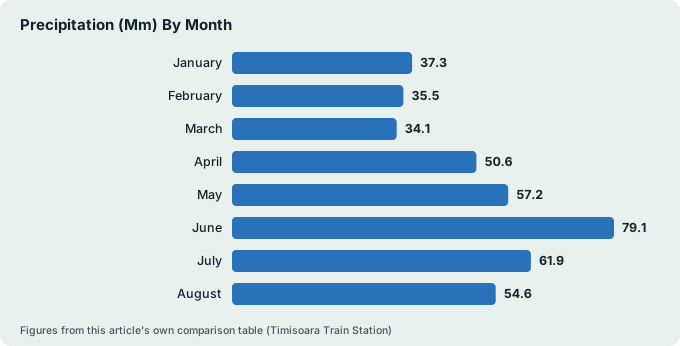
The most comfortable months to arrive in Timisoara are May through September, when JMA climate normals for the city's station give mean temperatures of 17.3 C in May, 20.9 C in June, 22.8 C in July and 17.2 C in September; winter arrivals face a January mean of 0.0 C. June is the wettest month at 79.1 mm of rain and March the driest at 34.1 mm, so pack for continental weather, not Mediterranean weather, at any time of year.
The climate table below is the one to plan around, drawn from the JMA/WMO CLIMAT normals for station TIMISOARA 15247 at 86 meters altitude. Only mean temperature and precipitation are published for this station, so this site prints only those two figures.
| Month | Mean temperature (C) | Precipitation (mm) |
|---|---|---|
| January | 0.0 | 37.3 |
| February | 2.1 | 35.5 |
| March | 6.5 | 34.1 |
| April | 12.3 | 50.6 |
| May | 17.3 | 57.2 |
| June | 20.9 | 79.1 |
| July | 22.8 | 61.9 |
| August | 22.5 | 54.6 |
| September | 17.2 | 50.4 |
| October | 11.5 | 50.0 |
| November | 6.4 | 45.3 |
| December | 1.5 | 44.7 |
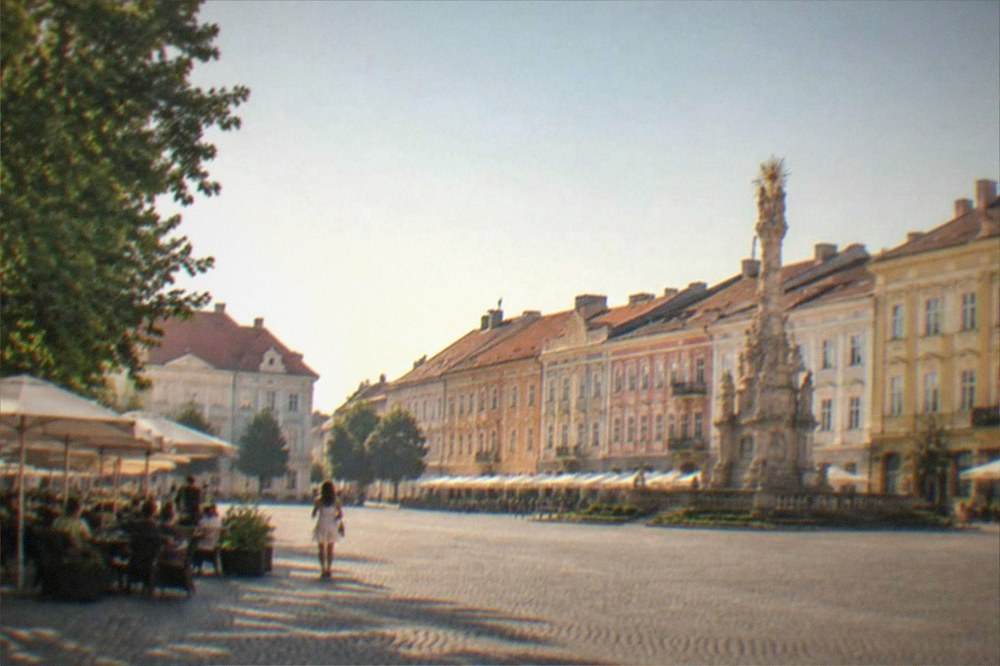
The visitor numbers tell you when everyone else arrives. City hall data citing the national statistics office show the Capital of Culture year 2023 spiking arrivals to 283,256, with 285,190 in 2024 and 296,199 in 2025; the peak month on record is May 2025 with 30,664 arrivals. May and September are the sweet spot for a train arrival: warm days, tolerable crowds, and long evenings for walking off the journey.
| Year | Tourist arrivals in Timisoara |
|---|---|
| 2021 | 153,794 |
| 2022 | 212,785 |
| 2023 | 283,256 |
| 2024 | 285,190 |
| 2025 | 296,199 |
Timing also interacts with the events calendar. The best-time-to-visit guide covers the seasons in detail, and if a December train ride tempts you, the Christmas market, whose 2026 dates were still unconfirmed currently, with prior-year patterns pointing to late November into early January, is the companion reason to ride north in winter.
Train Or Plane: Should You Arrive In Timisoara By Rail?
Flying into Timisoara Traian Vuia airport makes sense from Western Europe thanks to Wizz Air's large base and new 2026 routes from Berlin, Birmingham and Prague, but the train wins for domestic travel from Bucharest despite the 11-to-12-hour run, and for Budapest the reported 5.5-hour direct service rivals any flight once airport time is counted. From Serbia the train does not exist, so the bus or a flight is the answer.
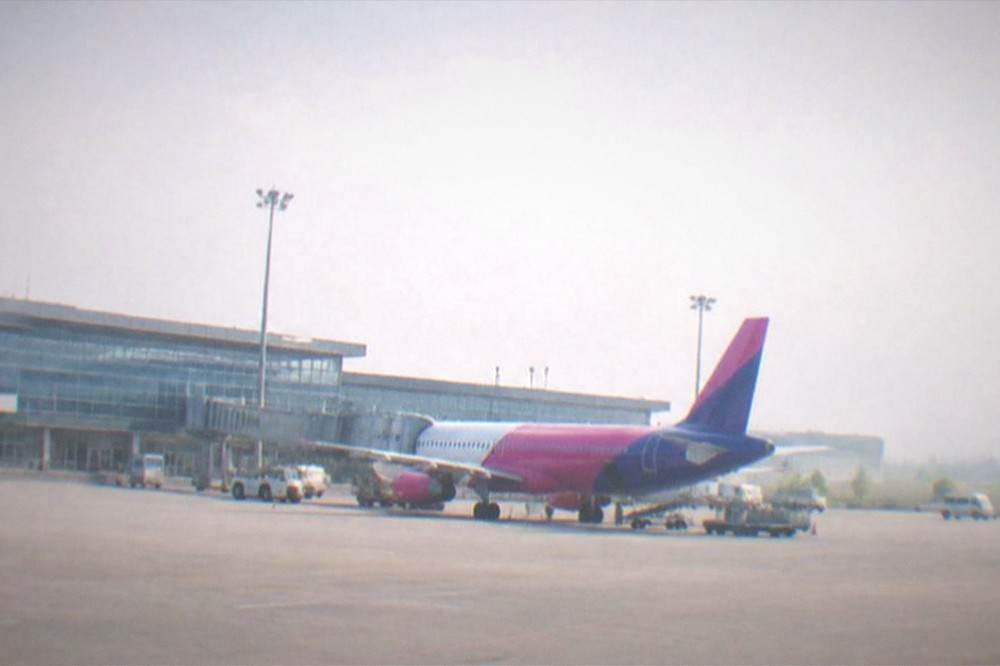
The airport's 2025 total of a reported 1,458,098 passengers, up 10.2 percent on 2024, reflects how fast the flight network has grown, with Turkish Airlines adding Istanbul from April 2026 and Wizz Air adding Berlin, Birmingham, and Prague from May 2026. But the scheduled full runway closure for repairs from 2 to 22 November 2026, announced by the airport in July 2026, is a reminder that rail capacity matters here, and during that window the train becomes the only sure way in from Bucharest or Budapest. Renting a car on arrival is a further option for travelers who want wheels, covered in the site's car rental guide.
For a two-center trip, the Budapest train is the sleeper pick. The reported twice-daily direct service of about five and a half hours means you can leave one capital after breakfast and lunch in the other, and since Hungary is an internal Schengen border there are no routine checks on the way. For the practicalities of Romanian money and travel documents, the site's essentials and currency guides cover what changes at the border, which is very little.
Common Questions About Timisoara Train Station
Which train station does Timisoara have?
Timisoara Nord is the city's main railway station, used by virtually all long-distance and regional trains, including the direct InterRegio service from Bucharest and the reported direct services toward Budapest. It sits north of the historic center, a short tram ride across the Bega from the old town.
How far is Timisoara train station from the city center?
Timisoara Nord lies just north of the center, and the historic squares of Cetate are a few tram or bus stops away. A single 60-minute STPT ticket costs 5 lei and a day pass 18 lei, both valid on trams, trolleybuses, buses and, in season, the vaporetto on the Bega.
Is there a direct train from Timisoara to Budapest?
Rail aggregator data currently reports a direct service of roughly five and a half hours between Timisoara Nord and Budapest-Keleti, running twice daily. Treat this as reported information and confirm times with the operators before booking, since it does not come from a published CFR timetable.
Is there a direct train from Timisoara to Belgrade?
No. Currently there is no direct train between Timisoara and Belgrade. Talks on restoring a passenger link between Stamora Moravita and Vrsac were reported in August 2026, but nothing is running, and buses remain the practical cross-border option.
How long is the train from Bucharest to Timisoara?
The direct InterRegio service between Bucuresti Nord and Timisoara Nord takes about 11 to 12 hours. It is a long ride but a scenic one, and the route is regularly named among the most attractive train journeys in Romania.
How do I pay for public transport at Timisoara train station?
STPT accepts contactless bank cards on board via POS terminals, plus SMS payment, mobilPay, the eTicket online system, e-wallet cards, and sales points. A single 60-minute ticket is 5 lei and a day pass is 18 lei, both covering the whole network including the vaporetto in season.
Whether Timisoara Nord is your gateway for a weekend or the midpoint of a Bucharest-to-Budapest rail adventure, the practical picture is the same: a modest ticket price, a short hop over the Bega, and a compact, walkable city waiting on the other side.