Best Time To Visit Timisoara
Timisoara, in the Banat region of western Romania, rewards timing: here is how the city's climate, crowds and calendar stack up across the year, and which months suit which kind of trip.
Short answer
The best time to visit Timisoara is May to June and September to early October, when mean temperatures sit between 17 and 21 C, rainfall is moderate, and the festival calendar is active without peak-season crowds. July and August are warmest but busiest, while December draws visitors for the Christmas Market in Piata Victoriei.
Timisoara, the main city of the Banat region in western Romania, is a destination where the calendar genuinely shapes the trip. The city that lit its streets with electricity in 1884, hosted the first horse-drawn tram in the Habsburg Empire in 1869, and opened the Romanian Revolution in December 1989 has a continental climate with real winters, warm summers, and a cultural calendar that swings from open-air festivals to a Christmas Market. This guide lays out what the verified climate record and the city's own tourism numbers say about each season, so a traveler can match the month to the kind of trip they want, whether that is squares and cafes, 1989 history, or hikes into the Banat hills.
What Is The Best Month To Visit Timisoara?
The best months to visit Timisoara are May, June and September, when mean temperatures run between 17.2 and 20.9 C, the squares and parks are at their best, and hotel demand has not yet reached its July and August peak. Late September also overlaps with the Timisoara Jazz Festival, while December suits travelers whose priority is the Christmas Market rather than warm weather.
May holds the strongest case of any single month. The city hall's own tourism data, citing INSSE figures, records May 2025 as the peak month on record for tourist arrivals, 30,664 in a single month, which tells you two things at once: the weather draws people, and you should book rooms and tours a little earlier than you might expect for a mid-sized Romanian city. The parks along the Bega canal are green, the terraces around Piata Unirii are open, and walking the old town quarters of Cetate, Fabric and Elisabetin is comfortable all day.
September is the connoisseur's pick. The summer heat has eased, the 14th edition of the Timisoara Jazz Festival runs 25 to 27 September, and the sea of summer visitors has thinned. A city that was European Capital of Culture in 2023 still runs a dense autumn program, and the visitor numbers show it: 2025 brought 296,199 tourist arrivals to Timisoara, up 3.86 percent over 2024, with average stays of about 1.83 days, so most people are on short city breaks and the rhythm of the city stays relaxed.
For a fuller rundown of the city's sights regardless of season, start with things to do in Timisoara and then match your dates to the seasonal notes below.
| Season | Months | Mean temperature range | Best for | Watch out for |
|---|---|---|---|---|
| Spring | March to May | 6.5 to 17.3 C | Parks, terraces, fewer crowds | Cool evenings in March |
| Summer | June to August | 20.9 to 22.8 C | Festivals, Bega boat, long days | Peak crowds, June rain |
| Autumn | September to November | 17.2 down to 6.4 C | Jazz festival, mild walks | Shorter days by November |
| Winter | December to February | 0.0 to 2.1 C | Christmas Market, low rates | Cold weather, short days |
What Is The Weather Like In Timisoara Month By Month?
Timisoara has a continental climate: JMA/WMO CLIMAT normals for station TIMISOARA 15247, at 86 m altitude, give a January mean of 0.0 C and a July mean of 22.8 C, with monthly precipitation ranging from 34.1 mm in March, the driest month, to 79.1 mm in June, the wettest, totalling 600.7 mm across the year. The warm stretch runs June through August, and the cold stretch December through February.
The numbers matter because they contradict two common assumptions. First, travelers sometimes expect Balkan-style mildness; the record says otherwise, with a January mean at the freezing point, so winter packing needs a real coat. Second, the wettest month is not a gray autumn month but June, at 79.1 mm, which usually arrives as heavy showers rather than all-day rain, while March is actually the driest month of the year at 34.1 mm.
Only mean temperature and precipitation are published for this station, so this guide stays silent on sunshine hours and daily highs and lows. For a deeper dive into what each month feels like, see the companion page on Timisoara weather by month.
| Month | Mean temperature (C) | Precipitation (mm) |
|---|---|---|
| January | 0.0 | 37.3 |
| February | 2.1 | 35.5 |
| March | 6.5 | 34.1 |
| April | 12.3 | 50.6 |
| May | 17.3 | 57.2 |
| June | 20.9 | 79.1 |
| July | 22.8 | 61.9 |
| August | 22.5 | 54.6 |
| September | 17.2 | 50.4 |
| October | 11.5 | 50.0 |
| November | 6.4 | 45.3 |
| December | 1.5 | 44.7 |
Whatever the month, a guided walk is the most efficient way to absorb the city's story, and the operator listings below cover the three angles on offer: the communist-era grand tour, a hike into the remote Banat villages, and a low-cost weekly English-language walk.
When Is Timisoara's Busiest Tourist Season?
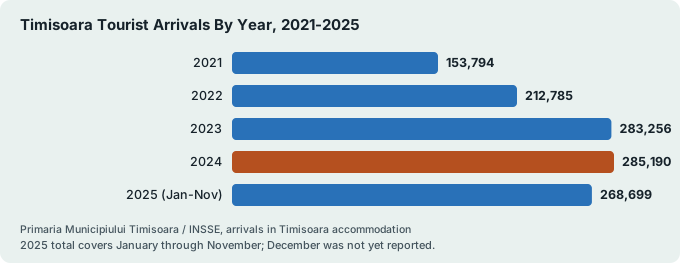
Timisoara's busiest stretch is summer, June through August, with the single strongest month on record being May 2025 at 30,664 arrivals; annual arrivals reached 296,199 in 2025, up 3.86 percent over 2024's 285,190, and the 2023 European Capital of Culture year pulled 283,256. Average stay is short, about 1.83 days, so the city absorbs crowds in quick waves rather than a long season.
The trend line is worth reading closely. Arrivals jumped from 212,785 in 2022 to 283,256 in the Capital of Culture year, then kept climbing rather than collapsing afterward, which is the pattern cities hope for and few achieve. Tourism grew about 5 percent locally in 2025 even as national numbers declined, and the city's tourist information center recorded that roughly 70 percent of the visitors it advised were international, with Germany, Serbia, France and Spain among the top origins.
| Year | Tourist arrivals | Note |
|---|---|---|
| 2021 | 153,794 | Pandemic-era trough |
| 2022 | 212,785 | Recovery year |
| 2023 | 283,256 | European Capital of Culture |
| 2024 | 285,190 | Post-title year held steady |
| 2025 | 296,199 | Up 3.86 percent over 2024 |
What this means in practice: book accommodation early for May through August, and expect the squares around Piata Unirii and Piata Victoriei to be lively but never crushed, because Timisoara's visitor volume is modest next to Europe's saturated city-break destinations. Shoulder months give you the same city with noticeably more breathing room.
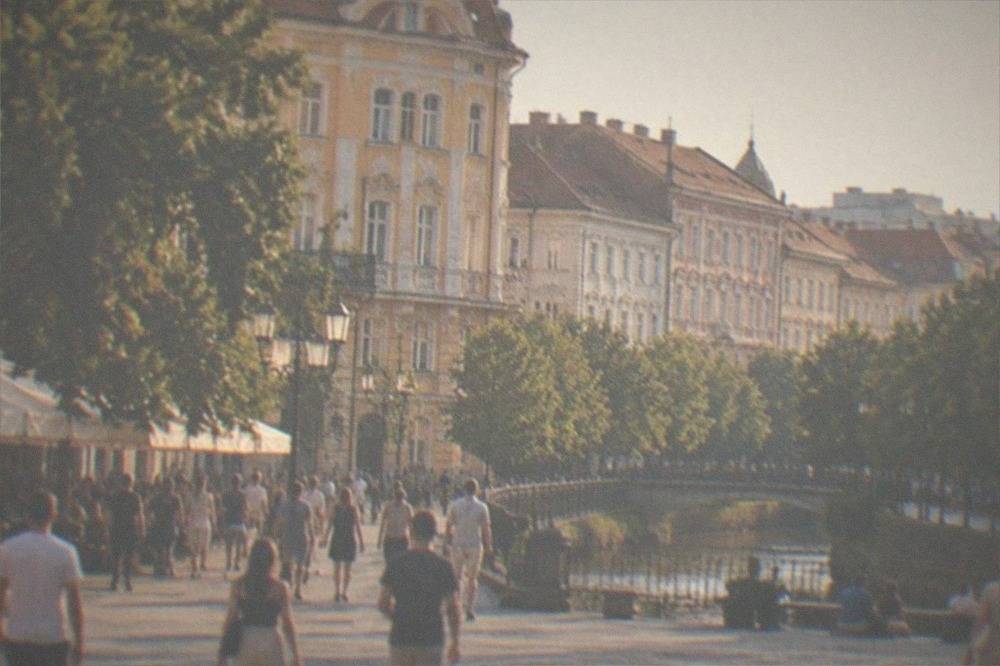
If your dates land in the busy stretch, locking in a guided experience early is the one planning move that pays off, since the best-reviewed walks fill their slots first and free cancellation terms are listed on the operator's page.
Is Spring A Good Time To Visit Timisoara?
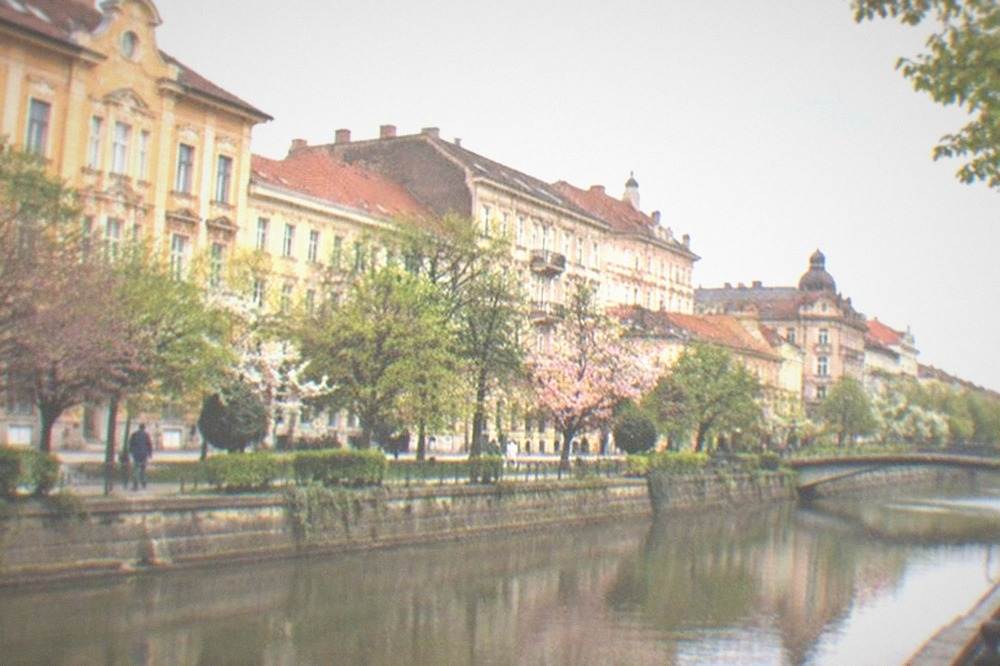
Spring is an excellent time to visit Timisoara: March warms from a 6.5 C mean to May's 17.3 C, March is the driest month of the entire year at 34.1 mm of precipitation, and the pre-summer period combines comfortable walking weather with the year's lowest crowd pressure. Easter adds a fair atmosphere, and the parks along the Bega come back to life.
The underrated detail is March's dryness. Travelers assume spring is soggy, but the station normals make March, at 34.1 mm, drier than every other month including high summer's July at 61.9 mm. April sits at 12.3 C mean, which means light layers rather than winter gear, and by May the terrace season around the old town is fully open.
Spring also suits the city's history-focused itineraries. The story of December 1989, which began in Timisoara, is easier to follow on foot in mild weather, and the Timisoara 1989 Revolution guide maps the key sites. For travelers who want the same story from a guide rather than a page, the weekly English-language walking tour runs on a fixed schedule that fits neatly into a spring city break, and its price and availability render live from the listing.
Spring has one more planning advantage worth spelling out: the shoulder-season rates. With the peak still weeks away, the city's hotels and apartments price below their July levels, and the same budget stretches further across restaurants and cafes. The overview of where to stay in Timisoara explains which neighborhoods suit which travel styles, and spring is the season when the walkability of Cetate, Iosefin and Elisabetin matters most, because you will want to cover all three quarters on foot without breaking a sweat.
Is Summer The Right Season For A Timisoara City Break?
Summer is Timisoara's warmest and liveliest season, with July the warmest month at a 22.8 C mean and August close behind at 22.5 C, but June is paradoxically the wettest month at 79.1 mm. The season brings the biggest open-air events, the Bega water bus back onto the canal from 1 April through October, and the year's peak visitor flow, so book ahead.
The water bus detail is one most first-time visitors miss. The seasonal vaporetto service on the Bega canal runs from 1 April to the end of October with nine stops per direction, and a standard 5 lei STPT ticket covers it, the same ticket that works on trams and buses. It is a sightseeing line as much as a commuter one, and it only exists in the warm half of the year.
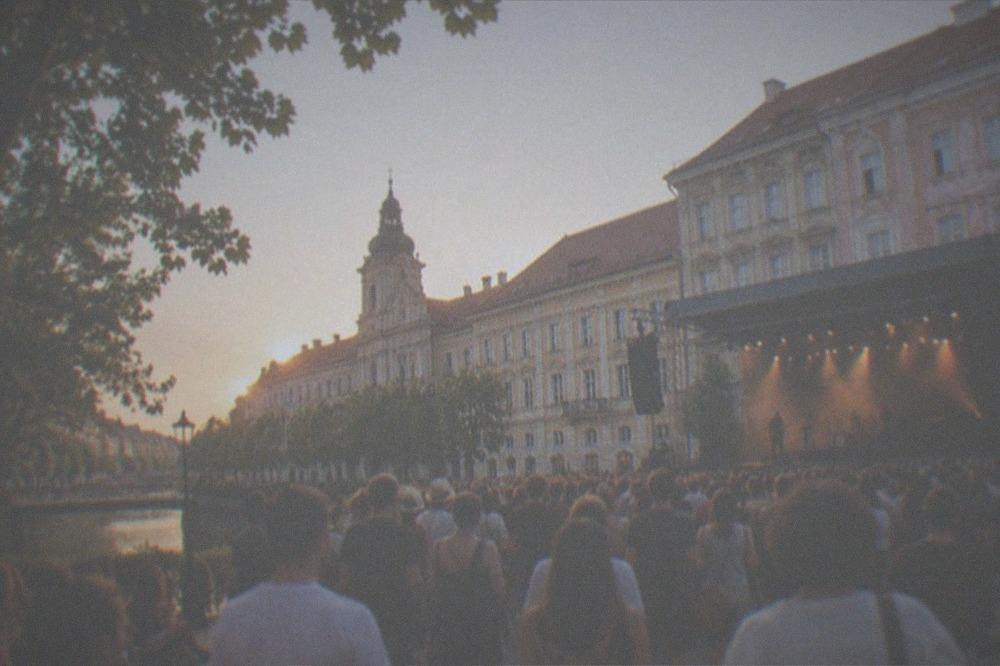
Summer's headline events are substantial. The Flight Festival ran 19 to 21 June 2026 at the Banat Village Museum, and Ziua Timisoarei, the city celebration, drew over 100,000 attendees across 31 July to 3 August 2026 with more than 200 events. The 2027 edition is already announced for 30 July to 3 August. If your trip can align with either weekend, the city's energy is at its absolute peak.
For visitors whose interest runs to the city's layered past rather than its festivals, the grand communist-ages walking tour is a natural summer fit: long daylight, a route built around the architecture and daily life of the communist period, and a duration that still leaves the evening free for terraces along the Bega.
One summer caution is worth adding. Because June tops the precipitation table at 79.1 mm, pack a light rain layer even for the warmest weeks, and build one indoor fallback into each day: the city's museum cluster, surveyed in the Timisoara museums guide, absorbs a wet afternoon easily, and the tram network means you are never more than a short ride from shelter.
Is Autumn The Best Kept Secret In Timisoara?
Autumn is arguably Timisoara's finest season: September still carries a 17.2 C mean, the Jazz Festival's 14th edition runs 25 to 27 September, visitor flow eases after the August peak, and the light across the baroque squares of Cetate turns golden in October, which cools to an 11.5 C mean. By November the mean drops to 6.4 C, so early autumn beats late autumn clearly.
September deserves its own paragraph. The mean of 17.2 C means daytime walking is comfortable, the 50.4 mm of precipitation usually comes in short bursts rather than settled rain, and the festival calendar is dense: alongside the jazz program, autumn 2026 brought a Picasso exhibition of 69 works from the Musee Picasso Antibes, the first time the collection reached Romania, plus the BETA architecture biennale running to late October.
Autumn is also the season for leaving the city. The Banat hills to the south and east are at their most photogenic, and the hiking tour into the remote villages of Banat, a full-day outing, fits best when the heat has broken but the trails are still dry. The Banat region guide covers the wider territory if a multi-day autumn itinerary appeals.
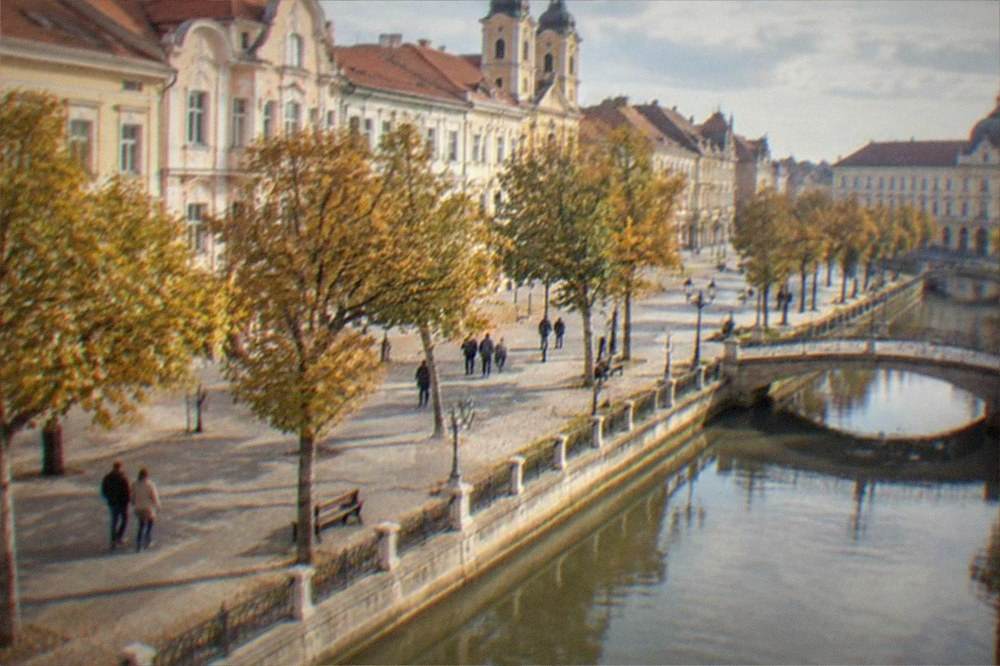
October is the month for photographers and slow travelers. The 11.5 C mean is still comfortable for long walks, the chestnut and plane trees along the Bega promenade turn, and the light on the pastel facades of Piata Unirii is at its warmest angle of the year. November, by contrast, is the city's quietest month for visitors and its grayest for weather, which makes it the season for cafe-hopping, the opera, and long lunches rather than square-hopping.
Is Winter In Timisoara Worth The Cold?
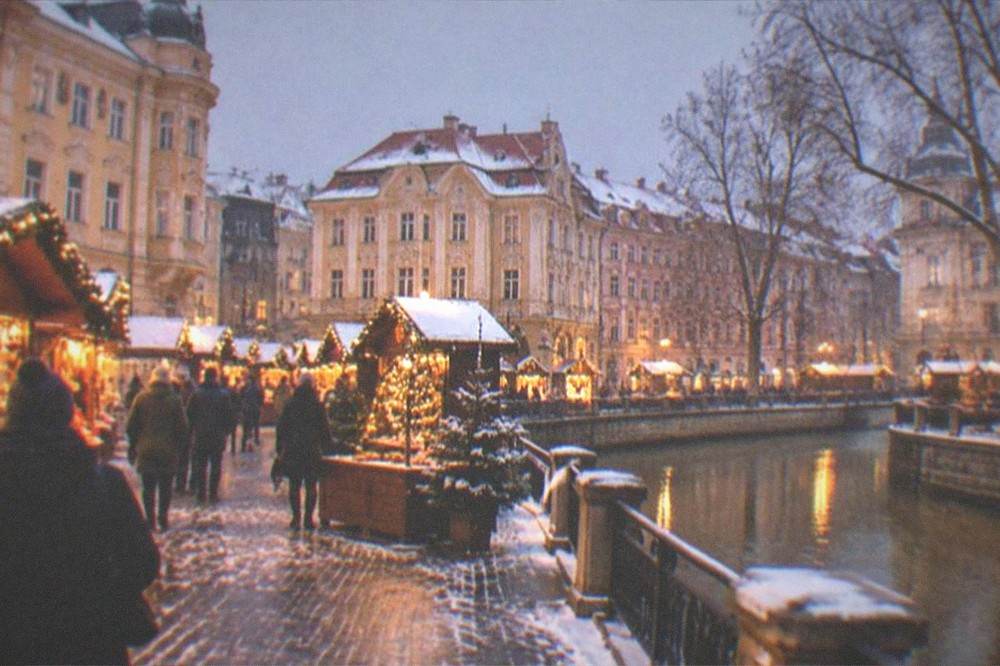
Winter in Timisoara is cold, with a January mean of 0.0 C, but it rewards a specific kind of trip: the Christmas Market fills Piata Victoriei from late November into early January, hotel demand drops outside the holiday weeks, and the city's museum interiors, from the Art Museum to the 1989 Revolution Memorial, make sensible cold-day anchors. Pack for freezing conditions and short daylight.
The Christmas Market is the season's centerpiece, and the dedicated Timisoara Christmas Market guide covers it in detail. The 2026 dates were still estimates currently, based on prior years' late-November openings, so treat any specific date you see as provisional until the city confirms.
December carries a second, quieter weight. The revolution that ended the Ceausescu regime began here on 16 December 1989, and the city marks the anniversary annually around 15 to 20 December with ceremonies at Piața Victoriei, the Opera and the Memorial. A winter visit timed to those days turns a Christmas trip into something historically deeper, and the Memorial museum itself is open Monday to Friday 08:00 to 17:00 and weekends 10:00 to 18:00, with an adult ticket at 20 lei covering the permanent and temporary exhibitions plus the documentary screening.
Budget-wise, winter is the gentlest season on the wallet outside the holiday fortnight. The overview on Timisoara cost and prices tracks what a day in the city typically runs, and one planning note applies year-round: the local tourist tax, set by council decision HCL 719/2025, is collected by your accommodation, and the 2 percent rate is reported in local sources rather than printed here as a bare official figure.
| Winter draw | Where | Why it works in cold weather |
|---|---|---|
| Christmas Market | Piata Victoriei | Gluhwein and stalls in the open air |
| Revolution Memorial | City center | Indoor museum, 20 lei adult ticket |
| Art Museum (MNArT) | Baroque Palace, Piata Unirii | Open Wednesday to Sunday |
| 1989 anniversary ceremonies | Piata Victoriei and Opera | Mid-December, outdoors but brief |
Which Timisoara Tours Fit Which Season?
The right Timisoara tour depends on the season: city walking tours work all year but shine in spring and autumn's 12 to 20 C comfort zone, the water bus and festival-season walks belong to summer, the Christmas Market anchors December, and full-day hikes into the Banat hills are a May-to-October activity. Matching the booking to the month avoids both heat fatigue on long walks and closed seasonal services.
The seasonal logic is straightforward. A two-hour walk around Cetate is pleasant at any temperature the normals describe, but the longer formats, the multi-hour tram-and-walking combination or a full-day village hike, are best booked in the milder months. Winter visitors should weight their itinerary toward indoor anchors and the market, and note that the seasonal vaporetto is off the water from November through March.
| Season | Best tour types | Why |
|---|---|---|
| Spring | City walks, history walks | Mild, dry March, low crowds |
| Summer | Festival-weekend visits, evening walks | Warmest means, biggest events |
| Autumn | Long walking tours, Banat day hikes | 17 C September, golden October |
| Winter | Short walks, museum-focused days | Cold means, market season |
Whatever the month, these three listings cover the spread: a deep communist-history walk, a full-day hike into the Banat villages, and a budget-friendly weekly English walk.
Common Questions About The Best Time To Visit Timisoara
What is the best month to visit Timisoara?
May, June and September are the strongest months: means of 17.2 to 20.9 C, an active cultural calendar, and crowds that have not peaked. December is the pick if the Christmas Market is the priority.
What is the weather like in Timisoara month by month?
Timisoara is continental: JMA/WMO normals for station TIMISOARA 15247 give means from 0.0 C in January to 22.8 C in July, with precipitation from 34.1 mm in March to 79.1 mm in June, totalling 600.7 mm a year.
When is Timisoara's busiest tourist season?
Summer, June through August, with May 2025 the single busiest month on record at 30,664 arrivals. Annual arrivals reached 296,199 in 2025.
Is winter a good time to visit Timisoara?
Yes, for a market-and-museums trip: the Christmas Market fills Piata Victoriei from late November, and the January mean of 0.0 C means real winter packing, but crowds and rates drop outside the holiday weeks.
Is June rainy in Timisoara?
June is actually the wettest month of the year at 79.1 mm in the station normals, typically arriving as heavy showers rather than steady rain, while March is the driest at 34.1 mm.
Planning a Timisoara trip around the calendar comes down to one honest trade-off: warmth and festivals against crowds and cost. The team behind Timisoara Travel Guide rates May, June and September as the sweet spot, with December as the deliberate exception for market travelers, and every figure above comes from the city's own tourism reports and the published climate record for the station that watches over the city.