Timisoara Restaurants
Timisoara, in the Banat region of western Romania, eats at the crossroads of Romanian, Hungarian, German and Serbian kitchens, and this guide covers the dishes, the neighborhoods, the costs and the customs.
Short answer
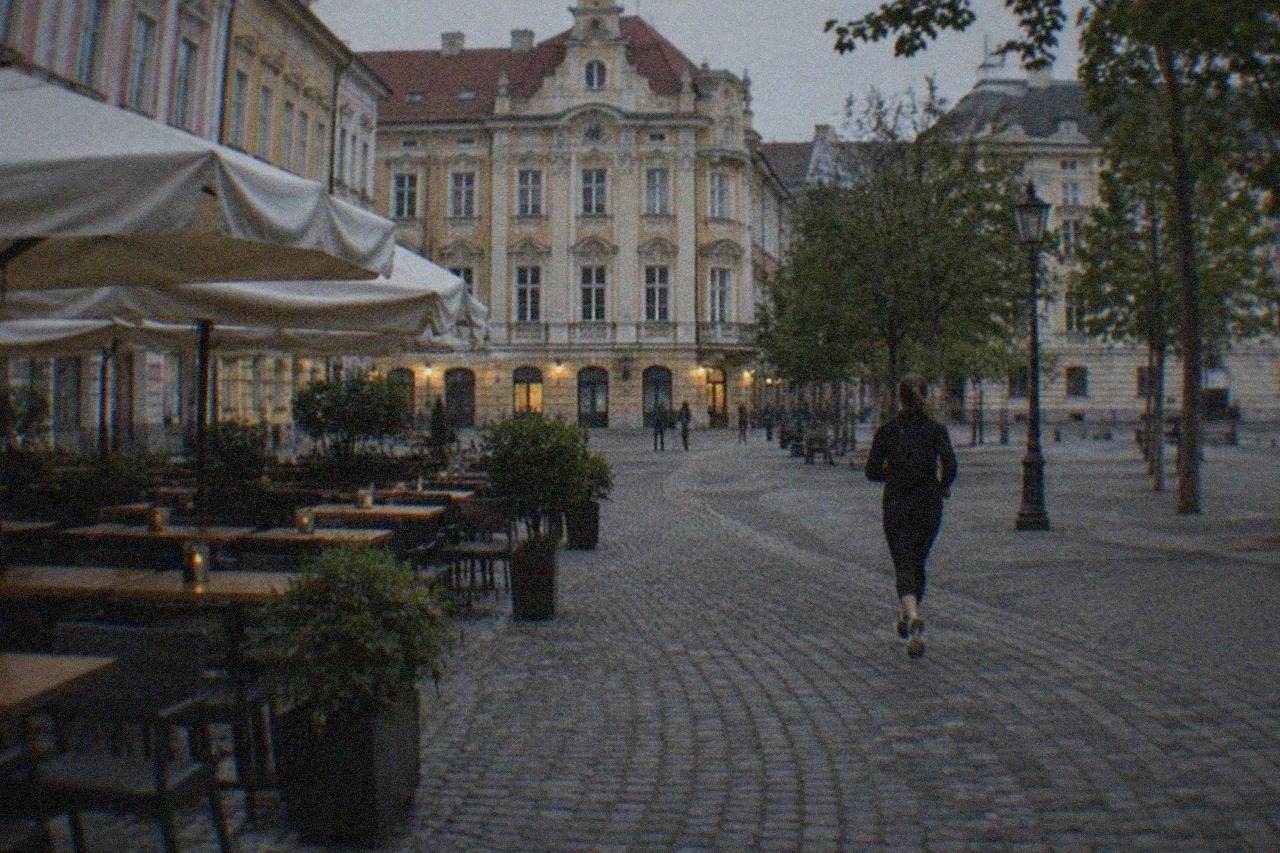
Eat in Timisoara's Cetate old town for atmosphere, in Fabric and Elisabetin for local restaurants, and order Banat classics like gulas de cartofi, sarmale and paprikash; an inexpensive restaurant meal runs roughly 45 to 50 RON per person according to September 2026 cost-of-living trackers.
Timisoara, in Timis County in the Banat region of western Romania, is a city whose restaurant scene was shaped by four kitchens at once. The Banat was ruled from Vienna and Budapest for two centuries, settled by Germans and Serbs, and folded into Romania after the First World War, and the menus still show every layer of that history. A single square in the Cetate old town can hold a Serbian grill, a Hungarian-influenced bistro, a Romanian traditional kitchen and a modern cocktail bar, all within a two-minute walk. This guide covers what to order, where to eat it, what it costs, and how the customs of a Timisoara dining room actually work. For the wider food picture, including markets and specialty shops, see the companion Timisoara food guide.
What Food Is Timisoara Known For?
Timisoara is known for the hearty, paprika-scented cooking of the Banat: gulas de cartofi, a potato-and-meat goulash the city treats as its signature dish, alongside chicken paprikash with dumplings, sarmale cabbage rolls, grilled mititei sausages, and Serbian-influenced grilled meats and fish stews. The city's German heritage shows in smoked meats and sausages, and its pastry counters in layered torts. This is continental comfort food, built for a climate where January averages 0.0 C, not light coastal eating.
The gulas de cartofi question divides locals the way pizza style divides Italians: the Timisoara version is drier than a Hungarian goulash, closer to a thick potato stew with smoked meat, and it is the one dish a first-time visitor should order before anything else. Paprikash, chicken simmered in a paprika-cream sauce and served with galuste dumplings, is the other local pillar. Around them sits the broader Romanian repertoire: sarmale (cabbage rolls filled with pork and rice, served with polenta and sour cream), ciorba de burta tripe soup for the brave, and ciorba de perisoare, a sour meatball soup soured with bors.
The Serbian layer matters more here than anywhere else in Romania. Timisoara sits close to the border, the crossing points are a short drive away, and grilled cevapi, pljeskavica-style patties and karađorđeva-style rolled cutlets appear on menus across the city. The German layer survives in the charcuterie tradition and in the baking: the Banat swab kitchens left behind a habit of smoked pork, poppy-seed pastries and dense celebration cakes that still fill the vitrines of old-town confectioneries.
| Dish | What It Is | Where It Sits On The Menu |
|---|---|---|
| Gulas de cartofi | Dry potato goulash with smoked pork, the local signature | Main course, traditional restaurants |
| Paprikash | Chicken in paprika cream sauce with dumplings | Main course, appears everywhere |
| Sarmale | Pickled cabbage rolls with pork and rice, polenta on the side | Main course, Sunday-lunch staple |
| Mititei | Skinless grilled sausages served with mustard and bread | Grill houses, beer gardens |
| Ciorba de perisoare | Sour soup with meatballs, soured with bors | Starter, traditional menus |
| Cevapi | Serbian-style grilled minced meat with raw onion and flatbread | Grill houses, Balkan menus |
| Papanași | Fried doughnuts with sour cream and jam | Dessert, universal |
Vegetarians will not starve, but they need to order deliberately. The safe anchors are mamaliga (polenta) with cheese and sour cream, stuffed peppers with a rice filling, the bean-and-vegetarian ciorbas, and salata de vinete, a smoky roasted-eggplant spread that arrives with bread as a starter. A separate section below covers this in detail.
Where Should You Eat In Timisoara?
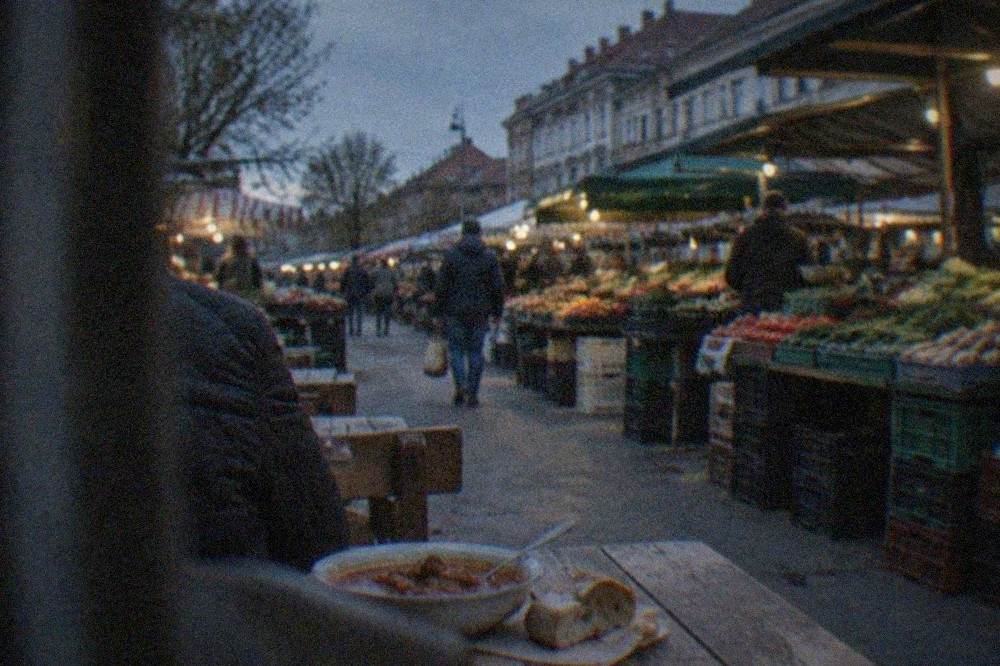
Eat in the Cetate old town, around Piata Unirii and Piata Libertatii, for the densest concentration of restaurants and terrace tables; in Fabric, east of the Bega, for traditional kitchens and neighborhood bistros; in Iosefin and Elisabetin for quieter, more local dining; and at Iulius Town for modern chains and international options. Each district has a distinct character, and the walk between them takes only minutes along the Bega.
Cetate is the obvious starting point. The baroque squares around Piata Unirii hold the highest density of terraces in the city, and in warm months the outdoor tables spill across the cobbles until late. The trade-off is price and authenticity: this is where the tourist menus live, and a five-minute walk north into Elisabetin or east across the river into Fabric usually finds the same cooking at gentler prices with more locals at the tables. Fabric, the former workers' district around Trajan Square, is where the city's regeneration is most visible, and its restaurant row has grown with it.
Iosefin, west of the center along the Bega, keeps a low-slung, residential feel with small kitchens and garden terraces, and it pairs well with an evening walk on the canal bank. Iulius Town, the large mixed-use development north of the river, is where the modern layer eats: fast-casual chains, a large food court, and new arrivals like the Roman-style pizza-by-the-slice outlet that opened there in June 2025. It is not where you come for traditional Banat cooking, but it is where the city's students and office workers actually lunch.
| District | Character | Best For |
|---|---|---|
| Cetate (Piata Unirii, Piata Libertatii) | Baroque squares, dense terraces | Atmosphere, first evening, people-watching |
| Fabric | Regenerated historic district, local kitchens | Traditional food, neighborhood prices |
| Elisabetin | Leafy streets, small bistros | Quieter dinners, cafes |
| Iosefin | Residential, garden terraces near the Bega | Slow evenings, riverside walks |
| Iulius Town | Modern retail and food court | Quick lunches, international options |
A walking tour is the most efficient way to learn the districts before choosing where to settle for dinner, and the city's guided options cover the ground well.
The revolution-history walk is a natural pairing with an old-town dinner: the 1989 uprising that ended the Ceausescu regime began in Timisoara, and its key sites sit inside the same few squares where visitors end up eating. The 1989 Revolution guide covers the history in depth.
How Much Does A Meal Cost In Timisoara?
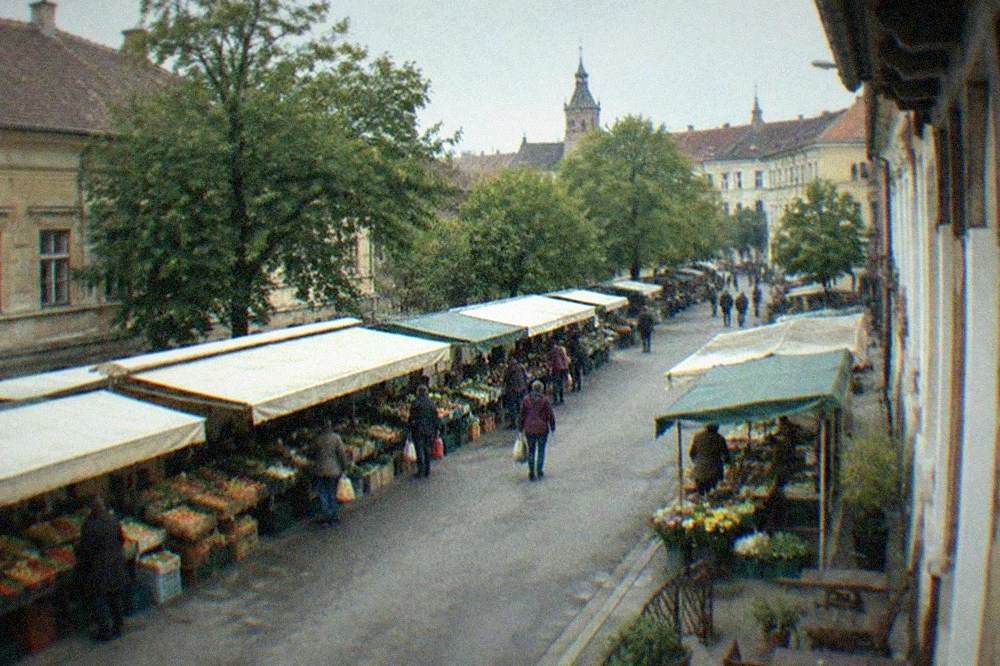
An inexpensive restaurant meal in Timisoara runs roughly 45 to 50 RON per person, a cappuccino about 13 to 15 RON, and a half-liter of domestic draft beer about 11 to 12 RON, according to cost-of-living aggregators tracking the city in September 2026. Mid-range and fine-dining rooms in the old town sit well above those baselines. Romania's currency is the leu (RON), not the euro, and cards are widely used, though small kitchens and market stalls still prefer cash.
Those baselines come from crowd-sourced price trackers, not from any single menu, so treat them as planning ranges rather than promises: a traditional kitchen in Fabric serving gulas de cartofi and a beer will usually land near the low end, while a terrace table on Piata Unirii with a starter, a main and a carafe of wine will comfortably clear it. What the ranges do establish is the scale of the city: Timisoara eats cheaper than most western European cities of its size, and noticeably cheaper than the capitals of its western neighbors.
Two practical notes on money. First, the leu is the only till currency; prices are quoted in RON, and the euro is not adopted, so change money or pay by card rather than expecting euro pricing. The Romanian currency guide covers this in detail. Second, a local tourist tax exists, reported at 2 percent of the accommodation tariff excluding VAT, collected by hotels and lodgings rather than by restaurants, so it does not appear on your dinner bill. The cost and prices guide puts dining in the context of a full daily budget.
| Item | Typical Range (September 2026 trackers) | Notes |
|---|---|---|
| Inexpensive restaurant meal | 45 to 50 RON | Main course plus a drink, simple kitchen |
| Cappuccino | 13 to 15 RON | Old-town and expat-area cafes |
| Domestic draft beer, 0.5 L | 11 to 12 RON | Neighborhood pubs |
| Fast-food combo meal | about 32 RON | Business-district trackers |
| Lunchtime set menu | about 46 RON | Business-district trackers |
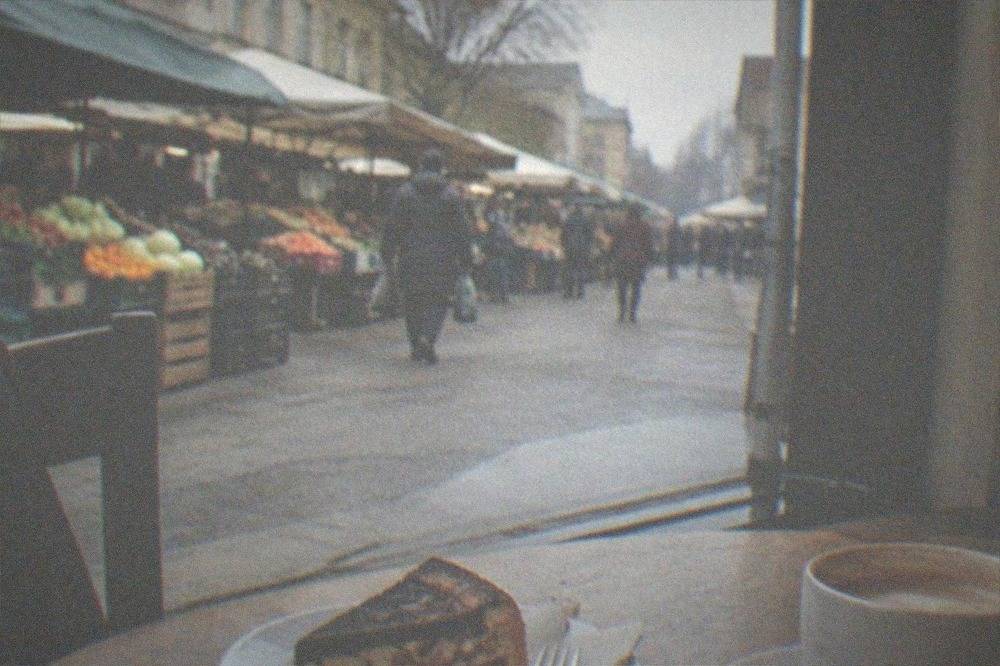
If a guided introduction to the food itself appeals, a street-food tour walks you through the city's snacks and staples with a local explaining what each one is, which spares you the risk of ordering blind on a first evening.
That same logic applies to the history under your feet. The squares where you will eat dinner are the squares where the 1989 revolution began, and a guided walk through them turns an ordinary evening out into a story with a map, so consider booking one for the afternoon before you sit down to eat.
What Should You Drink In Timisoara?
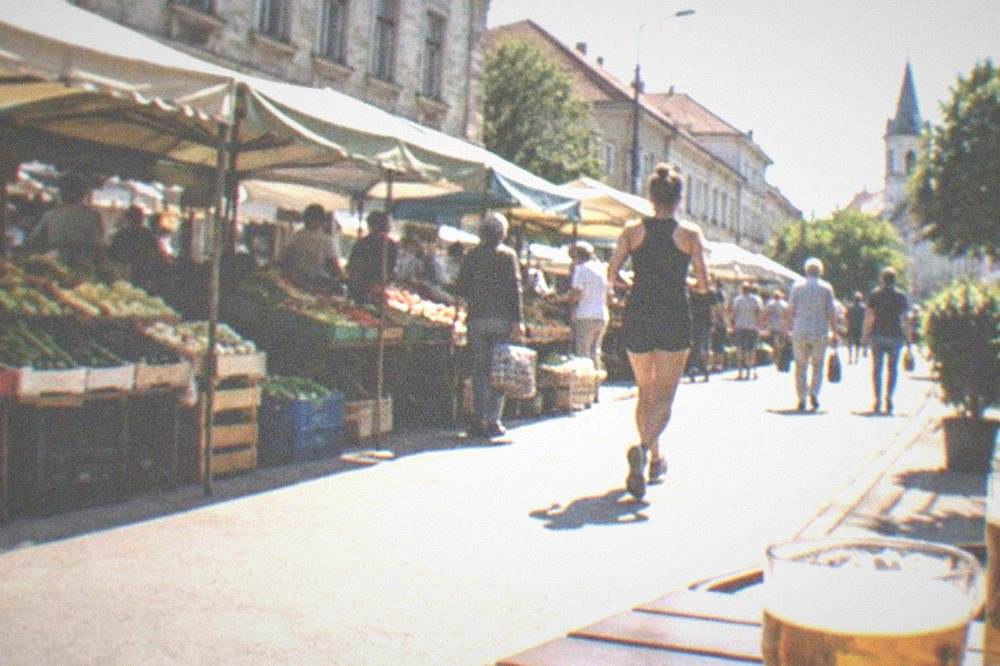
Drink Timisoreana, the local lager brewed in the city since 1718 at Romania's oldest attested brewery, plus the wider wave of Romanian craft beer that has reached Timisoara; drink Romanian wine, especially the reds of the nearby Recas hills; and drink the local brandy, tuica or palinca, which arrives as a welcome or a digestif. Coffee culture is strong and cheap by western standards, and the old-town cafes are destinations in themselves.
The beer story is genuinely local. The brewery in the Iosefin district has operated on the same site since 1718, when the city's first documented brewery opened, and the pale lager that carries the city's name is the default pour at most terraces. Around it, a craft scene has grown the way it has everywhere in Romania, and the craft beer guide maps the specialist bars pouring it.
Wine is the quiet surprise. The Banat is one of Romania's older wine regions, and the Recas hills west of the city supply most of the by-the-glass lists in town; the Banat wine guide and the Recas winery day trip cover it. Romanian reds from Feteasca Neagra, a native grape, are the ones to look for if you want something you cannot easily order at home. Palinca, the fruit brandy of the western regions, is the one drink with a ritual attached: it is offered as a greeting, and refusing the first small glass is harder than drinking it.
| Drink | What It Is | When It Appears |
|---|---|---|
| Timisoreana | Local pale lager, brewed since 1718 | Default beer at most terraces |
| Feteasca Neagra | Native Romanian red grape | Wine lists, by the glass or bottle |
| Recas wines | Reds and whites from hills near the city | Local wine lists |
| Palinca / tuica | Plum or other fruit brandy | Welcome drink, digestif |
| Caffeinated everything | Strong espresso culture, 13 to 15 RON a cappuccino | Morning to late evening |
How Does Ordering And Tipping Work In Timisoara Restaurants?
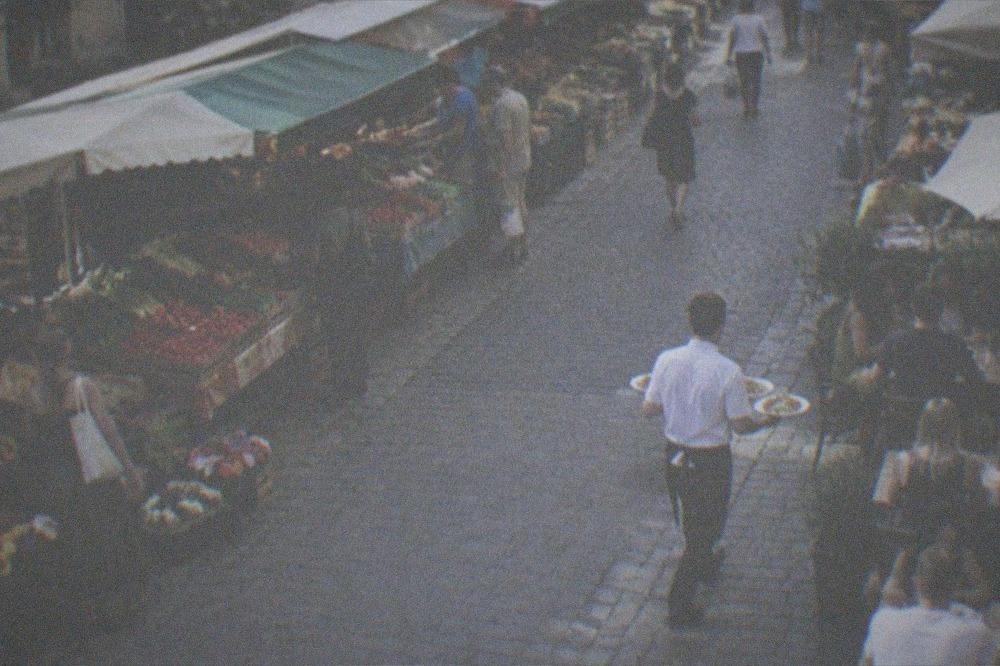
Order in courses the Romanian way, soup first and main second, expect bread and often a welcome palinca to arrive without being asked, and tip around 10 percent by rounding up or leaving cash on the tray, since many kitchens still settle tips in cash even when the bill is paid by card. Ask for the bill explicitly when you want it, because staff will not bring it unrequested, and check whether service is included before adding more.
The customs are continental with local accents. Bread typically arrives on the table as a matter of course in traditional kitchens, and it is not usually itemized as a cover charge the way it can be in Italy. A small welcome drink, sometimes palinca, sometimes a shot of something the house makes, appears in the more traditional rooms, particularly at Sunday lunch. Soup is a real course here, not an appetizer suggestion: a proper Romanian lunch starts with a ciorba, and skipping straight to the main is read as haste rather than restraint. The full index of guides sits on Timisoara Travel Guide.
The bill is the one place visitors regularly stall. Servers in Romania do not deliver the check as a signal that your table is needed; you ask for it, with "nota de plata, va rog," and it arrives promptly once requested. Tipping sits around 10 percent, rounded up, and cash on the tray is still the smoothest method even when the meal itself goes on a card. English works in the old town without difficulty, and the Romanian phrases guide has the handful of dining words that earn a smile anywhere in the city.
| Romanian Phrase | What It Means |
|---|---|
| Nota de plata, va rog | The bill, please |
| Ce recomandati? | What do you recommend? |
| O ciorba de casa | A house soup |
| Fara carne | Without meat |
| Sanatate! | Cheers! |
| Pofta buna | Enjoy your meal |
When Is The Best Time Of Year To Eat Out In Timisoara?
The best eating months in Timisoara are May through September, when the climate normals give means of 17.3 C to 22.8 C and the terraces along Piata Unirii and the Bega are in full swing, with July and August the warmest at 22.8 C and 22.5 C mean. December brings the Christmas Market to Piata Victoriei and a full menu of cold-weather cooking, and the shoulder months of April and October trade a few closed terraces for shorter queues and seasonal dishes.
The terrace season is the city's best dining weather. By May the mean temperature reaches 17.3 C and the squares fill; June, July and August are the peak months, though June is also the wettest at 79.1 mm of rain, so an indoor backup is worth having. The weather by month guide has the full table, and the best time to visit guide weighs food against festivals and crowds.
Winter eating has its own logic. The Christmas Market, expected around Piata Victoriei from late November into early January based on prior years, brings the full range of cold-weather street food, from grilled sausages to covrigi pastries and mulled wine, and the Christmas in Timisoara guide covers it. This is also when the heavy Banat cooking makes the most sense: gulas de cartofi and paprikash were built for a January that averages 0.0 C, and they taste like it. The festival calendar adds one more reason to time a trip, since events like the summer city celebration and the June Flight Festival pull food stalls and open-air kitchens into the parks.
What Can Vegetarians And Vegans Eat In Timisoara?
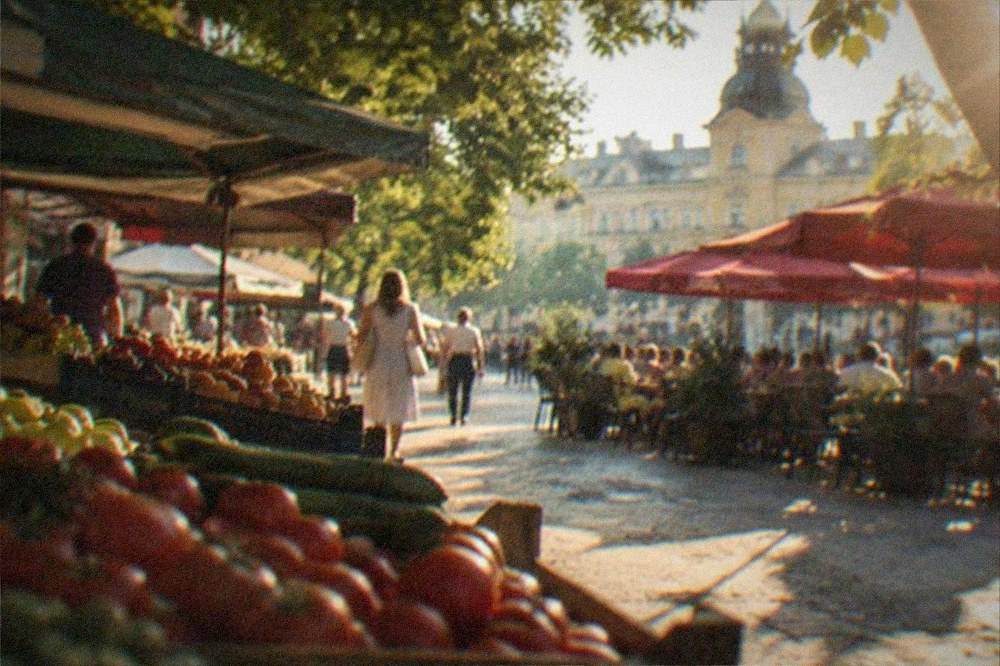
Vegetarians can eat well in Timisoara by leaning on mamaliga with cheese and sour cream, stuffed peppers, bean soups, salata de vinete eggplant spread, and the vegetarian versions of sarmale that many traditional kitchens make on request, while vegans should expect to work harder, specify "fara carne, fara lactate, fara oua" (no meat, dairy or eggs), and gravitate toward the modern bistros of Fabric and Elisabetin rather than the classic kitchens.
The traditional repertoire is vegetable-rich but dairy-heavy. Polenta appears everywhere, and with branza (cheese) and smantana (sour cream) it is a full meal; without them it is a side. Stuffed peppers with a rice-and-vegetable filling are a reliable main, and the bean soups, ciorba de fasole, are often meatless, though asking is essential because smoked pork hides in many pots. Salata de vinete, the smoky eggplant spread, and zacuscă, a roasted-vegetable relish sold in jars at every market, are the two spreads that make bread-and-starter meals work for everyone.
Vegan dining is a modern-restaurant phenomenon here, concentrated in the same regenerated districts that lead the city's wider food scene, and it is improving fast. The practical advice is to say plainly what you exclude, because "vegetarian" is widely understood but "vegan" sometimes needs the full phrase, and to expect the traditional Sunday-lunch kitchens to be the hardest places to eat plant-based. The Timisoara food guide covers produce shopping and specialty stores for self-catering.
Which Food Tours And Tastings Cover Timisoara?
Timisoara's food-and-drink tours cover the street-food layer of the city center and the wine country of the Banat, with a street-food walking tour sampling snacks and staples across the old town and a winery tour and tasting heading to a local producer, while the broader walking tours pair a food evening with the city's history. The tours are short, two to three hours for the food options, and they work best on a first evening to calibrate the menu before independent eating.
A street-food tour is the efficient opener: it moves through the old town with a local explaining what each snack is and where it came from, which is genuinely useful in a city whose menus mix three culinary traditions without translation. For wine, the winery tour and tasting takes the same curiosity out to a producer in the surrounding countryside. The historical walking tours, including the 1989 revolution walk, are not food tours but they cover the same squares, and many visitors book one for the afternoon and eat in the districts it introduces.
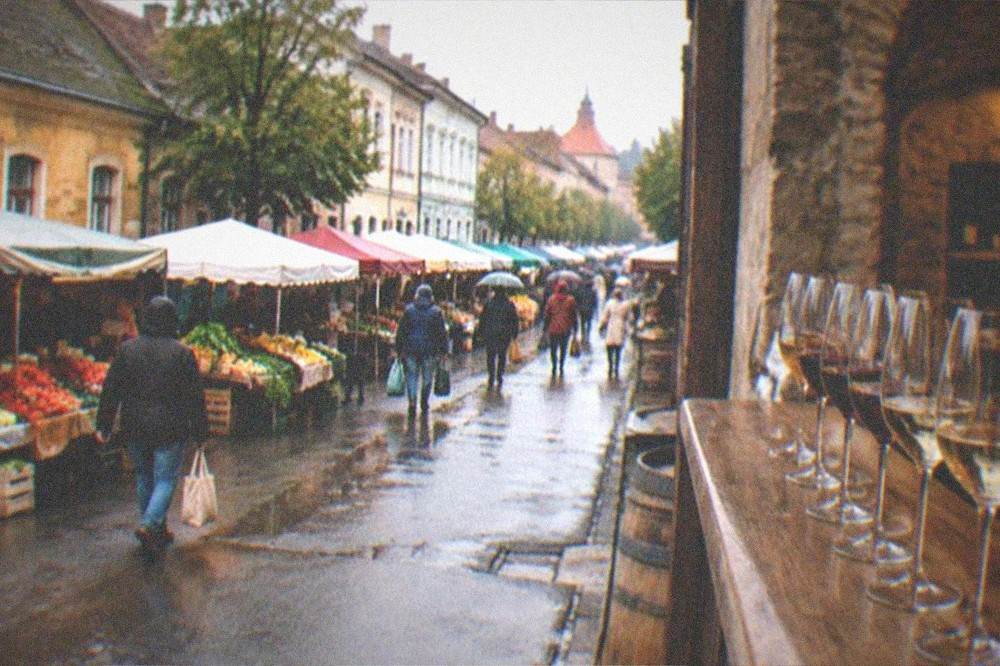
Beyond the city limits, the Banat's food culture extends into the villages, the gorges and the older towns of the region, and multi-day guided options take in that wider table.
The two-day Banat itinerary is the deepest food-adjacent option: it moves through rivers, villages and living traditions in the countryside around the city, where the cooking the old-town restaurants serve in refined form still appears on family tables. The Corvin Castle and Sibiu day trip trades food for architecture, but it returns you to Timisoara in time for dinner, which is not nothing.
Common Questions About Timisoara Restaurants
What is the most famous dish in Timisoara?
Gulas de cartofi, the dry potato-and-smoked-meat goulash the city treats as its own, is the signature dish of Timisoara. Order it with bread and a local Timisoreana beer at any traditional kitchen.
Is Timisoara cheap for eating out?
Yes, by western European standards. Cost-of-living trackers in September 2026 put an inexpensive restaurant meal at roughly 45 to 50 RON per person and a domestic draft beer at 11 to 12 RON, with old-town terraces priced above the neighborhood kitchens.
Do I need to tip in Timisoara restaurants?
Tipping around 10 percent is the custom, usually by rounding up or leaving cash on the tray. Ask for the bill explicitly, because servers in Romania do not bring it unrequested.
Can vegetarians eat well in Timisoara?
Yes, with a little planning. Mamaliga with cheese, stuffed peppers, bean soups and eggplant spreads are reliable vegetarian staples, and the modern bistros in Fabric and Elisabetin are the best hunting ground.
What should I drink with dinner in Timisoara?
Timisoreana, the local lager brewed in the city since 1718, is the default pour. Romanian reds from the Feteasca Neagra grape and wines from the nearby Recas hills fill most wine lists, and a small palinca often arrives as a welcome.
Which neighborhood is best for restaurants in Timisoara?
Cetate, around Piata Unirii, has the densest terrace scene; Fabric and Elisabetin hold the more local, better-value kitchens; and Iulius Town carries the modern fast-casual layer.
Timisoara's restaurants reward the same curiosity the rest of the city does: order the gulas de cartofi, ask what the ciorba of the day is, and let the four-tradition menu of the Banat explain itself one course at a time.