Is There A Direct Train From Serbia To Romania?
No, there is no direct train from Serbia to Romania currently. Here is how to reach Timisoara from Belgrade by bus or car, what to expect at the border, and whether the rail link could return.
There is no direct train from Serbia to Romania currently. The route in question is Belgrade to Timisoara, the main city of the Banat region in western Romania, and on that corridor the railway has been dormant for years: passenger trains stopped crossing the border, and the journey is now done by bus, roughly 3.5 to 4 hours according to current route guides, or by car through one of three road crossings. Romanian and Serbian officials discussed resuming passenger service on the Stamora Moravita to Vrsac line in August 2026, but no service had been confirmed by September 2026. This page explains what actually runs, what the border involves, and what to do in Timisoara once you arrive.
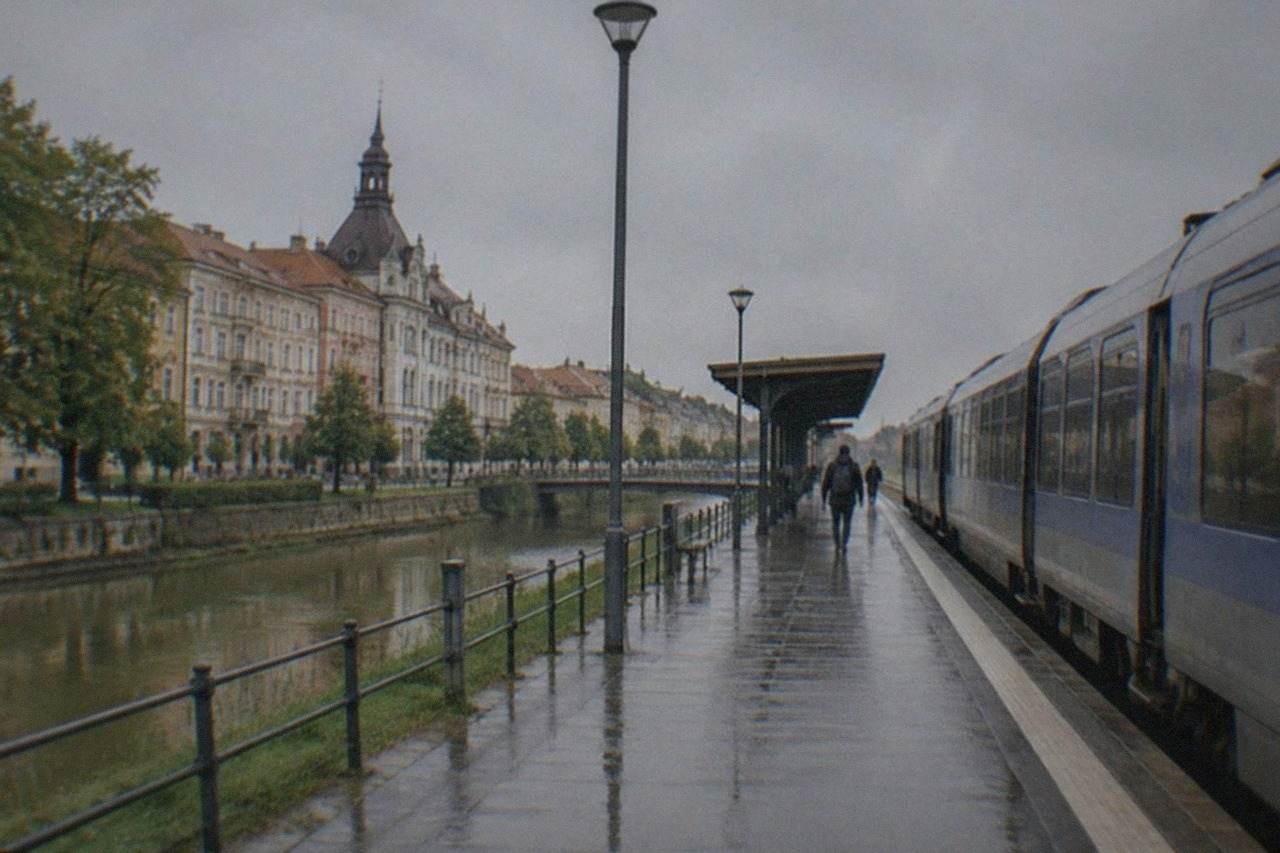
Is There A Direct Train From Serbia To Timisoara, Romania?
No, there is no direct train from Serbia to Timisoara or to any other Romanian city currently. The Belgrade to Timisoara corridor has no passenger rail service at all, and any rail attempt would require multiple changes through inactive or impractical connections that nobody makes in reality. Buses cover the Belgrade to Timisoara journey in roughly 3.5 to 4 hours. The Belgrade to Timisoara corridor has no passenger rail service at all, and anyone attempting the journey by rail would face multiple changes through inactive or impractical connections, which in reality nobody does. Buses cover the journey in roughly 3.5 to 4 hours, and driving is straightforward through three open road crossings. The absence of the train is a legacy of the corridor's long decline, not a temporary suspension with a published restart date.
The question comes up often because the two cities are close, historically linked, and both regional hubs. Timisoara, known historically as Temesvár under Hungarian administration, sits only about 70 kilometers from the Serbian border in straight-line terms, and the road crossing points at Jimbolia, Moravita/Vatin and Stamora Moravita handle steady local traffic. Rail infrastructure still exists on both sides, which is why the question of a return service keeps surfacing in the news.
For now, the practical answer is that the train is not an option. If you are planning the wider journey, our page on whether there is a direct train from Belgrade to Timisoara covers the same corridor from the Belgrade end, and our guide to Timisoara's train station explains what you will find when you arrive from other Romanian or Hungarian cities, since those connections do run.
How Do You Travel From Serbia To Timisoara Without A Train?
The practical options from Belgrade to Timisoara are the long-distance bus, which current route guides put at roughly 3.5 to 4 hours, or a car crossing at Jimbolia, Moravita/Vatin or Stamora Moravita, all three of which are open to regular passenger traffic. There is no rail alternative that works on this corridor. From Belgrade, buses run to Timisoara's main stations with a border stop built into the journey, and drivers handle the passport formalities at the crossing itself. Driving gives you the same three crossings, with typical waits of 20 to 30 minutes heading from Romania into Serbia and sometimes longer in the opposite direction at busier points.
The bus is the usual choice here, and the reason is simple: it is the only scheduled public transport on the corridor. The border stop adds time, since Serbia is an external Schengen border and every passenger is checked, but the overall journey remains shorter than any plausible rail detour. Book the Belgrade to Timisoara leg as a single ticket, and keep your passport accessible rather than buried in luggage, because you will need it at the crossing.
| Option | Belgrade to Timisoara reality | Notes |
|---|---|---|
| Direct train | Does not exist currently | No passenger rail service on the corridor |
| Bus | Roughly 3.5 to 4 hours per current route guides | Border checks at the crossing are included in the journey |
| Car | Via Jimbolia, Moravita/Vatin or Stamora Moravita | Serbia is an external Schengen border, passports checked |
| Rail via Hungary | Not practical | Would mean a long detour north with multiple changes |
One thing worth knowing before you commit: schedules on this corridor change with the seasons, and the figures above are planning ranges rather than a fixed timetable. Check the operator's live listing for the departure you want rather than relying on a printed schedule. For the wider picture of rail travel inside Romania once you have crossed, our article on whether it is easy to travel by train in Romania covers the domestic network.
What Should You Expect At The Serbia-Romania Border Crossing?
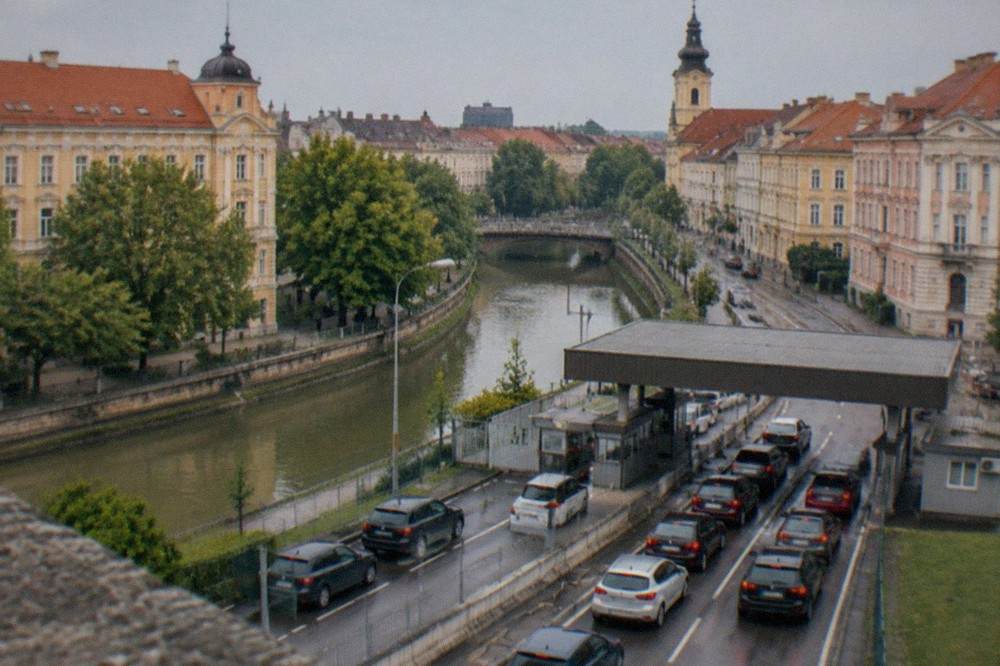
Serbia is an external Schengen border for Romania, so every crossing involves passport checks, and since 10 April 2026 the EU's EES entry/exit system has been fully operational at all Schengen external borders, recording fingerprints and a facial image for non-EU short-stay travelers. Romania joined Schengen by air and sea on 31 March 2024 and fully, including land borders, on 1 January 2025, which means the Hungarian border is now internal with no routine checks, but the Serbian border is not. Crossings at Jimbolia, Moravita/Vatin and Stamora Moravita all operate as full external frontier points.
Live border monitoring from late September 2026 shows typical waits of 20 to 30 minutes for Romania to Serbia at the nearby crossings, with the shortest often around 20 minutes and some points reaching 30. The opposite direction can be longer, with reports ranging from 20 minutes to over an hour at busier points. These are live figures that shift constantly, so treat them as a planning sense of scale rather than a promise. The rest of the planning pages sit on Timisoara Travel Guide.
The EES change matters most for travelers from outside the EU, including US and UK visitors. The system replaces routine passport stamping with biometric registration on first entry, and eu-LISA, the EU agency that runs it, confirmed full deployment in April 2026. Some Schengen countries retained flexibility on full biometric enforcement through 2026 to keep traffic moving, so the experience can vary slightly by crossing point, but the legal framework is settled.
Could A Direct Serbia-Romania Train Return Soon?
A return of the Belgrade to Timisoara train is possible but not confirmed: in August 2026, Romanian and Serbian transport officials discussed resuming passenger service on the Stamora Moravita to Vrsac route, citing ongoing technical and procedural talks, but by September 2026 no restoration had been announced. The corridor's infrastructure still exists on both sides, which is what keeps the idea alive, and the political relationship between the two countries has warmed since Romania's full Schengen accession. What is missing is a confirmed date, a signed agreement, or any operator publishing a timetable.
The history here is long. Under its Hungarian name, Temesvár, the city was a rail hub of the Habsburg era, and cross-border lines to what is now Serbia once carried regular passenger traffic. The decline came gradually in the years that followed, and the current situation, with buses carrying the corridor's passengers, has held for years. Anyone telling you a date for the train's return is ahead of what any official source has said.
For planning purposes, assume the bus or car remains the answer through at least 2026 and into 2027. If a service does return, it would most likely be a modest regional train on the Stamora Moravita to Vrsac section, requiring a connection on the Serbian side, rather than a restored direct Belgrade express. Watch the operators' own channels rather than secondhand reports, and check our Timisoara train station guide for what connections do run from the city today.
What Can You Do In Timisoara Once You Arrive?
Timisoara rewards the arrival with a compact baroque old town around Piata Unirii, the squares where the 1989 Revolution began, and a set of firsts that no other city of its size can match: mainland Europe's first electric street lighting in 1884, Romania's first electric tram in 1899, and the first horse-drawn tram in the Habsburg Empire in 1869. The city was a European Capital of Culture in 2023, and the cultural calendar has stayed busy since, with the Timisoara Jazz Festival, the Flight Festival and city celebration events drawing large crowds each year.
The 1989 story is the one visitors tend to want to understand, because the Revolution against the Ceausescu regime began here in December 1989 before spreading to Bucharest. The Memorial of the Revolution documents it, and the squares around Piata Victoriei hold the key sites. A guided walk puts the events in context, and the Grand Tour of Communist Ages is the option that goes deepest into that era of the city's story.
Beyond the history, the city is easy to enjoy. The Bega canal runs through the center with a seasonal water bus, the historic districts of Cetate, Fabric, Iosefin and Elisabetin are walkable and full of cafes, and the cost of living is modest by European standards. For a fuller rundown, see our page on things to do in Timisoara, and for the question most first-time visitors ask, our answer on whether Timisoara is worth visiting.
Common Questions About Trains From Serbia To Romania
Is there a direct train from Serbia to Romania?
No. Currently there is no direct passenger train between Serbia and Romania on any corridor, including Belgrade to Timisoara. Travelers cross by bus, roughly 3.5 to 4 hours per current route guides, or by car through the road crossings at Jimbolia, Moravita/Vatin and Stamora Moravita.
Why is there no train from Belgrade to Timisoara?
Passenger service on the corridor lapsed years ago and was never restored. The rail infrastructure still exists on both sides, and officials discussed resuming trains on the Stamora Moravita to Vrsac section in August 2026, but no service has been confirmed.
Do I need a passport to cross from Serbia to Romania?
Yes. Serbia is outside the Schengen area, so its border with Romania is an external Schengen border with passport checks for everyone. Since 10 April 2026 the EU's EES system also records biometric data for non-EU short-stay travelers at these crossings.
Is the border between Hungary and Romania the same?
No. Romania has been a full Schengen member, land borders included, since 1 January 2025, so the Hungarian border is internal and has no routine checks. Only the Serbian side operates as an external frontier with passport control.
Can I take a train from Timisoara to other cities in Romania?
Yes. Timisoara Nord has direct services including the CFR IR route to Bucuresti Nord, about 11 to 12 hours, and a reported direct service to Budapest of around 5.5 hours twice daily, though the Budapest figure comes from rail aggregators rather than a published CFR timetable.
The bottom line for anyone mapping a Serbia to Romania journey: leave the train out of the plan for now, book the bus or drive, and put the saved planning energy into Timisoara itself, where the squares, the Revolution sites and the old town are the reason the border crossing is worth making in the first place.