Is Timisoara Safe
Timisoara, in the Banat region of western Romania, is one of the country's calmest and most walkable cities for visitors. This guide covers what safety actually looks like here: the real risks, the night-time picture, transport, day trips to the Serbian border, and what to do if something goes wrong.
Short answer
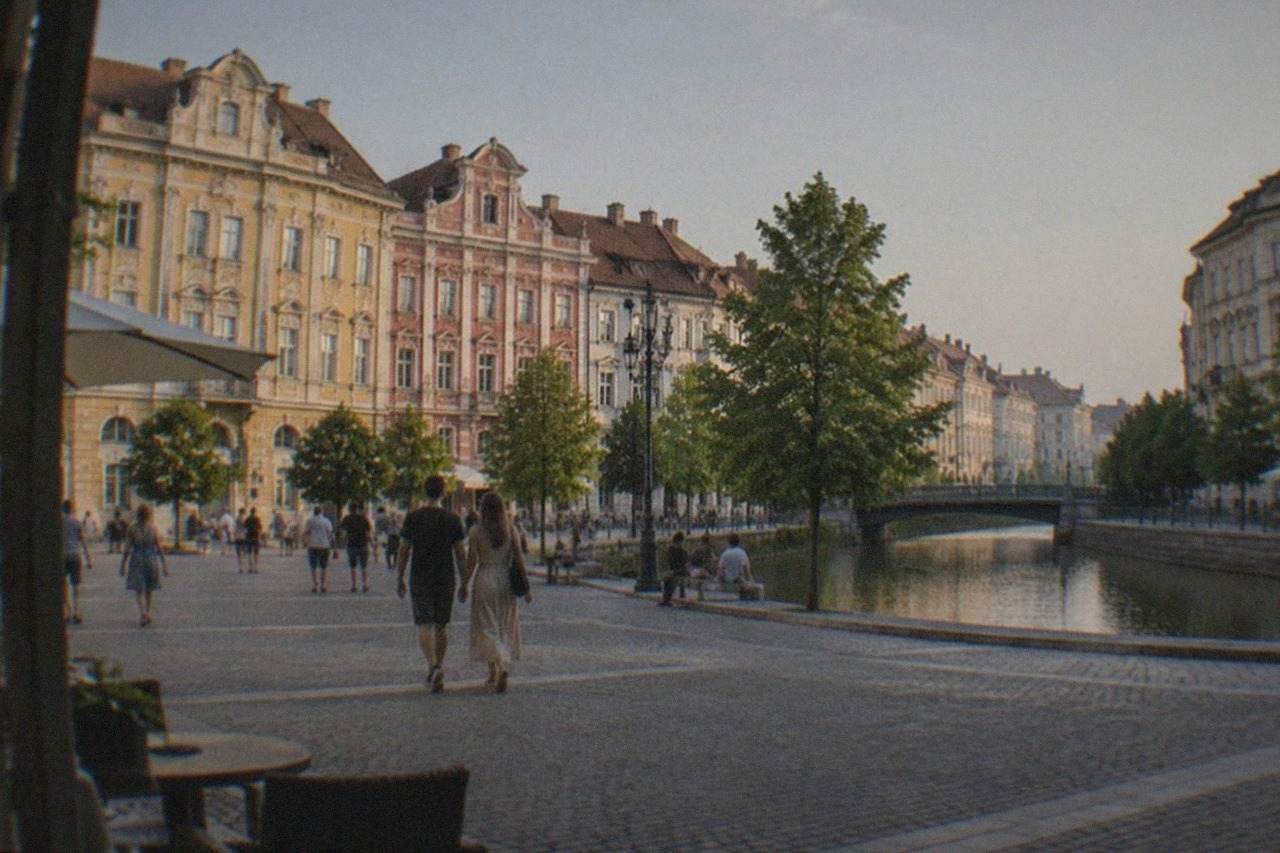
Yes, Timisoara is widely considered safe for visitors. It is a compact, walkable city with a relaxed street life, no specific threat profile aimed at tourists, and a standard set of central-European precautions: watch for pickpockets in crowded squares, keep an eye on drinks at night, and save 112 as the emergency number.
Timisoara, the county seat of Timis County in the Banat region of western Romania, has built its modern reputation on the events of December 1989, when the uprising that ended the communist regime began here, and on its rebirth as the European Capital of Culture in 2023. That history matters for a safety question, because it produced a city that is unusually used to crowds, festivals and foreign visitors on its streets. Timișoara today is a mid-sized regional capital of roughly 250,000 residents, at the 2021 census, with a compact baroque core you can cross on foot in under half an hour. This guide does not publish crime statistics, because no official figure for the city is in our source pack, and invented numbers are worse than none. What it does instead is describe how the city actually behaves for a visitor: where the ordinary risks sit, how the practical systems work, and what to do if something goes wrong.
Is Timisoara Safe For Tourists?
Yes, Timisoara is considered safe for tourists, and it behaves like a typical central-European city of its size rather than a high-risk destination. The risks that do exist are the ordinary ones: opportunistic pickpocketing in crowded squares and on public transport, unattended bags at terraces, and the usual late-night caution around alcohol. There is no official crime statistic published for the city that we can verify, so this guide describes behavior and systems rather than numbers.
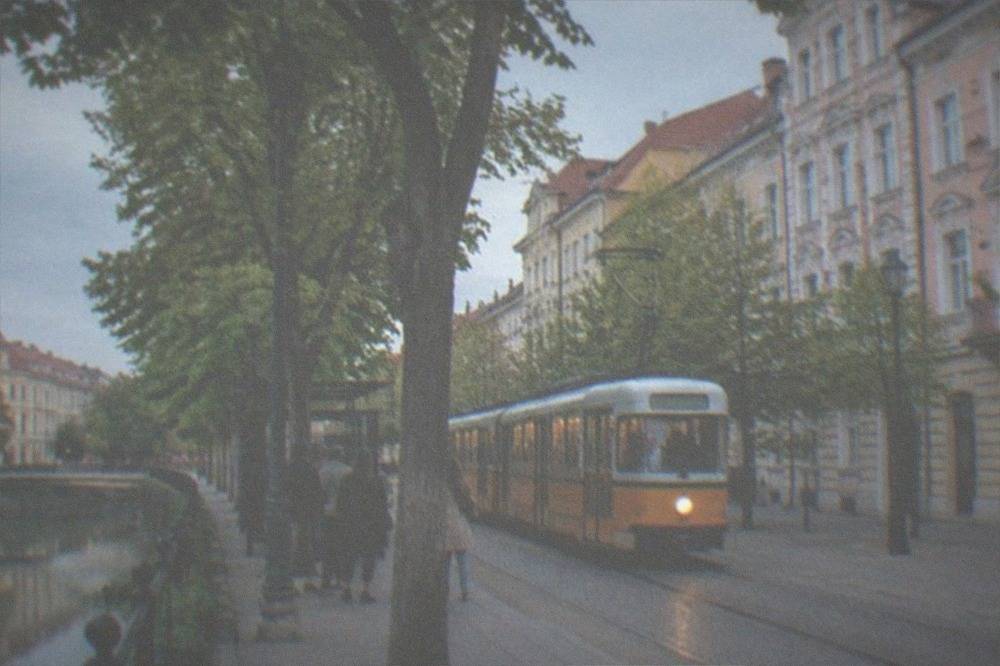
The practical texture of the city supports that picture. The historic core, Cetate, together with the surrounding neighborhoods of Fabric, Iosefin and Elisabetin, is walkable and busy well into the evening, with outdoor terraces around Piata Unirii and Piata Victoriei filling up through the warmer months. The city was named Romania's Destination of the Year 2026 at a national tourism gala in May 2026, which reflects how mainstream and visitor-oriented it has become rather than anything about policing, but it does mean the infrastructure for tourists, from signage to a tourist information center, is genuinely in place.
A useful framing for first-time visitors: Timisoara's risks are concentrated in a handful of crowded places at a handful of times, not spread across the city. The squares during festivals, trams at rush hour, and the area around the train station late at night deserve more care than a quiet residential street in Elisabetin at noon. That is a pattern, not a statistic, and it comes from how the city is laid out rather than from any crime data we hold.
If you want a structured way to get oriented in the city center, a guided walk is a reasonable first-morning activity, and there are several options. The weekly guided tour in English runs on a fixed schedule of Tuesday, Thursday and Saturday and is a calm, low-commitment way to learn which streets connect which squares, which is itself a safety skill: knowing where you are reduces almost every minor risk in a new city.
For the wider question of whether Romania as a country is a safe destination right now, including the question travelers often ask about the war in Ukraine, we cover that separately in our answer on Romania travel safety.
What Are The Main Safety Risks In Timisoara?
The main risks in Timisoara are petty and opportunistic rather than violent: pickpocketing in crowded squares and on trams, bag snatching in busy areas, taxi and ride-hailing overcharging if you use an unmarked car, and drink-related incidents in the nightlife zone around Piata Victoriei and the Bega promenade. None of these is unique to the city, and none justifies anxiety, but each has a specific, cheap countermeasure that takes seconds.
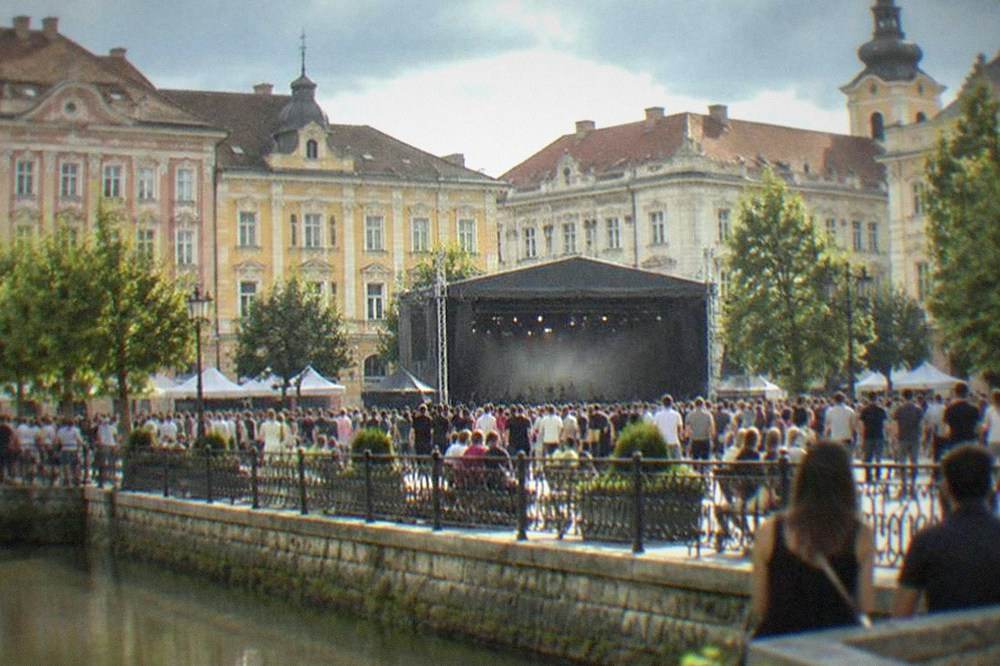
The single most common problem visitors report in mid-sized Romanian cities is the pickpocket-and-distractions pattern: a crowded tram, a jostle near a festival stage, a phone on a cafe table. The countermeasure is boring and effective: front pockets, a zipped bag worn in front, and nothing valuable on a terrace table when you step away. During the big calendar events, Ziua Timisoarei at the end of July and the Christmas Market in Piata Victoriei from late November, the squares are packed and the usual festival rules apply.
The second pattern is the unlicensed taxi. The safe rule is simple: use a marked car from a known company or book through a ride-hailing app, and agree the tariff is on the meter before you move. We do not publish a per-kilometer tariff because no official rate is in our verified sources; aggregators suggest fares in the low single lei per kilometer, but treat those as indicative only. Our guide to taxis and ride-hailing in Timisoara covers this in detail.
The third is the night-time alcohol pattern, common to every city with a student population. Timisoara has a large student district and an active bar scene; the standard advice about watching your drink and walking the lit, busy streets back to your accommodation applies. The central squares and the Bega canal promenade are well-used pedestrian routes after dark.
Here is how the ordinary risks map onto the ordinary countermeasures:
| Risk | Where It Concentrates | Cheap Countermeasure |
|---|---|---|
| Pickpocketing | Crowded trams, festival squares, market stalls | Front pockets, zipped bag worn in front |
| Bag snatching | Busy pedestrian streets, terrace edges | Keep the bag strap across the body, not on a chair back |
| Unlicensed taxi | Station approaches, airport kerbside | Book via app or use a marked, metered car |
| Drink spiking | Packed bars during events | Buy your own drinks, keep them in sight |
| Phone on table | Terrace cafes in the old town | Keep the phone off the table edge, in a pocket |
Is Timisoara Safe At Night?
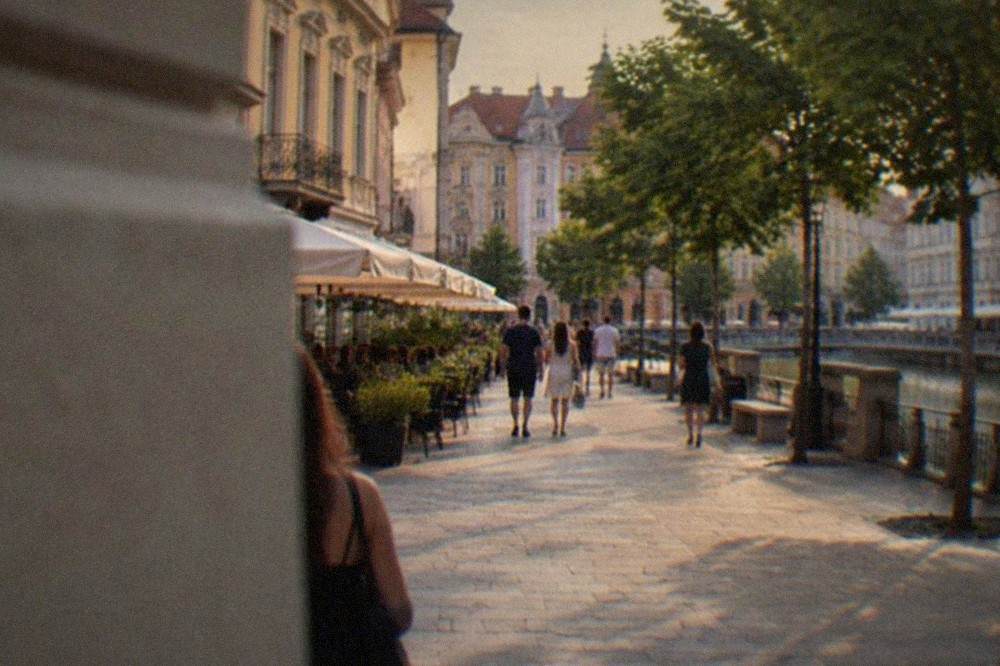
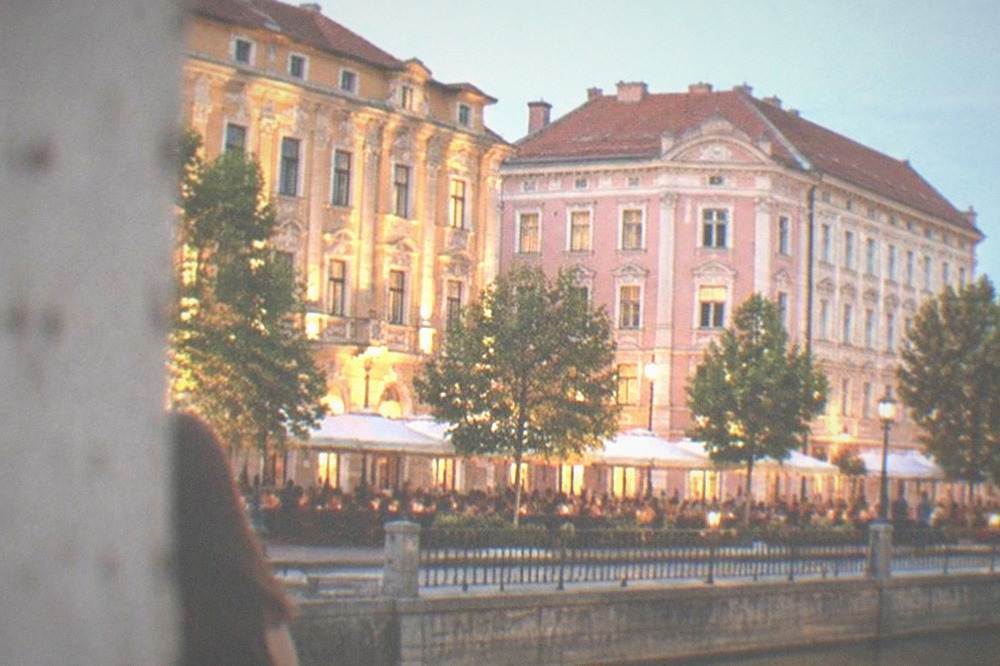
Timisoara is generally safe at night in the central districts, where terraces, bars and the Bega promenade keep streets populated and lit until late. The precautions are the same as in any European city: stick to busy, lit routes between the squares and your accommodation, avoid empty industrial or station-side areas after midnight, and use a ride-hailing app rather than walking a long unfamiliar route alone. The nightlife core around Piata Victoriei and Piata Unirii stays busy, which is itself the main safety factor.
Night safety in Timisoara is largely a geography question. Cetate, the old town, and the stretch of the Bega canal through the center are active on weekend evenings year-round and especially from spring to autumn. The streets between the squares are short and mostly pedestrian. The areas that deserve more care after dark are the long blocks around the railway station and the edges of the industrial districts, not because anything specific is documented there but because they are simply emptier, and emptiness, not documented crime, is what changes a walk.
For nightlife specifically, our Timisoara nightlife guide covers the bar districts street by street, and the craft beer guide lists specific venues if that is your scene. The one night-specific number worth saving on any Romanian trip is 112, the single European emergency number for police, ambulance and fire. It is GROK-sourced in our pack, because the official 112 site was unreachable when we checked, but it is the standard EU-wide number and the one to use.
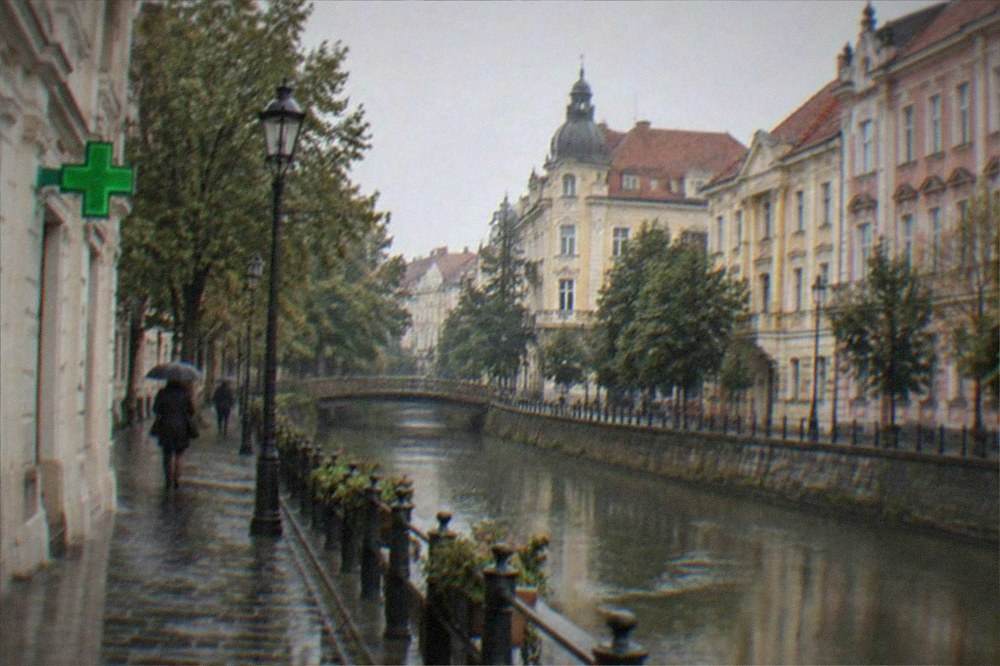
A night walk along the Bega is one of the city's quiet pleasures, and the water bus that runs on the canal in daytime, from April to the end of October, is a sign of how central and used the waterway is. After dark the promenade is a normal evening route for locals, joggers and couples, which is exactly the company you want on a riverside walk.
For travelers who prefer not to navigate a new city's night streets alone on day one, a guided evening or a well-reviewed walking tour is a legitimate safety choice, not just a sightseeing one. These three options all cover the central districts with a local guide:
Is Timisoara Safe For Solo Travelers And Families?
Yes, Timisoara works well for both solo travelers and families, and for the same underlying reason: the city is compact, busy and legible, with short walking distances between the main squares, a modern tram network, and a family-oriented public culture. Solo travelers should follow standard central-European habits, and families will find parks, pedestrian streets and a children's museum scene that make the city easy to manage with kids in tow.
Solo travelers get a particular benefit from Timisoara's guided-walk culture, because a first-day tour solves the orientation problem that makes solo travelers most vulnerable: not knowing which direction is safe to walk. The free-walk scene is real here. The Timisoara Essentials Tour with Alex, listed on GuruWalk and led by the guru Alex himself, is free and tip-based. A tip-based walk is a low-commitment way to learn the city's geography on your first morning.
For families, the safety question is mostly a logistics question, and Timisoara scores well on it. A new interactive children's museum, MIC, opened in May 2026 inside Bastion Maria Theresia, and the city's park network, from the Central Park to the Roses Park, gives children open space without crossing traffic-heavy zones. Our Timisoara with kids guide covers the family itinerary in full.
Solo travelers who want a private guide rather than a group walk have that option too, and a private tour has a specific safety benefit: the guide can tell you which parts of the evening city to use and which to skip, in real time, in your own language. The private walking tour with a local guide runs about two and a half hours and carries a 4.9 rating on the listing.
If a scheduled group walk fits your dates better, the weekly English-language tour is the one to check first: it runs three days a week, and most paid tours on this site come with free cancellation if your plans shift.
The one administrative detail that affects family and solo budgets alike is the local tourist tax, the "taxa speciala pentru promovarea turistica". It exists under local council decision HCL 719/2025 and is collected by your accommodation; the 2 percent rate is reported in the council annex rather than confirmed by us from a primary text, so expect it to appear as a small line on your hotel bill rather than a surprise at check-in.
How Safe Is Getting Around Timisoara?
Getting around Timisoara is safe and unusually cheap, with a single 5 lei ticket covering 60 minutes on trams, trolleybuses, buses and the Bega water bus, and an 18 lei day pass covering the same network for 24 hours. The transport system is the safest way to cross the city at night, contactless bank cards work on board, and the main caution is the ordinary one on crowded trams at rush hour. The network's real-time arrival site lets you minimize waiting at stops after dark.
The fares are verified from the operator's own tariff page: 5 lei for a 60-minute ticket, 18 lei for a day pass, 160 lei for a 30-day general pass. Payment options include contactless bank card on board, e-wallet cards, SMS, mobilPay, eTicket and STPT kiosks; note that two third-party apps, Tranzy and 24Pay, were discontinued in 2026, so if you read older advice recommending them, ignore it. Our getting around Timisoara guide has the full picture.
| Ticket Or Pass | Price | What It Covers |
|---|---|---|
| Single 60-minute ticket | 5 lei | All modes, including the water bus |
| Day pass | 18 lei | Full network for the day |
| 30-day general pass | 160 lei | All modes for a month |
| Airport express E4 | Standard city fare | Bastion to the airport |
Two operational cautions are worth knowing. First, the tram network runs through a period of works: Piata Traian is closed to trams from August 2026 to the end of 2026, with lines diverted, so a route you planned on a map may differ on the ground. Check live.stpt.ro for diversions before a night journey. Second, the water bus is seasonal, running from April to the end of October, so do not plan a late-evening canal crossing in winter.
For drivers, the picture is standard: the A1 motorway connects the city toward Arad and the Hungarian border, and a new four-lane link road between Timisoara and the A1 opened to traffic on 22 September 2026, which shortens and simplifies the drive from the city to the motorway. Paid parking in the center is managed by the municipal operator TimPark through color-coded zones; the TPark mobile app is the recommended way to pay. Our car rental guide covers driving in and out of the city.
Is The Border Region Around Timisoara Safe?
Yes, the border region around Timisoara is safe to travel, and Romania's full Schengen membership since 1 January 2025 has removed routine checks on the Hungarian side entirely. The Serbian border remains an external Schengen border with passport checks, and live monitoring in September 2026 showed typical waits of 20 to 30 minutes Romania to Serbia at crossings like Jimbolia and Moravita. The EES entry-exit system, fully operational since 10 April 2026, records biometrics for non-EU short-stay travelers at external borders.
The geography matters here: Timisoara sits close to both Hungary and Serbia, so day trips across borders are a real part of visiting. Hungary is now an internal Schengen border, crossed without routine checks, with waits mostly traffic-related. Serbia is different: passport control applies, and the crossings nearest Timisoara, Jimbolia-Vrsac, Moravita-Vatin and Stamora Moravita, showed typical vehicle waits of roughly 20 to 30 minutes in the direction of Serbia in late September 2026, with longer reports in the opposite direction at busier points. Live queue sites update frequently, so check on the day.
| Border | Status | What To Expect |
|---|---|---|
| Hungary (Nadlac and others) | Internal Schengen since 1 Jan 2025 | No routine checks, traffic-dependent waits |
| Serbia (Jimbolia, Moravita, Stamora Moravita) | External Schengen border | Passport checks, about 20 to 30 min typical in Sept 2026 |
| Non-EU travelers at external borders | EES since 10 Apr 2026 | Fingerprints and facial image recorded on entry |
For non-EU visitors, including Americans and Britons, the EES system means fingerprints and a facial image are recorded at external borders, replacing passport stamps. It has been fully deployed across the Schengen area since 10 April 2026. If you day-trip to Serbia and return, you will be registered twice, which is normal and expected.
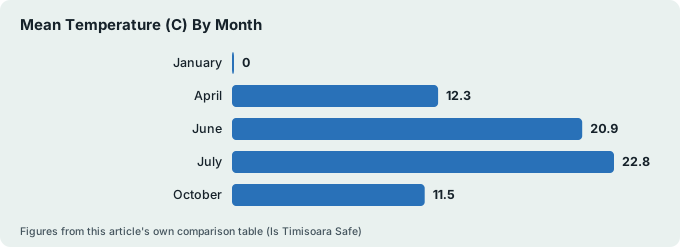
Within Romania, the day-trip destinations are ordinary rural and mountain areas. The Banat mountain trips, such as the Nera Gorge or the Danube gorges, involve normal hiking precautions: weather, footwear and daylight. The JMA climate normals for the Timisoara station show the practical pattern: a mean of 22.8 C in July but 79.1 mm of rain in June, the wettest month, and a mean of 0.0 C in January. Mountain weather is harsher than the city baseline, so check forecasts before any gorge hike.
| Month | Mean Temperature (C) | Precipitation (mm) |
|---|---|---|
| January | 0.0 | 37.3 |
| April | 12.3 | 50.6 |
| June | 20.9 | 79.1 |
| July | 22.8 | 61.9 |
| October | 11.5 | 50.0 |
Our Banat region guide covers the day-trip geography, and the best time to visit guide matches the calendar to the weather.
What Should You Do In An Emergency In Timisoara?
In an emergency in Timisoara, dial 112, the single European number for police, ambulance and fire, which works from any phone including foreign SIMs. For non-emergencies, go to the nearest police station or ask your accommodation to call, pharmacies are widespread in the central districts, and EU citizens should carry their European Health Insurance Card while all travelers should carry travel insurance. Romania's healthcare is functional in cities, and Timisoara, as a county hospital city, is one of the better places in the country to need it.
The number 112 is the one fact to memorize. It is GROK-sourced in our research, because the official site was unreachable when we checked, but it is the standard EU emergency number and dispatchers handle foreign-language calls. For lost or stolen documents, contact your embassy in Bucharest, but report the theft to local police first, because the police report number is what the embassy needs.
Money matters in an emergency, so know the basics before you need them. The currency is the Romanian leu (RON); the euro is not adopted. The National Bank of Romania's reference rate was 1 EUR = 5.2788 RON on 23 September 2026, and it moves daily, so treat any conversion as approximate. Cards are widely used in the city, but carry some lei in cash for small venues, market stalls and taxis. Our Romanian currency guide covers this fully.
| Situation | What To Do |
|---|---|
| Medical emergency, fire, crime in progress | Dial 112 from any phone |
| Stolen passport or wallet | Report to local police, then contact your embassy in Bucharest |
| Minor illness | City pharmacy, many in the central districts |
| Lost in the city | Tourist information center, or ask at any hotel front desk |
| Payment problem | Keep some lei cash as backup for small venues |
The everyday cost of a mishap is low by European standards. A cappuccino runs about 13 to 15 lei, an inexpensive restaurant meal around 45 to 50 lei, and a mid-range hotel night in the 176 to 227 lei range, so a replaced meal or a taxi back to your hotel is not a budget event. Our cost and prices guide has the full breakdown.
Common Questions About Is Timisoara Safe
Is Timisoara safe?
Yes, Timisoara is considered safe for visitors. It is a compact, busy regional capital with ordinary central-European risks: pickpocketing in crowds, unlicensed taxis and the usual night-time alcohol caution. No official crime statistic for the city is published in our sources, so we describe behavior rather than numbers.
Is Timisoara safe at night?
The central districts are generally safe and populated at night, especially around Piata Unirii and Piata Victoriei and along the Bega promenade. Stick to lit, busy routes, avoid empty station-side blocks after midnight, and use a ride-hailing app for long unfamiliar journeys.
Is Timisoara safe for solo female travelers?
The same rules apply as across most of central Europe: the city is walkable and busy, night streets in the center are populated, and the main precautions are drink awareness and avoiding empty industrial or station-side areas late. A first-day guided walk, including the free GuruWalk essentials tour, is a practical way to learn the geography quickly.
What is the emergency number in Timisoara?
112, the single European number for police, ambulance and fire. It works from any phone, including foreign SIMs, and handles foreign-language calls.
Is it safe to drink tap water in Timisoara?
Romanian urban tap water is treated and monitored to EU standards, and locals in Timisoara commonly drink it. Bottled water is cheap and available everywhere if you prefer it.
Is the Serbian border near Timisoara safe to cross?
Yes. Serbia is an external Schengen border with passport checks, and typical vehicle waits in late September 2026 were about 20 to 30 minutes toward Serbia at the nearby crossings. Non-EU travelers have fingerprints and a facial image recorded under the EES system since 10 April 2026.
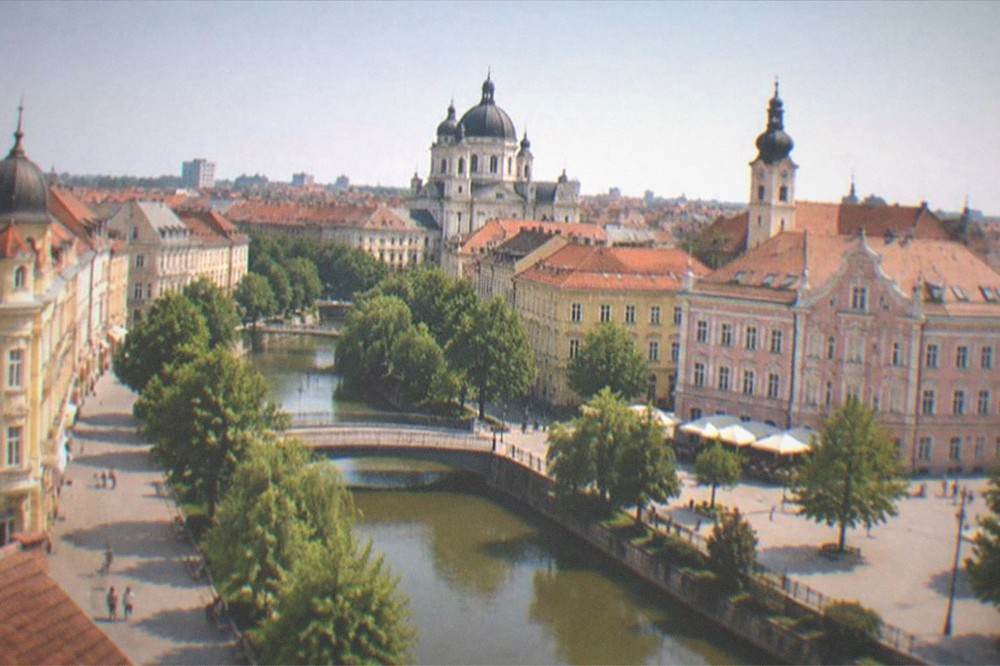
The honest summary is that Timisoara asks little of a visitor's vigilance. Keep the ordinary habits, front pockets in crowds, a metered or app-booked car, a lit route home, and the number 112 saved in your phone, and the city rewards you with the thing it is actually known for: an open, walkable, terrace-filled old town where the evening's biggest decision is which square to sit in. For everything beyond safety, from the main things to do page to where to stay, the rest of Timisoara Travel Guide covers the city neighborhood by neighborhood.