Is It Easy To Travel By Train In Romania?
Train travel in Romania from Timisoara explained: direct routes, ticket buying, border crossings to Hungary and Serbia, and what to expect on board.
Timisoara, the main city of the Banat region in western Romania, is one of the better places in the country from which to answer the train question, because its main station, Timisoara Nord, is a genuine western hub with long-distance services in several directions. Timișoara was a railway town early: the first horse-drawn tram in the Habsburg Empire ran here on 8 July 1869, and the first electric tram in Romania followed in 1899, so rail is stitched into the city's history. The honest answer for the country as a whole is that train travel in Romania is easy where the direct lines exist, slower than the motorway where they do not, and that the practical friction, tickets, borders, boarding, is lower than commonly assumed.
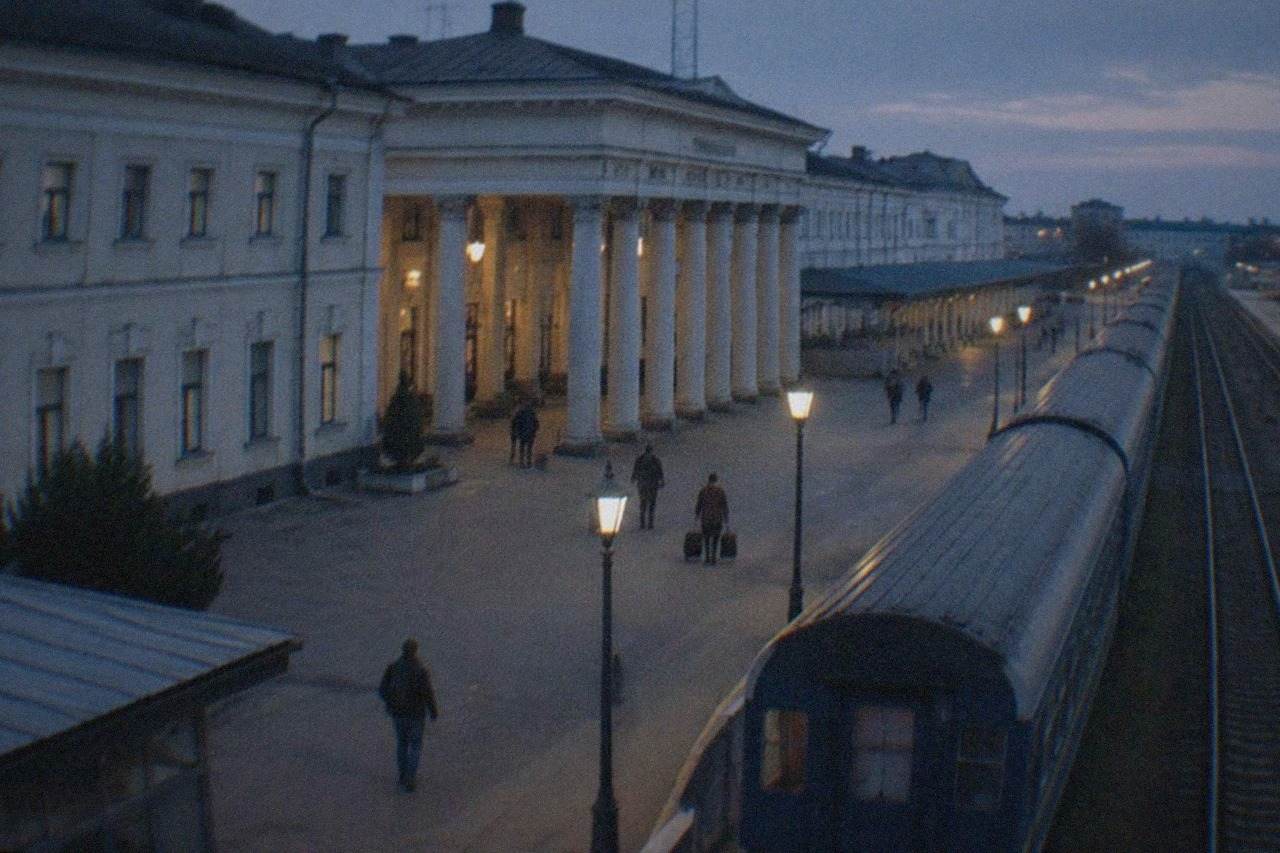
How Easy Is Train Travel In Romania Overall?
Train travel in Romania is moderately easy and improving, with a clear split between comfortable direct inter-regional services and slower cross-country rides that need patience. From Timisoara, the network is usable without a car: the city's station has direct long-distance links, tickets can be bought online in English, and Romania's full Schengen membership since 1 January 2025 has removed routine checks at the Hungarian border. The main difficulty is duration, not difficulty of process.
Many travelers ask whether they can rely on trains instead of renting a car. For the big cities, largely yes. Romania's national operator runs an online booking site in English, and the inter-regional trains, while not high-speed, connect the major urban centers in reasonable comfort. Rural Banat and the smaller villages are a different matter: branch lines exist but frequencies are thin, and for places like the Nera Gorge or the Banat mountain villages a tour or a car is far more practical.
One framing helps: think of Romanian rail as a trunk-and-branch system. The trunks, the long direct corridors between cities, are dependable enough to plan around. The branches are where timetables get sparse. A visitor based in Timisoara planning day trips should read the guide to the train station before committing to any rail-based excursion, because knowing which services actually stop where matters more here than in a dense western European network.
Which Train Routes Run Directly From Timisoara Nord?
Timisoara Nord offers direct long-distance trains to Bucharest and, as reported by rail aggregators, a direct service to Budapest of roughly 5.5 hours running twice daily. The Bucharest service, on CFR's own inter-regional trains, takes about 11 to 12 hours. There is no direct train to Belgrade currently, despite talks reported in August 2026 about restoring a link between Stamora Moravita and Vrsac.
That route map defines the whole experience. West and north, toward Hungary, the railway is a practical international corridor. East, toward the capital, the line exists and is direct, but the distance is real: nobody should book Timisoara to Bucharest expecting a quick hop. Plan it as a full traveling day, or consider the sleeper question separately, which this site covers in whether Romania has a sleeper train.

The gap in the network is the southern neighbor. Serbia sits on the other side of an external Schengen border, and the passenger rail link has not been restored. Travelers heading to Belgrade typically go by bus, changing nothing at the border except showing a passport. The details, including the crossing points, are laid out in the direct train question from Belgrade to Timisoara.
| Route from Timisoara Nord | Direct service | Approximate duration | Notes |
|---|---|---|---|
| Bucuresti Nord | Yes, CFR inter-regional | About 11 to 12 hours | Duration from CFR's own itinerary page, reported figures |
| Budapest (Keleti) | Reported by rail aggregators | About 5.5 hours, twice daily | Attributed to aggregator data, not a published CFR timetable fact |
| Belgrade | No direct service | Not applicable currently | Bus is the practical alternative; talks on a Vrsac link reported August 2026 |
| Arad and the A1 corridor towns | Yes, regional services | Short hops within western Romania | Frequencies are higher on intra-region runs |
How Do You Buy Train Tickets In Romania And Board A Train?
Buying Romanian train tickets is easy: CFR's online booking site works in English, accepts international cards, and issues tickets you can show on your phone, while station counters and kiosks remain as backup. Boarding is low-friction, with no gates at most stations, so the practical routine is to arrive with the ticket already bought and to check the platform on the departure boards. The one habit worth forming is buying before travel, not on board.
The full walkthrough of ticket channels, seat reservations and what counts as an inter-regional versus a regional train is in how to buy train tickets in Romania. The short version for a Timisoara-based trip: buy long-distance tickets online a day or two ahead, especially for the Bucharest service where seats on the better trains sell out, and treat regional hops as walk-up purchases.
A few things surprise first-time visitors. There is no airport-style security theater at Romanian stations. You walk onto the platform and board, and the conductor checks tickets during the journey. Delays happen, and the national operator's real-time information is better than its reputation suggests, but building a buffer into any same-day connection is just good planning. For the broader practicalities of the country, money, language, emergency numbers, the Romania travel essentials guide collects them in one place.
Is The Long Train Ride From Timisoara To Bucharest Or Budapest Worth It?
The Budapest ride is worth it without hesitation: a direct service of about 5.5 hours, as reported by rail aggregators, turns a Hungary add-on into a relaxed half-day. The Bucharest ride is worth it only if you accept it as a traveling day of about 11 to 12 hours on CFR's inter-regional trains. Neither route requires a car, and both deliver you into the historic center of a capital city.
The contrast between the two corridors is the single most useful thing to understand about Romanian rail from Timisoara. Westward, the network behaves like a Central European system: one border, no routine checks since Romania's full Schengen accession, and a schedule that makes a two-city trip realistic. Eastward, the geography of the country means distance, and the train is a means of covering it rather than a scenic highlight. If scenery is the goal, the most scenic train route in Romania is a separate question from speed, and the answer is not the Bucharest corridor.
For timing a trip around these constraints, the seasonal picture matters more than it might seem. Western Romania has a continental climate: JMA climate normals for the Timisoara station give a January mean of 0.0 C and a July mean of 22.8 C, with precipitation peaking at 79.1 mm in June. A long rail day in a July heatwave or a January freeze feels different, and the choice of month shapes the whole trip. Other pages covering the same trip are gathered on Timisoara Travel Guide.
Back in the city itself, the train question fades quickly. Timisoara's center is compact and walkable, and once visitors arrive, most of what they want to see sits within an easy stroll of the squares. This site's home page covers the city itself in depth, and for anyone still choosing a base in western Romania, the city's squares, churches and 1989 history make a persuasive case on their own.
What Should You Know About Borders And Safety On Romanian Trains?
Borders are the easiest part of the journey now: Hungary is an internal Schengen border with no routine checks, while Serbia is an external border with passport controls at crossings such as Jimbolia, Moravita and Stamora Moravita, plus EU Entry/Exit System registration since 10 April 2026. On board, Romanian trains are ordinary and uneventful, and the standard European precautions apply.
The Hungarian direction is now administratively invisible. Since Romania joined Schengen fully on 1 January 2025, a train toward Budapest crosses what is functionally a domestic line; occasional random checks can happen, but the old passport queues are gone. The Serbian direction is the opposite: anyone heading that way by bus, since no train runs, crosses a hard external EU border, and non-EU travelers should expect biometric registration under the EES system. The Serbia specifics are covered in the direct train from Serbia to Romania question.
On safety, the honest summary is that Romanian rail travel is unremarkable in the good sense. Stations in the big cities are busy and normal, trains carry families, students and business travelers, and the emergency number across the country is 112. Visitors with broader regional concerns will find that western Romania, including Timisoara, sits far from the areas people worry about, and the everyday reality of train travel here is calm and routine.
Common Questions About Train Travel In Romania
Is it easy to travel by train in Romania?
Yes, with qualifications. The direct corridors between major cities, including Timisoara's links to Bucharest and Budapest, are dependable and bookable online in English. Rural branch lines are sparse, the Bucharest ride takes about 11 to 12 hours, and there is no direct train to Belgrade currently.
Can you get from Timisoara to Budapest by train?
Yes. Rail aggregators currently report a direct service from Timisoara Nord to Budapest of about 5.5 hours running twice daily. Since Romania's full Schengen accession on 1 January 2025, the Hungarian border involves no routine checks.
Is there a train from Timisoara to Belgrade?
No. There has been no direct passenger service for years, and currently nothing has been restored. Talks about resuming trains between Stamora Moravita and Vrsac were reported in August 2026, but buses remain the practical option in the meantime.
How long is the train from Timisoara to Bucharest?
About 11 to 12 hours on CFR's direct inter-regional service from Timisoara Nord to Bucuresti Nord. It is a full traveling day, so plan around it rather than treating it as a quick transfer.
Do you need a passport to cross from Romania to Hungary by train?
You should carry one, but you will not face routine checks. Romania has been a full Schengen member since 1 January 2025, so the Hungarian border is internal, with only occasional spot checks possible.
Can you buy Romanian train tickets in English?
Yes. CFR's online booking site works in English and accepts international payment, and staffed counters at major stations such as Timisoara Nord handle walk-up sales. Buying long-distance tickets a day or two ahead is the sensible habit for the busier services.
The bottom line for anyone basing themselves in Timisoara: trains will carry you comfortably to Budapest and, with a day of patience, to Bucharest, the borders in those directions are easier than they have ever been, and the only real planning skill required is knowing which journeys the rail network handles well and which ones it does not.