Timisoara Photography
Timisoara, in the Banat region of western Romania, is one of the most photogenic mid-sized cities in Central Europe: five linked historic squares, a canal running through the middle, and a 1989 revolution story told in public space. This guide maps the frames worth traveling for and the light to catch them in.
Short answer
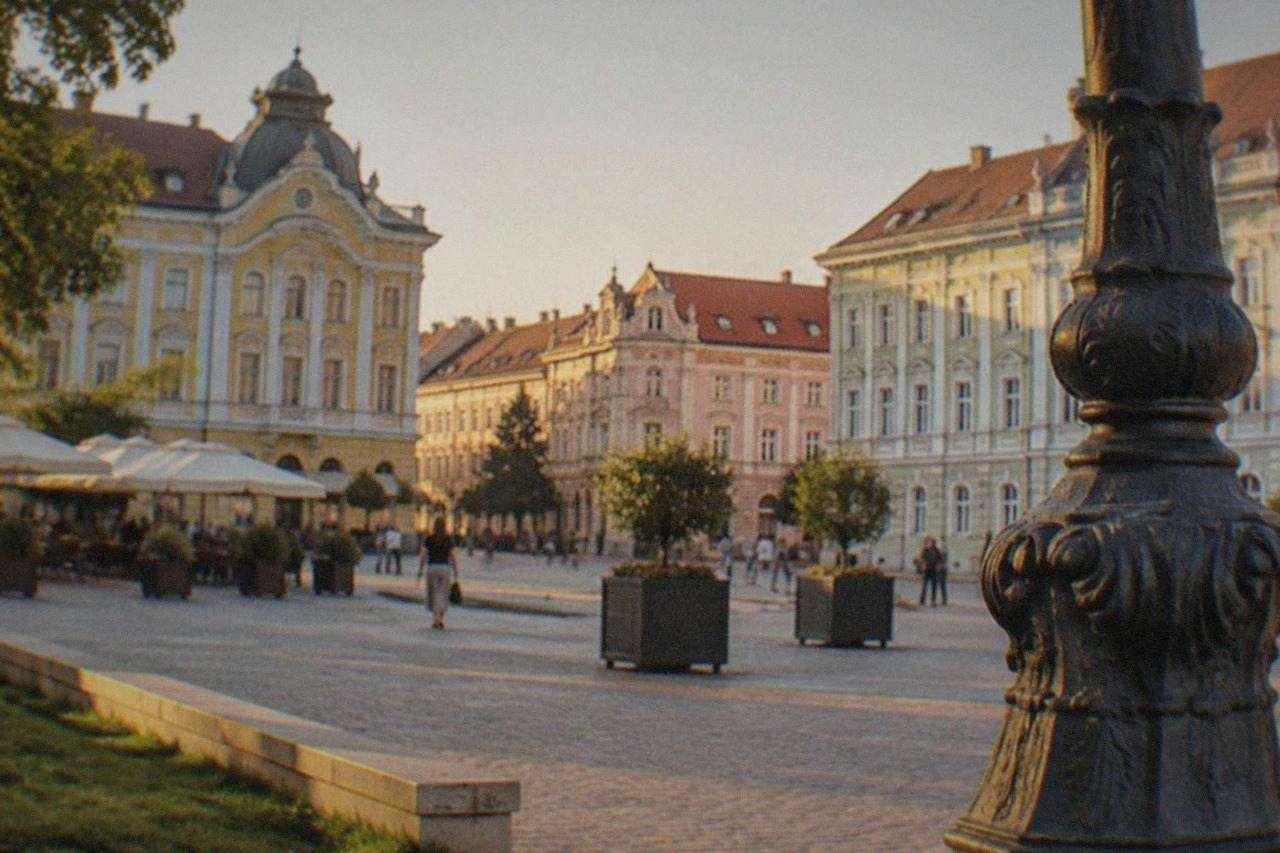
The best photography spots in Timisoara are Piata Unirii, Piata Victoriei, Piata Libertatii, the Bega canal promenade, the Theresia Bastion, and the side streets of Fabric and Elisabetin, with golden hour on the squares and blue hour along the Bega giving the strongest results.
Timisoara, in Timis County in the Banat region of western Romania, was built to be photographed, even if nobody planned it that way. Five historic squares sit within fifteen minutes' walk of one another, the Bega canal cuts the city in half with a tree-lined promenade on each bank, and the baroque, Secession and interwar facades come in a palette of mint, ochre, rose and cream that makes overcast days look intentional. Under its Hungarian name, Temesvár, and its German name, Temeswar, the city accumulated layers that a lens reads instantly: Habsburg austerity in Cetate, industrial brick in Fabric, quiet villas in Elisabetin. This guide walks through the frames worth planning a trip around, the light to catch them in, and the practical details that keep a photo day from wasting the best hours.
Where Are The Best Photography Spots In Timisoara?
The strongest photography spots in Timisoara are Piata Unirii for baroque symmetry, Piata Victoriei for the 1989 revolution story and evening light, Piata Libertatii for intimate scale, the Bega canal promenade for reflections, Theresia Bastion for star-shaped geometry, and the side streets of Fabric and Elisabetin for peeling pastel facades and quiet street scenes. Each one rewards a different lens and a different hour, and the whole set fits inside a single long day of walking, since the historic core is compact and flat. The city's five squares are the anchors, and the canal threads between them, so a photographer can move from wide architectural work to street scenes without ever crossing more than a few blocks. The full menu of options is covered in depth on the things to do in Timisoara page, but the sections below break down what each spot gives a camera specifically.
Piata Unirii is the postcard. The square is the largest of the historic set and holds the Baroque Palace, the Serbian Orthodox Cathedral, the Roman Catholic dome of St George and a row of candy-colored townhouses on its flanks. The square's proportions suit a wide lens, and the two cathedrals facing each other across the open space give a composition that almost composes itself. Early morning, before the cafe tables fill, is when the cobbles are empty and the light rakes across the facades.
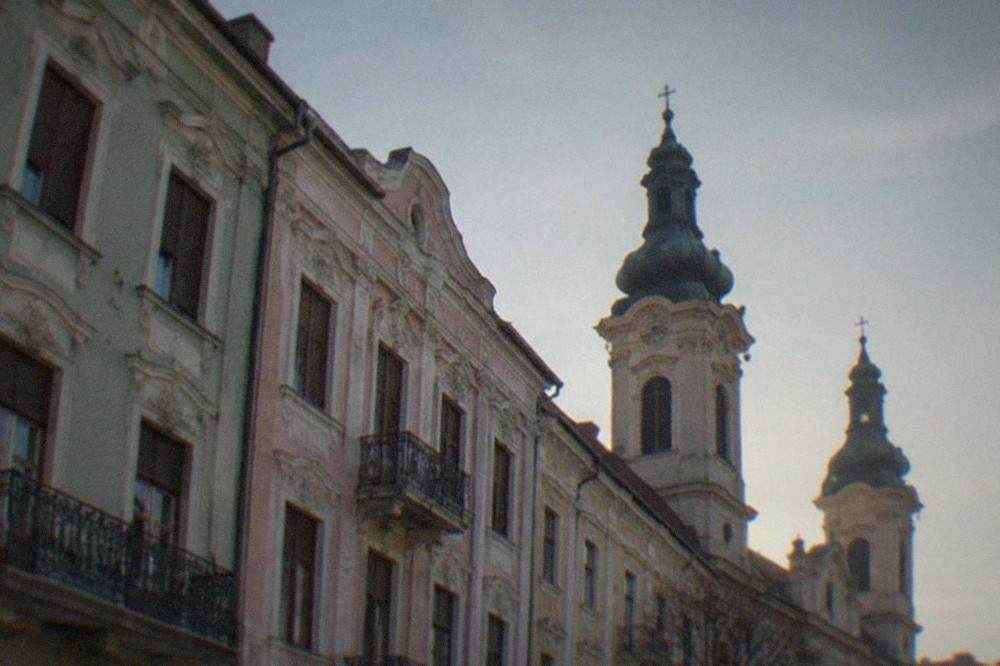
Piata Victoriei is the emotional center of the city: the square where the 1989 revolution gathered its crowds, framed by the Opera at one end and the Metropolitan Orthodox Cathedral at the other. The cathedral's green-and-gold tiled spires are the single most recognizable silhouette in the Banat, and the square's long axis begs for a centered composition at dusk, when the streetlights come on and the facades glow. The story behind the square, and the sites tied to December 1989, is told in detail in the guide to the 1989 revolution in Timisoara.
Piata Libertatii is the smallest and quietest of the three, a compact rectangle with the old garrison buildings around it, and it works best as a detail study: doorways, lamp brackets, and the kind of texture that a 50mm lens was made for. The Dicasterial Palace, with its exaggerated neo-Romanian roofline, stands nearby and rewards a tight vertical frame.
The Five Squares At A Glance
| Square | Character | Best Light | Best Lens |
|---|---|---|---|
| Piata Unirii | Baroque grandeur, two cathedrals | Early morning, golden hour | Wide (16-35mm) |
| Piata Victoriei | Revolution history, cathedral spires | Blue hour, evening | Wide to standard |
| Piata Libertatii | Intimate scale, garrison architecture | Mid-morning | Standard (35-50mm) |
| Piata Sf. Gheorghe | Small church square, local life | Late afternoon | Standard |
| Piata Traian | Fabric district market square | Morning, market days | Standard to portrait |
The squares are close enough that a patient photographer can hit Unirii at sunrise, Libertatii mid-morning and Victoriei at dusk in one day, with the canal and the bastion filling the middle hours. That circuit is the backbone of a good one day in Timisoara plan adapted for camera work.
When Is The Best Light For Photography In Timisoara?
The best light for photography in Timisoara is golden hour in the early morning on Piata Unirii and the Cetate side streets, blue hour at Piata Victoriei and along the Bega canal, and the soft overcast that the city's climate delivers frequently, which flatters the pastel facades better than harsh midday sun. The JMA climate normals for station Timisoara 15247 show a continental pattern, with mean temperatures from 0.0 C in January to 22.8 C in July, and monthly precipitation running from 34.1 mm in March, the driest month, to 79.1 mm in June, the wettest. What that means in practice: winter light is low and thin and lasts briefly, summer light is generous but the afternoons can cloud over quickly, and the shoulder months of May and September balance long days against comfortable walking weather. The month-by-month breakdown, with the full temperature and precipitation table, lives in the Timisoara weather by month guide, and the wider question of when to travel is covered in the best time to visit Timisoara.
Golden hour in Timisoara is genuinely useful rather than a cliché, because the historic core faces in enough different directions that some facade is always catching the low sun. In winter the sun stays low all day, which is why December and January produce the most dramatic long shadows on the cobbles of Unirii, and why the Christmas market season in Timisoara is quietly one of the best photography windows of the year: stalls, lights and low sun in the same square.
Blue hour is the city's signature. Piata Victoriei's axis lights up in a warm line toward the Opera, the Metropolitan Cathedral's spires hold the last blue of the sky, and the Bega canal catches the reflections of the promenade lamps. The canal's waterbus season runs from April to the end of October, so from spring through autumn a photographer can shoot the reflections from a moving boat as well as from the banks.
Light Conditions And What They Suit
| Condition | Where It Works | What to Shoot |
|---|---|---|
| Sunrise, golden hour | Piata Unirii, Cetate streets | Empty squares, raking facade light |
| Midday overcast | Fabric, Elisabetin | Pastel facades, street portraits |
| Blue hour | Piata Victoriei, Bega canal | Lit architecture, reflections |
| Winter low sun | Piata Unirii, Piata Libertatii | Long shadows, Christmas lights |
| After rain | Bega canal, cobblestone squares | Wet-stone reflections, saturated color |
A walking guide who knows the city's orientation saves an hour of trial and error on the first day, and the two options below are the ones a photographer would actually use: one covers the whole city on foot and by tram, the other traces the religious architecture that gives Timisoara its most distinctive towers.
What Should You Photograph In Cetate, The Old Town?
In Cetate, Timisoara's old town, the priority frames are the twin towers of Piata Unirii, the pastel townhouse row on the square's east side, the Baroque Palace housing the National Museum of Art, the Millennium Church dome seen from a side street, and the Theresia Bastion's curved brick walls, all within a compact walkable grid that makes the district the densest concentration of photographic subjects in the city. Cetate is the Habsburg-era core, laid out after the fortress period, and its streets run in a regular grid that a camera reads as clean leading lines. The Cetate old town guide covers the district street by street, and the Union Square and Liberty Square pages go deeper on the two most-photographed spaces.
The Baroque Palace is the square's anchor building, and the National Museum of Art inside it keeps hours worth planning around: the museum's own information page lists summer hours of 13:00 to 21:00 from June to September and winter hours of 10:00 to 18:00 from October to May, Wednesday to Sunday. That late summer opening means the interior courtyards and gallery spaces can be shot in the afternoon and the square afterwards at golden hour, a natural sequence. The museum's full offering is described in the Timisoara museums guide.
Theresia Bastion is the one piece of the old fortress that survives as a built structure rather than a street plan, and its brick curves, now holding shops and cafes, give the city its most tactile texture shots. The bastion's shape is the point: it was built as part of a star-shaped fortress, and the Theresia Bastion page explains the geometry that makes the curved walls so photogenic.
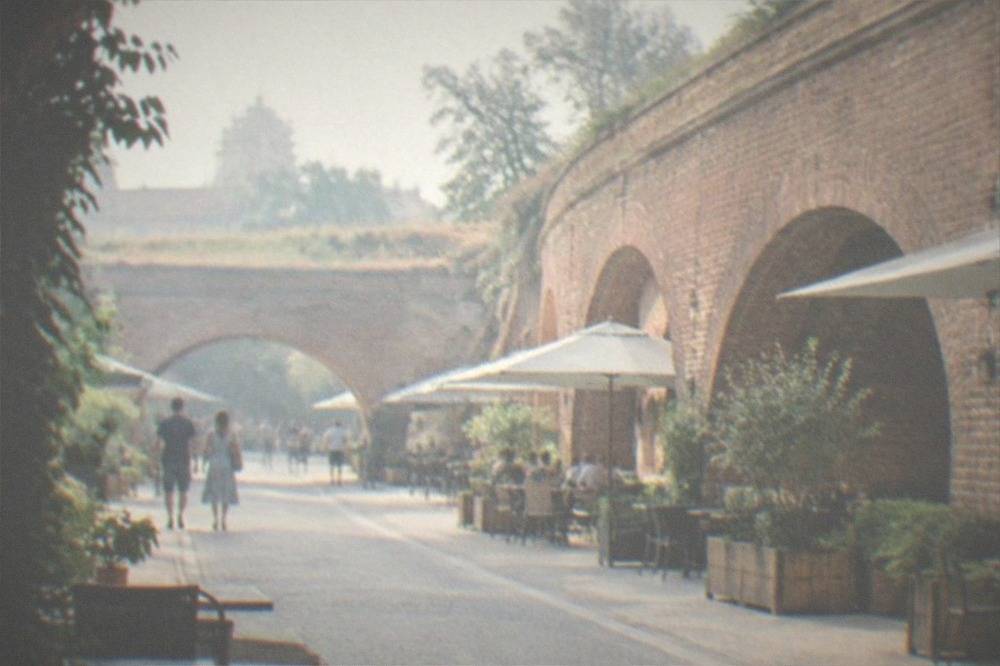
The side streets of Cetate are where the district stops looking like a postcard and starts looking like a lived-in city. Strada Mercy, Strada Alba and the lanes between the squares carry the Secession facades, wrought-iron shop signs and ochre walls with peeling paint that give Timisoara its texture. A morning spent working these streets slowly, on foot, is the core of the experience described in the free things to do in Timisoara guide, since photographing them costs nothing but time.
The ecumenical thread is worth a frame of its planning. Timisoara is unusual in Romania for the number and variety of its worship buildings standing within walking distance: the Orthodox Metropolitan Cathedral, the Roman Catholic St George Cathedral, the Serbian Orthodox Cathedral, the Millennium Church and two historic synagogues. A guided walk built around exactly these buildings is the most efficient way to reach them all in one loop and to learn which interiors are open to visitors.
The same operator's listing holds the current price and availability, so check the live listing rather than any figure quoted elsewhere. Alongside it, the classic city walk covers the core squares with a guide who handles the historical context, which frees attention for composition.
Which Timisoara Neighborhoods Give The Best Street Photography?
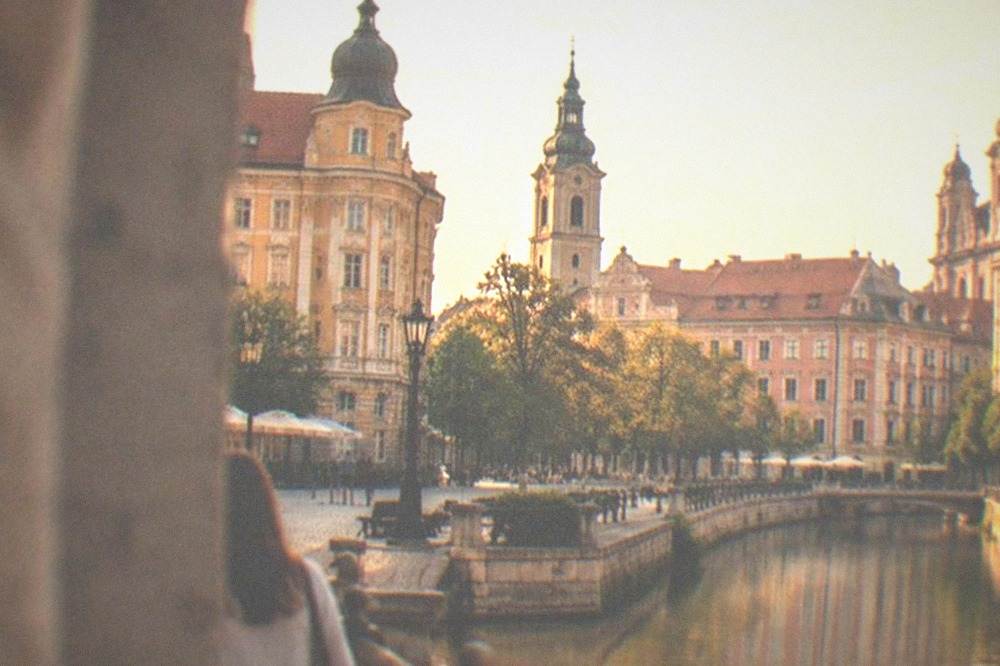
The best Timisoara neighborhoods for street photography are Fabric for its industrial brick, market square and layered decay, Elisabetin for its quiet Secession villas and tree-lined streets, and Iosefin for the water tower, low houses and riverside light, with each district giving a clearly different palette and rhythm from the others and all reachable from the center by tram or a half-hour walk. The three historic districts outside Cetate are where the city's texture lives, and a photographer who only works the squares misses two-thirds of it. The Fabric, Elisabetin and Iosefin guides cover each district in detail.
Fabric is the rawest of the three. It was the industrial district, and its stock of brick factory buildings, workers' housing and the grand Millennium Church sits alongside a market square that still functions as a neighborhood center rather than a tourist set. The textures are rougher, the paint is more faded, and the frames feel more like Belgrade or Budapest backstreets than like a baroque square. Trajan Square, currently a worksite for the square's redevelopment, is worth photographing precisely because it shows the city mid-change, though the tram diversions around the works mean checking current routes before planning a circuits. The Trajan Square page tracks the district's ongoing transformation. Other pages covering the same trip are gathered on Timisoara Travel Guide.
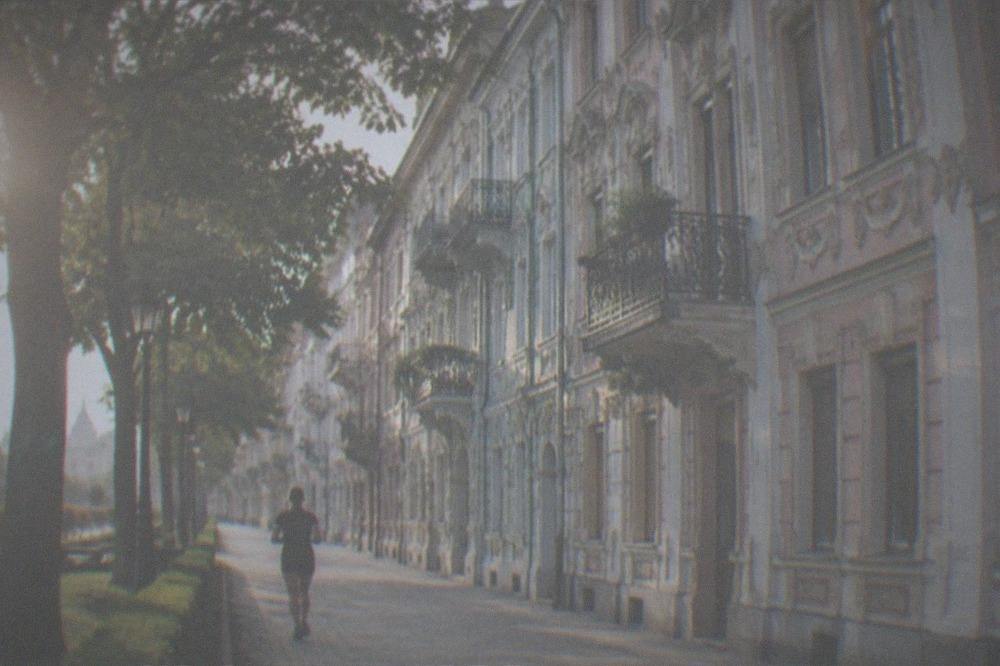
Elisabetin is the soft one. The district's villas, low apartment blocks and leafy streets produce the quiet, pastel frames that Timisoara's Instagram presence runs on, and its pace is residential: cats on windowsills, laundry lines, bicycles leaning on Secession doorways. Late afternoon, when the sun drops behind the rooftops and the light goes warm and low, is when the district earns its keep.
Iosefin, the oldest of the outer districts, holds the water tower, the old firemen's tower and a stretch of the Bega that catches the last light of the day. The Iosefin water tower is one of the city's most distinctive verticals, a brick cylinder that photographs well against a dusk sky.
The Districts Compared
| District | Palette | Signature Subject | Best Time |
|---|---|---|---|
| Cetate | Cream, ochre, baroque | Piata Unirii, Theresia Bastion | Sunrise, golden hour |
| Fabric | Brick, rust, faded pastel | Millennium Church, market life | Morning |
| Elisabetin | Mint, rose, greenery | Secession villas, quiet streets | Late afternoon |
| Iosefin | Brick, riverside blue | Water tower, Bega bank | Dusk |
A day that pairs one district with one square, morning and evening, is the pattern that works: Fabric and Unirii on the first day, Elisabetin and Victoriei on the second, Iosefin and the canal whenever the sky cooperates. The two days in Timisoara itinerary can be run exactly this way with a camera in hand.
How Do You Photograph The Bega Canal And The City's Parks?
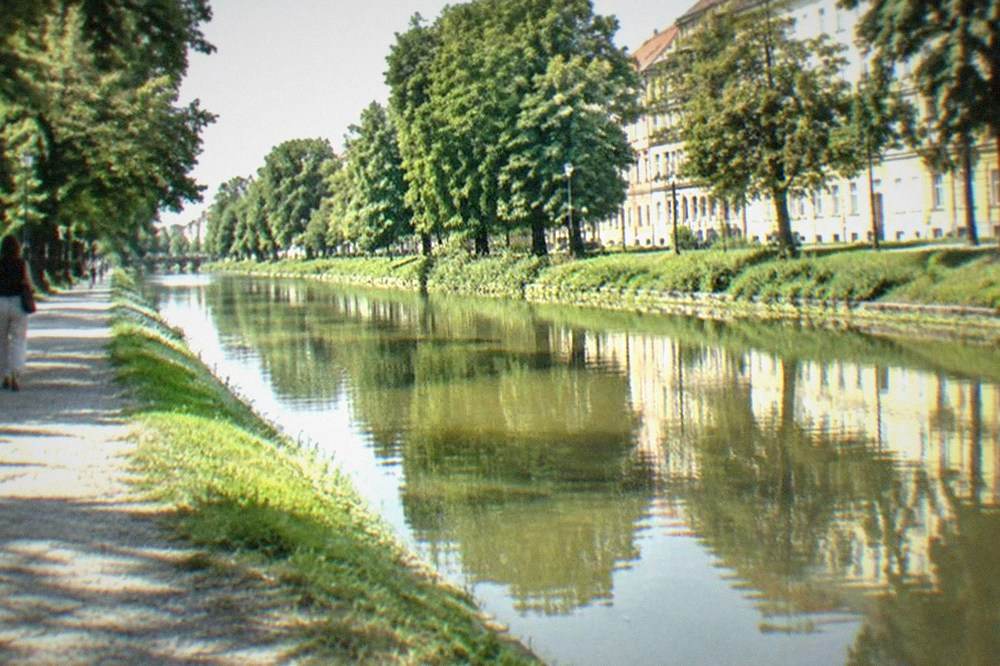
To photograph the Bega canal, work the promenade between the central bridges at blue hour for lamp reflections, shoot the waterbus in motion during its April-to-October season, and use the bridges as elevated platforms for the tree-lined banks, while the city's parks, led by Roses Park and Central Park, give the green, people-free counterweight to the architectural frames and hold their best light in the early morning. The Bega is the reason Timisoara photographs differently from other Romanian cities: a working waterway through the middle of town, with a promenade on both banks and enough boat traffic to animate long exposures. The Bega canal page covers the full waterfront.
The canal's waterbus runs seasonally, from the start of April to the end of October, with a ticket costing the same 5 lei as a regular public transport journey, and the service is as much a sightseeing line as a commuter one. Shooting from the boat means working with a moving platform and short exposures, but the bank-side promenades, seen from the water, compose themselves in ways the shore cannot manage. Payment on board is by contactless card or cash, the same as the rest of the network, and the getting around Timisoara guide explains the whole ticketing system.
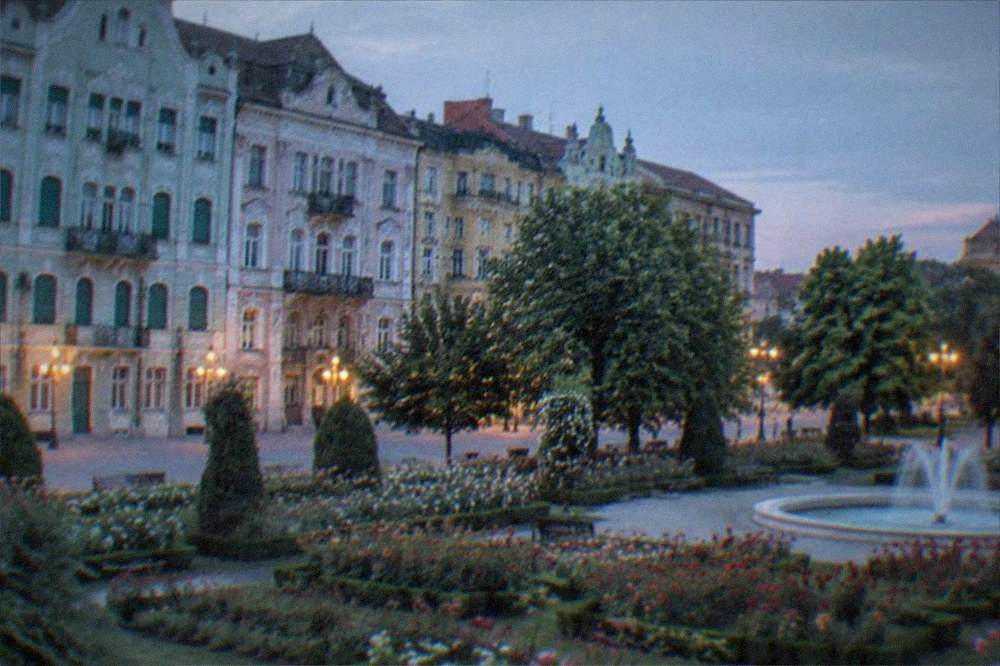
The parks are the city's quiet second act. Roses Park, between the canal and the center, is the obvious one: a formal rose garden that peaks in late spring and early summer, and its flowerbeds give the city its only concentrated color blocks. Central Park, next to the cathedral end of Piata Victoriei, is where the evening crowd spills, and its lamps and benches make easy dusk frames. The Roses Park and Central Park pages cover both.
Waterfront And Park Subjects
| Subject | Season or Time | Frame |
|---|---|---|
| Bega lamp reflections | Blue hour, year-round | Long exposure from the bank |
| Waterbus in motion | April to October | Panning shot from a bridge |
| Promenade trees | Late April, October | Symmetry, both banks |
| Roses Park beds | Late spring to early summer | Color blocks, wide or macro |
| Central Park dusk | Summer evenings | Lamps, benches, cathedral edge |
What Day Trips From Timisoara Reward A Camera?
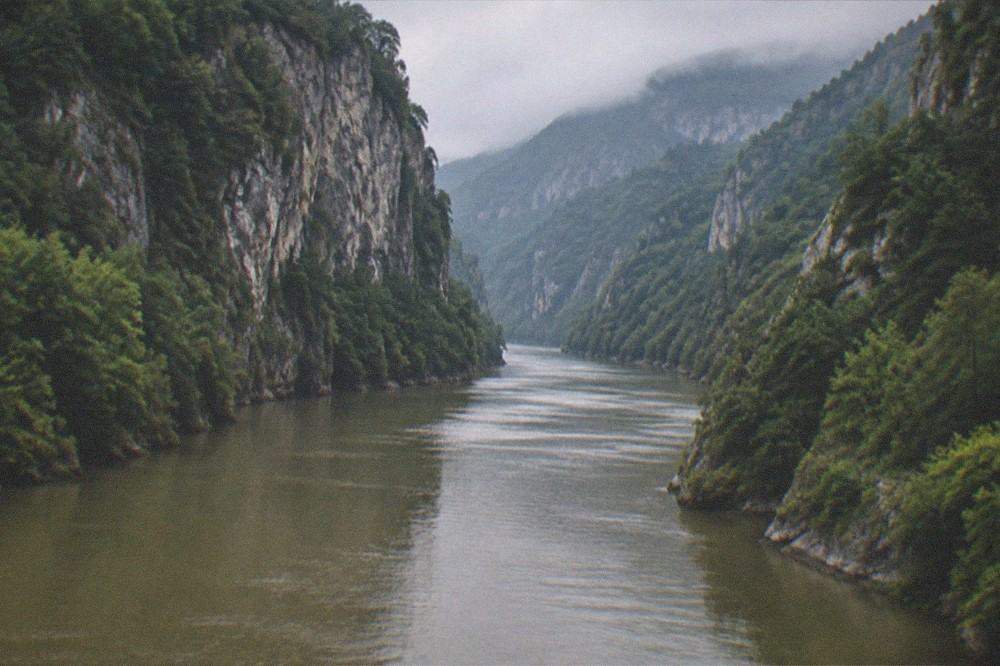
The day trips from Timisoara that most reward a camera are the Banat mountain landscapes of the Nera Gorge and the remote Banat villages, the Danube Gorge at Cazanele where the river narrows between cliffs, and the big-horizon countryside of the Banat plain, all of which sit within a couple of hours of the city and give the landscape counterweight that an urban photo trip otherwise lacks. The Banat region is one of the least-visited mountain areas in Romania, and its gorges, waterfalls and scattered villages photograph like a different country from the city's squares. The Banat region guide introduces the whole territory, and the Nera Gorge and Danube Gorges pages cover the two headline landscapes.
The remote villages of the Banat are a specific case: a handful of settlements in the hills where the building stock, the road quality and the pace of life have barely moved in decades. A guided hike through them is the practical way to reach the villages, since public transport is thin and the walking routes are not waymarked for visitors.
The all-in-one walking and tram option in that band is the city-side anchor: it covers the squares and districts on foot and by tram in a single loop, which is exactly the circuit a photographer wants a guide for on day one, before branching out alone. Its full description lives on its own tour page, and the operator's live listing holds the current price, rating and availability.
What Camera Gear Works For A Timisoara Photo Trip?
For a Timisoara photo trip, a wide zoom of roughly 16-35mm covers the squares and the bastion, a standard 35-50mm handles the side streets and detail work, and a tripod matters only for blue hour on the Bega canal, while the city's flat terrain and compact core mean a single-body, two-lens kit is enough and anything heavier works against the walking rhythm the city rewards. Timisoara is not a place that demands exotic glass. The squares are wide but not enormous, the streets are human-scaled, and the canal wants a tripod more than it wants a fast lens. The one genuine technical demand is the blue hour sequence: the difference between a handheld dusk frame and a tripod frame on the Bega is the difference between a snapshot and the shot.
Weather protection matters more than lens choice. The climate normals show precipitation in every single month, from 34.1 mm in March to 79.1 mm in June, so a rain cover or a decent weather-sealed body earns its place in the bag year-round. Winter shooting at a mean of 0.0 C in January also means batteries drain fast, so spares stay in an inside pocket.
A Practical Kit List
| Item | Why It Earns Its Place |
|---|---|
| Wide zoom, 16-35mm | Piata Unirii, bastion curves, canal banks |
| Standard prime, 35-50mm | Cetate streets, Elisabetin, market life |
| Travel tripod | Blue hour on the Bega, Christmas lights |
| Circular polarizer | Canal glare, wet cobblestones |
| Rain cover | Precipitation every month of the year |
| Spare batteries | Winter cold, long walking days |
Common Questions About Timisoara Photography
Is Timisoara good for photography?
Yes. Five linked historic squares, a canal through the center, three distinct outer districts with different palettes, and a 1989 revolution story told in public space give the city an unusually dense concentration of subjects within a flat, compact, walkable core.
Where is the best sunset spot in Timisoara?
Piata Victoriei at blue hour, with the Metropolitan Orthodox Cathedral's spires against the last light and the street lamps leading toward the Opera, is the classic frame. The Bega canal promenade runs it a close second, with lamp reflections on the water.
Can you photograph inside Timisoara's churches and museums?
Rules vary by building. The Memorial of the 1989 Revolution charges a separate 20 lei photo fee on top of admission, and other institutions set their own policies, so ask at the desk before setting up a shot.
Do you need a permit to shoot in Timisoara's squares?
No permit is needed for personal, non-commercial photography in the public squares and along the Bega promenade. Commercial shoots may require municipal permission, and interiors of museums and houses of worship follow each institution's own rules.
What is the most photogenic time of year in Timisoara?
May and September combine comfortable walking temperatures with long usable light, while December delivers the Christmas market in Piata Victoriei together with the lowest, most dramatic winter sun of the year. June is the wettest month at 79.1 mm of precipitation, so it needs the most schedule flexibility.
Timisoara rewards photographers who walk slowly and come back to the same square twice: once for the architecture and once for the light, and the second visit is almost always the one that makes the frame worth keeping.