Timisoara Museums
Timisoara, the Banat region's capital in western Romania, packs a remarkable museum scene into a walkable core: revolution history, baroque art, an open-air village museum and two brand-new 2026 openings.
Short answer
The best museums in Timisoara are the Memorial of the 1989 Revolution (20 lei adults), the National Museum of Art in the Baroque Palace, the Banat Village Museum and the new MIC children's museum and MINA immersive art venue, both opened in 2026.
Timisoara, the main city of Timis County in the Banat region of western Romania, holds one of the country's most interesting museum scenes, and almost all of it sits within walking distance of Piata Unirii. This is the city where the 1989 Revolution against communism began, where the Habsburgs built a baroque old town, and where three state theatres still perform in Romanian, Hungarian and German. The museum offer reflects that layered history, from a memorial to a fallen dictatorship to a Baroque Palace full of European painting, plus two venues that opened in 2026 alone.
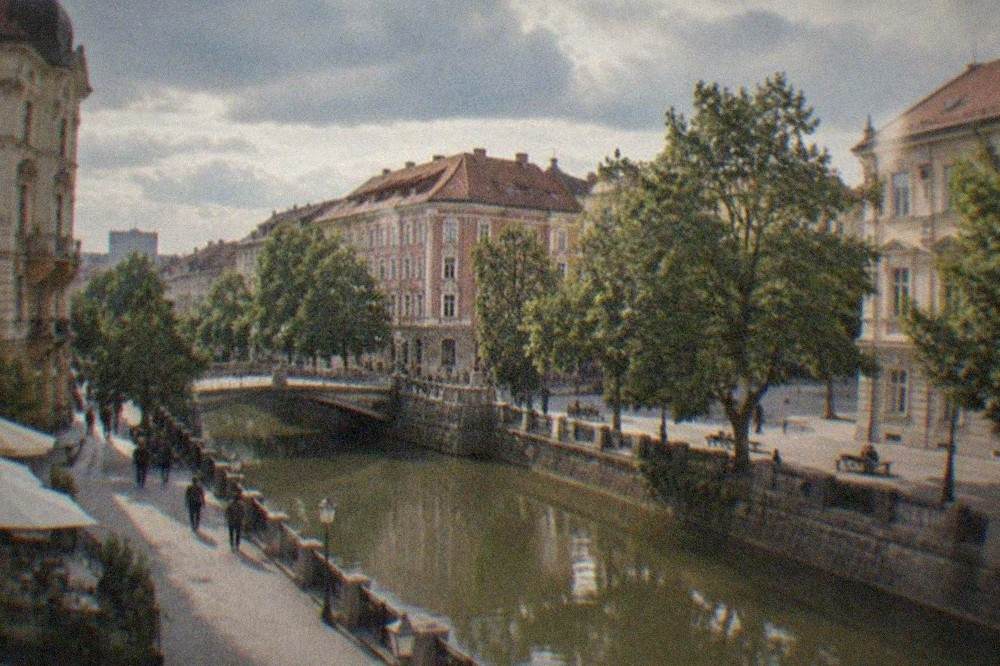
The city is compact, which changes how you plan museum days. Timișoara's core districts, Cetate, Fabric and Iosefin, are flat and connected by tram, so a morning in an art gallery and an afternoon in a village museum on the city's edge are realistic on the same day. This guide covers every museum worth planning around, what each one costs, when each is open, and which ones deserve a half day rather than an hour.
What Are The Best Museums In Timisoara?
The best museums in Timisoara are the Memorial of the 1989 Revolution, which documents the uprising that ended communist rule in Romania, the National Museum of Art inside the Baroque Palace on Piata Unirii, the open-air Banat Village Museum, the Museum of the Banat's heritage collections at Huniade Castle once it reopens, and the two 2026 arrivals: the MIC interactive children's museum in Bastion Maria Theresia and the MINA immersive art space in Iulius Town.
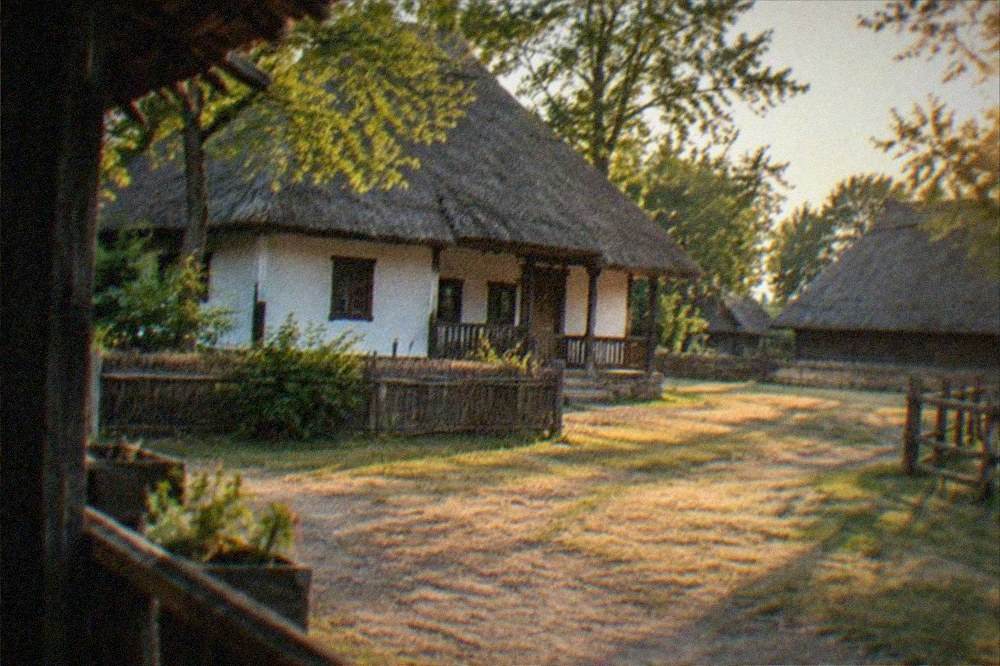
That list covers five centuries and several very different museum experiences. The Memorial is often the most affecting stop, because it tells the story of December 1989 through the belongings and photographs of people who died in the city's streets. The Art Museum holds the region's painting collections in the most beautiful building in the old town. The Village Museum moves you outdoors into a park of relocated Banat farmhouses, churches and windmills.
The newest additions matter too. MIC opened on 16 May 2026 as the first interactive children's museum in western Romania, and MINA opened on 3 April 2026 as an immersive digital art venue. Between them, the Communist Consumer Museum and the Museum of Urban Public Transport cover quirkier ground, though their hours and fees are not officially published, so check before making a special trip.
| Museum | Focus | Setting | Plan for |
|---|---|---|---|
| Memorial of the 1989 Revolution | The December 1989 uprising | Indoor, central Cetate | 1 to 2 hours |
| National Museum of Art | European and Banat art | Baroque Palace, Piata Unirii | 1 to 2 hours |
| Banat Village Museum | Rural architecture and life | Open-air park | 2 to 3 hours |
| MIC | Interactive exhibits for children | Bastion Maria Theresia | 1 to 2 hours |
| MINA | Immersive digital art | Iulius Town | 1 hour |
| Museum of Communist Consumer | Everyday life under communism | Central, small | Under 1 hour |
| Museum of Urban Public Transport | Trams and city transport history | Fabric area | Under 1 hour |
For background on the events the Memorial documents, see the companion guide to Timisoara and the 1989 Revolution.
Where Is The Memorial Of The 1989 Revolution And What Does It Cost?
The Memorial of the 1989 Revolution sits in central Timisoara and charges adults 20 lei, a ticket that covers eight permanent exhibitions, three temporary exhibitions and the screening of the documentary "Noi nu murim"; a separate 20 lei fee applies if you want to take photographs inside. Reported hours are Monday to Friday 08:00 to 17:00 and Saturday to Sunday 10:00 to 18:00, though these are the figures to confirm before a dedicated trip.
Twenty lei is roughly the price of two coffees in the old town, and the ticket buys more than most city museums offer. The permanent exhibitions walk through the timeline of December 1989, when protests in this city spread across Romania and ended the Ceausescu regime. Displays include personal effects, press material and room-scale installations, and the documentary gives the sequence of events a human voice.
The photo fee is worth knowing about in advance. If you plan to photograph the exhibits, tell the staff when you buy your ticket so the 20 lei is added at the desk rather than disputed inside. The Memorial's own site is the authority for current hours, and its contact page lists the fees described here.
Because the story lives in the streets as much as in the building, many visitors pair the Memorial with a guided walk of the Revolution's key sites. The squares where the protests began, Piata Victoriei and the Opera, are a short walk away, and a guide connects the indoor exhibits to the outdoor locations.
The walking tour above is built around exactly this history. It runs at a relaxed pace and spends its time on the places the Memorial's exhibitions refer to, from the parish where the protests started to the balconies the crowd faced. For travelers who want the story but not a group format, the Memorial alone still delivers a full picture.
What Can You See At The National Museum Of Art In Timisoara?
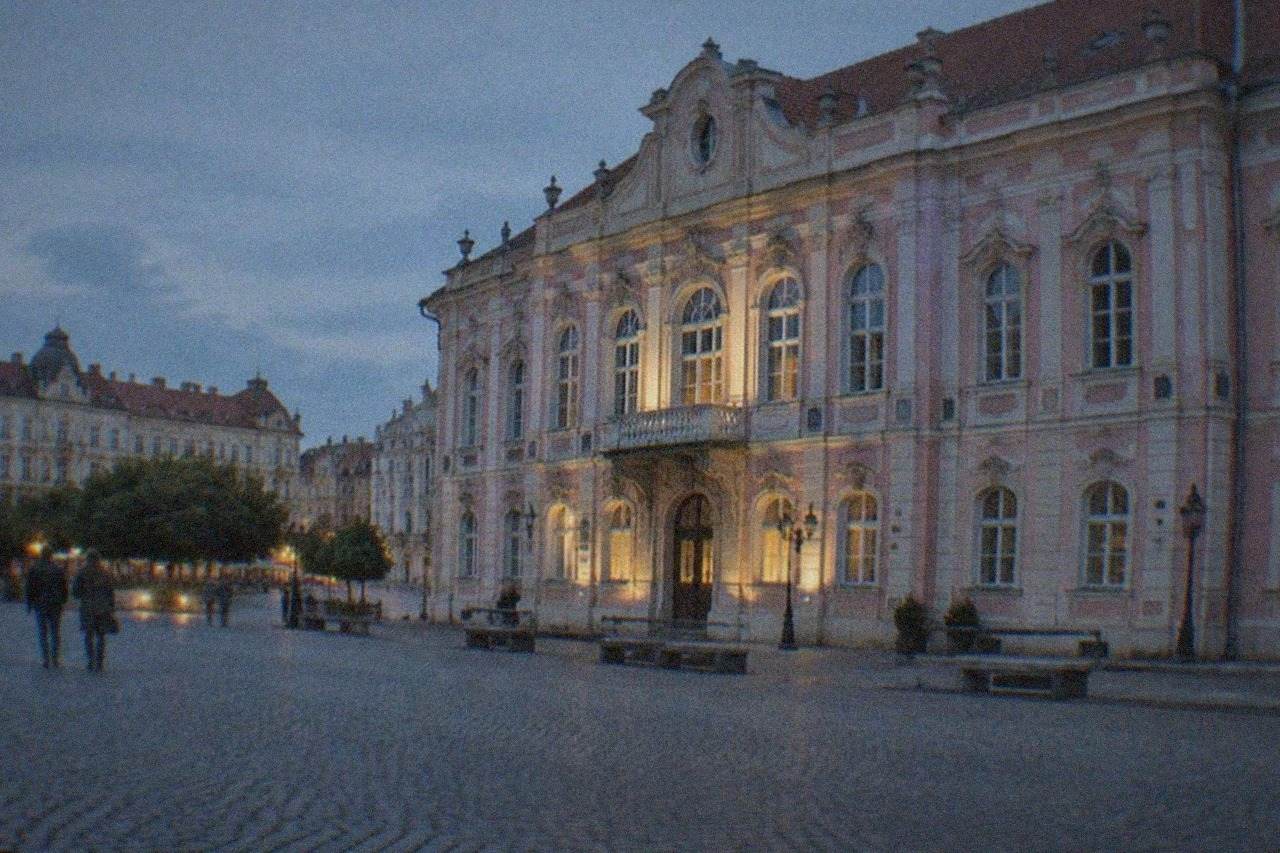
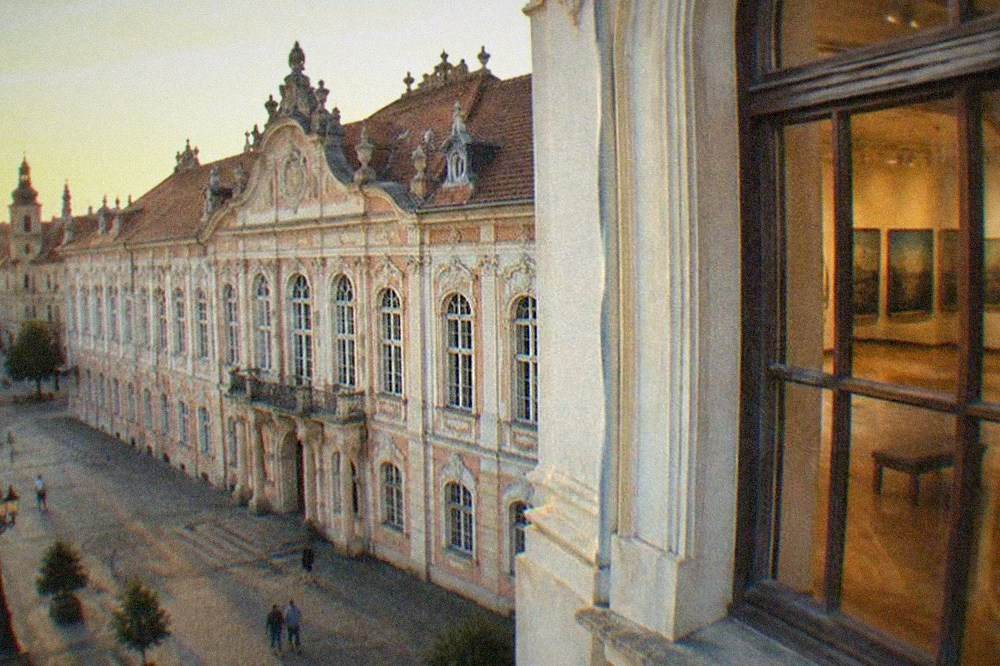
The National Museum of Art occupies the Baroque Palace on Piata Unirii and is open Wednesday to Sunday, with summer hours (1 June to 30 September) of 13:00 to 21:00 and winter hours (1 October to 31 May) of 10:00 to 18:00, closed on Mondays, Tuesdays and public holidays; a guided tour costs 175 lei per group, and the standard adult ticket price is not published in the museum's own visitor information.
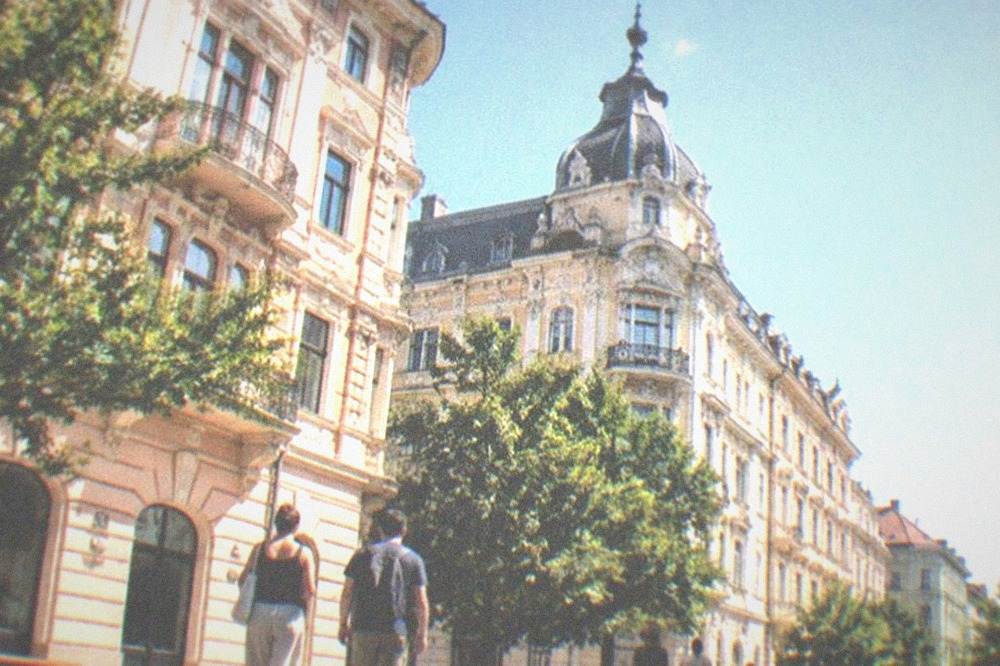
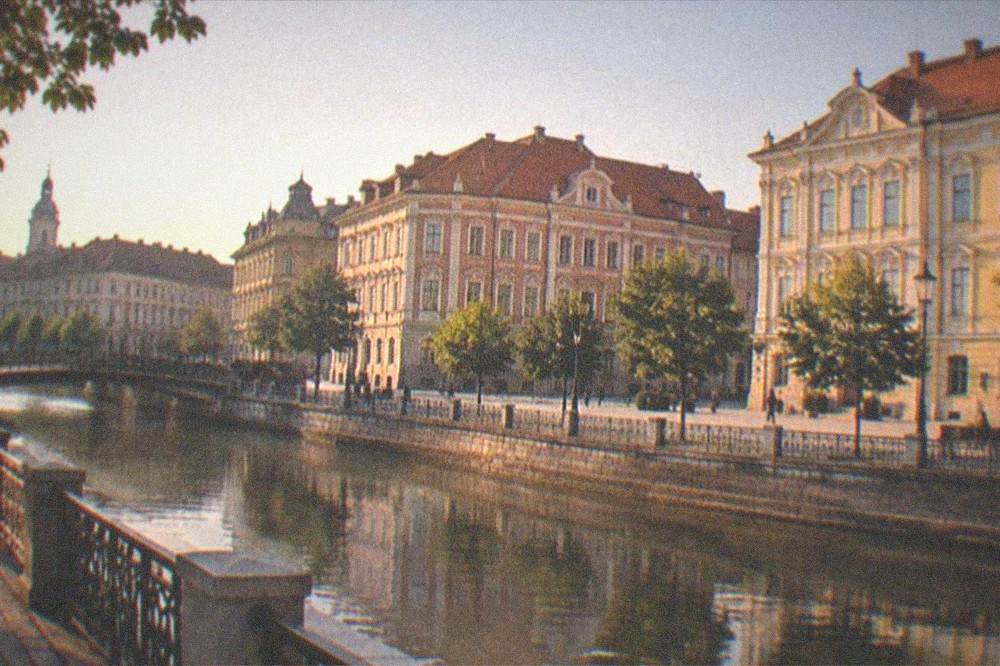
The building alone justifies the visit. The Baroque Palace anchors the city's most photographed square, and its galleries hold European painting, decorative arts and a strong collection of Banat works. The late opening hours in summer are a genuine planning advantage: on a 13:00 to 21:00 schedule you can spend the afternoon outdoors and still see the collection in the evening.
Two practical notes. First, the museum closes two weekdays, Monday and Tuesday, which catches a lot of visitors who leave it for the end of their trip. Second, the guided tour fee is per group rather than per person, so for a family or a group of friends it can work out cheaper than expected, and it needs arranging with the museum.
The museum has also been in the local news for its building: the Timis County Council announced in March 2026 that it is preparing a full rehabilitation of the palace, estimated at around 9 million euros, while keeping the museum open and active. Major exhibitions have continued through the works planning, including a Pompeii-themed show that ran from late November 2025 into early May 2026.
If your visit falls on a Monday or Tuesday, swap the Art Museum for the Memorial, which opens every day, and save the palace galleries for later in the week. For how the rest of the city fits together, the getting around Timisoara guide covers the trams and tickets you will use between museums.
Is Huniade Castle Open In Timisoara?
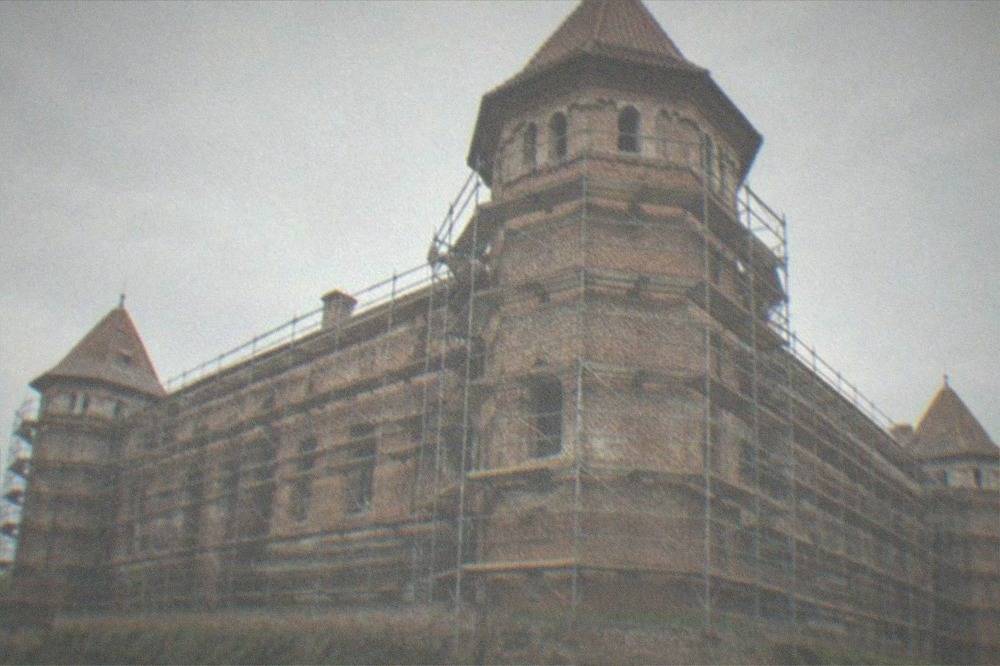
Huniade Castle, the historic seat of the National Museum of Banat, is not open: it has been closed to the public for roughly twenty years, and a restoration contract signed in August 2025 targets a partial reopening in early 2027 and a full reopening in 2028, so travelers visiting in 2026 should plan around the closure rather than expect to go inside.
This is the single most common museum planning mistake in Timisoara. The castle is the city's oldest secular building, and its silhouette appears in every guidebook, so visitors assume it is a working museum. It is a construction site. The restoration, valued at roughly 125 to 150 million lei, began after the August 2025 contract signing, and archaeological work during the project has uncovered medieval walls, which is part of why the timeline stretches to 2028.
There is still something to see. The exterior and the surrounding park are walkable, and the castle sits near the Bega canal, close to the city center. The National Museum of Banat's collections, meanwhile, are not lost: other Banat museum sites in the city, including the Art Museum and the Village Museum, carry the region's heritage in the meantime.
The closure is a reason to shift time to the venues that are open. The 2026 openings, MIC and MINA, plus the Memorial and the Art Museum, more than fill the gap for a two or three day visit.
What Are The New Museums In Timisoara In 2026?
Two new museums opened in Timisoara in 2026: MIC, an interactive children's museum of roughly 400 square meters that opened on 16 May 2026 inside Bastion Maria Theresia, and MINA, a permanent immersive digital art venue that opened on 3 April 2026 in the UBC0 parking building at Iulius Town, both adding museum types the city had never had before.
MIC is the bigger deal for families. It is the first new children's museum in the city in decades, with hands-on installations built around city themes and aimed at ages from about 10 months to 14 years. Its location inside the old bastion is a nice touch: children play inside a fragment of the eighteenth-century fortress while learning about the city around them. Everything else covered here is indexed on Timisoara Travel Guide.
MINA brings large-scale projection art to western Romania. The venue runs multisensory shows on big walls, the format familiar from immersive art spaces in other European cities, and it sits inside the Iulius Town complex, so it pairs naturally with shopping, food or the park there rather than being a standalone destination.
A third heritage story rounds out the picture: the Cetate Synagogue's restoration was reported to be near completion in December 2025, with the last interior works underway and public events, including a Hanukkah lighting, already held in the building. It is a heritage site more than a museum, but it belongs in any conversation about the city's renewed cultural spaces.
How Much Do Timisoara Museums Cost And When Are They Open?
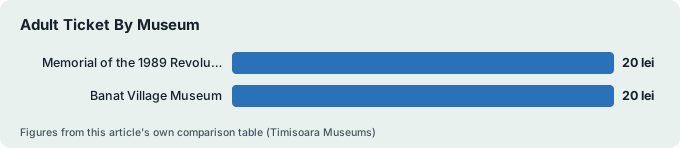
Confirmed museum prices in Timisoara are low by European standards: the Memorial of the 1989 Revolution charges 20 lei for adults, the Banat Village Museum's reported adult ticket is 20 lei, and the Art Museum's guided tour is 175 lei per group, while opening schedules vary sharply by museum, with the Art Museum closed Monday and Tuesday, the Village Museum closed Monday and Tuesday, and the Memorial open daily.
The table below pulls together every figure that is actually sourced. Where a price or schedule is not officially published, the table says so rather than guessing, because a museum closed on the day you show up is the most expensive ticket of all.
| Museum | Adult ticket | Reported hours | Closed |
|---|---|---|---|
| Memorial of the 1989 Revolution | 20 lei (plus 20 lei photo fee) | Mon-Fri 08:00-17:00, Sat-Sun 10:00-18:00 (reported) | Open daily |
| National Museum of Art | Not published in visitor info; guided tour 175 lei per group | Summer: Wed-Sun 13:00-21:00; winter: Wed-Sun 10:00-18:00 | Mon, Tue, holidays |
| Banat Village Museum | 20 lei (reported) | Wed-Sat 10:00-18:00, Sun 12:00-20:00 | Mon, Tue |
| Huniade Castle | Closed | Closed for restoration | Reopening targeted 2027-2028 |
| MIC | Not published | Check before visiting | Not stated |
| MINA | Not published | Check before visiting | Not stated |
| Museum of Communist Consumer | Not published | Not published | Unknown |
| Museum of Urban Public Transport | Not published | Not published | Unknown |
Notice the pattern: Monday and Tuesday are the weak days. If your trip starts on a Monday, plan the Village Museum and Art Museum for Wednesday onward and use Monday for the Memorial or the outdoor squares. For what things cost beyond museum doors, the Timisoara cost and prices guide covers meals, transport and accommodation, and the Romanian currency guide explains how the leu works in practice.
Which Timisoara Museums Are Best For Families And Rainy Days?
For families, the standout is MIC inside Bastion Maria Theresia, an interactive museum built for children from about 10 months to 14 years, followed by the Banat Village Museum, whose open-air lanes and historic buildings work well for kids who need space; for rainy days, the Memorial of the 1989 Revolution, the National Museum of Art and MINA are all fully indoor and central enough to reach quickly by tram.
Rain matters here more than visitors expect. The JMA climate normals for the city's weather station show June as the wettest month at 79.1 mm and precipitation in every single month of the year, so a wet afternoon is a normal Timisoara afternoon, not bad luck. The good news is that the indoor options cluster in and around Cetate, and a single 5 lei ticket covers 60 minutes on any combination of trams, trolleybuses and buses.
The pairing that works best on a grey day is the Memorial plus the Art Museum. They sit a short walk apart, they cover opposite emotional registers, and the Art Museum's evening hours in summer mean you can duck in after the rain clears. MINA is the third indoor option, and its location in Iulius Town means a food court and covered mall are attached.
For families, a different logic applies. The Village Museum rewards a dry afternoon, MIC absorbs children for hours regardless of weather, and the Timisoara with kids and rainy day in Timisoara pages extend both plans with non-museum options.
Can You Visit Timisoara's Museums On Foot?
Yes, most of them: the Memorial, the National Museum of Art, the Communist Consumer Museum and the Museum of Urban Public Transport all sit in or near the walkable Cetate and Fabric districts, and MIC is inside Bastion Maria Theresia on the edge of the center, leaving only the Banat Village Museum and MINA at Iulius Town as the two that usually justify a tram ride.
The geography is simple. The old town's museums sit within a few blocks of Piata Unirii and Piata Victoriei, and the whole core is flat. A realistic walking day links the Art Museum in the morning, the Memorial at midday, and the bastion area, where Theresia Bastion's surviving walls now house commercial and cultural spaces, in the afternoon.
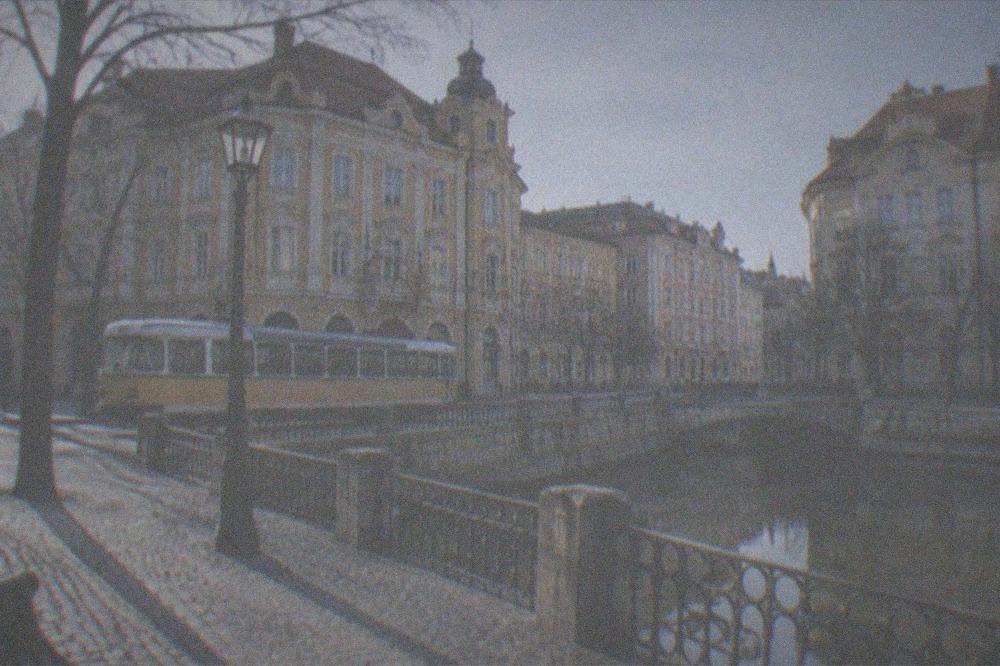
The two outliers are easy by tram. The Village Museum sits in a park on the city's edge and is served by the city's tram and bus network, and Iulius Town, where MINA lives, is a major transport hub in its own right. A 5 lei single ticket covers 60 minutes including transfers, and a day pass at 18 lei covers unlimited rides, details covered in the getting around Timisoara guide.
Two of the city's museum experiences are actually guided walks rather than buildings. A themed walking tour of the Revolution sites turns the whole center into an open-air museum, and the general highlights walk covers the same squares with the museum stops built in.
The Revolution walk above is the one most worth booking for museum-minded travelers, because it gives the Memorial's exhibits their street-level context. If you would rather start with the city in general, the classic highlights walk covers the squares and the main landmarks.
And for a shorter, cheaper introduction, the weekly scheduled English-language walk runs on a fixed timetable, which suits solo travelers who want a group without organizing one.
How Do You Fit Timisoara's Museums Into A Short Trip?
A two-day plan covers the essentials: day one pairs the National Museum of Art with the Memorial of the 1989 Revolution and a Revolution-themed walk in central Cetate, while day two takes the tram to the Banat Village Museum in the morning and ends at MINA in Iulius Town, with MIC slotted in wherever children are part of the group, and the main constraint to respect is the Monday-Tuesday closures at the Art Museum and the Village Museum.
The sequence matters more than the speed. The Art Museum's summer hours, 13:00 to 21:00, free the morning for outdoor sightseeing, so a summer day can start in the squares, move indoors during the hot afternoon, and finish with the collection in the evening. The Village Museum, being open-air, is the opposite: it earns its morning slot before the park heats up.
Here is a compact two-day framework.
| Slot | Day 1 | Day 2 |
|---|---|---|
| Morning | Piata Unirii and the old town squares | Banat Village Museum |
| Midday | Memorial of the 1989 Revolution | Lunch at Iulius Town |
| Afternoon | National Museum of Art (opens 13:00 in summer) | MINA immersive art |
| Evening | Dinner in Cetate | MIC (families) or old town walk |
If you have three days or more, add the quirkier stops, the Communist Consumer Museum and the Public Transport Museum, and consider a day trip. The Banat region beyond the city holds more than any urban museum can, and the Banat region guide covers what is reachable in a day.
Common Questions About Timisoara Museums
How many museums does Timisoara have?
Timisoara has around seven to eight museum experiences depending on how you count: the Memorial of the 1989 Revolution, the National Museum of Art, the Banat Village Museum, the Museum of Communist Consumer, the Museum of Urban Public Transport, the new MIC children's museum and MINA immersive art, plus the Huniade Castle collections once the building reopens, targeted for partial reopening in 2027.
Is Huniade Castle open to visitors?
No. Huniade Castle has been closed to the public for roughly twenty years. A restoration contract signed in August 2025 targets a partial reopening in early 2027 and a full reopening in 2028, so during 2026 only the exterior can be seen.
What is the best museum in Timisoara for the 1989 Revolution?
The Memorial of the 1989 Revolution, which charges 20 lei for adults and covers eight permanent exhibitions, three temporary exhibitions and the documentary "Noi nu murim". Many visitors pair it with a guided walking tour of the Revolution sites in the surrounding streets.
Are Timisoara museums open on Mondays?
Some are, some are not. The Memorial of the 1989 Revolution is reported open daily, but the National Museum of Art is closed on Mondays, Tuesdays and holidays, and the Banat Village Museum is closed on Mondays and Tuesdays. Plan Monday around the Memorial or the city's squares.
Is there a children's museum in Timisoara?
Yes. MIC, the interactive children's museum, opened on 16 May 2026 inside Bastion Maria Theresia, with hands-on installations aimed at ages from roughly 10 months to 14 years. It is the first museum of its kind in western Romania.
How much do museums in Timisoara cost?
Confirmed figures are modest: 20 lei for adults at the Memorial of the 1989 Revolution, a reported 20 lei at the Banat Village Museum, and a 175 lei guided tour per group at the National Museum of Art. Prices for MIC and MINA are not published in the sources used here, so check their listings before visiting.
Timisoara's museums are unusually easy to enjoy: the prices are low, the core venues walk, and the 2026 openings have filled the gap left by Huniade Castle's long closure. Build your visit around the Monday and Tuesday closures, give the Memorial the unhurried hour it deserves, and let a guided walk of the 1989 sites connect the indoor exhibits to the streets where it all happened.