Timisoara Bastion
The Theresia Bastion is the largest surviving piece of Timisoara's Habsburg-era fortress, rebuilt in recent decades into a warren of cafes, shops and cultural spaces at the edge of the Cetate old town.
Short answer
The Theresia Bastion in Timisoara, Romania, is the best-preserved section of the city's 18th-century Austrian fortress, today used as a covered passage of cafes, shops and cultural venues, and home to the MIC children's interactive museum that opened in May 2026.
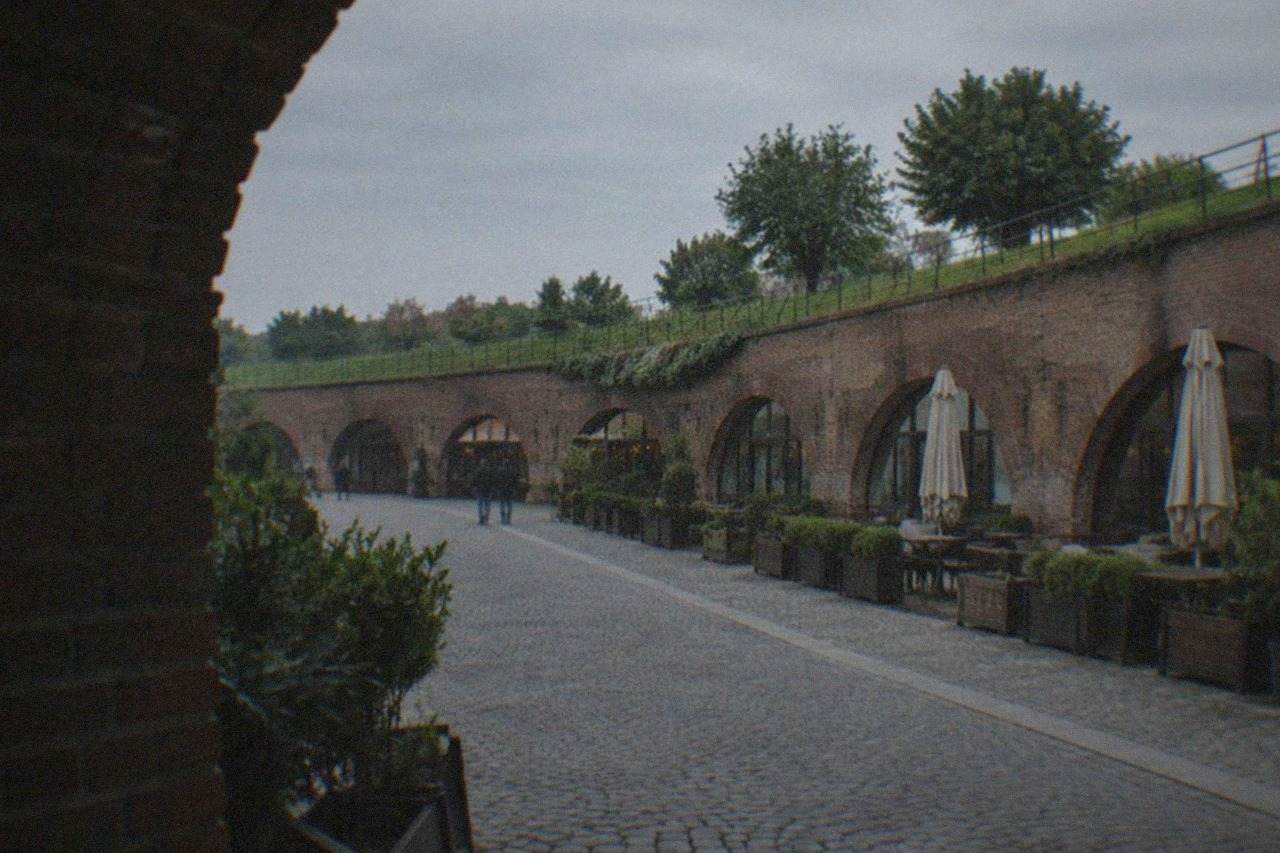
The Theresia Bastion in Timisoara, in the Banat region of western Romania, is the largest surviving fragment of the star-shaped fortress the Habsburgs built around the city after they took it from Ottoman rule in the early 18th century. Where most of Timisoara's walls came down at the end of the 19th century to make way for a modern city, this one bastion stayed, and in the decades since it has been rebuilt into something the original engineers would barely recognize: a covered, brick-vaulted passage of cafes, shops, exhibition spaces and museums, threaded through the old ramparts at the northeastern corner of the Cetate district. Timișoara has folded its most visible piece of military architecture into everyday city life, and that is exactly why it deserves more than a walk-past.
The bastion sits a few minutes' walk from Union Square, between the old town and the Bega canal, which makes it a natural part of any loop through the center. This page covers what the bastion actually is, what you will find inside it today, how to reach it using the city's trams and buses, and what else to pair it with in the surrounding streets. For a wider picture of the city, start with our Timisoara Travel Guide homepage or the root page on things to do in Timisoara.
What Is The Theresia Bastion In Timisoara?
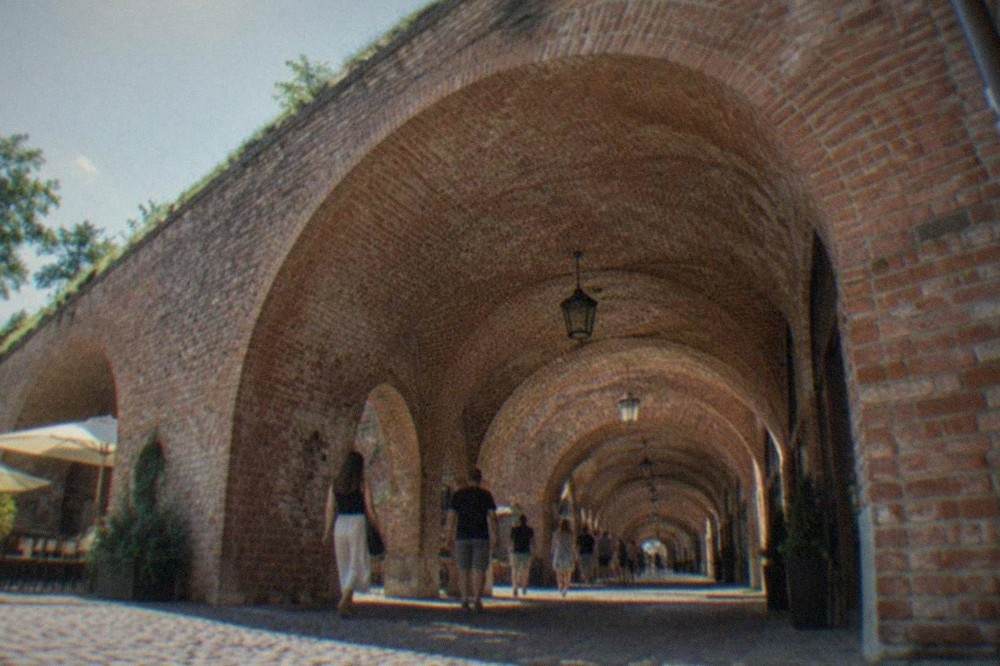
The Theresia Bastion is the largest and best-preserved remaining section of the fortress that encircled Timisoara under Habsburg rule, a brick-built structure with thick walls and vaulted interior spaces that today functions as a public passage rather than a military site. It no longer charges entry as a monument; you simply walk through it, past cafes, shops and cultural venues, and it now also houses the MIC children's interactive museum, which opened in the bastion in May 2026.
To understand the building, it helps to understand what Timisoara was in the 18th century. After the Habsburgs took the city, they rebuilt it as a fortress town on the Bega, with walls, bastions and a canalized river forming its defenses. The city's own "Premierele Timisoarei" list records that the Bega was canalized starting in 1728, making it the first navigable canal in Romania, and that the fortress walls came down from 1899 onward, the same year the city got the first electric tram in the country. The demolition of the walls is why Timisoara's center feels open and European rather than cramped and medieval, and it is also why the Theresia Bastion is special: it is one of the few pieces that survived the clearance.
The structure you see today is the result of a long regeneration rather than a single restoration. The bastion went through restorations in 1968 to 1969 and again in 2008 to 2010, and it was subsequently re-let as commercial and cultural space, with the work continuing. In 2025 the Timis County Council took over administration of the bastion's courtyard and honor court area from the museum in order to run further regeneration studies and projects, so the complex is still being improved. That matters for visitors in a practical way: you should expect scaffolding or closed sections on some visits, and you should not expect a museum-style monument with a ticket desk and a fixed route.
| Fact | Detail |
|---|---|
| Name | Theresia Bastion (Bastionul Maria Theresia) |
| City | Timisoara, Timis County, Banat region, western Romania |
| District | Northeastern edge of Cetate, the old town |
| Original role | Fortress bastion of the Habsburg-era city defenses |
| Current role | Public passage with cafes, shops and cultural venues |
| Newest occupant | MIC children's interactive museum, opened May 2026 |
| Administration | Courtyard and honor court taken over by Timis County Council in 2025 |
| Entry | Walk-through public space, no monument ticket |
What Can You See Inside The Theresia Bastion Today?
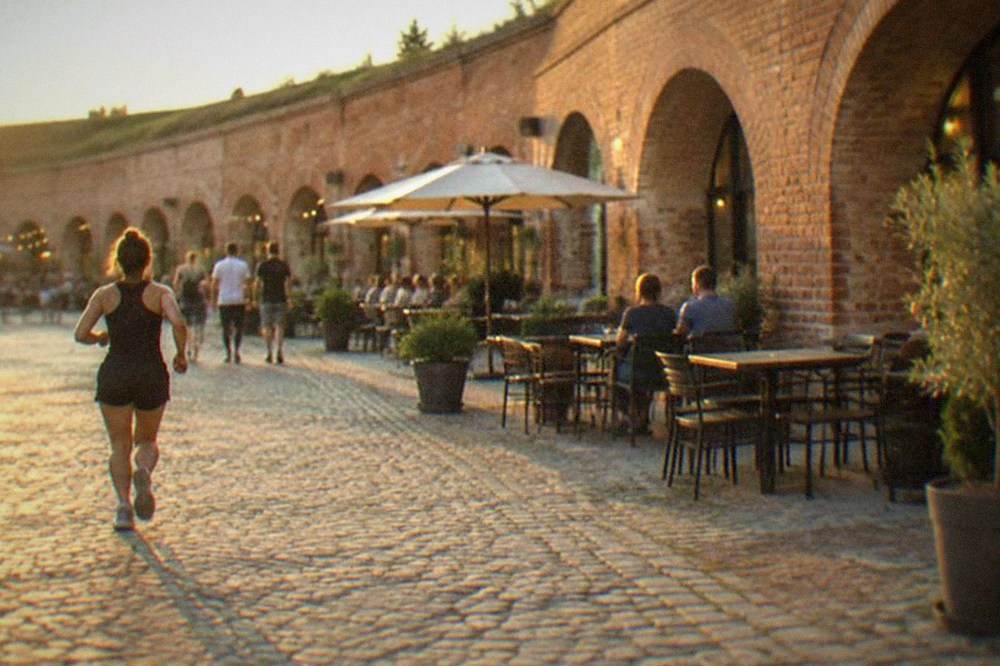
Inside the bastion you will find a covered chain of brick-vaulted rooms and corridors holding cafes, restaurants, shops and cultural spaces, plus the MIC children's interactive museum, which opened in May 2026 as the first new museum for children in western Romania. The complex works as a shortcut and a hangout rather than a single attraction, so the honest answer is that you see the architecture while using the space.
The MIC museum is the headline newcomer. It occupies a permanent space of roughly 400 square meters in the bastion and is built around hands-on, interactive installations on city themes, aimed at children from around 10 months to 14 years old. Local reporting described it as the first interactive children's museum in western Romania and the first new museum for children in the city in decades, which makes the bastion a genuine stop for families rather than just a pretty corridor. If you are traveling with children, pair it with our guide to Timisoara with kids.
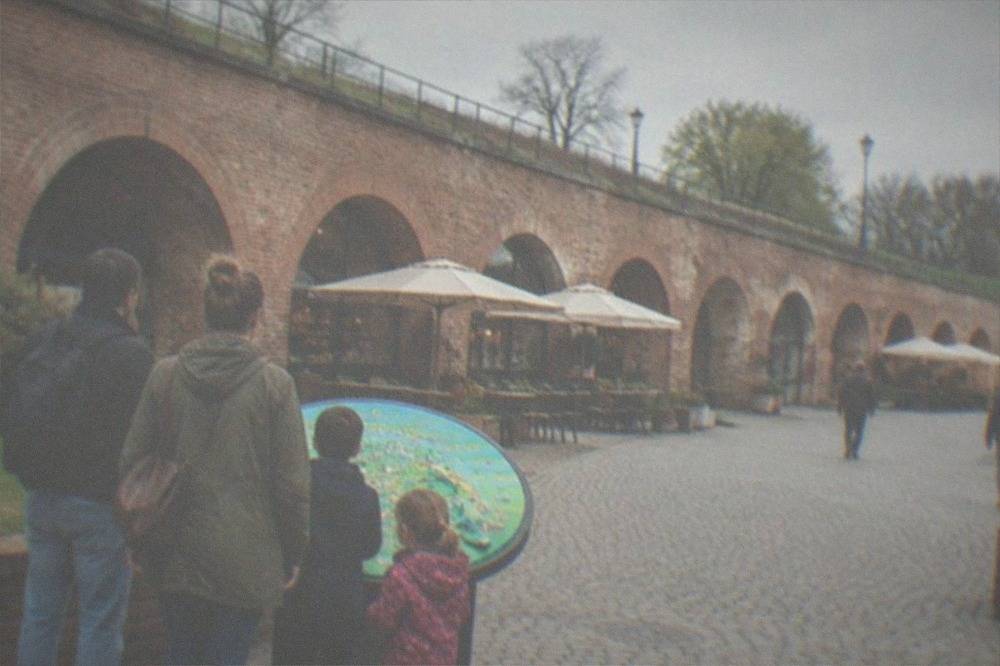
Beyond the museum, the bastion's rooms hold a rotating mix of tenants: coffee shops, restaurants, small retail units, and venues used for exhibitions and events. The city's cultural calendar uses the space, and in autumn 2026 Timisoara is also hosting the Picasso en visite exhibition of 69 works from the Musee Picasso Antibes elsewhere in the city, the first time that collection has come to Romania, alongside the BETA architecture biennial running until around October 25. The bastion is one of several venues that benefit from the city's post-European Capital of Culture momentum, which you can read more about in our piece on Timisoara as European Capital of Culture 2023.
| What You Find Inside | What It Is | Best For |
|---|---|---|
| Covered brick corridors | Vaulted walkways through the old ramparts | Photos, shade, a dry shortcut |
| Cafes and restaurants | Tenanted units inside the bastion walls | A coffee break mid-sightseeing |
| Shops and small retail | Units along the passage | Browsing, souvenirs |
| MIC children's museum | Interactive museum opened May 2026, about 400 sqm | Families with children up to about 14 |
| Cultural and exhibition spaces | Rooms used for events and shows | Checking what is on during your visit |
| The courtyard | Open space administered by the county council since 2025 | Sitting outside in warm months |
A guided walk is the easiest way to put the bastion in context, because the building only makes sense as part of the fortress story. covers the city center and is the natural pairing for the bastion, and gives you a shortlist of the current options for doing the old town with a guide.
How Much Time Should You Spend At The Timisoara Bastion?
Visitors typically spend between 30 minutes and an hour walking the bastion's corridors and courtyard, longer if they stop for a coffee or visit the MIC children's museum with kids. There is no fixed route and no ticket line, so the time you spend is entirely up to you; the bastion rewards a slow loop through the vaulted passages rather than a quick photo from outside.
The practical rhythm is simple. Enter from one end, walk the covered passage, pop into whatever is open, step out into the courtyard, and continue toward the old town or the Bega. Photographers tend to linger: the brick vaults, the arches and the contrast between the military shell and its cafe-life contents are among the more distinctive interiors in the city, and our Timisoara photography spots guide treats it accordingly. If you are combining the bastion with Union Square, Victory Square and the riverside, count on a comfortable half-day for the whole loop.
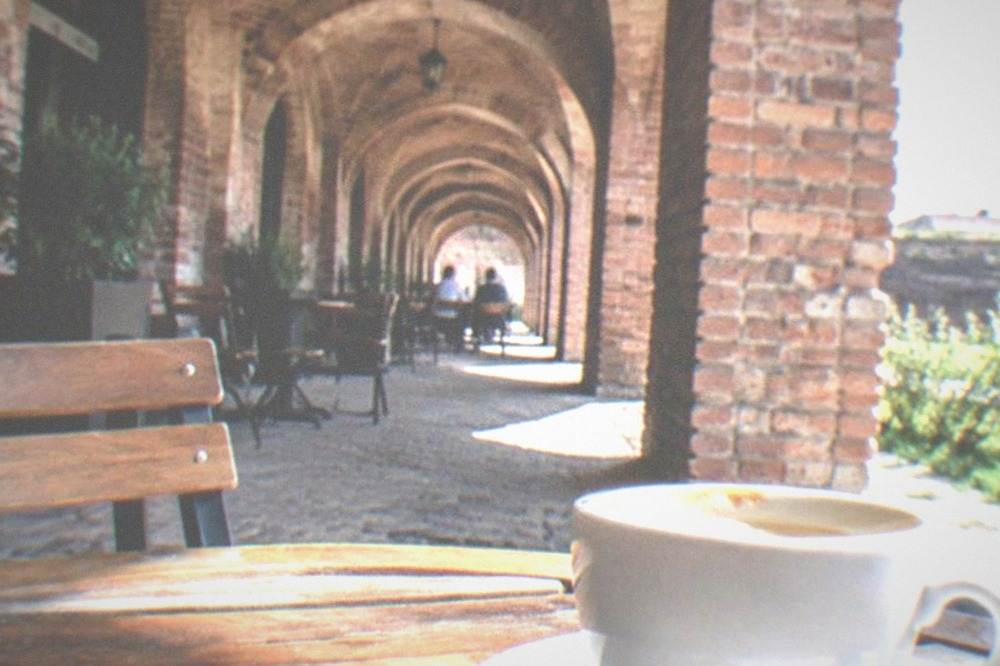
Families should budget differently. The MIC museum's interactive installations are designed for unhurried play, so a visit with children can easily run past an hour on its own. The museum is the reason the bastion has moved up many families' lists, and it is worth checking opening arrangements before you build a tight itinerary around it, since the venue is new and its schedule may still be settling in.
| Visitor Type | Suggested Time | Why |
|---|---|---|
| Quick walk-through | 20-30 minutes | One pass along the covered passage and courtyard |
| Standard visit | 45-60 minutes | Corridors, courtyard, a coffee stop |
| Photography-focused | 60-90 minutes | Waiting for empty frames in the vaults |
| Families with children | 90+ minutes | The MIC museum adds a full activity block |
Where Is The Theresia Bastion And How Do You Get There?
The Theresia Bastion stands at the northeastern edge of the Cetate old town in Timisoara, a short walk from Union Square and close to the Bega canal, so on foot from the center you reach it in minutes. If you are coming from farther out, the city's trams and buses serve the area, and a single 60-minute STPT ticket costs 5 lei, with a one-day pass at 18 lei covering all modes including the Bega vaporetto.
Walking is the default. The bastion sits between the old town and the canal, and the surrounding streets of Cetate are flat and compact, so from Union Square or Victory Square you simply head toward the river and you will run into it. If you are using public transport, the STPT network of trams, trolleybuses, buses and express lines covers the whole city, and the operator's tariff page lists the current fares: 5 lei for a 60-minute single ticket, 18 lei for a day pass, 160 lei for a 30-day general pass. You can pay with a contactless bank card on board, an e-wallet card, SMS, mobilPay, eTicket or STPT kiosks, and live arrivals are available at the operator's live site.
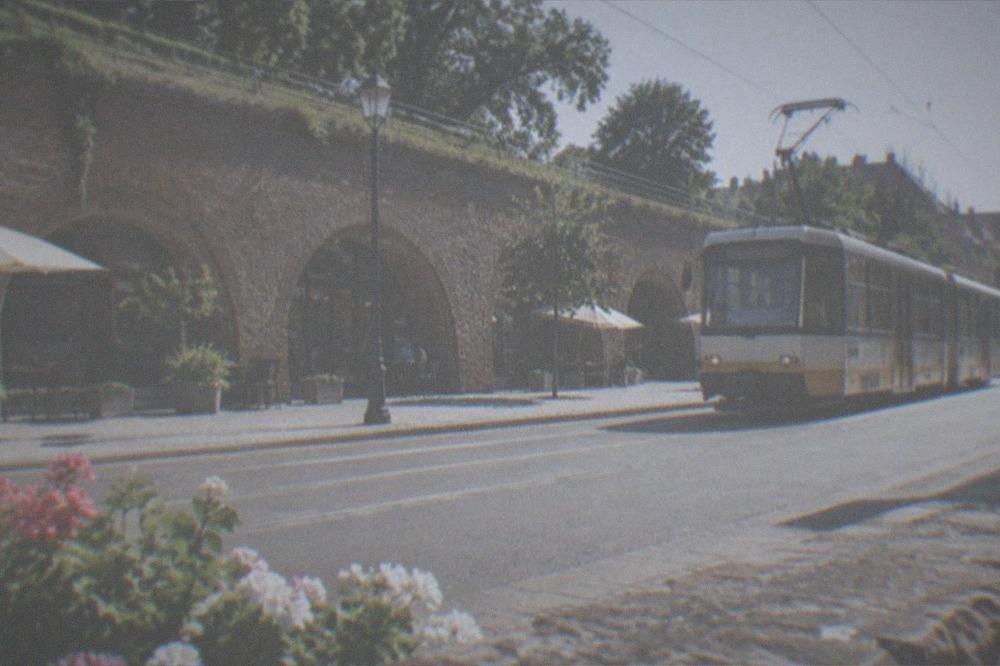
One caveat worth knowing before you plan a tram-dependent route: the network is under constant works, and Piata Traian is closed to trams from August 2026 to the end of 2026, with several lines diverted. Check the STPT alerts before you lock in a plan. Our getting around Timisoara guide covers the whole system, including the seasonal vaporetto water bus on the Bega, which runs from April 1 to the end of October with nine stops per direction and costs 5 lei, the same as a land ticket.
| Transport Option | Fare | Notes |
|---|---|---|
| 60-minute single ticket | 5 lei | Valid on all modes, including the vaporetto |
| One-day pass | 18 lei | All modes, best for a full day of sightseeing |
| 30-day general pass | 160 lei | Only relevant for long stays |
| Contactless bank card | On board | POS terminals in vehicles |
| Vaporetto on the Bega | 5 lei | Seasonal, April 1 to end of October, 9 stops per direction |
If you would rather have someone else handle the route and the history at once, is one of several guided options that thread the old town's landmarks together, and lets you book the downtown walk directly.
What Is The History Behind The Timisoara Bastion?
The bastion belongs to the fortress Timisoara became after the Habsburgs took the city from Ottoman rule in the early 18th century, when the new administration rebuilt the settlement with walls, bastions and the canalized Bega, the first navigable canal in Romania according to the city hall's own list of the city's firsts. Most of those walls were demolished from 1899 onward, which is why the Theresia Bastion stands out as the largest piece that survived.
The city hall's "Premierele Timisoarei" list, verified in its economic report, gives the timeline that frames the bastion. The Bega's canalization began in 1728. The city had lamp-lit streets by 1760, the first in the Habsburg monarchy to have them, and gas street lighting by 1855. The decision to demolish the fortress walls came in 1892, and demolition started in 1899, the same year the first electric tram in Romania began running in the city. In other words, the bastion you walk through today is a survivor of the very modernization that made Timisoara famous: the city tore down its walls to build the open, boulevard-lined center that visitors now come for.
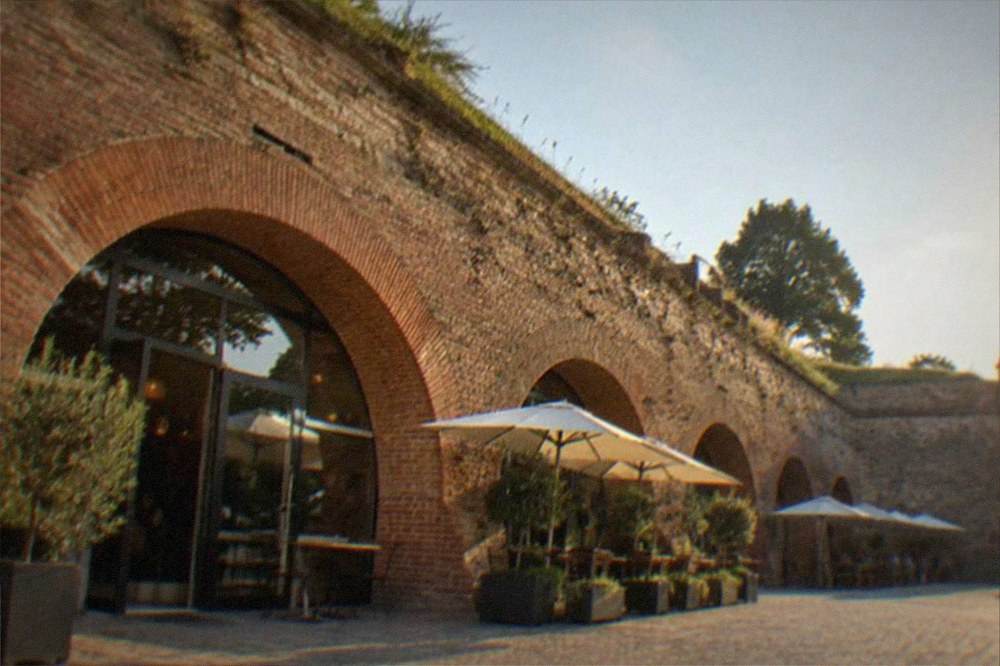
The building's second life is more recent. After decades of decline, the bastion was rebuilt as commercial and cultural space, and its regeneration is still managed actively: the Timis County Council took over administration of the courtyard and honor court from the museum in 2025 specifically to push further studies and projects. There are also plans elsewhere in the city to rehabilitate another surviving segment of the old fortress wall near the Botanical Park and turn it into a community art gallery, which tells you how the city now treats these fragments: not as ruins but as usable public space. Our Timisoara history guide carries the longer story, including the city's role in the 1989 Revolution.
| Year | Event Relevant to the Bastion |
|---|---|
| Early 18th century | Habsburgs take Timisoara and rebuild it as a fortress city |
| 1728 | Canalization of the Bega begins, the first navigable canal in Romania |
| 1892 | Decision taken to demolish the fortress walls |
| 1899 | Wall demolition begins; first electric tram in Romania starts running |
| 1968 to 1969, 2008 to 2010 | The surviving bastion undergoes restoration |
| Recent decades | Rebuilt as a passage of cafes, shops and cultural venues |
| 2025 | County council takes over the courtyard and honor court for regeneration |
| May 2026 | MIC children's interactive museum opens inside the bastion |
When Is The Best Time To Visit The Theresia Bastion?
The best time to visit the Theresia Bastion is between late spring and early autumn, when Timisoara's mean temperatures run from about 17 C in May to 22.8 C in July and the courtyard is pleasant for sitting outside, though the covered corridors make the bastion a genuinely usable stop in any weather. July is the warmest month on the climate normals, January the coldest at 0.0 C, and June is the wettest at 79.1 mm of rain.
The climate data comes from the JMA/WMO CLIMAT normals for Timisoara station 15247, and it shapes the visit more than you might expect. Because the interior passage is covered, the bastion is one of the city's better rainy-day options; our rainy day in Timisoara guide lists it for exactly that reason. In summer, the vaults stay cooler than the open squares, and in winter the passage is a warm link between the old town and the riverside. The one seasonal note that matters for the wider area is that the vaporetto on the Bega only runs from April 1 to the end of October, so a bastion-plus-river combination only works in those months.
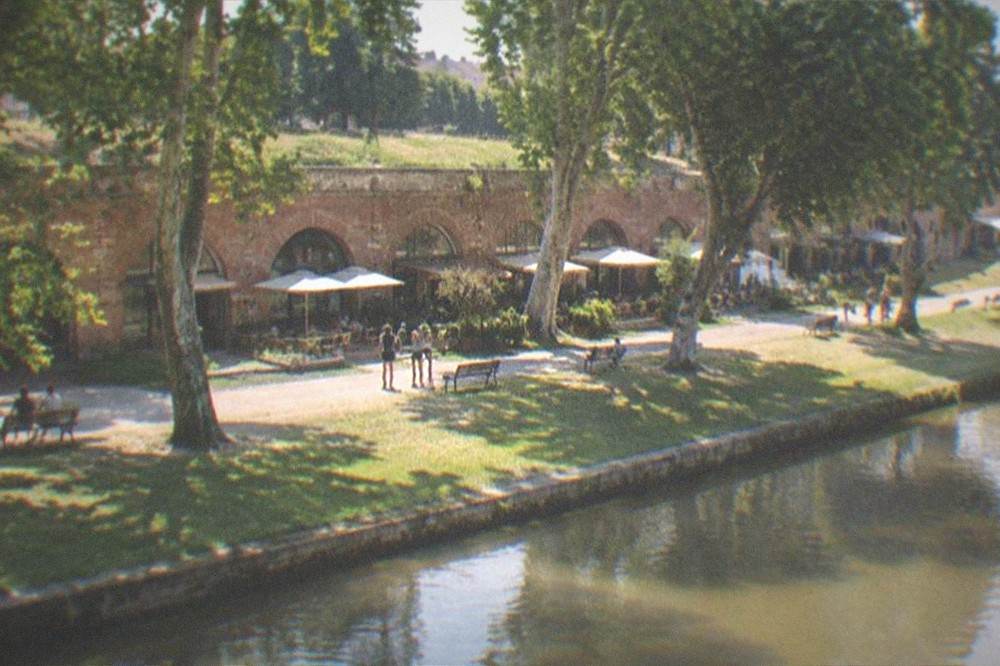
Crowd-wise, the city's own numbers are worth knowing. Timisoara recorded 285,190 tourist arrivals in 2024 and 296,199 in 2025, up 3.86 percent, with an average stay of about 1.83 days, and the tourist information center reported that roughly 70 percent of the visitors it counseled were international. The city was also named Romania's Destination of the Year 2026 at a gala in May 2026. None of that makes the bastion crowded in the museum sense, but it does mean the cafes and courtyard fill up on weekend afternoons in the warm months; mornings are quieter. For month-by-month detail, see our Timisoara weather by month guide.
| Month | Mean Temp (C) | Precip (mm) | Bastion Notes |
|---|---|---|---|
| January | 0.0 | 37.3 | Covered corridors make a cold-day walk viable |
| March | 6.5 | 34.1 | Driest month of the year |
| May | 17.3 | 57.2 | Courtyard season begins |
| June | 20.9 | 79.1 | Wettest month; the vaults stay dry |
| July | 22.8 | 61.9 | Warmest month; interiors stay cool |
| September | 17.2 | 50.4 | Comfortable walking weather |
| December | 1.5 | 44.7 | Near the Christmas market season |
What Else Should You See Near The Theresia Bastion?
The bastion sits within a five-to-ten minute walk of Union Square, Victory Square, Liberty Square and the Bega canal, so the natural plan is to fold it into a loop of the Cetate old town rather than treat it as a standalone destination. Nearby highlights include the National Museum of Art in the Baroque Palace, the Serbian Orthodox Cathedral, St George's Roman Catholic Cathedral and the riverside promenade.
Start with Union Square, the baroque heart of the old town, where the National Museum of Art, the Serbian Orthodox Cathedral and St George's Cathedral all face the same open space. From there, the bastion is a short stroll toward the river, and the Bega canal promenade connects you onward to the Metropolitan Orthodox Cathedral and Victory Square on the far side. Our Union Square guide and our Victory Square guide cover both squares in detail, and the Bega canal page handles the riverside walk.
| Nearby Sight | Direction From the Bastion | Type |
|---|---|---|
| Union Square (Piata Unirii) | Southwest, a few minutes' walk | Baroque square, museums, cathedrals |
| Liberty Square (Piata Libertatii) | South, between the main squares | Historic square |
| Victory Square (Piata Victoriei) | South, across the river | Ceremonial square, Opera |
| Bega canal promenade | Immediately north | Riverside walk, vaporetto stops |
| National Museum of Art | At Union Square | Art museum in the Baroque Palace |
| Metropolitan Orthodox Cathedral | Near Victory Square | Landmark cathedral |
For a deeper cut, the Memorial of the 1989 Revolution museum sits in the old town as well and is the city's most important single site for understanding modern Romanian history, with an adult ticket of 20 lei covering the permanent and temporary exhibitions plus a documentary screening. The bastion, the squares and the memorial together make a coherent half-day, and a guide ties the threads together; is one option for doing that at your own pace, and rounds up the current shortlist.
Common Questions About The Theresia Bastion
Is there an entrance fee for the Theresia Bastion in Timisoara?
The bastion itself is a public walk-through space with no monument ticket; you pay only for what you consume inside, such as food, drinks or the MIC children's museum. Treat it as a passage and a courtyard rather than a gated attraction.
What is inside the Theresia Bastion?
A covered chain of brick-vaulted corridors holding cafes, restaurants, shops and cultural venues, plus the MIC children's interactive museum, which opened in the bastion in May 2026 with hands-on installations on city themes for children up to about 14.
How far is the Theresia Bastion from Union Square?
The bastion stands at the northeastern edge of the Cetate old town, a few minutes' walk from Union Square, between the old town and the Bega canal. No transport is needed from the center.
Is the Theresia Bastion good for children?
Yes. Since May 2026 it houses the MIC children's interactive museum, roughly 400 square meters of hands-on installations aimed at ages from about 10 months to 14 years, the first museum of its kind in western Romania.
Is the Theresia Bastion open in winter?
The covered interior corridors make the bastion a workable stop in any season, including the cold months when January's mean temperature sits at 0.0 C. Individual venues inside keep their own hours, so check anything specific before you go.
Why is it called the Theresia Bastion?
The name comes from the Habsburg fortress period, when the bastion formed part of the star-shaped defenses built after the Habsburgs took the city in the early 18th century. It is the largest surviving section of those walls, most of which were demolished from 1899 onward.