Timisoara Food
Timisoara sits in the Banat plain of western Romania, a region where Romanian, Hungarian, German and Serbian kitchens have shared one table for three centuries, and this guide covers what to order, what it costs and how the city eats.
Short answer
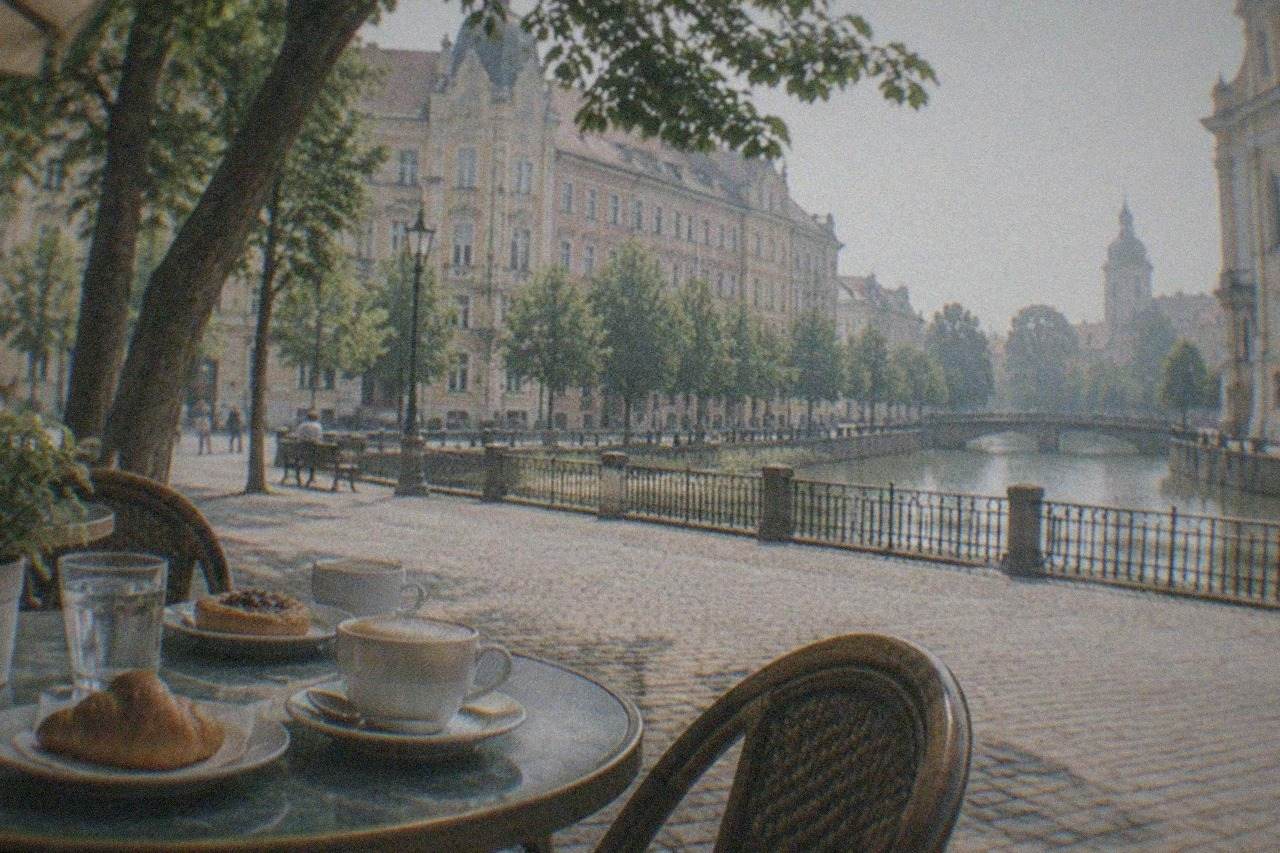
Timisoara's food is Banat cuisine: hearty Central European dishes such as goulash, sarmale and paprikash, eaten inexpensively in lei, with strong local beer, Banat wine and the city's own coffee-house culture.
Timisoara, in Timis County in the Banat region of western Romania, eats differently from the rest of the country, and the difference is the point. Under its Hungarian name, Temesvár, and its German name, Temeswar, the city spent centuries as a Habsburg provincial capital, and the food still shows it: paprika and sour cream from the Hungarian kitchen, sausage and pastry traditions from the Swabian Germans who farmed the surrounding plain, and a layer of Serbian and Romanian cooking on top. The result is a dining scene that costs less than Western Europe, runs on the Romanian leu rather than the euro, and rewards anyone who orders the regional dishes instead of the international defaults.
This guide from Timisoara Travel Guide covers what to order, what a meal realistically costs, how the drinks culture works, and how a guided food walk or a winery visit fits into a short stay. It sticks to dishes, customs and verified price ranges, because no individual restaurant's menu was checked, and menus in Timisoara change often anyway.
What Food Is Timisoara Known For?
Timisoara is known for Banat cuisine, a Central European regional cooking built on goulash, paprikash, stuffed cabbage rolls called sarmale, pork stews and dumplings, seasoned with paprika and finished with sour cream, a legacy of the Hungarian, Swabian German, Serbian and Romanian communities that have shared the city for three centuries. It is hearty, meat-forward food, and the local versions are distinct from the Transylvanian and southern Romanian dishes most guidebooks describe.
The Banat was a frontier province of the Habsburg Empire, and its kitchen absorbed everything that passed through. Hungarian influence shows up as goulash, paprikash and langos-style fried dough; the Swabian settlers who arrived in the eighteenth century left sausages, smoked meats and strudel; Serbian families contributed grilled meat traditions from just across the border; and Romanian cooking anchors it all with sarmale, polenta (mamaliga) and ciorba, the sour soup that opens most local lunches. A ciorba is not a Western soup: it is soured with fermented wheat bran or lemon, it is meant to be sharp, and locals often drink it from the bowl edge once the solid part is gone.
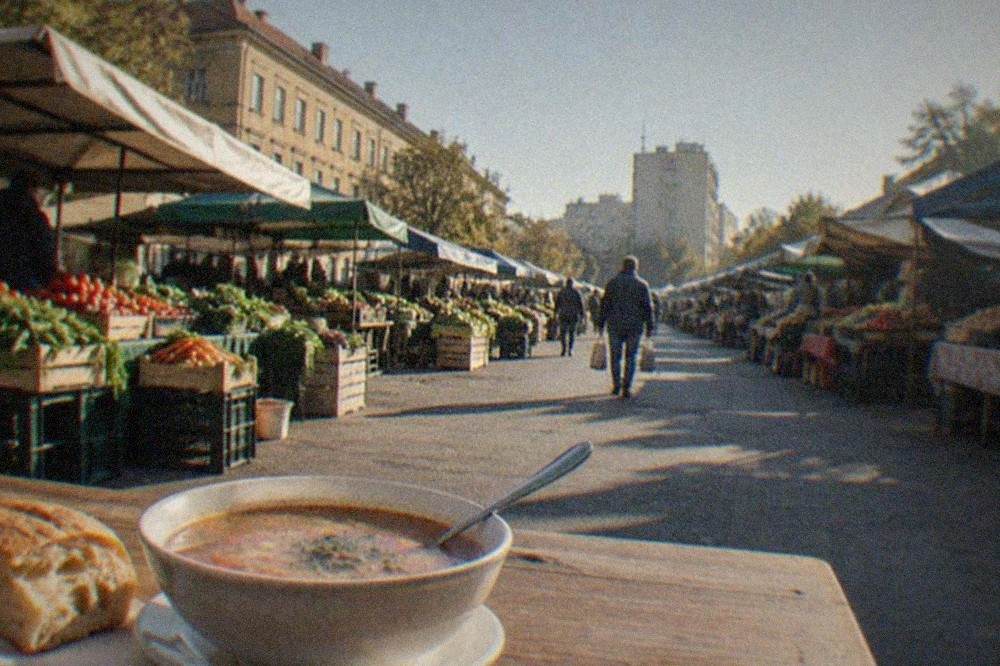
Ordering is straightforward once you know the vocabulary. "Felul intai" is the first course, usually the ciorba; "felul doi" is the main; and garnishes are listed separately, so a "snitel" arrives with your choice of side. Portions are large by Western European standards, and a two-course lunch is the normal midday meal rather than a special occasion. Tipping is modest: rounding up or leaving roughly ten percent is the local custom, and it is always in cash, in lei.
| Dish | What it is | How to order it |
|---|---|---|
| Ciorba de perisoare | Sour soup with small meatballs, soured with fermented bran | Ask for it "acrisoara", extra sour, if you like the sharp version |
| Gulas (gulyas) | Pork or beef stew with paprika, potato and caraway | Often listed as a main; comes with bread, not rice |
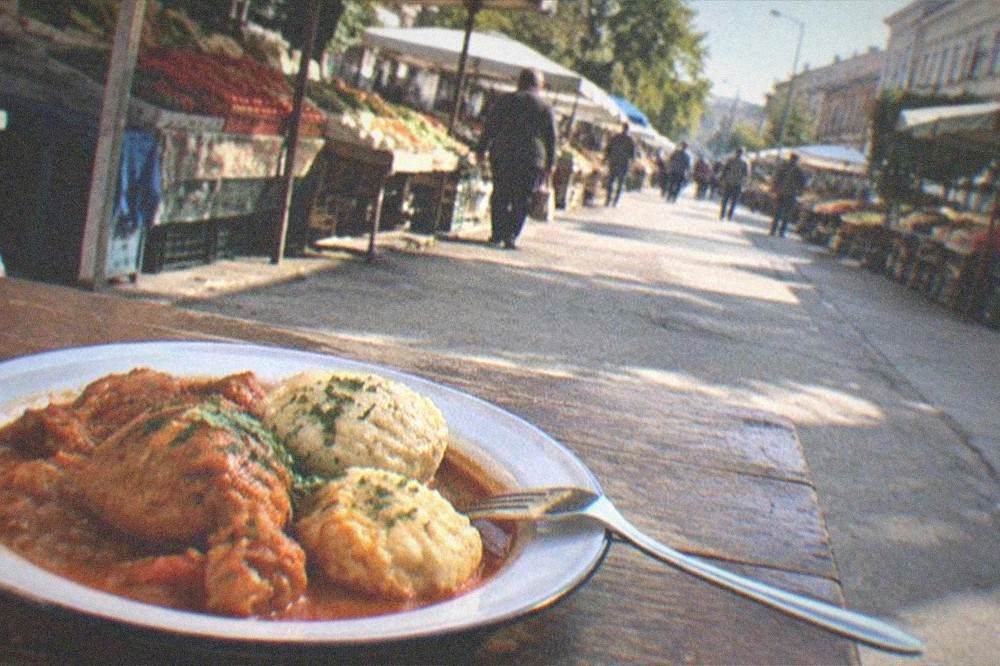
| Papricas cu galuste | Paprika chicken stew with soft flour dumplings | The dumplings are the giveaway that the dish is Banat-Hungarian, not generic |
| Sarmale | Cabbage rolls stuffed with pork and rice, served with mamaliga | A winter staple; the local version often uses sauerkraut leaves |
| Snitel porc | Breaded pork cutlet, the everyday main | Comes with fries, mashed potato or mamaliga |
| Salata de boeuf | Chicken-and-root-vegetable salad bound with mayonnaise | The standard starter at family tables and traditional restaurants |
Where Should You Eat In Timisoara's Old Town And Beyond?
The heart of Timisoara's eating scene is the Cetate old town around Piata Unirii, where terraces ring the baroque squares, but each historic district has its own flavor: Fabric holds rustproof traditional kitchens and creative spaces, Elisabetin leans toward neighborhood bistros and cafes, and Iosefin is where locals eat when nobody is performing for visitors. The squares are for the setting, the side streets are for the cooking.
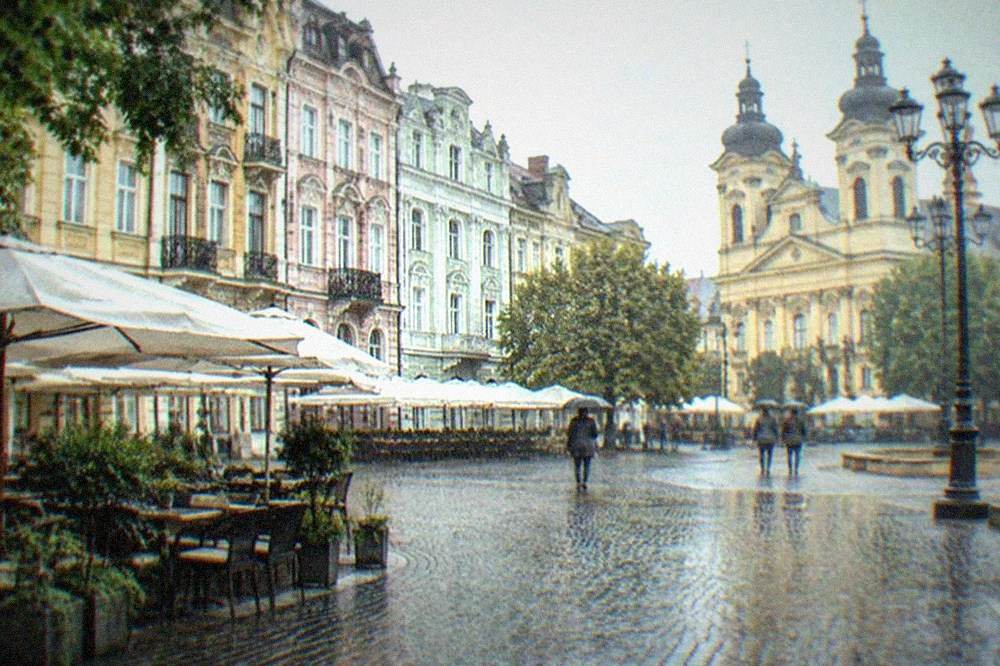
Piata Unirii is the postcard: pastel baroque facades, the Serbian Orthodox Cathedral at one end, and terraces that fill from late morning onward. It is the place for a slow coffee or a long dinner with the square as scenery, and prices are the highest in the city, though still modest by Western European measure. One block over, in the lanes between the squares, the menus get more traditional and the bills get smaller. A useful pattern for a first visit is one splurge meal on a square and the rest in the surrounding streets, which you can locate on the Timisoara map or plan around with the one day in Timisoara itinerary.
Fabric, east of the Bega canal, was the workers' district, and it still eats like one: hearty portions, traditional recipes and fewer international menus. Elisabetin, south of the center, is the cafe district, the place for a mid-morning cappuccino or an evening glass of wine away from the crowds. Iosefin, with its own historic core near the water tower, is the most local of the three, and a short tram ride from the center on the network covered in the getting around Timisoara guide.
The honest advice is structural rather than a list of names: eat one traditional meal in each district if your stay allows, look for places where the menu is short and in Romanian first, and check current opening details on the venue's own listing before you walk over. Kitchen hours in Timisoara commonly run later than in small towns, but they are not uniform.
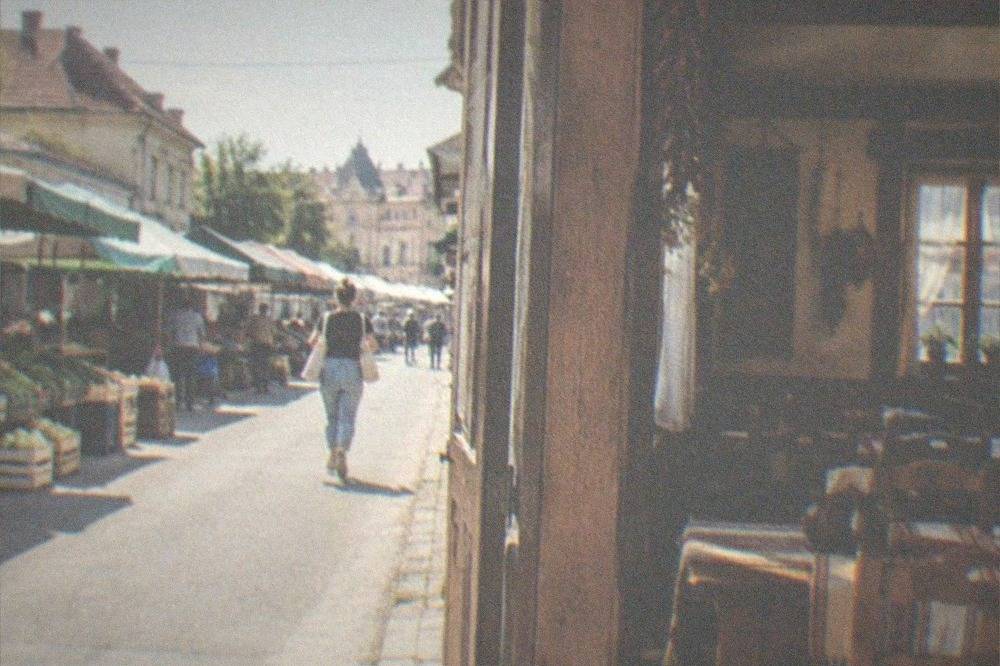
A guided walk is the efficient way to tie the districts together, and two of the options below pair the city's food identity with its history, while the third takes you into the Banat mountains for a completely different table.
How Much Does Eating Out In Timisoara Cost?
Eating out in Timisoara is inexpensive by Western European standards: the cost-of-living trackers updated in September 2026 put a meal at an inexpensive restaurant at roughly 45 to 50 lei, a cappuccino at 13 to 15 lei, and a half-liter of domestic draft beer at 11 to 12 lei, all paid in Romanian lei, the local currency, since the euro is not adopted in Romania. Those are citywide averages, not promises; a terrace on Piata Unirii sits above them and a canteen in Fabric below them.
The figures come from Expatistan, Numbeo and Hikersbay, all refreshed in September 2026, and they move slowly. What matters more for planning is the shape of the costs: lunch is cheaper than dinner, traditional restaurants are cheaper than international ones, and drinks are where the bill quietly grows. A two-course lunch with a soft drink lands near the inexpensive-meal figure; a three-course dinner with wine on a central square can run several times that. For the wider budget picture, including hotels and transport, see the Timisoara cost and prices guide, and for the currency mechanics, Romanian currency.
| Item | Typical price (lei) | Notes |
|---|---|---|
| Inexpensive restaurant meal | 45 to 50 | Main course or lunchtime menu, no drink |
| Fast-food combo meal | about 32 | Business-district lunchtime tracking |
| Cappuccino, regular area | 13 to 15 | Higher on the main squares |
| Domestic draft beer, 0.5 L | 11 to 12 | Neighborhood pub level |
| Public transport single ticket, 60 min | 5 | All modes including the Bega vaporetto in season |
| Public transport day pass | 18 | The pre-August-2025 price of 15 lei is outdated |
One cost that surprises some visitors is the tourist tax: the city levies a promotion tax on accommodation, set by local council decision HCL 719/2025 for 2026, and it is collected by the lodging, not by restaurants. The commonly reported rate is 2 percent of the nightly tariff excluding VAT, though that figure is from secondary reporting rather than a primary schedule, so treat it as reported, not guaranteed. It appears on your hotel bill, not on your dinner bill.
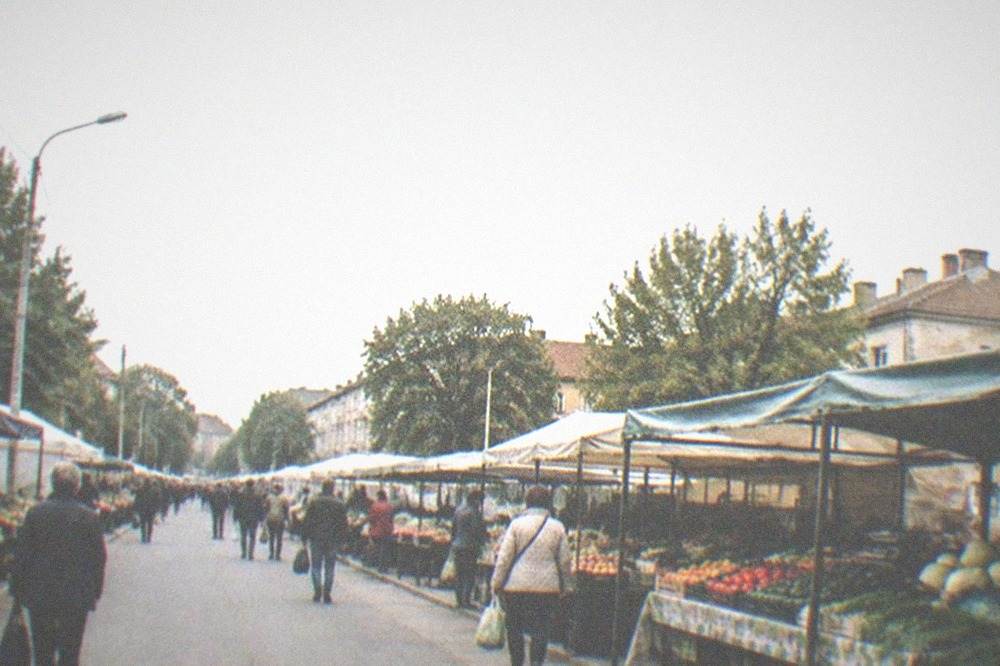
If you are weighing whether a guided food walk is worth adding to the budget, the operator's live listing carries the current price and the cancellation terms, and you can decide from there.
What Should You Drink In Timisoara?
The local drinking identity is beer first, wine second, and the two are both regional: Timisoara's own Timisoreana brewery traces its beer to 1718, the oldest attested brewery in Romania, while the Banat hills around the city grow the grapes behind local reds and whites, and a third strand is the coffee-house culture the city has had since its Habsburg days. Rakia, the Serbian fruit brandy, appears on menus near the border tradition, and tuica, the Romanian plum brandy, sits beside it.
The beer story is genuinely local. The city hall's own economic report credits Timisoara with the oldest attested brewery in Romania, founded in 1718, and the brand still bears the city's name. Order it anywhere and you are drinking the same tradition, which the Timisoreana brewery page covers in detail. The craft scene has grown around it; the Timisoara craft beer guide tracks the newer breweries and bars.
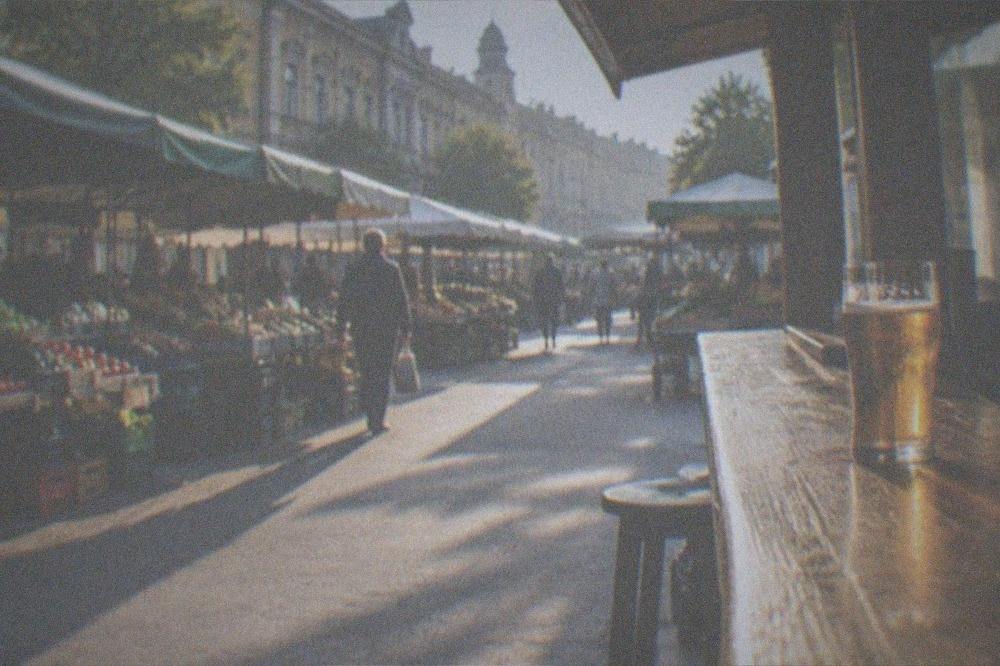
Wine in the Banat is a quieter story than Transylvania's but an old one. The hills south and east of the city, towards Recas and the Lugoj area, produce the region's table wines, and the Banat wine guide covers what to look for. The Recas winery page covers the region's best-known producer, reachable as a half-day trip. Rakia and tuica are the spirits: the first is Serbian, usually plum or pear, the second Romanian, almost always plum, and both arrive in small glasses whether you asked for a large one or not.
| Drink | What it is | Where it fits |
|---|---|---|
| Timisoreana lager | The city's own beer, from Romania's oldest attested brewery (1718) | The default order in most traditional restaurants |
| Banat red and white wine | Regional table wines from the hills around the city | On wine lists in the old town; also the reason for the Recas trip |
| Rakia | Serbian fruit brandy, plum or pear | Common near the Serbian tradition; served as an aperitif |
| Tuica | Romanian plum brandy | The after-dinner digestive in traditional kitchens |
| Cappuccino | The coffee-house standard, 13 to 15 lei in regular areas | The morning ritual; terraces fill from mid-morning |
Coffee deserves its own sentence. Timisoara was a Habsburg administrative city with a newspaper from 1771 and street lighting before most of Europe, and the cafe culture that grew around that administrative class never really left. The Timisoara cafes guide covers where it lives today.
Can You Take A Food Tour In Timisoara?
Yes, Timisoara has bookable food experiences: a street food tour that walks you through the city's snack culture, a winery tour with tasting in the countryside just outside the city, and a free tip-based essentials walk run through GuruWalk that covers the city's food squares alongside its history, all bookable through the operators' live listings with current prices shown there. A food tour is a good first-day activity, because it teaches you the vocabulary before you order on your own.
The street food tour is the most directly food-focused option, and its listing carries the current price, rating and duration. The winery tour pairs a tasting with the rural Banat landscape, which is a different experience from a city walk. The free walk is run by a guide named Alex through GuruWalk, it is tip-based rather than priced, and it is the cheapest way to get oriented, food squares included.
If wine is your reason for visiting, the winery visit is the one to check first.
And if you want the city's food squares explained in their historical context, the heritage walk below covers the old town's streets and stories at a walking pace.
Each operator's live listing carries the exact current price, the meeting point and the cancellation policy, so check those before committing; nothing on this page quotes a product price directly because those figures change and the listings are the source of truth.
What About Markets And Street Food In Timisoara?
Timisoara's market culture is built around permanent neighborhood markets rather than a single tourist market, and the street food is honest and cheap: covrigi (pretzel-style bread), mici (grilled skinless sausages), langos-style fried dough and shawarma from the city's Middle Eastern kitchens, with the sit-down versions of the same snacks in the old town's side streets. No market's hours or stall prices are published in one official source, so check current details locally.
The neighborhood markets are where the city actually shops. Produce from the Banat plain, which is some of the richest farmland in Romania, arrives daily: peppers in late summer, cabbage from autumn onward, and the paprika that ends up in half the local dishes. Shopping at a market is simple: produce is priced per kilogram, haggling is not the custom, and cash in lei is still the safest assumption even as card payment spreads.
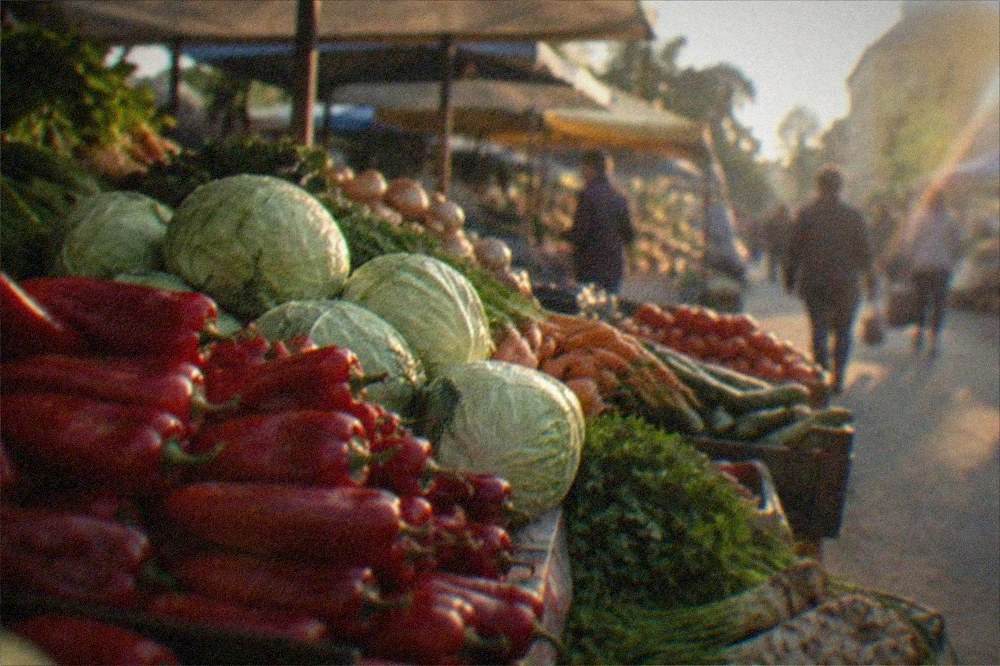
Street food is mostly a lunchtime and late-evening affair. Mici, the grilled sausages served with mustard and bread, are the national default; covrigi stands sell warm pretzel bread through the morning; and the fried-dough tradition, a Hungarian inheritance, turns up at fairs and markets. The Christmas market in Piata Victoriei, covered in the Timisoara Christmas market guide, is the one moment when street food becomes the main event, with its dates typically running from late November into early January.
| Season | What the markets carry | What to eat |
|---|---|---|
| Spring (Mar to May) | Early greens, radishes, first strawberries | Lighter stews; lamb appears around Easter |
| Summer (Jun to Aug) | Peppers, tomatoes, melons from the Banat plain | Mici off the grill; cold soups on menus |
| Autumn (Sep to Nov) | Cabbage, apples, grapes, paprika powder | Sarmale season begins; new wine arrives |
| Winter (Dec to Feb) | Stored cabbage, root vegetables, preserves | Hearty goulash and paprikash; Christmas market snacks |
When Is The Best Time To Eat Out In Timisoara?
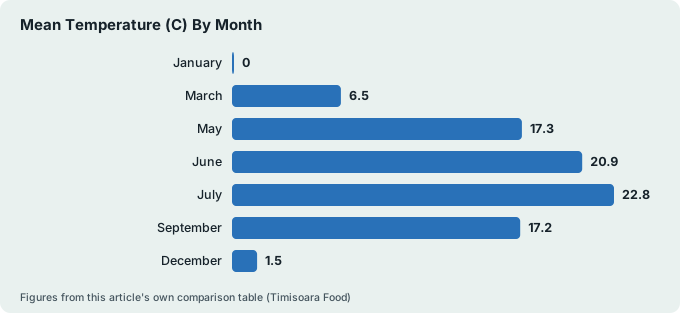
The best time to eat out in Timisoara is late spring through early autumn, roughly May to September, when the JMA climate normals for the city's station show means of 17.3 C in May rising to 22.8 C in July, the terraces are open, and the local produce is at its peak, but the indoor dining scene, the hearty winter dishes and the Christmas market make the cold months rewarding in a completely different way.
The climate table matters to dinner plans more than visitors expect. June is the wettest month at 79.1 mm of rain, which is not enough to ruin a terrace season but enough to have a covered option in mind, and March is the driest at 34.1 mm. The full picture is in the Timisoara weather by month guide, and the seasonal planning argument is laid out in best time to visit Timisoara.
| Month | Mean temperature (C) | Precipitation (mm) | Terrace verdict |
|---|---|---|---|
| January | 0.0 | 37.3 | Indoor dining; Christmas market tail |
| March | 6.5 | 34.1 | Driest month; terraces start opening |
| May | 17.3 | 57.2 | Full terrace season begins |
| June | 20.9 | 79.1 | Warmest eating weather, wettest month |
| July | 22.8 | 61.9 | Peak terrace season |
| September | 17.2 | 50.4 | New wine and quiet squares |
| December | 1.5 | 44.7 | Christmas market food in Piata Victoriei |
Festival season changes the food calendar too. The JazzTM festival runs in late September, the city celebration fills the squares at the end of July and the start of August, and each brings temporary food stalls alongside the permanent scene; the Timisoara festivals and events guide tracks the calendar.
How Does Banat Food Differ From The Rest Of Romania?
Banat food differs from the rest of Romania in its seasoning and its structure: it leans on paprika, sour cream and dumplings from the Hungarian and Swabian kitchens rather than the polenta-and-mamaliga center of gravity further east, its soups are soured in the Central European style, and its pastry tradition, from strudel to the fried doughs, reflects three centuries of Habsburg provincial life rather than the Ottoman-influenced cooking of Wallachia.
That difference is why the same dish name can mean two different things in Timisoara and Bucharest. A goulash here is the Hungarian stew; further east the paprika stews drift toward different spice blends. The dumpling side (galuste) is standard in the Banat and rarer in the south. Even the answer to "what is the most famous food in Romania" changes depending on which region answers, and that question is covered directly in the most famous Romanian food article.
For a trip that pairs the city's table with the region's landscapes, the options below range from a city walk to a full mountain day in Retezat National Park and a revolution-history tour of the 1989 sites.
Common Questions About Timisoara Food
What food is Timisoara known for?
Timisoara is known for Banat cuisine: goulash, paprikash with dumplings, sarmale, sour ciorba soups and Swabian-style sausages and pastries, a mix of Romanian, Hungarian, German and Serbian traditions from the city's Habsburg past.
Is food cheap in Timisoara?
Yes by Western European standards. September 2026 cost-of-living tracking puts an inexpensive restaurant meal at roughly 45 to 50 lei, a cappuccino at 13 to 15 lei and a domestic draft beer at 11 to 12 lei, all paid in Romanian lei.
What is a ciorba?
A ciorba is a sour soup, soured with fermented wheat bran or lemon rather than cream, and it is the standard first course in Timisoara. Ciorba de perisoare, with small meatballs, is one of the most common versions.
Can you drink the local beer in Timisoara?
Yes, and the local beer is part of the city's history: the Timisoreana brewery traces its beer to 1718, the oldest attested brewery in Romania according to the city hall's own economic report.
Is there a food tour in Timisoara?
Yes. A street food tour, a winery tour with tasting and a free tip-based city walk are all bookable through the operators' live listings, where current prices, durations and cancellation terms are shown.
Do you tip in Timisoara restaurants?
Tipping is modest and customary: rounding up or leaving roughly ten percent in cash, in lei, is the local practice. Card tips are less established than cash ones.
Eating well in Timisoara takes very little effort: order the Banat dishes, drink the city's own beer, keep some lei in cash for markets and tips, and save one evening for a terrace on a baroque square. The city's kitchen, like its squares, is the product of three cultures sharing one small place, and every meal is a working demonstration of it.