Coffee Timisoara
Timisoara, in the Banat region of western Romania, drinks its coffee on terraces, in Habsburg-era squares and in third-wave roastery bars, and this guide covers what a cup costs, where to drink it and how to order it.
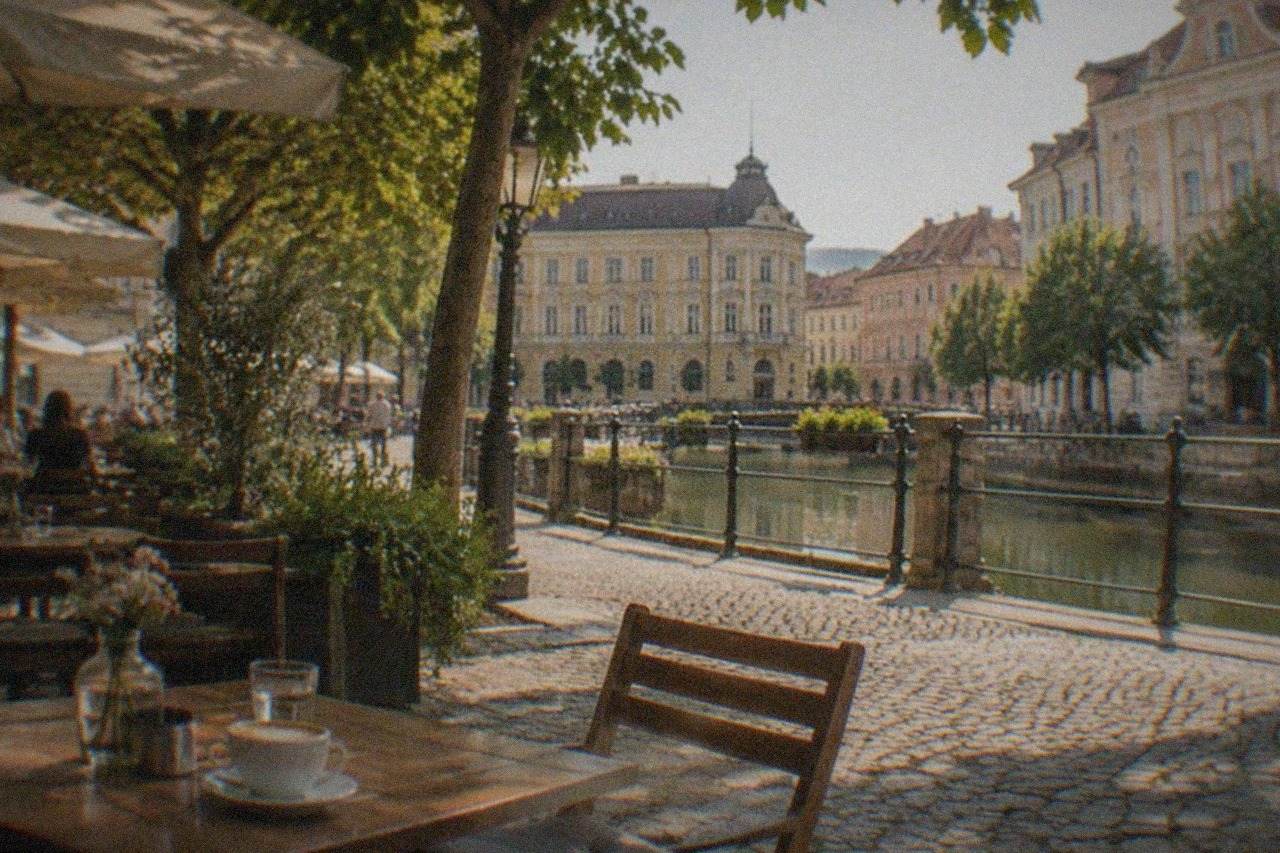
Short answer
A cappuccino in Timisoara costs roughly 13 to 15 RON according to September 2026 cost-of-living trackers, the best cafe scenes cluster in Cetate, Elisabetin and Fabric, and ordering is simple: espresso-based drinks, local roasts and terrace culture dominate.
Timisoara, the Banat region's largest city and the county seat of Timis County in western Romania, takes its coffee seriously in a way that surprises first-time visitors. Under its historical names, Temesvár in Hungarian and Temeswar in German, the city absorbed centuries of Central European cafe culture, and the habit stuck: today Timișoara pairs Habsburg-era squares with a dense, young cafe scene fueled by students, designers and the legacy of the 2023 European Capital of Culture year. This guide covers the practical side of coffee in Timisoara, what a cup actually costs, which neighborhoods concentrate the best cafes, how ordering works, and how to fold cafe stops into a wider visit.
For planning the rest of the trip around your caffeine stops, the site's things to do in Timisoara overview is the natural starting point, and the Timisoara food guide picks up where the espresso machine ends. The city's cafe geography is compact enough that coffee stops can anchor an entire day of sightseeing without ever feeling like a detour, which is exactly how many visitors end up structuring their time here.
Where To Find The Best Coffee In Timisoara?
The best coffee in Timisoara concentrates in three areas: the Cetate old town around Piata Unirii and Piata Victoriei, where historic-square terraces dominate; the Elisabetin neighborhood, where the city's specialty roasters and student cafes cluster; and the Fabric district, where converted industrial spaces house the most atmospheric coffee bars of all. Each area has a different rhythm. Cetate is where tourists and locals overlap on cobbled squares, Elisabetin is where the third-wave scene actually lives, and Fabric, the former workers' quarter, is where cafe interiors get genuinely interesting. A visitor with two or three days can walk all three on foot without needing transport beyond a tram hop.
Cetate is the obvious first stop because it is where the city's cafe culture visually announces itself. Piata Unirii, the grand Baroque square, and Piata Victoriei, the long promenade where the 1989 Revolution unfolded, are lined with terraces that fill from mid-morning onward and stay busy into the evening. The Union Square guide and the Victory Square guide cover those two spaces in detail. The coffee here leans classic: espresso, cappuccino, large iced drinks in summer, and a terrace table is as much the point as the cup.
Elisabetin, just south of the center across the Bega, is where the roastery-style cafes sit. This is the neighborhood of low-key interiors, single-origin beans on the shelf and a crowd that arrives with laptops. Fabric, further east, is the wildcard: the neighborhood around Piata Traian and the Fabric synagogue has seen the most regeneration energy since the Capital of Culture year, and its cafes occupy former shopfronts and industrial halls with high ceilings and serious machines.
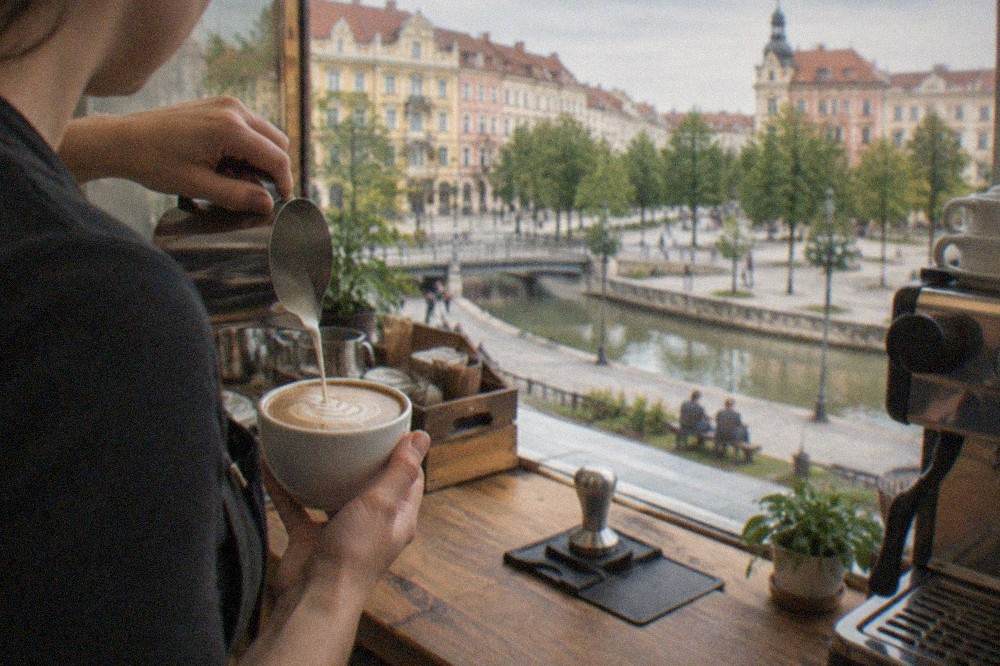
What Does Coffee Cost In Timisoara?
A cappuccino in Timisoara costs roughly 13 to 15 RON based on September 2026 cost-of-living trackers, with Expatistan listing 13 lei in expat-area venues and Numbeo averaging 14.23 lei, so budget around 3 US dollars at the current BNR rate of 5.2788 RON per euro. Prices vary by neighborhood rather than by cafe category: a square-side terrace in Cetate sits at the top of the range, a neighborhood spot in Elisabetin or Iosefin at the bottom. These figures are aggregator averages, not promises, so treat them as planning ranges and check the menu. The site's answer on coffee prices across Romania puts the Timisoara figures in national context, and the cost and prices guide covers everything else you will spend money on.
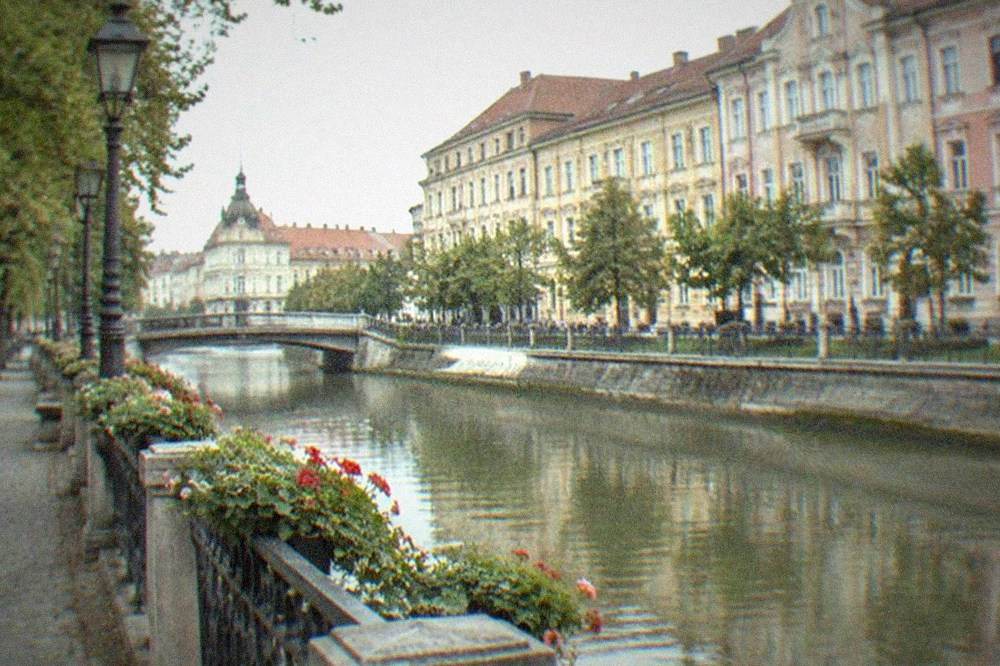
The table below gathers the September 2026 tracker figures for the drinks and small purchases that usually accompany a cafe visit in Timisoara.
| Item | Typical price (RON) | Source basis |
|---|---|---|
| Cappuccino, regular / expat area | 13 to 15 | Expatistan 13 lei; Numbeo 14.23 lei; Hikersbay 15 lei |
| Beer, 0.5 L domestic draught | 11 to 12 | Expatistan 11 lei; Numbeo 12 lei |
| Inexpensive restaurant meal | 45 to 50 | Hikersbay 45 lei; Numbeo 50 lei |
| Fast-food combo meal | about 32 | Expatistan |
| Public transport single ticket | 5 | STPT official tariff |
| Public transport day pass | 18 | STPT official tariff |
Two practical notes on money. Romania's currency is the Romanian leu (RON), not the euro, and cards are widely used, but small neighborhood cafes occasionally prefer cash for a single coffee. The Romanian currency guide covers notes, coins and the leu-euro relationship in detail. Second, the local tourist tax, set under city council decision HCL 719/2025, is collected by your accommodation, not by cafes, so it never appears on a coffee receipt.
A useful mental model for budgeting: a two-coffee morning in Timisoara costs less than a single coffee in most Western European capitals, and the gap between a cheap neighborhood order and a premium square-side order is only a couple of lei. That flatness is part of why cafe hopping here feels so low-stakes. Visitors can sample three or four different cafes in a day, compare the roasts and the interiors, and still have spent less than a single sit-down lunch would cost in Paris or Amsterdam.
Which Timisoara Neighborhoods Have The Best Cafe Scenes?
Elisabetin has Timisoara's densest specialty coffee scene, Cetate has the most photogenic terrace squares, Fabric has the most atmospheric converted-industrial cafes, and Iosefin rounds out the list with quieter neighborhood spots near the Bega canal, so the honest answer is that the best cafe scene depends on whether you want roasts, views, interiors or calm. The four areas sit within a compact ring, and the tram network stitches them together with a 5 lei single ticket valid across all modes including the Bega water bus. The Elisabetin guide, the Fabric guide and the Iosefin guide break down each neighborhood's character street by street.
The comparison below is a planning aid, not a ranking: no venue's prices, hours or addresses were verified, so it describes character rather than specifics.
| Neighborhood | Cafe character | Best for | Reachable by |
|---|---|---|---|
| Cetate | Historic-square terraces, classic espresso menus | People-watching, first visit | On foot from anywhere central |
| Elisabetin | Specialty roasters, laptop-friendly interiors | Single-origin coffee, slow mornings | Tram or a 15-minute walk south |
| Fabric | Converted industrial and shopfront spaces | Interiors, regeneration-era atmosphere | Tram lines toward Piata Traian |
| Iosefin | Quiet neighborhood cafes near the Bega | Calm, residential-side coffee | Tram along the canal |
What Is The Cafe Culture Like In Timisoara, Romania?
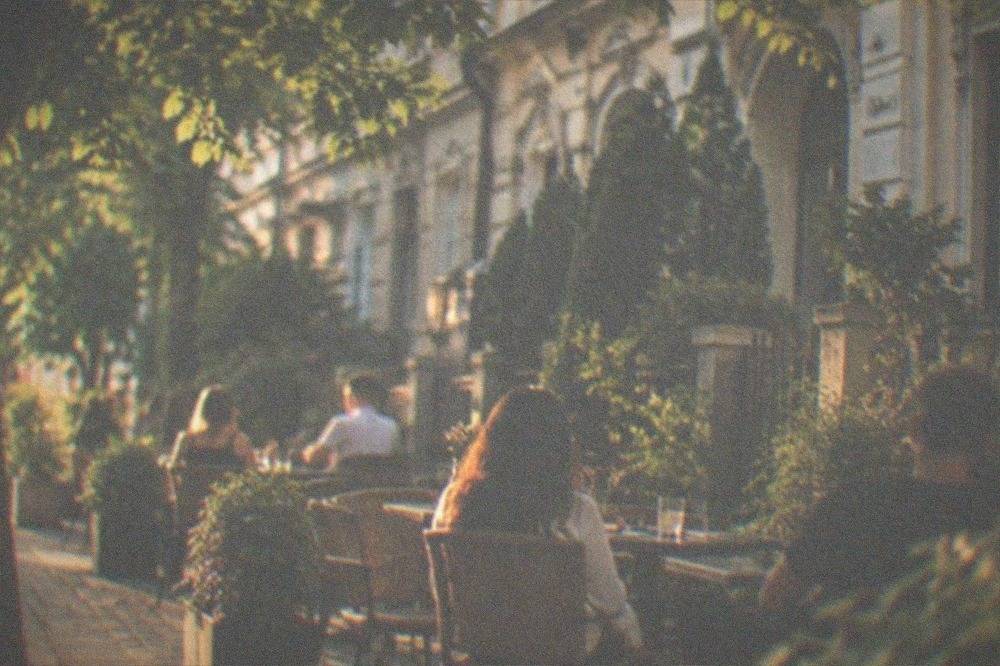
Timisoara's cafe culture is Central European in origin and thoroughly local in practice: the city inherited the Habsburg-era coffeehouse habit, then rebuilt it around terraces, long stays and an unhurried pace, so a cafe in Timisoara functions as living room, office and meeting point rather than a quick-serve counter. Locals order one coffee and stay an hour. Terrace season stretches from spring through autumn, and even in winter the Christmas Market season in Piata Victoriei keeps the squares animated with mulled drinks and coffee stalls. The city's cafe density is partly a student effect: Timisoara is a major university city, and the academic calendar visibly fills Elisabetin's cafes from October to June.
The historical thread matters here. The city that produced Romania's first telephone network in 1881 and the first mainland European city with electric street lighting in 1884 was, by the late nineteenth century, the kind of prosperous Habsburg provincial capital where coffeehouses multiplied, and the habit survived every regime change since. The 2023 European Capital of Culture year, which Timisoara held alongside Elefsina in Greece and Veszprem in Hungary, accelerated the regeneration of Fabric and Iosefin and left behind a permanently larger stock of restored cafe-ready buildings. The wider set of guides lives on Timisoara Travel Guide.
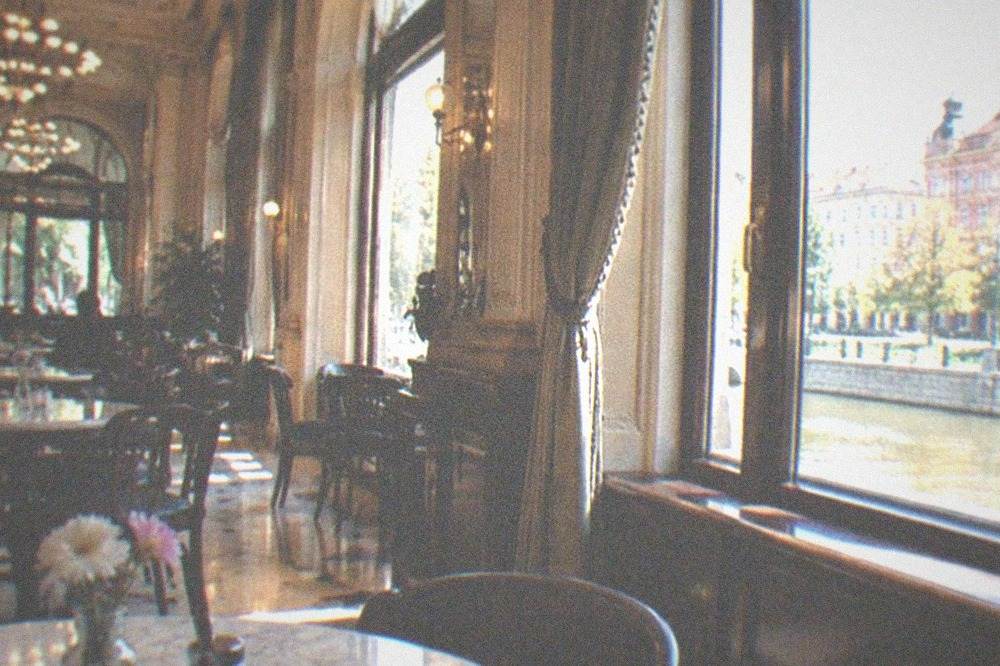
If you want the history to come with the coffee, the free Timisoara Essentials Tour with Alex, listed on GuruWalk and free on a tip basis, is an introduction to the city that ends you back in the center with a full afternoon free for terraces. Guide Alex runs it as a tip-based walk, so nothing is paid upfront.
When Is The Best Time Of Year For Cafe Hopping In Timisoara?
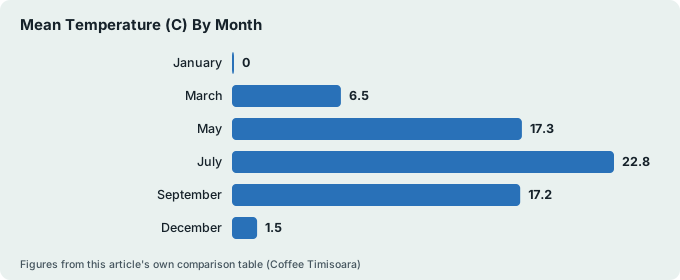
The best months for cafe hopping in Timisoara are May through September, when the JMA climate normals for the city's station show means of 17.3 C in May rising to 22.8 C in July and back to 17.2 C in September, conditions that keep terraces full, though December has its own draw in the Christmas Market season around Piata Victoriei. The same normals put January at a mean of 0.0 C, which pushes the scene indoors but does not stop it. Rain is modest and fairly even: June is the wettest month at 79.1 mm and March the driest at 34.1 mm, out of 600.7 mm across the year. The best time to visit guide and the weather by month guide expand on all of this.
| Month | Mean temperature (C) | Precipitation (mm) | Terrace verdict |
|---|---|---|---|
| January | 0.0 | 37.3 | Indoors, hot drinks |
| March | 6.5 | 34.1 | Driest month, first outdoor tables |
| May | 17.3 | 57.2 | Prime terrace season begins |
| July | 22.8 | 61.9 | Peak season, iced coffee |
| September | 17.2 | 50.4 | Best balance of warmth and calm |
| December | 1.5 | 44.7 | Christmas Market season, mulled drinks |
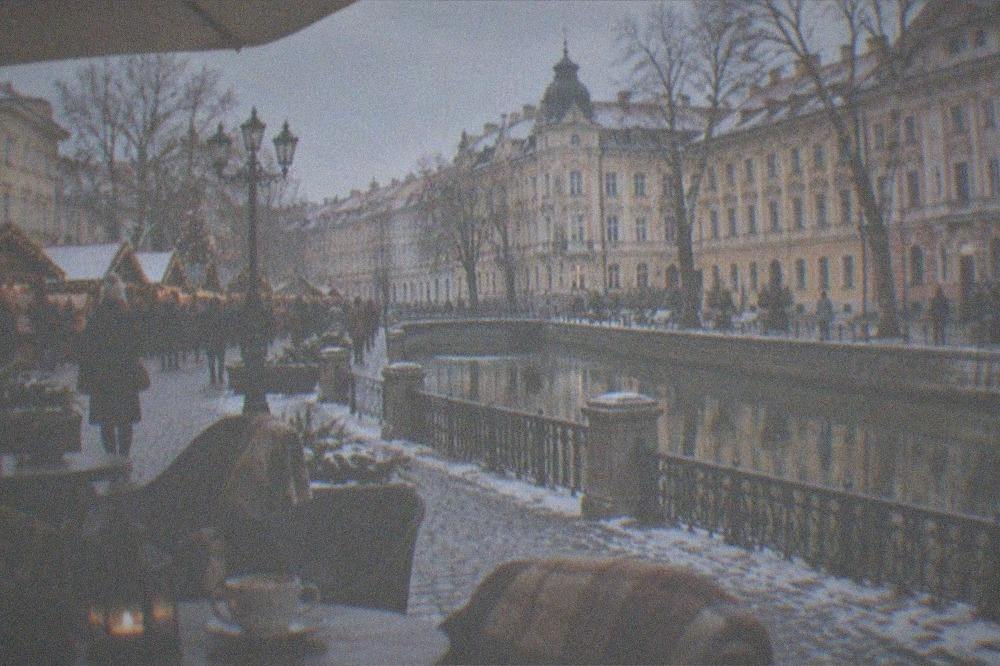
Festival timing matters too. The Timisoara Jazz Festival held its 14th edition from 25 to 27 September 2026, and Ziua Timisoarei, the city celebration, ran 31 July to 3 August 2026 with more than 100,000 attendees reported. Both fill the squares and the cafes around them. The Christmas in Timisoara guide covers the December scene, and the festivals overview tracks the annual calendar.
How Do You Order Coffee Like A Local In Timisoara?
Ordering coffee in Timisoara follows standard espresso-bar logic: ask for an espresso for a straight shot, a cappuccino for the default milky drink, a latte if you want more milk, and a filtru for filter coffee, and paying by contactless card at the counter is normal, with a small rounded-up tip in cash appreciated but never expected. Romanian cafe vocabulary is short and friendly, and staff in the center routinely handle English. One local custom worth knowing: coffee is consumed slowly, and a table is yours for as long as you want it, so there is no pressure to vacate. The Romanian language phrases guide covers the fuller vocabulary for ordering, greeting and paying.
| You say | You get |
|---|---|
| Un espresso | A single or double straight shot |
| Un cappuccino | Espresso with steamed milk, the local default milky drink |
| Un latte | A taller, milkier drink |
| Un filtru | Filter or batch-brew coffee |
| Cafea cu lapte | Coffee with a splash of milk, the home-style order |
| Gheata | Iced, appended in summer (cappuccino cu gheata) |
The food pairing is half the pleasure. Timisoara's cafe counters routinely carry covrigi, the local pretzel-style rings, papanași and other Transylvanian sweets, and a mid-morning coffee plus pastry is a genuine local ritual rather than a tourist invention. The Timisoara restaurants guide covers what happens when the coffee shops close and the evening begins, from Banat classics to the newer international kitchens that have opened since the Capital of Culture year put the city on more travel radars.
Can You Combine Coffee Stops With Sightseeing In Timisoara?
Yes, and it is the most natural way to see the city: a coffee-first walking route can cover Piata Unirii, Piata Libertatii, Piata Victoriei and the Bega canal in a single morning, because Timisoara's main sights and its best cafes occupy the same few blocks of the Cetate old town, so every sightseeing circuit doubles as a cafe crawl. The three central squares sit in a line, the Metropolitan Orthodox Cathedral faces Piata Victoriei, and the Bega runs immediately south of the core, which means a flat, short walk links almost everything. Add a tram ride to Fabric or Elisabetin and the loop still fits inside half a day.
A sample structure: start with a mid-morning coffee on Piata Unirii while the square is quiet, walk the two minutes to Piata Libertatii to see the Dicasterial Palace and the old garrison courtyard, then continue to Piata Victoriei for the cathedral facade and the Opera. Cross the Bega from there, pick a second coffee in Elisabetin, and return by tram or, in the April-to-October season, by the water bus on the canal itself. The one day in Timisoara itinerary formalizes a full day along these lines, and the Timisoara museums guide adds indoor options for a rainy stretch, since the same climate normals that make summer terraces glorious can produce a wet afternoon in any month.
Can You Work Remotely From Timisoara Cafes?
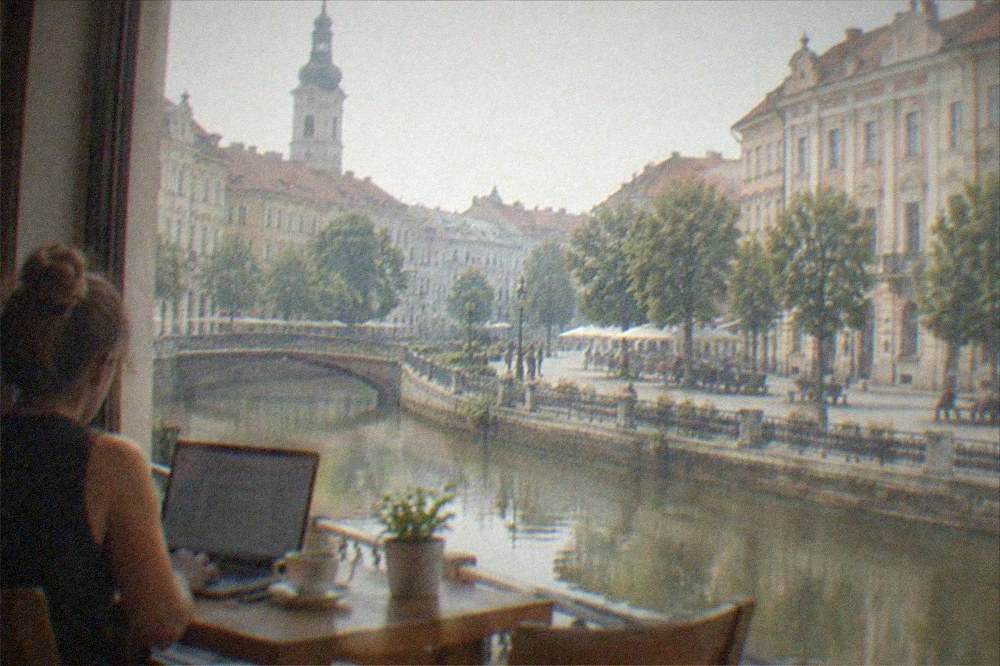
Yes, working from Timisoara cafes is normal and well supported: Elisabetin's specialty cafes in particular welcome laptop users for long stays, the city has been a university and tech hub for decades, and a 5 lei STPT single ticket or 18 lei day pass covers the trams, trolleybuses, buses and the seasonal Bega water bus between cafe-friendly neighborhoods. Romania's full Schengen membership, in force for air and sea since 31 March 2024 and for land borders since 1 January 2025, means EU-based remote workers arrive without border formalities from Hungary, and the Romania travel essentials guide covers entry rules for everyone else, including the EES biometric system that became fully operational at Schengen external borders on 10 April 2026.
Practicalities for the working visitor: the airport, Traian Vuia International, sits about 12 km northeast of the center and connects to the city by the E4 express bus, as the airport guide and the airport-to-center guide explain. For choosing where to base yourself within walking distance of a morning coffee, the where to stay guide maps the neighborhoods against the same areas this guide covers for cafes. Between the two, most remote workers land on Cetate for walkability or Elisabetin for atmosphere, and both put a good coffee within five minutes of the door.
Common Questions About Coffee In Timisoara
How much is a coffee in Timisoara?
A cappuccino costs roughly 13 to 15 RON according to September 2026 cost-of-living trackers, which is about 2.5 to 3 euro at the BNR rate of 5.2788 RON per euro. Square-side terraces in Cetate sit at the top of that range and neighborhood cafes in Elisabetin or Iosefin at the bottom. Treat these as planning ranges, not fixed prices.
Do cafes in Timisoara take card payment?
Card payment is normal in Timisoara cafes, including contactless at the counter, and Romania's payment infrastructure is modern. Small neighborhood spots occasionally prefer cash for a single coffee, so keeping a few lei notes on hand is sensible but rarely essential.
Which neighborhood in Timisoara has the best cafes?
Elisabetin has the densest specialty coffee scene, Cetate has the historic-square terraces around Piata Unirii and Piata Victoriei, and Fabric has the most atmospheric converted-industrial interiors. All three are within a compact walkable or tram-linked area, so you do not have to choose just one.
Is Timisoara good for remote work from cafes?
Yes. The city is a long-standing university and tech hub, laptop use in cafes is routine, and Elisabetin in particular caters to long stays. Public transport is cheap, with a 5 lei single ticket and an 18 lei day pass covering trams, trolleybuses, buses and the seasonal Bega water bus.
When is terrace season for coffee in Timisoara?
Roughly May through September, when JMA climate normals for the city show monthly means from 17.3 C in May to 22.8 C in July. December is cold, with a mean of 1.5 C, but the Christmas Market season around Piata Victoriei gives the winter cafe scene its own appeal.
What should I order in a Timisoara cafe?
Un cappuccino is the local default milky order, un espresso for a straight shot, un filtru for filter coffee, and appending cu gheata gets you the iced version in summer. Pair it with a covrig, the local pretzel-style ring, which is the classic mid-morning accompaniment.
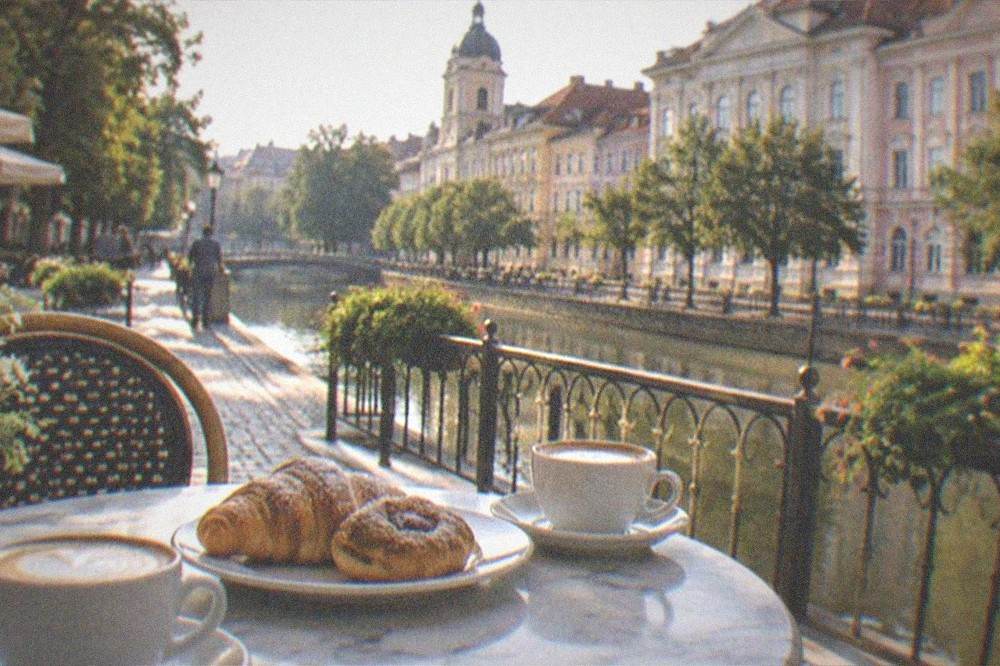
Coffee in Timisoara is not a sidebar to the sightseeing, it is one of the main reasons the city feels the way it does: Habsburg squares, a student city's energy and terraces that hold their tables all afternoon. Plan a morning in Cetate, an afternoon in Elisabetin or Fabric, and let the tram, or on a warm day the Bega water bus, handle the distance between them.