How Much Is A Cup Of Coffee In Romania?
A cappuccino in Timisoara, Romania costs roughly 13 to 15 lei at the till, according to September 2026 cost-of-living trackers. Here is what that means for your daily coffee budget.
A regular cappuccino in Timisoara, the main city of Timis County in the Banat region of western Romania, cost between 13 and 15 lei in September 2026, according to three cost-of-living trackers that update their figures continuously. Romania has not adopted the euro, so every till in the country, from the espresso bar in Cetate to the kiosk by the Bega, rings up the purchase in Romanian lei (RON). At the National Bank of Romania reference rate of 5.2788 lei to one euro, published on 23 September 2026, that coffee works out at roughly 2.50 to 2.85 euro, one of the gentler coffee prices in the European Union. This page, part of the Timisoara Travel Guide coverage of the city, sets out where those numbers come from and how far a coffee budget stretches once you are standing at the counter.
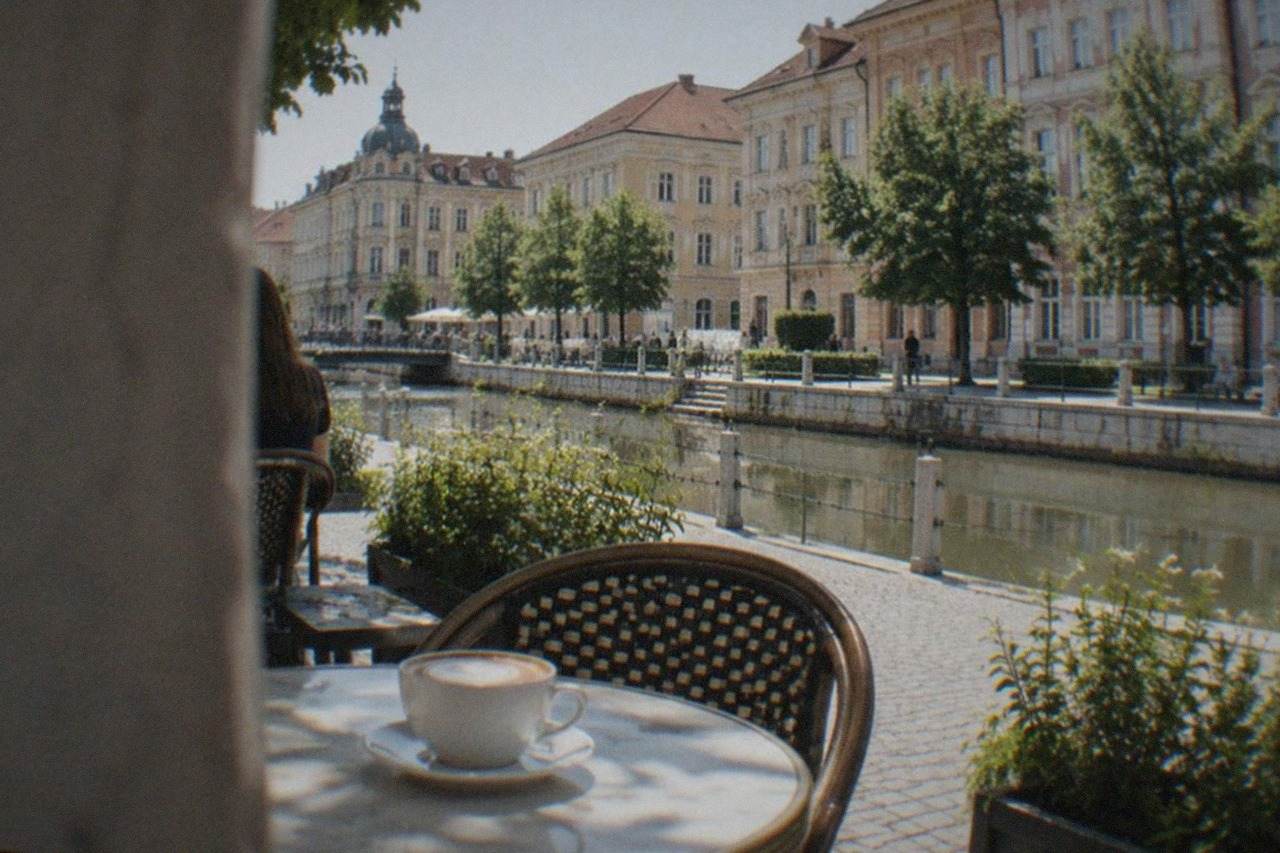
What Does A Cup Of Coffee Actually Cost In Timisoara?
A regular cappuccino in Timisoara cost between 13 and 15 lei currently, based on three independent price trackers: Expatistan recorded 13 lei, Numbeo recorded 14.23 lei and Hikersbay recorded 15 lei for the same drink. All three sources refreshed their Timisoara figures during September 2026, so the spread is narrow and current. At the National Bank of Romania rate of 5.2788 lei per euro, that places an everyday cappuccino at roughly 2.50 to 2.85 euro.
The three trackers do not measure identical things, which is why the range exists rather than a single number. Expatistan prices a cappuccino in expat-oriented areas, Numbeo crowdsources reports from residents and visitors, and Hikersbay rounds to whole lei. None of them is an official statistic, and none claims to be. What they agree on is the order of magnitude: coffee in Timisoara is cheap by Western European standards, and the variation between venues is small enough that you rarely need to comparison-shop.
A few practical notes follow from this. Prices are in lei everywhere, and paying in euro is not standard practice, a point covered in detail on our page on cash versus card in Romania. The figures above describe a cappuccino, the drink the trackers price consistently; a smaller espresso or a filter coffee generally costs less, while specialty drinks in third-wave cafes can cost more. Treat the tracker figures as a planning range rather than a quote from any named barista. For a fuller picture of where to drink in the city, the Timisoara cafes guide covers the scene neighborhood by neighborhood.
| Source (September 2026) | Cappuccino price, Timisoara | Rough euro equivalent |
|---|---|---|
| Expatistan | 13 lei | about 2.46 euro |
| Numbeo | 14.23 lei | about 2.70 euro |
| Hikersbay | 15 lei | about 2.84 euro |
How Much Is A Cup Of Coffee In Romania?
The honest answer for Romania as a whole is that no official national coffee price exists, but the best-documented figure, for Timisoara, is 13 to 15 lei for a cappuccino currently, and visitors can reasonably treat that as a benchmark for urban Romania. The trackers that publish city-level data price Timisoara consistently in that band. Larger cities may run somewhat higher, but the figures on this page are Timisoara figures, and applying them nationwide is an estimate, not a statistic.
That caveat matters. Romanian statistics offices do not publish a coffee price index for tourists, and inventing a national average would be exactly the kind of unsourced figure this site refuses to print. What the data does support is a statement about Timisoara with confidence, plus a soft generalization that similar or slightly higher prices are typical in other Romanian cities. If your trip centers on Timisoara, the 13 to 15 lei band is the number you can plan around.
Coffee culture here also rewards slowing down. Timisoara, known historically as Temesvár under Hungarian rule, was the first city on the mainland of Europe with electric street lighting, switched on in November 1884, and its cafe terraces in Piata Unirii and Piata Victoriei still trade on that Central European coffeehouse inheritance. Sitting with one cup for an hour is normal, not frowned upon, and few venues rush the table. That makes the per-cup price even better value than it looks, since the seat, the square view and the people-watching come bundled with the drink.
If you want context beyond the cup, the question of how far 100 goes in Romania extends the same logic to meals and transport, and our page on what Timisoara is known for explains why the city's cafe scene draws visitors in the first place.
Why Is Coffee In Timisoara So Affordable Compared With Western Europe?
Coffee in Timisoara is affordable mainly because overall operating costs in Romania are lower than in Western Europe, and the September 2026 tracker data shows this clearly: a cappuccino at 13 to 15 lei sits against an inexpensive restaurant meal at roughly 45 to 50 lei and a half-liter of domestic draught beer at 11 to 12 lei. Rent, wages and utilities in Timis County all cost less than in Vienna or Munich, and cafe prices pass that through. The quality of the raw coffee is not the driver.
The structure of the local market plays a part too. Timisoara has a dense cafe scene concentrated in the historic neighborhoods of Cetate, Elisabetin and Fabric, and competition between dozens of venues within walking distance keeps prices honest. A city that was European Capital of Culture in 2023, sharing the title with Elefsina and Veszprem, emerged from that year with more cafes, more terraces and more trained baristas than before, without a corresponding price surge. Tourism grew about 3.86 percent in 2025 by official local figures, but coffee remains priced for residents first.
One cost that does land on visitors, though not on the coffee itself, is the local tourist tax. Timisoara charges a special tax for tourism promotion, collected by the lodging on top of the room rate; the rate is reported as 2 percent of the accommodation tariff excluding VAT, a figure sourced from an annex to the 2026 local council tax decision rather than read directly from the ordinance, so treat it as reported rather than official. It applies to hotel bills, not to espresso.
What Else Does A Coffee Budget Buy In Timisoara?
The same September 2026 price data that puts a cappuccino at 13 to 15 lei also shows a single 60-minute public transport ticket at 5 lei, a one-day pass at 18 lei, an inexpensive restaurant meal at about 45 to 50 lei and a domestic draught beer at 11 to 12 lei, which means one cappuccino costs roughly the same as a beer and less than a third of a simple lunch. Those ratios, not any single price, are what make the city feel inexpensive. The transport figures come from the operator's own published tariff, refreshed in August 2025, and the food and drink figures from the same cost-of-living trackers quoted above.
| Everyday item, Timisoara | September 2026 figure | Source type |
|---|---|---|
| Cappuccino, regular | 13 to 15 lei | cost-of-living trackers |
| Domestic draught beer, 0.5 L | 11 to 12 lei | cost-of-living trackers |
| Inexpensive restaurant meal | about 45 to 50 lei | cost-of-living trackers |
| Public transport, single 60-minute ticket | 5 lei | operator tariff |
| Public transport, one-day pass | 18 lei | operator tariff |
The practical takeaway is that a visitor can budget a full Timisoara day around coffee money by Western standards. Two cappuccinos, a lunch, a beer and a day transport pass together come to under 100 lei, roughly 19 euro at the September 2026 reference rate. That is before any free sightseeing, and the city has plenty: the squares, the Bega canal promenade and the terraces of Piata Unirii cost nothing to wander. For a structured first day, the one day in Timisoara itinerary sequences the highlights on foot.
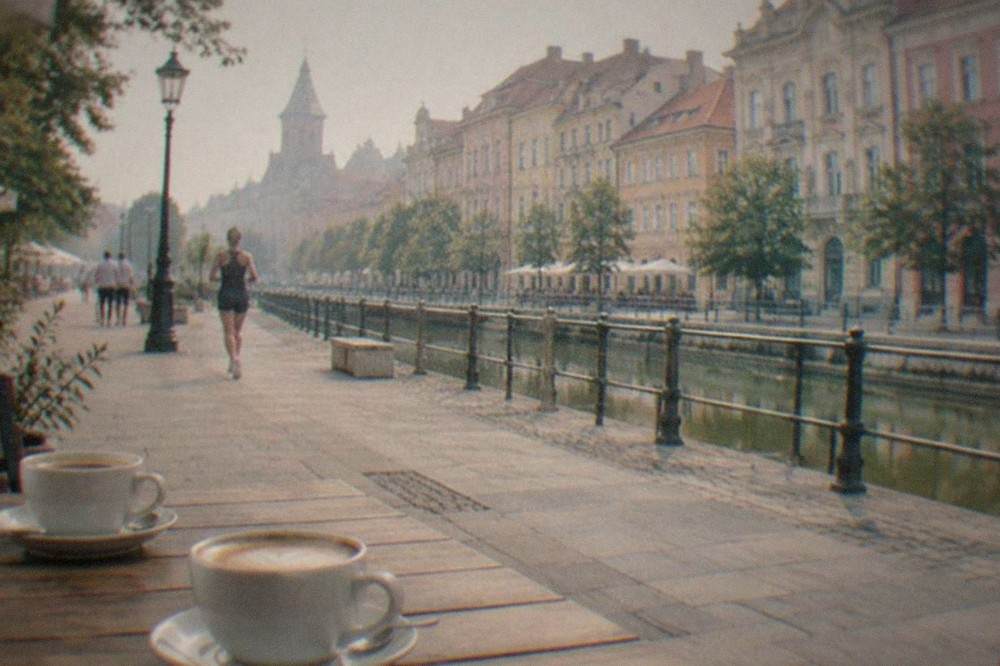
Should You Pay For Coffee In Lei, Card Or Euro?
Pay in lei or by card, never in euro: Romania's currency is the Romanian leu and the euro is not adopted, so a Timisoara cafe will price your cappuccino at 13 to 15 lei and expects payment in lei or by card, not in foreign cash. The National Bank of Romania published a reference rate of 5.2788 lei per euro on 23 September 2026, the rate to use when converting prices mentally.
Exchanging euro banknotes at exchange offices is straightforward, but paying with euro cash at a cafe is not normal practice.
Card payment is common in urban Romania, and contactless bank cards work on the city's public transport vehicles as well as in most cafes, though no official card-acceptance percentage exists for the country and this site will not invent one. The sensible routine for a short visit is a small amount of lei for market stalls and kiosks, plus a contactless card for everything else. The question of cash versus card gets a fuller treatment on its own page, including the practical limits of each.
One thing that does not affect your coffee: Romania is a full Schengen member, with air and sea borders included since 31 March 2024 and land borders since 1 January 2025. If you are arriving from another Schengen country, there are no routine border checks on the way in, and the Entry/Exit System, fully operational at external borders since 10 April 2026, applies only to non-EU short-stay travelers entering from outside the zone.
Where Do The Best Coffee Walks In Timisoara Start?
The best coffee walks in Timisoara start in the Cetate old town, where the terraces around Piata Unirii and Piata Victoriei put the densest cluster of cafes within a few minutes' stroll of each other, and they extend naturally into Elisabetin and Fabric, the historic neighborhoods where locals actually drink. Since the tracker data puts every cappuccino at 13 to 15 lei, choosing where to drink is about the square and the seat rather than the price. A guided walk stitches the squares together with the stories behind them.
A walking tour is a genuinely good pairing with a coffee morning here, because the city's cafe geography and its revolutionary history occupy the same blocks. The 1989 Revolution began in Timisoara, and the squares where you would sit with a cappuccino are the same squares where crowds gathered in December of that year. The related tour below covers exactly that ground; its price and availability render on the listing itself.
For visitors weighing the city against other Romanian destinations, the comparison pages on whether Timisoara is worth visiting and the Little Vienna nickname explain what the coffee money actually buys: an Austro-Hungarian square, a Banat multicultural history and a walkable center, at prices the trackers put far below the cities that share the architecture.
Common Questions About Coffee Prices In Romania
How much is a cup of coffee in Romania?
The best-documented figure is for Timisoara: a regular cappuccino cost 13 to 15 lei in September 2026, per Expatistan, Numbeo and Hikersbay. That is roughly 2.50 to 2.85 euro at the National Bank of Romania rate of 5.2788 lei per euro published on 23 September 2026. No official national coffee price exists, so treat the Timisoara band as a benchmark for urban Romania rather than a nationwide guarantee.
Is coffee in Romania cheap?
By Western European standards, yes. A cappuccino at 13 to 15 lei in Timisoara compares with an inexpensive restaurant meal at about 45 to 50 lei and a domestic draught beer at 11 to 12 lei in the same September 2026 data, so the coffee sits at the low end of everyday spending. Visitors from euro-area cities will find the price noticeably lower than at home.
Can I pay for coffee in Romania with euro?
No. Romania's currency is the Romanian leu (RON) and the euro is not adopted. A Timisoara cafe prices your drink in lei and expects lei or a card payment. Exchange offices handle euro banknotes easily, and the reference rate to keep in mind was 5.2788 lei per euro as of 23 September 2026.
Do cafes in Timisoara take cards?
Card and contactless payment is common in the city, including on public transport vehicles, though no official card-acceptance statistic exists for Romania. Carrying a small amount of lei for kiosks and market stalls, alongside a contactless card for cafes and restaurants, is the practical routine that works well here.
Why is coffee in Timisoara cheaper than in Vienna?
Operating costs, not coffee quality, drive the gap. Rents, wages and utilities in Timis County are lower than in Austria, and Timisoara's dense, competitive cafe scene keeps prices close to the 13 to 15 lei band the trackers recorded in September 2026. The city shares much of Vienna's Habsburg-era architecture and coffeehouse culture, which is why the price difference surprises many first-time visitors.
Is there a tourist tax on top of coffee prices in Romania?
No, the tourist tax applies to accommodation, not to cafes. Timisoara charges a special tax for tourism promotion, collected by lodging providers on the room rate; the rate is reported as 2 percent of the tariff excluding VAT, sourced from an annex to the 2026 local council decision rather than read directly from the ordinance. Your cappuccino is unaffected.