Timisoara Vs Novi Sad
Timisoara in western Romania and Novi Sad in northern Serbia sit barely 150 km apart as the crow flies, yet a border, a currency, and two very different city characters separate them.
Short answer
This guide compares both honestly, covering Timisoara's figures only.
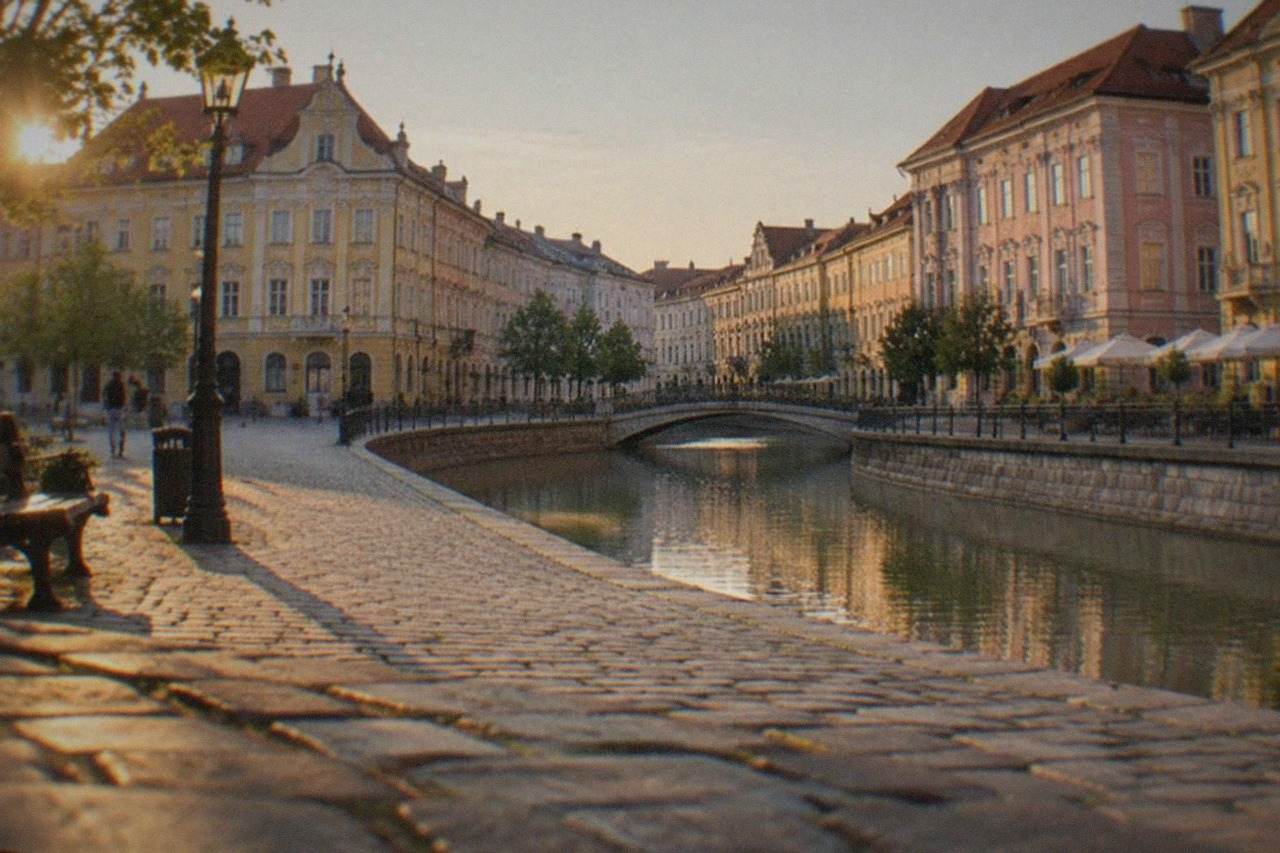
Timisoara, in Timis County in the Banat region of western Romania, and Novi Sad, across the border in Serbia's Vojvodina, are the two great cities of the historic Banat plain, and travelers doing a Balkan loop increasingly ask which one deserves the limited weekend. The honest answer is that they are not substitutes. Timisoara is a Habsburg-planned city of baroque squares, Secession facades, and the street corner where the 1989 Romanian Revolution began; Novi Sad is a Danube city watched over by a hilltop fortress, with a more relaxed, river-paced rhythm. This comparison cites figures for Timisoara only, because that is the city this site researches in depth; where Novi Sad is described, the description is qualitative, the kind of thing any visitor can check for themselves on arrival.
One practical difference frames everything else: Romania is a full Schengen member, with land borders open since 1 January 2025, while Serbia remains outside the EU and outside Schengen, so crossing from one city to the other means an external-border passport check. The Entry/Exit System has recorded biometric entries at borders like this since it became fully operational on 10 April 2026. Plan for that checkpoint and the two-city question becomes easy to manage.
Where Are Timisoara And Novi Sad, And Which Is Easier To Reach?
Timisoara lies in western Romania, about 12 km southwest of its own international airport and roughly 150 km north of Novi Sad as the crow flies, but the border crossing between them adds real time: waits toward Serbia typically run 20 to 30 minutes at crossings such as Jimbolia-Vrsac and Moravita-Vatin, and no direct train runs toward Belgrade. For most European travelers, Timisoara's airport makes it the easier city to fly into.
Timisoara's Traian Vuia International Airport handled 1,458,098 passengers in 2025, up 10.2 percent from 1,323,690 in 2024, according to Romanian Airports Association figures reported in February 2026. Wizz Air is the dominant operator, and 2026 brought new routes including Turkish Airlines from Istanbul from 1 April, plus Wizz Air's Berlin, Birmingham, and Prague additions from late May. The airport is about 12 km northeast of the center, and the STPT express bus E4 connects the Bastion to the terminal; the planning detail for getting from Timisoara airport to the city center is covered in its own guide.
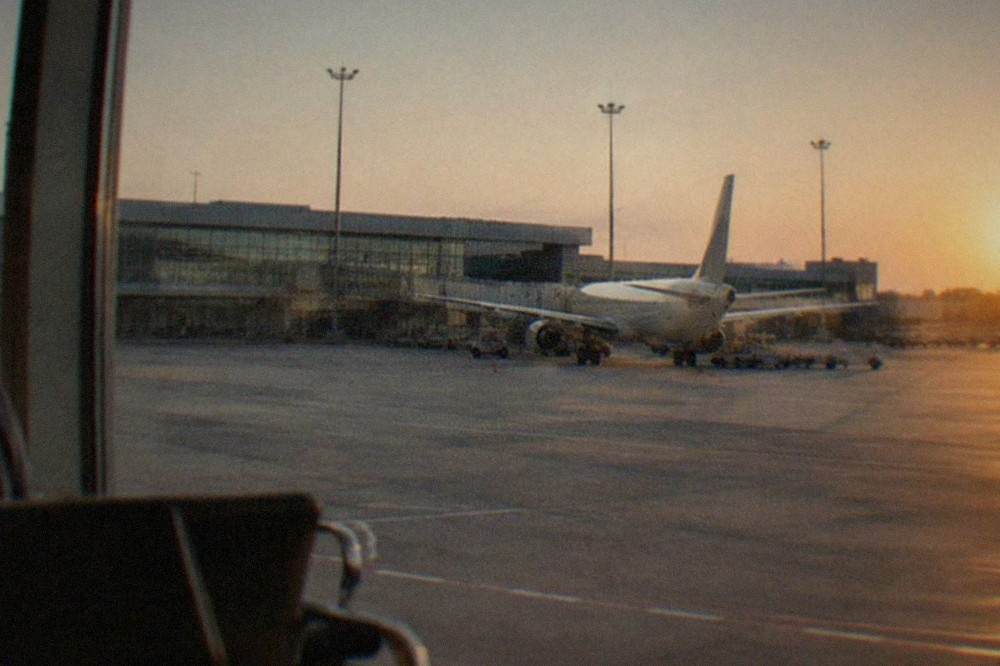
Novi Sad has no comparable international airport of its own; visitors arrive overland, most often via Belgrade, or by road across the border from Romania. That asymmetry matters for itinerary planning. If you fly, Timisoara is the natural entry point, and Novi Sad becomes a side trip; if you are already in Serbia, the reverse applies. Note one 2026 wrinkle: the airport's runway is closed for essential repairs from 2 to 22 November 2026, a closure announced by the airport in July 2026, so anyone routing through Timisoara that month should check their flight.
The land crossing itself is straightforward but real. Romania and Hungary have been a single internal Schengen border since 1 January 2025, with no routine checks, but Serbia is an external border, so passports come out. Live border monitoring in late September 2026 showed Romania-to-Serbia waits of roughly 20 to 30 minutes at the Timis-area crossings, with the return direction occasionally longer at busier points. There is no direct Timisoara-Belgrade train currently; officials from both countries discussed restoring passenger service on the Stamora Moravita-Vrsac route in August 2026, but nothing was confirmed. Buses remain the practical option, typically with a journey in the three-and-a-half to four-hour range to Belgrade, and Novi Sad sits on that corridor.
What Kind Of City Break Is Timisoara Compared With Novi Sad?
Timisoara is a compact, walkable Habsburg city of three linked historic squares and a dense layer of European firsts, from the first mainland European city with electric street lighting on 12 November 1884 to the first horse-drawn tram in the Habsburg Empire in 1869; Novi Sad is a Danube city whose identity centers on its riverbank and fortress on the far shore. Neither is better, they are simply different products.
Timisoara's character rewards walkers. The old town of Cetate strings together Piata Unirii, Piata Libertatii, and Piata Victoriei, and the surrounding neighborhoods of Iosefin, Fabric, and Elisabetin add Secession facades and quiet streets. The city's list of firsts is genuinely unusual: the first newspaper printed in Romania in 1771, the first telegraph service in 1854, the first electric tram in 1899, and the first city of the Habsburg monarchy with lamp-lit streets in 1760. The 2023 European Capital of Culture year, shared with Elefsina and Veszprem, left behind a still-active cultural scene, and the city was named Romania's Destination of the Year 2026 at a May 2026 gala with roughly 450,000 public votes cast.
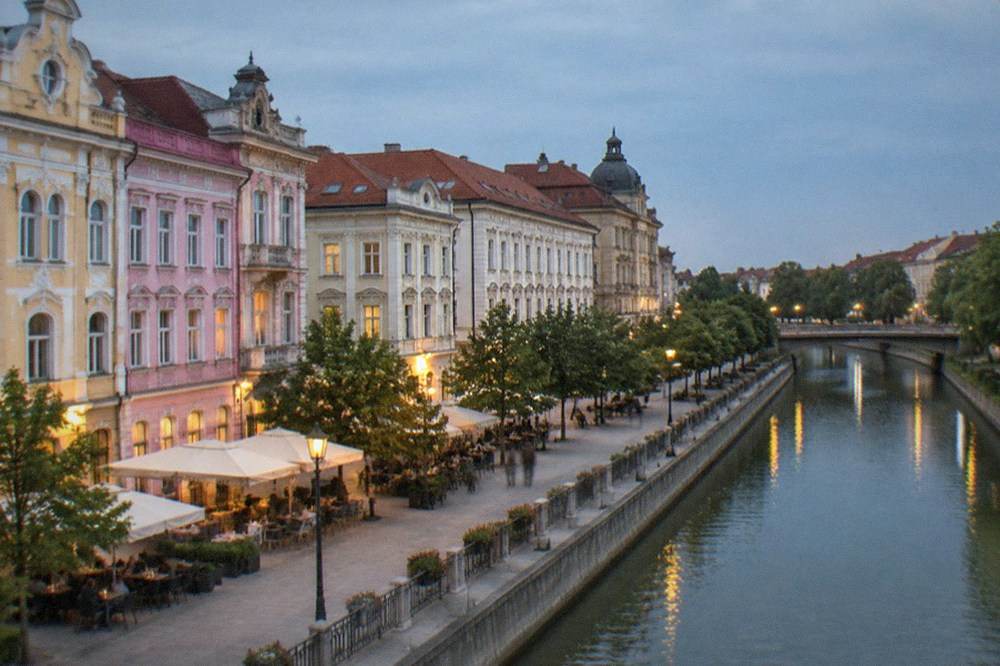
Novi Sad's appeal is more horizontal. The city spreads along the Danube, and its famous fortress on the right bank dominates the skyline; the old center on the left bank is pleasant and walkable, with cafe-lined lanes and a relaxed, student-city atmosphere. Where Timisoara's sights are concentrated in a compact grid, Novi Sad's pleasures are distributed along the water, and the river, not the square, is the organizing principle. Travelers who love waterfront promenades will feel at home there; travelers who love layered urban history will find more of it in Timisoara.
For depth on the Romanian side, a guided walk beats self-guiding on a short visit. The Heritage Exploration walk, Timisoara Historical Walking Journey, is one option for turning a short visit into a real understanding of the city's layers; its price is not published by the operator, so check the live listing rather than expecting a printed figure.
For the wider picture, the city's Revolution story is worth reading before arrival: the 1989 Revolution in Timisoara explains why 16 December is marked in the city every year, and the Banat region overview explains why a city with a Hungarian historic name, Temesvar, and a German one, Temeswar, feels so culturally layered.
How Do The Sights And Squares Compare In Timisoara And Novi Sad?
Timisoara's core sights are its three historic squares, four denominations' churches standing within a few hundred meters of one another, and verified museums including the Memorial of the 1989 Revolution at 20 lei adult entry and the Art Museum in the Baroque Palace, open Wednesday to Sunday; Novi Sad's signature sight is its Danube fortress, followed by its riverside old town. In both cities the historic cores are free to wander.
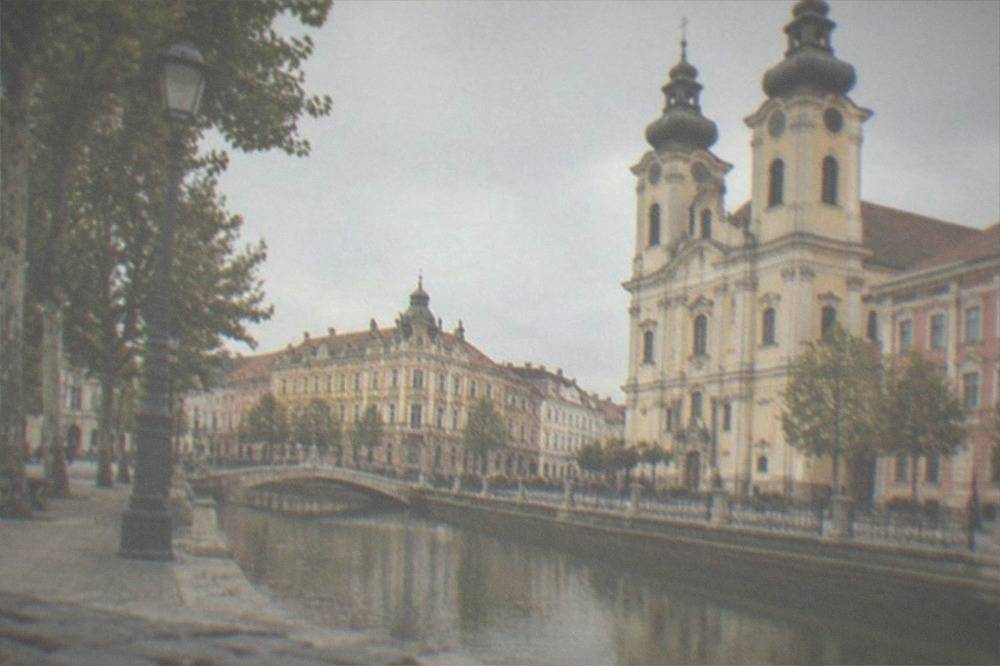
Timisoara's Piata Unirii is the showpiece: a baroque square lined with pastel palaces, the Catholic and Serbian Orthodox cathedrals facing each other, and the Art Museum inside the Baroque Palace. The museum's own site lists summer hours of 13:00 to 21:00 from June through September and winter hours of 10:00 to 18:00 from October through May, closed Mondays and Tuesdays. The Memorial of the 1989 Revolution charges 20 lei for adults, covering eight permanent and three temporary exhibitions plus a documentary screening, and is open weekdays from 08:00 and weekends from 10:00. The Banat Village Museum, open Wednesday to Sunday, rounds out the set with an open-air collection of regional architecture.
| Timisoara sight | Verified hours | Verified entry fee |
|---|---|---|
| Art Museum, Baroque Palace | Wed-Sun, 13:00-21:00 summer; 10:00-18:00 winter | Not published on the site |
| Memorial of the 1989 Revolution | Mon-Fri 08:00-17:00; Sat-Sun 10:00-18:00 | 20 lei adults |
| Banat Village Museum | Wed-Sat 10:00-18:00; Sun 12:00-20:00 | 20 lei adults, as reported |
| Piata Unirii, Piata Victoriei, Piata Libertatii | Public squares, always open | Free |
| Bega canal promenade | Always open | Free |
Novi Sad counters with a single sight of real drama: the fortress complex above the river, with its tunnels, ramparts, and clock tower, plus a museum of the city inside the walls. The old town on the left bank adds pleasant streets, and the city is known internationally for its summer music festival, which draws a large international crowd each July. But Novi Sad's indoor depth is thinner, and on a rainy day the options narrow faster than in Timisoara, which has a longer museum bench, including new openings such as the MINA immersive art venue that opened in Iulius Town on 3 April 2026 and the children's interactive museum that opened in the Maria Theresia Bastion in May 2026.
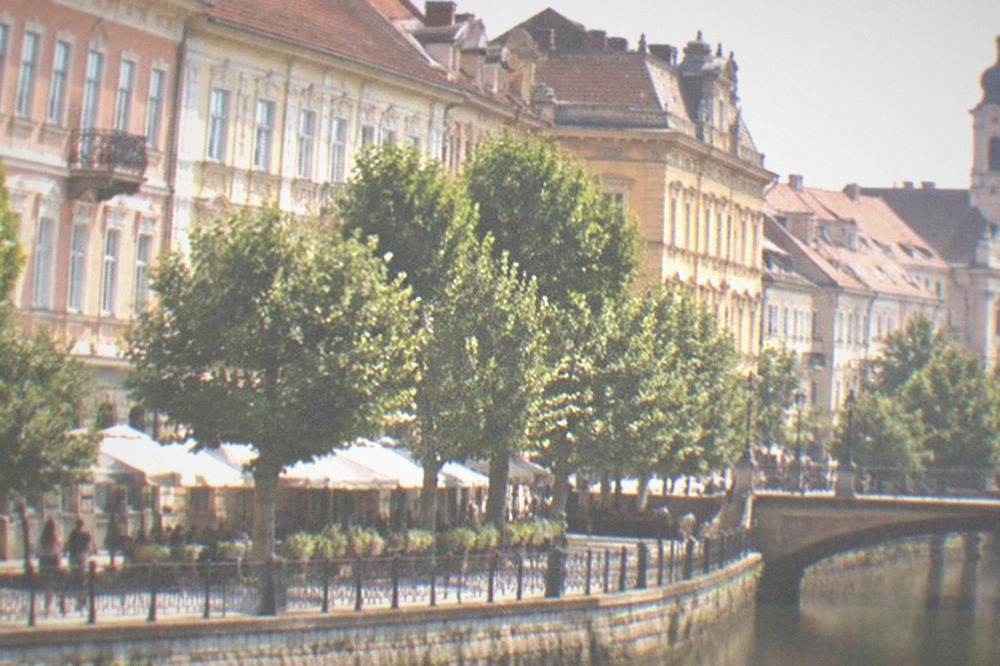
The most efficient way to see Timisoara's core in one pass is a walking tour, and the trio below spans the three main angles: the heritage walk, a day trip into the Banat's gorges and waterfalls, and a tour of the city's remarkable concentration of churches.
What Does A Trip To Timisoara Cost Compared With Novi Sad?
Timisoara is affordable by Western European standards, with local prices including a 5 lei single transport ticket, an 18 lei day pass valid on trams, trolleybuses and the Bega water bus, a draught beer at 11 to 12 RON, and an inexpensive restaurant meal around 45 to 50 RON; Serbia uses the dinar, and no local figures are available for Novi Sad, so budget from Timisoara's numbers.
The leu (RON) is Romania's currency and the euro is not adopted; the National Bank of Romania's reference rate stood at 5.2788 RON per euro on 23 September 2026. Serbia, by contrast, uses the Serbian dinar, so a two-city trip means two currencies and two sets of small cash decisions. Card payments are widely accepted in Timisoara's public transport, with contactless bank cards working on board vehicles. More of these guides are collected on Timisoara Travel Guide.
| Timisoara cost item | Verified or reported figure |
|---|---|
| Single transport ticket, 60 min, all modes | 5 lei |
| 1-day pass, all modes incl. water bus | 18 lei |
| 30-day general pass | 160 lei |
| Draught beer, 0.5 L | 11-12 RON |
| Cappuccino | 13-15 RON |
| Inexpensive restaurant meal | 45-50 RON |
| Mid-range hotel night | roughly 176-227 RON, as reported by price trackers |
One cost that catches visitors out is the local tourist tax: Timisoara levies a tourism-promotion tax, reported at 2 percent of the accommodation tariff excluding VAT, set by local council decision for 2026 and collected by the lodging, so it appears on your hotel bill rather than at a desk. Serbia has its own accommodation taxes; the figures differ and this site does not verify them, so read your booking confirmation on both sides of the border. For the full cost picture on the Romanian side, see Timisoara cost and prices and the guide to the Romanian currency.
When Is The Best Time To Visit Timisoara Rather Than Novi Sad?
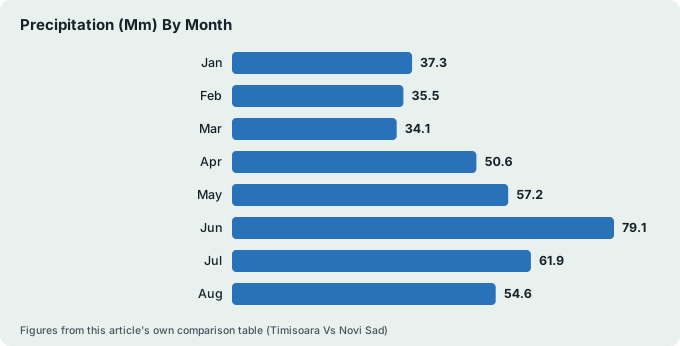
Timisoara is at its best from May through September, when the JMA climate normals for the city's station show means climbing from 17.3 C in May to a peak of 22.8 C in July, with June the wettest month at 79.1 mm; winter is genuinely cold, with a January mean of 0.0 C. Both cities share a continental climate, so the seasonal logic is the same on either side of the border.
The climate data below is Timisoara's own, from the JMA/WMO CLIMAT normals for station TIMISOARA 15247; Novi Sad, a short distance southwest, has a broadly similar continental pattern, but this site publishes no verified numbers for it.
| Month | Mean temp (C) | Precipitation (mm) |
|---|---|---|
| Jan | 0.0 | 37.3 |
| Feb | 2.1 | 35.5 |
| Mar | 6.5 | 34.1 |
| Apr | 12.3 | 50.6 |
| May | 17.3 | 57.2 |
| Jun | 20.9 | 79.1 |
| Jul | 22.8 | 61.9 |
| Aug | 22.5 | 54.6 |
| Sep | 17.2 | 50.4 |
| Oct | 11.5 | 50.0 |
| Nov | 6.4 | 45.3 |
| Dec | 1.5 | 44.7 |
The event calendars differ in flavor. Timisoara's 2026 highlights included the Jazz Festival on 25 to 27 September, the city celebration over 31 July to 3 August with more than 100,000 attendees reported, and the Flight Festival in June at the Banat Village Museum. Novi Sad's calendar is anchored by its famous July music festival on the fortress grounds, which reshapes the city's accommodation market for a week each summer. If a festival is your reason for traveling, let the festival choose the city. For the Romanian side's full seasonal logic, see the best time to visit Timisoara and the month-by-month Timisoara weather guide.
Timisoara Or Novi Sad For Food, Nightlife, And Day Trips?
Timisoara offers a Banat food culture that is genuinely mixed, Romanian, Hungarian, German, and Serbian influences on one menu, with a craft beer scene and a riverbank nightlife strip along the Bega, plus day trips into gorges, waterfalls, and wineries within two hours; Novi Sad leans into Serbian grill culture and Danube-side cafe life, with forested hill country as its classic hinterland. Timisoara wins on day-trip range; Novi Sad wins on evening atmosphere by the water.
Banat cuisine is the quiet argument for the Romanian side. Timisoara's restaurant scene mixes sarmale and goulash with local sausages and the region's German-inherited pastries, and the Timisoara food guide and restaurant picks cover where to eat it. The city's brewery tradition dates to 1718, when what is now the Timisoreana brewery became the oldest attested brewery in Romania, and today's craft beer scene is covered separately, as is the nightlife, much of it strung along the Bega's banks.
Day trips are where the geography tilts clearly to Timisoara. From the city you can reach the Nera Gorge, the Danube gorges at Cazanele, the Bigar waterfall, the Recas wine region, and even Corvin Castle on a long day, and the Novi Sad day trip itself is possible for travelers with a full day and a tolerance for the border. Novi Sad's own hinterland, the forested hill country south of the river with its historic monasteries and wine routes, is lovely, but the terrain is gentler and the set of options smaller.
| Timisoara day-trip direction | What you reach | Character |
|---|---|---|
| South | Nera Gorge National Park, Bigar waterfall | Gorges, forest, hiking |
| Southeast | Danube gorges at Cazanele, Decebalus rock sculpture | River cliffs, boat trips |
| East | Recas winery region | Wine tasting, plains |
| North | Corvin Castle at Hunedoara, onward to Sibiu | Medieval castles, long day |
| West | Novi Sad, Serbia | Border crossing, fortress city |
A street food walk is a good way to taste the Banat mix in a single afternoon; Bite your way through Timisoara covers the stands and market counters. For a first-day orientation that costs nothing up front, the free-walk model works well here: Timisoara Essentials with Alex, listed on GuruWalk with its guru, is tip-based, so you pay what the walk was worth to you.
Which Should You Choose: Timisoara Or Novi Sad?
Choose Timisoara for the denser historic core, the deeper museum bench, the easier international flight access, and day trips into gorges and wine country; choose Novi Sad if the Danube, the fortress viewpoint, and Serbia's cafe-and-grill evening culture are what you are after. With three or more days, do both: the border crossing adds minutes, not days, and the two cities bookend the historic Banat better than either does alone.
The strongest version of the combined trip flies into Timisoara, spends two or three nights there, then crosses at Jimbolia or Moravita toward Vrsac and Novi Sad before continuing to Belgrade. The weekend in Timisoara guide shows how little time the Romanian city needs to reveal itself, and the master list at things to do in Timisoara is the place to build the days. Travelers coming the other way, from Belgrade or Budapest, should note that direct trains run from Budapest to Timisoara in roughly five and a half hours, twice daily, making a Hungary-Romania-Serbia triangle entirely feasible by rail; the Timisoara to Budapest guide covers it.
For a final orientation on the Romanian side, The Classic Tour of Timisoara remains the most-reviewed standard walk, and its tour page has the details. Check availability
Whichever city anchors the trip, the comparison above should make one thing clear: these two are complements, not rivals, and the border between them is thinner than the differences in character. The trio below gathers the three walks and day trips that best show off the Romanian side of that divide.
Common Questions About Timisoara Vs Novi Sad
Is Timisoara or Novi Sad cheaper to visit?
Both are affordable by Western European standards, but this site publishes verified prices only for Timisoara: a 5 lei transport ticket, an 18 lei day pass, a draught beer at 11 to 12 RON, and a simple restaurant meal at 45 to 50 RON. Serbia uses the dinar and its price level is broadly similar in feel, but no verified Novi Sad figures appear here, so budget from the Timisoara numbers and confirm locally.
Can you visit Novi Sad as a day trip from Timisoara?
Yes, though it is a long day. The crossing at Jimbolia or Moravita typically takes 20 to 30 minutes toward Serbia, there is no direct train toward Belgrade, and buses run the corridor in the three-and-a-half to four-hour range, so expect most of a day for the round trip. A full guide to the Novi Sad day trip covers the logistics.
Do you need a passport to travel between Timisoara and Novi Sad?
Yes. Romania is a full Schengen member, but Serbia is outside Schengen, so the crossing is an external border with passport checks, and since 10 April 2026 the Entry/Exit System records biometric entries for non-EU short-stay travelers. EU citizens can travel with ID cards; other nationalities should carry passports.
Which city has better flight connections, Timisoara or Novi Sad?
Timisoara does. Its Traian Vuia International Airport handled 1,458,098 passengers in 2025, with Wizz Air as the largest operator and new 2026 routes including Istanbul, Berlin, Birmingham, and Prague. Novi Sad has no comparable international airport; visitors arrive via Belgrade or overland.
Is Timisoara or Novi Sad better for a weekend?
Timisoara is the denser weekend city: three historic squares, a walkable core, and a deeper set of museums fit comfortably into two days. Novi Sad rewards a slower, river-paced visit. If you only have one weekend and you are flying, Timisoara's airport usually decides it.
What currency do I need for each city?
Timisoara uses the Romanian leu (RON), at a reference rate of 5.2788 RON per euro on 23 September 2026; the euro is not adopted in Romania. Novi Sad uses the Serbian dinar. A two-city trip means two currencies, and cards are widely accepted in both.