Timisoara Taxi
Taxis, Bolt and Uber all operate in Timisoara, but the rules that govern them differ, and the cheapest ride into town is not always the one you expect.

Short answer
Taxis in Timisoara run on city-regulated meters, Bolt operates widely, and Uber also serves the city; a single STPT ticket costs 5 lei and is valid on trams, trolleybuses, buses and the vaporetto.
Timisoara, the county seat of Timis County in the Banat region of western Romania, is a compact city where visitors tend to walk between the squares of Cetate and never think about wheels until the luggage appears at the airport. When that moment comes, the choice is broader than in many mid-sized European cities: licensed taxis, the Bolt app, Uber, and a public network of trams, trolleybuses, buses and even a seasonal vaporetto on the Bega. This page, part of the Timisoara Travel Guide transport series, sets out how each option works, what the STPT tariff actually charges, and where the common pitfalls hide.
Do Taxis, Bolt And Uber All Work In Timisoara?
Yes, all three operate in Timisoara: licensed taxis work on meters regulated by the city, Bolt has broad coverage across Timisoara and is the ride-hailing app locals use most, and Uber also serves the city, though with a smaller pool of drivers. A taxi can be hailed at ranks near the main squares, the train station and the airport, while both apps pick up from anywhere in the city. None of the three requires cash in advance, and all are legal options.
The practical difference is how the price is set. A Timisoara taxi charges by a metered tariff that the city regulates, so the fare depends on distance and time rather than on demand. Bolt and Uber, by contrast, quote a price in the app before you confirm, and that price can rise when demand spikes, for example late on a weekend night around the Timisoara nightlife district or during a festival weekend.
Local habit matters here. In Timisoara, as across much of Romania, Bolt is the app with the deepest driver pool, and waiting times are usually short in the central districts of Cetate, Elisabetin, Iosefin and Fabric. Uber works too, but visitors report longer waits and fewer available cars at peak times. If you plan to move around a lot by app, having both installed is the standard advice, since you can compare the quoted price on each before booking.
One thing to keep straight: a taxi hailed on the street is not the same product as a ride booked through an app, even when the car looks identical. The metered tariff and the app price are separate systems, and mixing them up is the most common way visitors overpay.
| Option | How the fare is set | How you get it | Cash accepted | Best for |
|---|---|---|---|---|
| Licensed taxi | City-regulated meter | Rank, phone, hotel | Yes | Predictable metered rides, airport rank |
| Bolt | App quote before booking | Smartphone app | In-app, sometimes cash | Short city rides, price comparison |
| Uber | App quote before booking | Smartphone app | In-app | Backup when Bolt is busy |
| STPT transit | Fixed ticket or pass | On board, kiosk, SMS | Yes, at kiosks | Almost all city journeys |
How Do Timisoara Taxi Fares Work Without Getting Overcharged?
Timisoara taxis charge on a metered tariff regulated by the local authority, and the driver must run the meter for every journey, so the fare is calculated from distance and time rather than a price you negotiate in advance. This site does not publish a per-kilometer rate because no official tariff figure is sourced for Timisoara, so treat any number quoted at the door with caution. If a driver offers a flat price instead of the meter, decline and take the next car.
The rule that protects you is simple: the meter starts when the journey starts, and the tariff card should be displayed in the car. Timisoara's licensed taxis are marked, and the driver's identity card is visible in the vehicle. If either is missing, you are not in a licensed taxi, and the safest move is to step out before the ride begins.
Ride-hailing apps sidestep the meter question entirely. Bolt and Uber show the full price in the app before you confirm, charge your card automatically, and email a receipt. That receipt is your protection if a dispute arises later, which is one reason the apps have become the default for visitors who do not speak Romanian.
For journeys you can plan ahead, the honest answer is that a taxi is rarely the only option. A single STPT ticket covers travel on every mode in the network, including the vaporetto, and the getting around Timisoara guide covers the network in detail. Between the meter, two apps and the tram, the only situation with no alternative is a late-night trip from a rank when your phone is dead, and even then the meter is your friend.
How Do You Get From Timisoara Airport To The City Center?
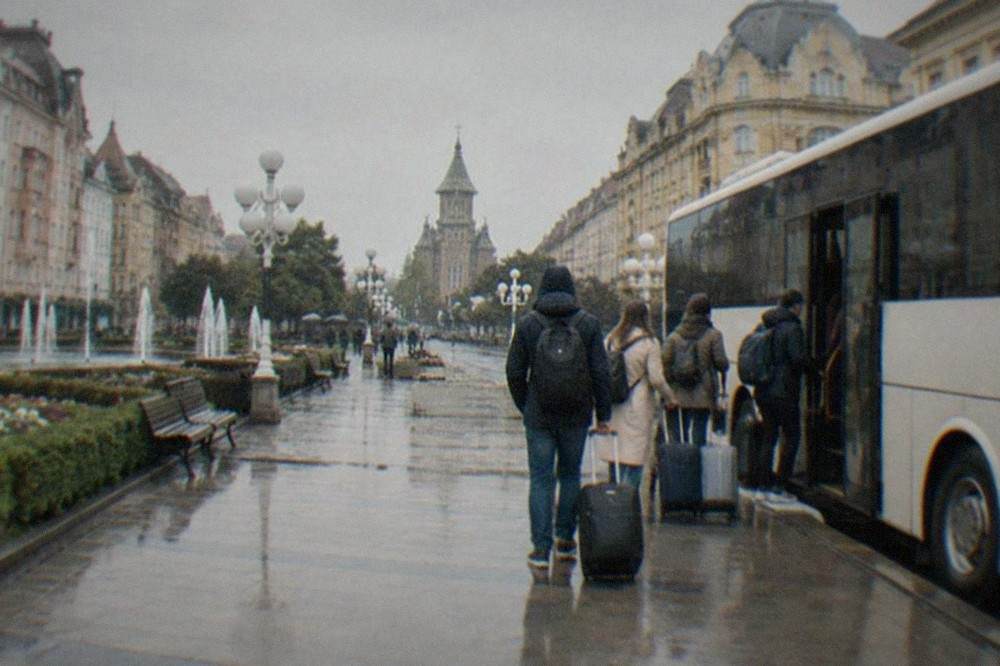
Timisoara Traian Vuia International Airport (TSR) sits about 12 km northeast of the center, and the cheapest connection is the STPT express bus line E4, which runs between the Bastion and the airport, with an E4B variant, using the standard 5 lei single ticket or any valid pass. A taxi rank and both ride-hailing apps also serve the airport, so the choice comes down to cost against convenience. The journey is short enough that all options are reasonable.
The E4 is the budget answer and it is a genuinely useful line, not a token service. You buy the same ticket used across the whole STPT network, from a kiosk, by SMS, through the eTicket system or with a contactless bank card on board. Luggage travels with you, and the route ends within walking distance of the central squares. The full picture, including what to expect on arrival, is in the Timisoara airport to city center guide.
A taxi from the airport rank is the no-thinking option. The rank is supervised, the meter applies, and the distance is fixed, so the main risk is smaller than at some airports in the region. Bolt and Uber both pick up at TSR as well, and the app price is locked before you walk out of the terminal, which removes any negotiation entirely.
One dated fact worth knowing if you are flying in late in 2026: the airport announced a full runway closure for essential repairs from 2 to 22 November 2026, so flights in that window are disrupted and ground transport demand shifts accordingly. If your trip falls in those weeks, confirm your flight status before arranging any pickup.
| Airport option | How it works | Ticket or payment | Notes |
|---|---|---|---|
| STPT express E4 / E4B | Bus between Bastion and the airport | 5 lei single, 18 lei day pass, contactless on board | Cheapest, uses standard STPT tickets |
| Taxi rank | Metered licensed taxis at the terminal | Meter, cash or card | Supervised rank, no negotiation |
| Bolt | App pickup at the airport | In-app payment | Price fixed before booking |
| Uber | App pickup at the airport | In-app payment | Smaller driver pool than Bolt |
Is Public Transport Cheaper Than A Taxi In Timisoara?
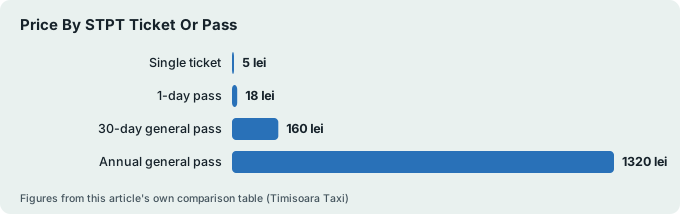
Yes, and by a wide margin: a single STPT ticket costs 5 lei and covers 60 minutes on any combination of trams, trolleybuses, buses, express lines and the vaporetto, while a 1-day pass is 18 lei and a 30-day general pass is 160 lei. These fares come from STPT's own tariff page and are the current prices after the August 2025 increase. Against any metered or app-based ride, the transit network wins on cost for almost every city journey.
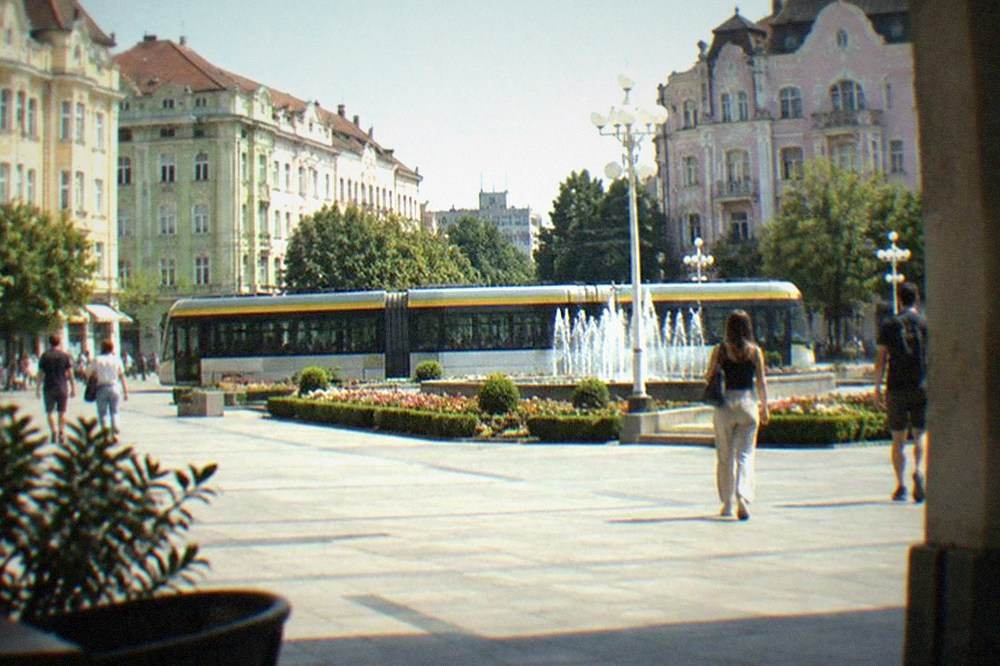
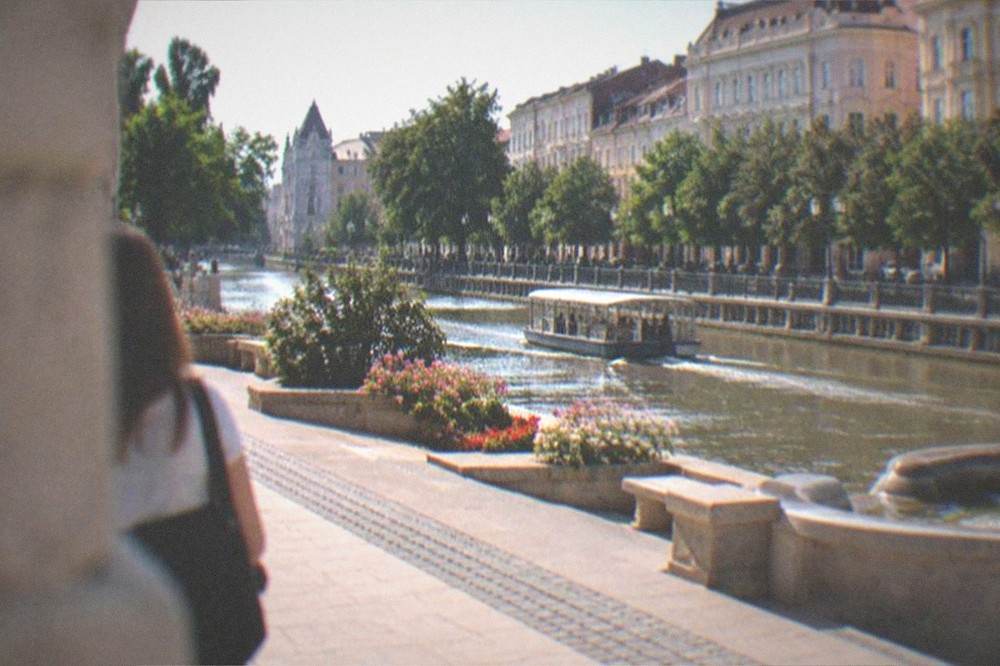
The network is extensive: trams on lines 1, 2, 4, 5, 6a, 6b, 7, 8 and 9, trolleybuses on lines 11, 14, 15, 16, 17 and 18, express lines E1 through E8, and the seasonal vaporetto V1 on the Bega. The vaporetto runs from 1 April to the end of October with 9 stops per direction, and the same 5 lei ticket covers it. For a city of this size, that is unusual coverage, and it is the reason a taxi in central Timisoara is a convenience rather than a necessity.
Payment is flexible. You can tap a contactless bank card on board, use an e-wallet card, pay by SMS, use mobilPay, buy through the eTicket online system, or purchase from STPT kiosks. One change to know: the 24pay method was suspended in April 2026, so if an older guide tells you to use it, that advice is out of date. Real-time arrivals are available through STPT's own live system.
A dated disruption matters if you are visiting in late 2026: Piata Traian is closed to trams from 3 August 2026 to the end of the year for works, with the affected lines diverted. If your hotel or dinner plan sits in Fabric, check the live STPT alerts before assuming your usual tram line runs.
| STPT ticket or pass | Price | What it covers |
|---|---|---|
| Single ticket | 5 lei | 60 minutes, all modes including the vaporetto |
| 1-day pass | 18 lei | Unlimited travel for one day, all modes |
| 30-day general pass | 160 lei | All lines, one month |
| Annual general pass | 1,320 lei | All lines, one year |
| Payment method | Where it works | Status |
|---|---|---|
| Contactless bank card | On board vehicles | Current |
| E-wallet card | On board and validators | Current |
| SMS ticket | Mobile network | Current |
| mobilPay | Online and mobile | Current |
| eTicket | STPT online system | Current |
| 24pay | Was an app-based method | Suspended April 2026 |
When Is A Taxi Or Ride-Hailing App The Better Choice In Timisoara?
A taxi or app ride is the better choice in four situations: late at night when tram frequencies drop, when you are carrying luggage to or from the airport or the train station, when you are traveling in a group of three or four where splitting an app fare approaches the transit cost per person, and when your destination sits outside the walkable core, such as a district event or a trailhead. Outside those cases, the tram network reaches nearly everything a visitor needs.
Night is the clearest case. Timisoara's squares are pleasant to walk, and the city has a strong safety record by regional standards, but after midnight the calculus changes for distance. A Bolt ride from the restaurant and bar zone back to a hotel in Iosefin or Elisabetin is short, cheap and removes the wait at an empty stop.
Luggage is the second case. The E4 handles airport luggage fine, but a family with four suitcases after a delayed flight will value a door-to-door ride more than the 5 lei saving. The same logic applies at Timisoara Nord train station, where the long-distance services from Budapest and Bucharest arrive.
Groups are the third case. Four people sharing one app ride pay a quarter each, which narrows the gap with transit to the point where convenience wins. Solo travelers almost never reach that threshold in a city this compact.
The fourth case is the one most guides miss: Timisoara's attractions cluster in Cetate, but the city's character extends to the outer neighborhoods, and some of the best hidden gems sit where trams run but walking from the center stops making sense. A single app ride out and a tram back is a normal local pattern.
| Situation | Best option | Why |
|---|---|---|
| Airport arrival, solo, light luggage | E4 bus | 5 lei, same ticket as the whole network |
| Airport arrival, family, heavy luggage | Taxi rank or Bolt | Door to door, no transfers |
| Late night from bars | Bolt or Uber | Fixed price, shorter wait |
| Group of four, medium distance | Bolt, split fare | Per-person cost near transit |
| Sightseeing within Cetate | On foot | The squares are minutes apart |
| Outer district or trailhead | App ride out, tram back | Coverage without a car |
How Do You Avoid Taxi Problems In Timisoara?
The three rules that prevent almost every taxi problem in Timisoara are: take only cars with visible taxi markings and a driver identity card, insist the meter runs from the start of the journey, and prefer the app quotes of Bolt or Uber when you do not speak Romanian, because the price is fixed before the ride and the receipt is automatic. Refuse any flat-price offer made at the door, especially near the airport and the train station.
Timisoara does not have a reputation for aggressive taxi scams, and the licensed fleet is genuinely regulated, but the classic central-European pattern exists here in a mild form: an unmarked car or an off-duty driver offering a "good price" where the meter should be. The fix is not paranoia, just procedure. At a rank, take the car at the front of the line. On the street, do not accept solicitations.
The apps make most of this unnecessary. A Bolt or Uber booking ties the fare to your card, records the route, and gives you a receipt without asking. If a driver asks you to cancel the app and pay cash instead, that request is against the platform's terms and it removes your protection, so decline politely and keep the booking.
Two small local habits help. First, small notes are useful even in an app city, because the occasional cash taxi or market stall will not take a card; the Romanian currency guide covers the leu and what to expect. Second, know your destination's name in the form locals use, the square name or the street name, rather than a hotel brand, since drivers navigate by neighborhoods like Cetate, Fabric and Iosefin.
Do You Even Need A Car In Timisoara?
A car is not needed in Timisoara at all: the walkable core of Cetate, the tram and trolleybus network, and the airport express bus cover nearly every urban need, and parking in the center is zoned and paid. A rental car earns its cost only when your itinerary leaves the city repeatedly, for example a loop through the Banat villages, the Nera Gorge or a multi-day Transylvania run. For a city-break visit, wheels on demand beat wheels all week.
The arithmetic is straightforward. A day pass at 18 lei plus the occasional app ride costs a fraction of a rental day, before you count fuel and central parking. Timisoara's paid parking is managed by the municipal operator TimPark in color-coded concentric zones, with the highest rates and shortest stays in the ultra-central red zone, so a car you barely use is a liability around Piata Unirii.
Where a car, or better, a guided tour, wins is the region. The Banat is one of the more rewarding corners of western Romania, and its best material, gorges, waterfalls and remote villages, sits beyond comfortable transit reach. The Banat region and things to do in western Romania guides map the options, and the Timisoara car rental page covers the driving side if you do go that route.
For a single day out, a guided trip is usually the better product than a self-drive, because the interesting places are spread out and the roads are not always obvious. The Nera Gorge day trip is a good example of terrain where a guide adds real value.
What About Longer Journeys From Timisoara By Train Or Bus?
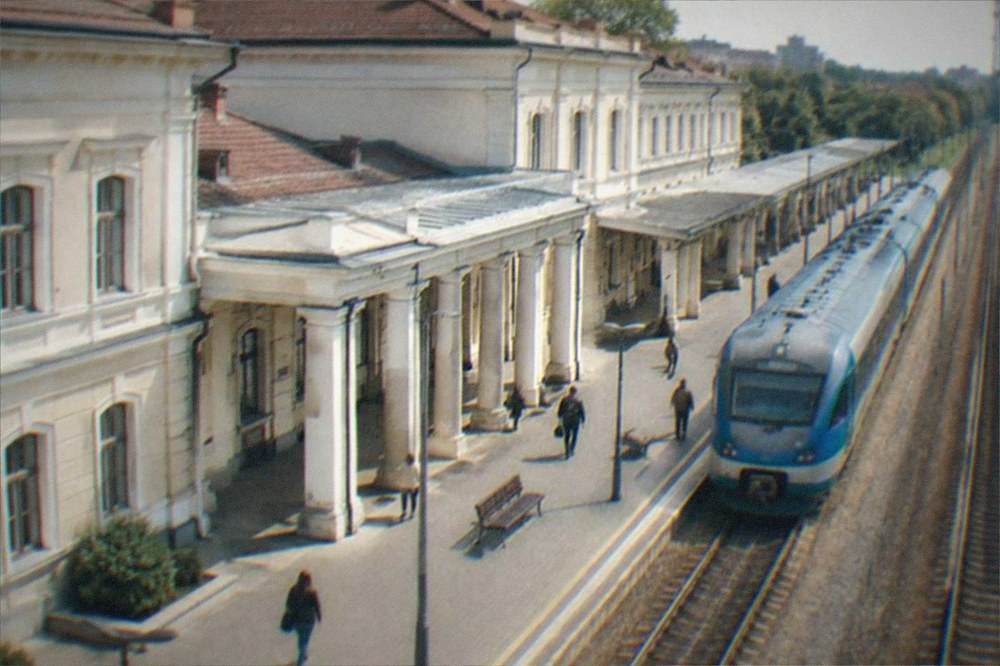
For leaving Timisoara entirely, the train beats both the taxi question and the car question: direct trains run from Timisoara Nord to Budapest in about five and a half hours, twice daily, and the Bucharest service takes about 11 to 12 hours on direct interregional trains. There is no direct train to Belgrade currently, with talks ongoing about restoring the Stamora Moravita to Vrsac section, so buses remain the straightforward Serbia option.
The Budapest line is the one that surprises people. A cross-border rail journey of that length, on a route that crosses an internal Schengen border since Romania's full land accession on 1 January 2025, means no routine identity checks, just a seat and a book. The Timisoara to Budapest guide covers tickets and timing, and the Bucharest to Timisoara page covers the domestic long haul.
Belgrade is the gap. Romanian and Serbian officials discussed resuming passenger trains on the Vrsac corridor in August 2026, but no restoration was confirmed by September 2026, so the bus, at roughly three and a half to four hours, is the practical choice. The Serbia border is an external Schengen border with passport checks, and the EU's Entry/Exit System has been fully operational at all external borders since 10 April 2026, so non-EU travelers should expect biometric registration on the way in.
None of this changes the taxi advice: get yourself to Timisoara Nord by tram or app, and let the train do the distance.
What Do Locals Actually Do When Moving Around Timisoara?
The STPT network handles most daily movement in Timișoara, with 30-day passes at 160 lei or 5 lei singles, and Bolt fills the gap when transit stops being convenient, late at night, with shopping, or in bad weather. Taxis from ranks serve older residents, hotel guests and airport arrivals. The pattern is consistent across the central districts: transit first, apps second, taxi rank third.
That hierarchy is worth copying because it is calibrated to the city's actual geography. The squares of Cetate sit within a fifteen-minute walk of each other, the tram lines stitch the historic districts to the station and the malls, and the vaporetto adds a seasonal pleasure option on the Bega between April and the end of October. A visitor who buys an 18 lei day pass on day one and downloads Bolt as a backup has, in effect, solved Timisoara transport.
Weather plays its part. The city's climate is continental, with JMA normals for the Timisoara station showing a January mean of 0.0 C and a July mean of 22.8 C, and June the wettest month at 79.1 mm of rain against March's 34.1 mm. In practice that means trams in the summer heat, app rides in a June downpour, and no mode of transport that solves a gray February evening except an early dinner. The best time to visit Timisoara and weather by month guides tie the seasons to the calendar.
For the city itself, though, the summary fits in one line: walk Cetate, tram everywhere else, and let Bolt cover the gaps.
Common Questions About Timisoara Taxis
Is Uber available in Timisoara?
Yes, Uber operates in Timisoara, alongside Bolt. Bolt has the larger driver pool and shorter typical waits, so many visitors install both and compare the quoted price before booking. Both apps pick up at the airport, the train station and anywhere in the city.
How much is a taxi from Timisoara airport to the city center?
The airport sits about 12 km northeast of the center, and taxis from the supervised rank run on the meter. This site does not publish a fare figure because no official tariff is sourced, so confirm the metered price with the driver before departing, or book Bolt or Uber for a price fixed in the app. The STPT express bus E4 is the budget alternative at the standard 5 lei ticket.
Is Bolt cheaper than a taxi in Timisoara?
There is no fixed answer, because Bolt prices vary with demand while taxi fares follow a regulated meter. At quiet times the two are often close; at peak times an app surge price can exceed the metered fare. The practical rule is to check the Bolt quote, and if a taxi rank is steps away, compare before committing.
Do Timisoara taxis take credit cards?
Some do, but card acceptance is not universal across the fleet, and no official card-acceptance figure is published. Assume cash may be needed for a street-hailed taxi, while Bolt and Uber always charge your card through the app. STPT vehicles accept contactless bank cards directly for tickets.
What is the cheapest way to get around Timisoara?
The STPT network. A single ticket is 5 lei and covers 60 minutes on every mode including the vaporetto, and a 1-day pass is 18 lei. Since the central squares are all within walking distance, many visitors combine walking with one or two transit rides a day and spend almost nothing on transport.
Do I need to tip taxi drivers in Timisoara?
Tipping is not expected. Rounding up a metered fare or leaving small change is appreciated but entirely optional, and app-based rides need nothing extra since the platform price is the full price.