Timisoara European Capital Of Culture
Timisoara shared the 2023 European Capital of Culture title with Elefsina and Veszprem, and the year left the Romanian city with new venues, bigger audiences and a cultural program that never really stopped.
Short answer
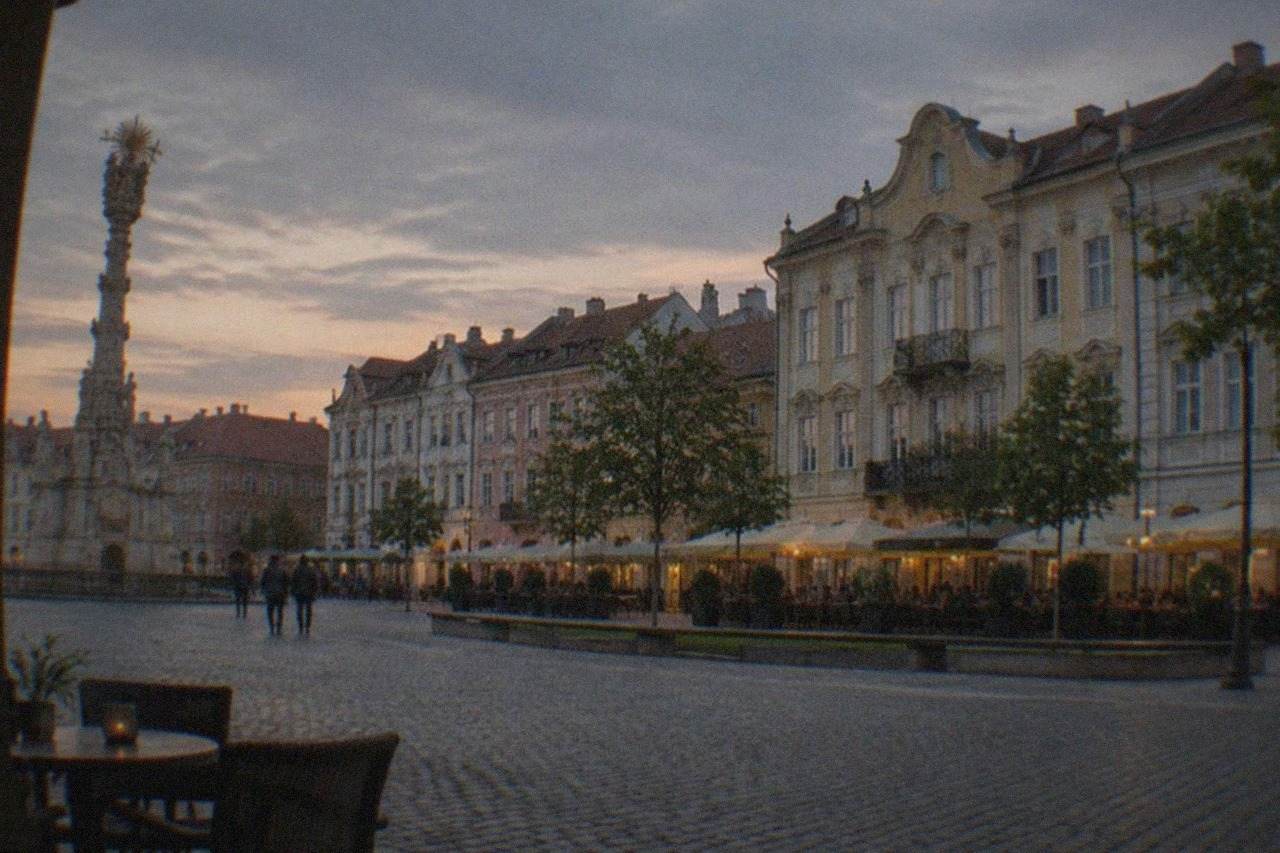
Timisoara, in western Romania, was a European Capital of Culture in 2023, sharing the title with Elefsina in Greece and Veszprem in Hungary, with an opening weekend held 17 to 19 February 2023.
Timisoara, the main city of Timis County in the Banat region of western Romania, held the title of European Capital of Culture in 2023, sharing the year with Elefsina in Greece and Veszprem in Hungary. The opening weekend ran 17 to 19 February 2023, and the months that followed turned a city already known for its baroque squares and its role in the 1989 Revolution into one of the most talked-about city-break destinations in eastern Europe. This guide explains what the title actually meant for Timișoara, what the year left behind, and what a visitor arriving today can still see of it.
What Was Timisoara European Capital Of Culture 2023?
The European Capital of Culture is an EU program that gives one or more cities a year-long cultural spotlight, and Timisoara held the title in 2023 alongside Elefsina in Greece and Veszprem in Hungary. The official opening weekend took place 17 to 19 February 2023, and the program ran across the city's theaters, museums, squares and industrial heritage sites for the rest of the year. The title is awarded by EU member states on a rotating basis, and it is not a UNESCO inscription of any kind.
The city hall's own economic report lists the achievements Timisoara built its bid on, and they read like a history of European urban firsts. The city claims the oldest attested brewery in Romania, from 1718, the first navigable canal in the country, the Bega, whose canalising began in 1728, and the first newspaper printed on Romanian territory, from 1771. The headline claim is bigger: on 12 November 1884, Timisoara became the first city on mainland Europe with electric street lighting, 731 incandescent lamps covering 59 km of streets. Add the first electric tram in Romania, in 1899, and the first horse-drawn tram in the Habsburg Empire, from 8 July 1869, and the pitch writes itself.
| Year | Timisoara First | Scope |
|---|---|---|
| 1718 | Oldest attested brewery in Romania | Romania |
| 1728 | Canalising of the Bega begins, first navigable canal | Romania |
| 1760 | First city of the Habsburg monarchy with lamp-lit streets | Habsburg monarchy |
| 1771 | First newspaper printed in Romania | Romania |
| 1884 | First city on mainland Europe with electric street lighting | Mainland Europe |
| 1899 | First electric tram in Romania | Romania |
| 1953 | Three state theatres, in Romanian, Hungarian and German | Only European city |
The 2023 program itself leaned on that multilingual identity. Timisoara is the only European city with three state theatres performing in Romanian, Hungarian and German, a fact the city hall report dates to 1953, and the ECoC year put that tri-lingual cultural life at the center of its branding. The year also coincided with a wave of physical restoration: the Cetate Synagogue was being brought back to life, the Memorial of the 1989 Revolution ran an expanded program, and former industrial spaces were opened to the public for exhibitions and performance. For more on the city's broader story, see the history of Timisoara.
Why Was Timisoara Chosen As A European Capital Of Culture?
Timisoara was chosen because its bid combined a documented record of technical and cultural firsts, a genuinely multilingual society with Romanian, Hungarian and German state theatres, and a stock of restored baroque and industrial-heritage buildings able to host a year-long program. The city's role as the place where the 1989 Revolution against the communist regime began gave the bid a symbolic weight that few candidate cities could match.
The selection process for the title runs through national juries and EU institutions, and Timisoara's win was announced years before 2023, giving the city time to prepare. What strengthened the file was the physical city itself: the baroque core around Union Square and Liberty Square, the restored bastion fragments, and the Bega canal cutting through the middle of town. The revolution story mattered too. The events that started in Timisoara in December 1989 and brought down the regime are documented at the Memorial of the 1989 Revolution, which charges 20 lei for adults and covers eight permanent and three temporary exhibitions plus a documentary screening, open Monday to Friday from 08:00 to 17:00 and weekends from 10:00 to 18:00.
A visitor who wants that story told on the ground, in the places where it happened, has a dedicated option. The Rise Against Communism walking tour covers the 1989 Revolution in Timisoara, and it pairs naturally with a visit to the Memorial.
The bid also benefited from timing. Romania's tourism was shifting toward city breaks, and Timisoara had an airport with growing passenger numbers, a compact walkable center, and a cultural infrastructure that needed only a spotlight to fill. The European Commission's own page for the 2023 title confirms the trio of cities and the February opening, and the year delivered on the promise: arrivals in 2023 reached 283,256, up from 212,785 the year before, the sharpest jump in the city's recorded series.
What Lasting Changes Did The ECoC Year Leave In Timisoara?
The ECoC year left Timisoara with a permanent rise in tourist arrivals, a set of restored and repurposed heritage buildings, and a legacy program that continues to draw EU funding into cultural infrastructure. Arrivals went from 212,785 in 2022 to 283,256 in 2023 and 285,190 in 2024, and the city's tourist information center and museum network expanded to meet demand. The most visible legacy projects are still under construction today.
The numbers tell the clearest story. The city hall report citing the national statistics institute records 153,794 arrivals in 2021, then the ECoC surge: 283,256 in 2023 and 285,190 in 2024, with 268,699 counted across January to November 2025. Local data for the full year 2025 puts arrivals at 296,199, up 3.86 percent, with 542,554 overnight stays and an average stay of about 1.83 days. Growth after a title year is never guaranteed, and holding it matters as much as the spike itself.
| Year | Tourist Arrivals | Note |
|---|---|---|
| 2021 | 153,794 | Pandemic-era baseline |
| 2022 | 212,785 | Pre-title recovery |
| 2023 | 283,256 | European Capital of Culture year |
| 2024 | 285,190 | Title held above the 2023 level |
| 2025 | 296,199 | Full-year local data, up 3.86% |
Physically, the legacy is still being built. The flagship is MultipleXity, a cultural and technology hub planned inside the former tram depots on Take Ionescu Boulevard. In January 2026 local councilors approved an EU funding application for its second phase, and in March 2026 the mayor signed the funding contract, a project valued at roughly 150 million lei, with completion targeted around February 2029. In December 2025 a separate contract was signed for regenerating public spaces in the historic Iosefin neighborhood, worth about 14.5 million euro. Academic work published in 2026 evaluates the ECoC networks built between 2017 and 2024 as durable assets, noting a shift after 2023 toward grassroots and regional consolidation.
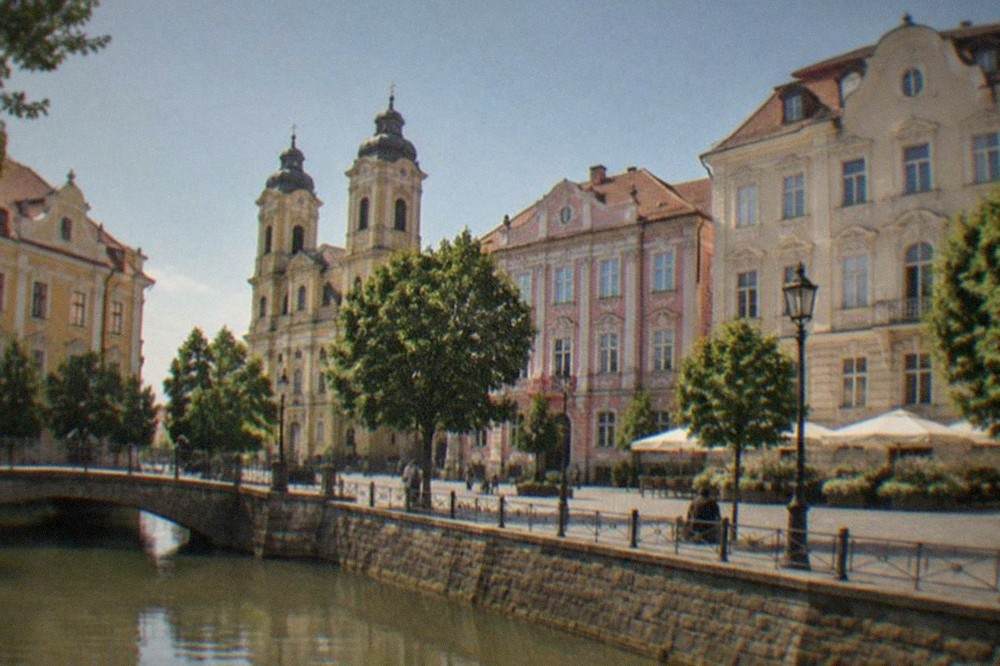
The year also changed how the city presents itself. The tourist information center counselled 7,464 visitors in 2023, and the 2025 figure of 4,928, about 70 percent of them international, reflects a visitor base that now arrives knowing what it wants to see. The top origins recorded were Romania, Germany, Serbia, France and Spain, a mix that matches the city's historical ties westward.
Which ECoC Venues And Museums Can Visitors See Today?
Visitors today can see the National Museum of Art in the Baroque Palace, the Memorial of the 1989 Revolution, the Banat Village Museum, the restored Cetate Synagogue and a wave of post-ECoC openings including the MINA immersive art museum and the MIC children's museum inside Maria Theresia Bastion. The National Museum of Art keeps summer hours of 13:00 to 21:00 from June to September and winter hours of 10:00 to 18:00 from October to May, closed Mondays and Tuesdays.
The museum core of the city sits within walking distance of the old town. The National Museum of Art, in the Baroque Palace on Union Square, remained open through 2026 while the county council prepared a full building rehabilitation estimated at nine million euros, and it hosted major exhibitions, including a Pompeii-themed show extended into May 2026. The Banat Village Museum, out toward the city edge, opens Wednesday to Saturday 10:00 to 18:00 and Sunday 12:00 to 20:00, closed Monday and Tuesday, with an adult ticket reported at 20 lei. Huniade Castle, the oldest monument in the city, remains closed: a restoration contract was signed in August 2025, with partial reopening targeted for 2027 and full reopening for 2028.
| Venue | Status In 2026 | Visitor Detail |
|---|---|---|
| National Museum of Art | Open, rehabilitation planned | Wed to Sun; summer 13:00-21:00, winter 10:00-18:00 |
| Memorial of the 1989 Revolution | Open | Adults 20 lei, Mon-Fri 08:00-17:00, weekends 10:00-18:00 |
| Banat Village Museum | Open | Wed-Sat 10:00-18:00, Sun 12:00-20:00, adult ticket reported 20 lei |
| MINA immersive art museum | Opened 3 April 2026 | Iulius Town, large-scale projection shows |
| MIC children's museum | Opened May 2026 | Inside Maria Theresia Bastion |
| Huniade Castle | Closed for restoration | Partial reopening targeted 2027, full 2028 |
The post-ECoC additions are the real legacy for a casual visitor. MINA, a permanent immersive and digital art venue, opened on 3 April 2026 in the Iulius Town development, and the MIC children's interactive museum followed in May 2026 inside the Maria Theresia Bastion, the first new children's museum in the city in decades. The Cetate Synagogue, whose restoration was described as nearly complete in December 2025, now hosts public events, including the annual Hanukkah lighting. A major loan exhibition, Picasso en visite, brought 69 works from the Musee Picasso Antibes to the city for the first time in Romania, running through autumn 2026 alongside the BETA architecture biennale. For a fuller rundown, see the museums of Timisoara.
How Did Tourism To Timisoara Change After 2023?
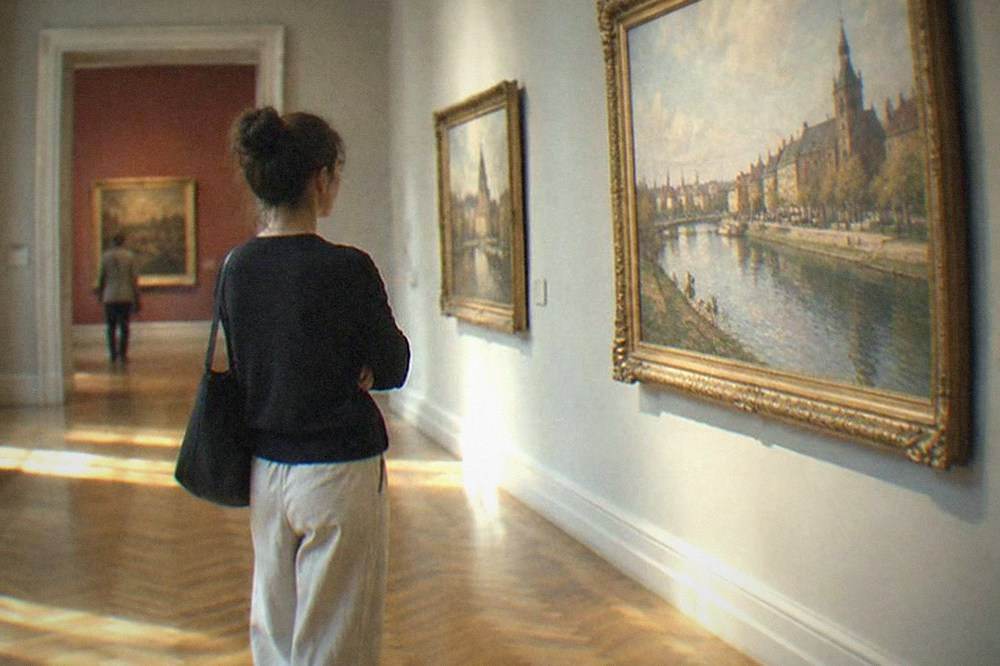
Tourism to Timisoara shifted from a business-travel town into a leisure city-break destination after 2023, with arrivals rising every year since the title and the visitor mix skewing young, European and independent. Studies cited in October 2025 put annual visitors between 250,000 and 300,000, with foreign visitors mainly from Serbia, Germany, Italy and Spain, and tourism growing around 5 percent locally in 2025 even as national numbers declined.
The average stay of about 1.83 days in 2025 tells you what kind of city Timisoara has become: a short-break destination, not a stopover. That fits the geography. The center is compact, the squares are walkable, and the cultural offer is dense enough that two full days cover the core without rushing. The city was named Romania's Destination of the Year 2026 at a gala in May 2026, decided by public votes and a jury, and it took first place in a national quality-of-life ranking published in November 2025. Those awards matter less than the trend behind them, which is a city that kept its audience after the spotlight moved on. Everything else covered here is indexed on Timisoara Travel Guide.
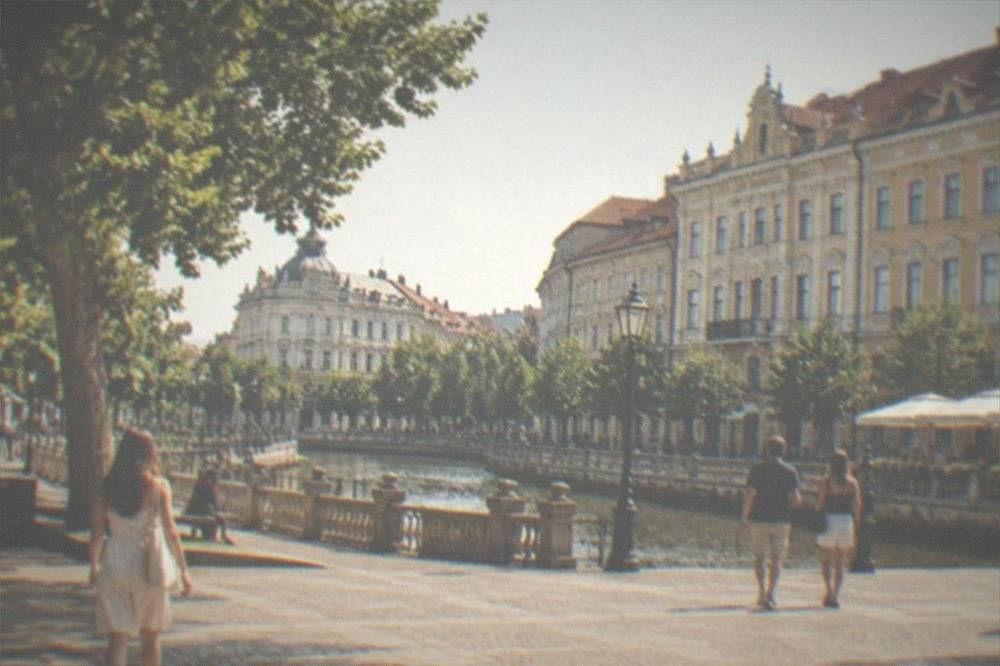
Practical planning follows from the pattern. The peak month on record is May 2025, with 30,664 arrivals, and the shoulder seasons carry the best balance of weather and crowds, as laid out in the best time to visit Timisoara. Accommodation demand concentrates around the old town and the Bega waterfront, so booking ahead for festival weekends is wise; the where to stay in Timisoara guide breaks the districts down.
When Is The Best Time To Visit Timisoara For Culture?
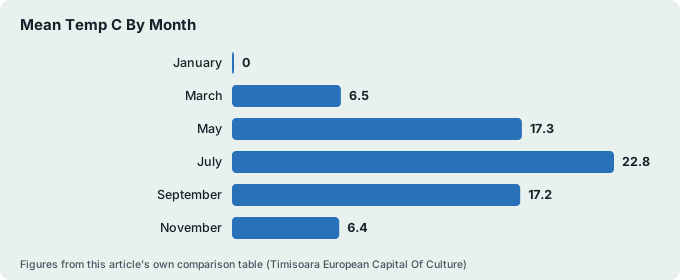
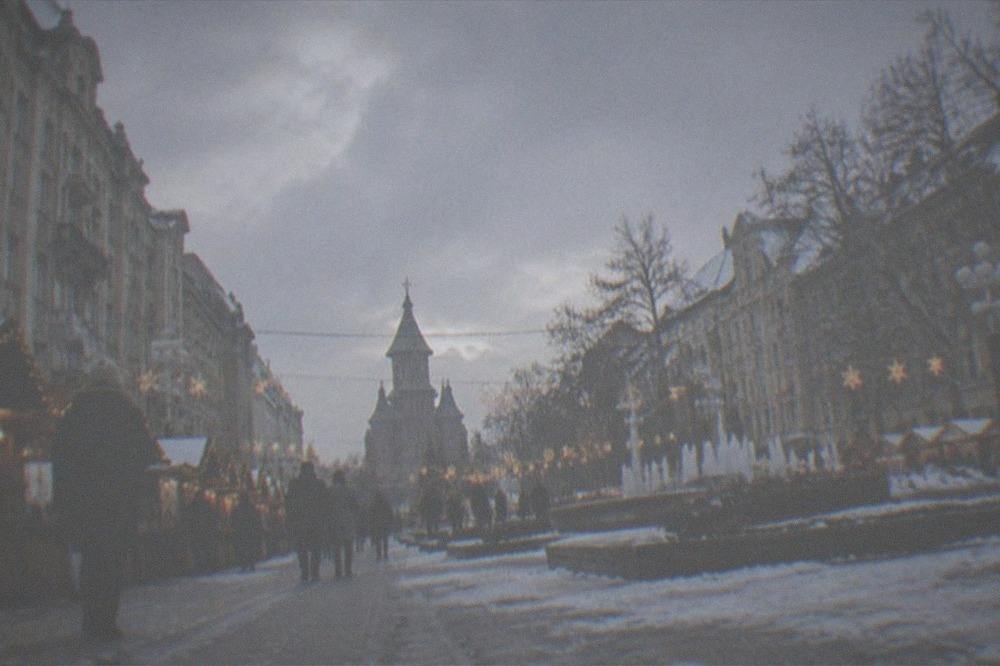
The best months for a culture-focused visit to Timisoara are May through September, when mean temperatures run from 17.3 C in May to 22.8 C in July and the outdoor festival calendar is at its fullest, with September 2026 alone bringing the Jazz Festival and the SIMULTAN experimental arts festival in the same weekend. Spring and early autumn carry the same program with fewer crowds, while winter trades the festivals for the Christmas market in Victory Square.
The climate is continental, and the verified normals for the city's weather station show the shape of the year. July is the warmest month at a 22.8 C mean and January the coldest at 0.0 C. June is the wettest month at 79.1 mm of precipitation and March the driest at 34.1 mm, with 600.7 mm across the year. Rain is spread fairly evenly, so no month is a washout, but June asks for an umbrella more often than March does.
| Month | Mean Temp C | Precipitation Mm |
|---|---|---|
| January | 0.0 | 37.3 |
| March | 6.5 | 34.1 |
| May | 17.3 | 57.2 |
| July | 22.8 | 61.9 |
| September | 17.2 | 50.4 |
| November | 6.4 | 45.3 |
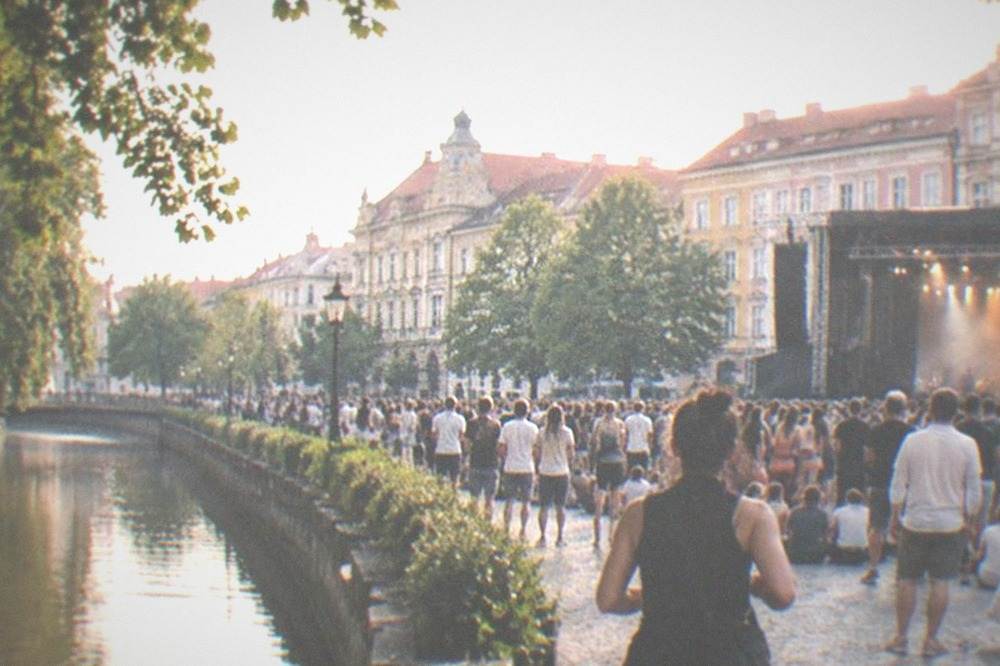
Festival timing can outweigh weather. The Timisoara Jazz Festival held its 14th edition on 25 to 27 September 2026, the SIMULTAN festival ran 24 to 27 September, and the city celebration, Ziua Timisoarei, drew over 100,000 attendees across 31 July to 3 August 2026 with more than 200 events. December brings the Revolution commemorations, typically around 15 to 20 December, at the key 1989 sites. The full monthly picture, including what each season feels like on the ground, is in Timisoara weather by month.
What Events Fill The Timisoara Calendar After 2023?
The post-ECoC Timisoara calendar runs year-round, anchored by the Flight Festival in June at the Banat Village Museum, the city celebration in late July and early August, the Jazz Festival in late September, and the Christmas market in Victory Square from late November into early January. The 2027 city celebration is already announced for 30 July to 3 August, and the December Revolution commemorations recur annually around the 1989 dates.
The city learned in 2023 that a festival audience comes back, and the program reflects it. Flight Festival held its Endless Flight edition on 19 to 21 June 2026 at the Banat Village Museum grounds. Ziua Timisoarei 2026, themed around diversity, brought major international concerts and over 200 events, and the 2027 dates were confirmed in the aftermath. The Jazz Festival's 14th edition ran 25 to 27 September 2026 with an international lineup. The Christmas market's 2026 dates are estimated, based on prior years, at 29 November 2026 to 6 January 2027 in Victory Square, but they are not officially confirmed currently, so treat them as provisional. The dedicated rundown lives in Timisoara festivals and events.
For visitors who want the city explained rather than just seen, guided walks slot easily between festival days. A highlights walk is the efficient first move, covering the core squares and landmarks in a single outing and leaving the afternoon free for a museum.
Travelers with more time, or a deeper interest in the city's layered history, tend to prefer the classic tour instead, which carries the largest review count of any walking option on the roster and spends its time on the stories behind the facades rather than the facades alone.
How Do You Get Around Timisoara As A Cultural Visitor?
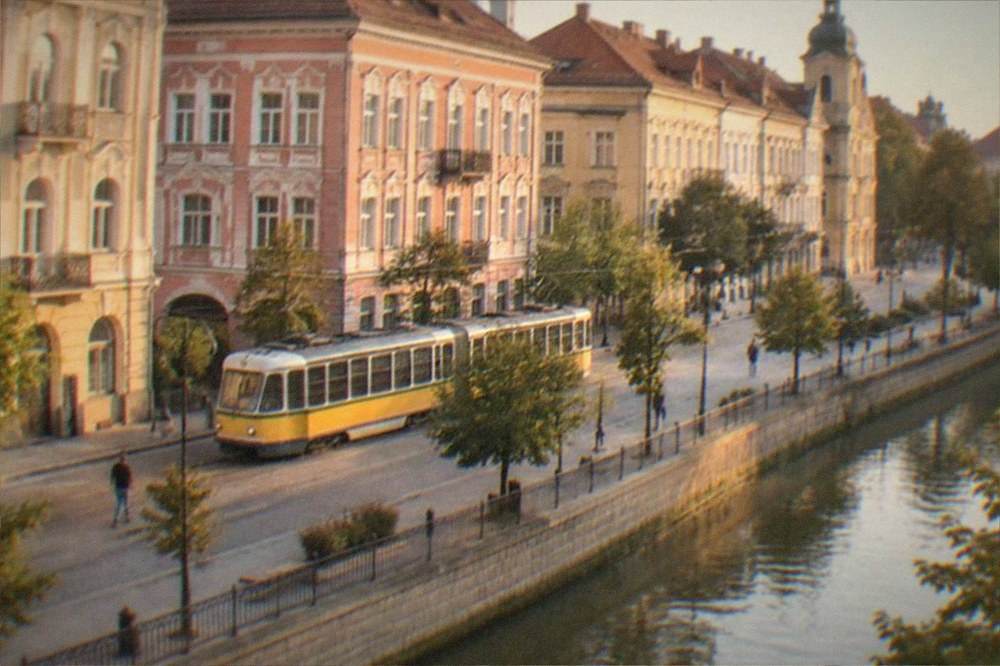
Timisoara's public transport runs on a single integrated 5 lei ticket valid for 60 minutes across trams, trolleybuses, buses and even the seasonal Bega water bus, with an 18 lei day pass covering the same network. Payment works by contactless bank card on board, e-wallet card, SMS, mobilPay or STPT kiosks, and the airport connects to the center on express line E4. A visitor based near the old town can reach nearly every cultural venue without a car.
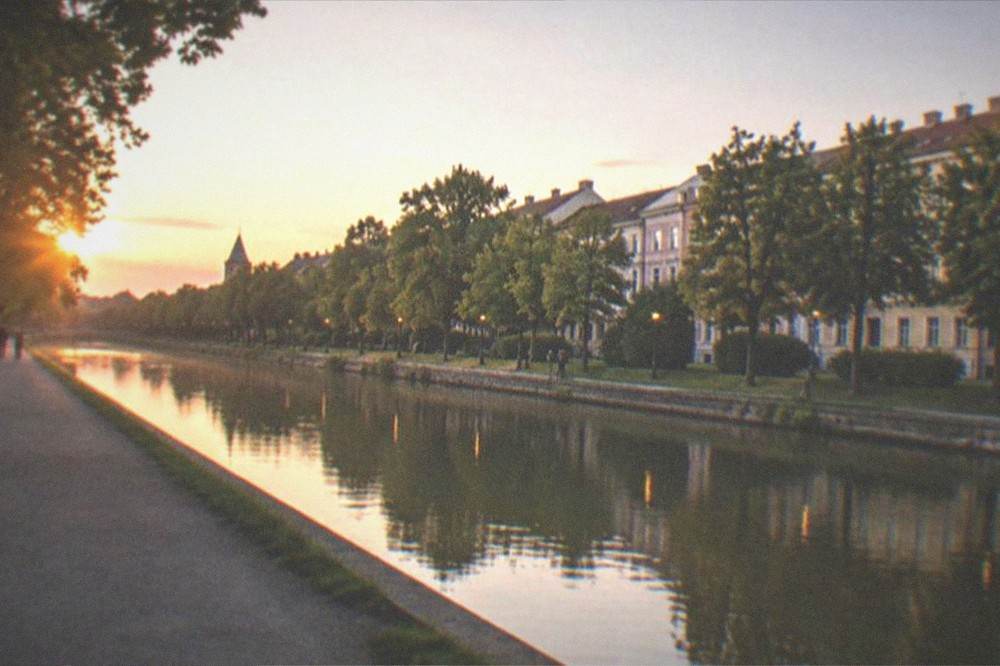
The network is broad for a city of this size: nine tram lines, six trolleybus lines, express buses and the vaporetto on the Bega, which runs seasonally from 1 April to the end of October with nine stops per direction. The 60-minute ticket and the day pass both include the water bus, which makes a Bega crossing one of the cheapest sightseeing trips in Europe. Real-time arrivals are available through the operator's live map, and trams are subject to diversions around the Traian Square works, which closed that section to trams from August 2026 through the end of the year, so check current alerts before planning a cross-town trip. The practical detail is in getting around Timisoara.
| Ticket | Price | Coverage |
|---|---|---|
| Single, 60 minutes | 5 lei | All modes including the Bega water bus |
| Day pass | 18 lei | All modes including the water bus |
| 30-day general pass | 160 lei | Full network |
| Annual general pass | 1,320 lei | Full network |
Arriving by air, the airport sits about 12 km northeast of the center, and the E4 express links the Bastion to the terminal. Arriving by rail, direct trains connect Timisoara to Budapest in about five and a half hours, twice daily, while the Bucharest run takes roughly 11 to 12 hours; the Budapest connection is covered in Timisoara to Budapest. Romania is a full Schengen member, with air and sea borders open since 31 March 2024 and land borders since 1 January 2025, so visitors from within Schengen cross into the country without routine checks. The currency is the Romanian leu, not the euro, and the reference rate stood at 1 EUR = 5.2788 RON on 23 September 2026, a figure that moves daily. Money basics are covered in the Romanian currency guide.
Is The ECoC Legacy Worth Building A Trip Around?
Yes, the ECoC legacy is worth building a trip around, because the venues, restorations and festival calendar that the 2023 year created or accelerated are all visitor-facing today, from the Memorial of the 1989 Revolution to the Picasso loan exhibition to the immersive museums that opened in 2026. Arrivals have risen every year since the title, which is the strongest signal that the program outlived the year itself. A two-night stay covers the core, and three lets you add a day trip into the Banat.
A sensible first itinerary spends the first day in the baroque core: Union Square, the museums, the cathedrals, and the squares where the Revolution unfolded, ideally with a guided walk to anchor the history. The second day spreads outward to the Bega, the bastion, and one or two of the newer venues, with an evening at the opera or a festival. The ready-made versions are laid out in one day in Timisoara and a weekend in Timisoara, and families have a dedicated plan in Timisoara with kids.
Beyond the city, the ECoC year pushed regional operators to build day trips, and the Banat countryside rewards the excursion: the Nera Gorge, the Danube gorges, and the wine country around Recas all sit within reach. The wider region is covered in the Banat region guide, and the full list of options lives on the Timisoara things-to-do page.
Common Questions About Timisoara European Capital Of Culture
Was Timisoara a European Capital of Culture?
Yes. Timisoara held the title in 2023, sharing the year with Elefsina in Greece and Veszprem in Hungary, with the opening weekend held 17 to 19 February 2023.
Is Timisoara a UNESCO World Heritage Site?
No. Timisoara has no UNESCO World Heritage inscription, and no monument in the city carries one. The European Capital of Culture title is an EU cultural program and is unrelated to UNESCO listing.
What is Timisoara famous for?
The city is famous as the place where the 1989 Revolution against Romania's communist regime began, and for a long list of technical firsts, including being the first city on mainland Europe with electric street lighting on 12 November 1884. It is also known for its baroque squares and its three state theatres performing in Romanian, Hungarian and German.
Did tourism increase after Timisoara's ECoC year?
Yes. Arrivals rose from 212,785 in 2022 to 283,256 in 2023 and 285,190 in 2024, and local data puts full-year 2025 arrivals at 296,199, up 3.86 percent.
What can you still see from the ECoC year in Timisoara?
The restored venues and expanded museum network remain fully open, including the National Museum of Art, the Memorial of the 1989 Revolution and the Cetate Synagogue, while post-title openings such as the MINA immersive museum and the MIC children's museum continue the legacy program.
When is Timisoara's cultural calendar busiest?
Summer and late September are the densest periods, with the Flight Festival in June, the city celebration from late July to early August, and the Jazz Festival and SIMULTAN festival in late September, followed by the Christmas market from late November.
The 2023 title gave Timisoara a stage, but the years since prove the city kept the audience. Arrivals that climbed in 2023 have climbed every year since, the legacy hub is under construction with EU money behind it, and the calendar now fills itself. That is what a successful European Capital of Culture year looks like five years on.