Timisoara Architecture
Timisoara, in the Banat region of western Romania, is one of Europe's most legible architectural cities: a Habsburg grid of squares, Secession facades and industrial relics that can be read on foot in a weekend.
Short answer
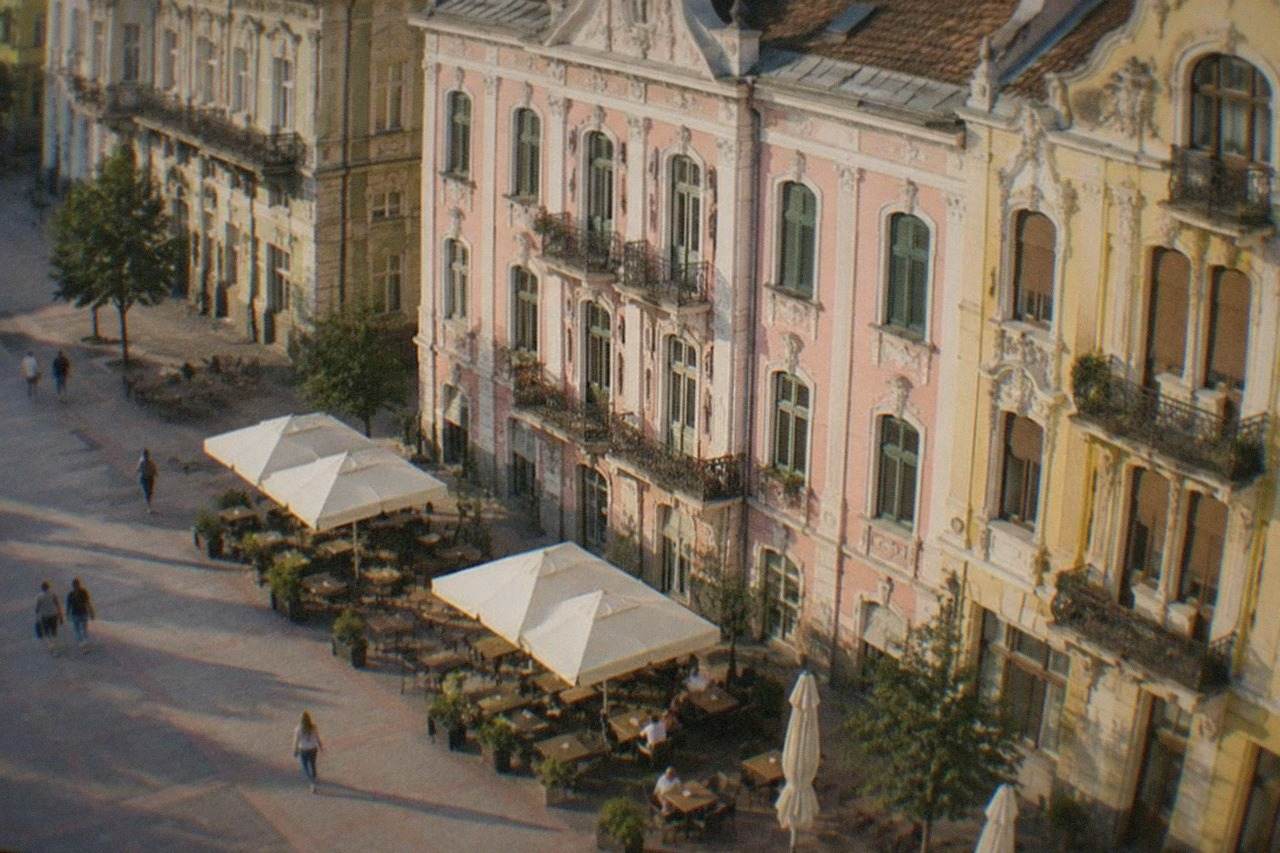
Timisoara architecture spans Habsburg baroque, 19th-century eclecticism, Hungarian Art Nouveau (Secession), interwar modernism and communist-era blocks, anchored by Piata Unirii, Piata Victoriei and Piata Libertatii, and best explored on a walking tour of the Cetate, Fabric, Iosefin and Elisabetin districts.
Timisoara, in Timis County in the Banat region of western Romania, is a city whose architecture tells its whole history in a single walk. Under its Hungarian name, Temesvár, and its German name, Temeswar, it grew as a Habsburg fortress town, and the 1899 demolition of its walls, decided in 1892, is the reason the center today reads as a ring of open squares rather than a cramped medieval core. What followed, from baroque palaces to Hungarian Art Nouveau shopfronts to the balconies where the 1989 Revolution played out, makes Timisoara one of the most rewarding cities in Central Europe for anyone who cares about buildings.
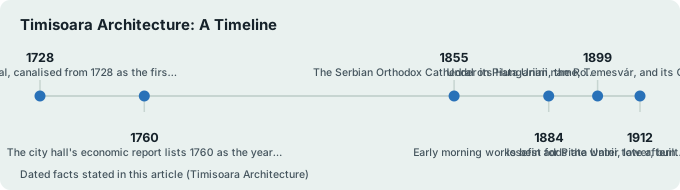
The city's own record of firsts is unusually dense. The city hall's economic report lists 1760 as the year Timisoara became the first city of the Habsburg monarchy with lamp-lit streets, 1855 as the first in the monarchy with gas street lighting, and 12 November 1884 as the day it became the first city on mainland Europe with electric street lighting, 731 incandescent lamps over 59 km of streets. An ambitious, well-lit, repeatedly rebuilt city is exactly the kind of place that accumulates good architecture, and Timisoara did.
What Defines Timisoara Architecture?
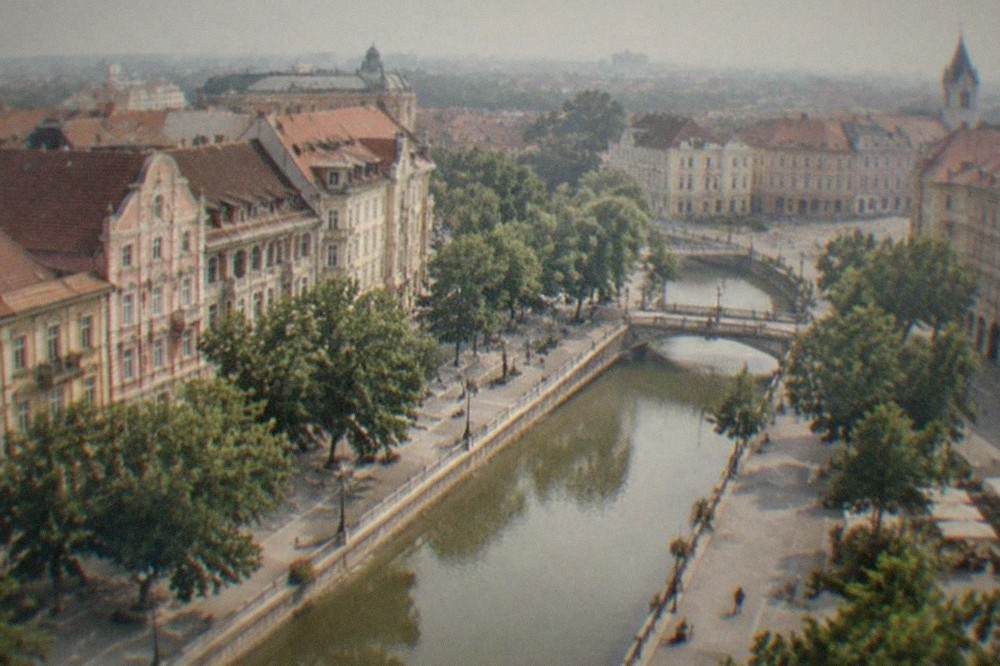
Timisoara architecture is defined by an unusually open Habsburg plan: a rectangular fortress core, Cetate, surrounded by ring boulevards where the walls once stood, with satellite districts, Fabric, Iosefin and Elisabetin, stitched to it by bridges over the Bega canal. The squares, Piata Unirii, Piata Libertatii and Piata Victoriei, sit on a single axis, so baroque, eclectic and Secession buildings line up in one continuous promenade. The result is a compact, walkable city where almost every style of the last three centuries survives within twenty minutes on foot.
That axial layout is not an accident of growth but the residue of military engineering. The Habsburg administration rebuilt the city after taking it in the early 18th century as a fortress with a regular grid, and the street pattern still follows that logic. When the walls came down at the end of the 19th century, the glacis and moats were converted into the green corridors and boulevards that now frame the old town.
Three details make the city legible to a first-time visitor. First, the Bega canal, canalised from 1728 as the first navigable canal in Romania, cuts through the plan and gives the city its waterfront promenades. Second, each historic district kept its own character: Cetate for administration and trade, Fabric for industry and its grand mill buildings, Iosefin and Elisabetin for residential streetscapes dense with Art Nouveau. Third, the city was European Capital of Culture in 2023, which funded a wave of restoration that left facades freshly cleaned.
For a fuller picture of how the city is laid out for visitors, the things to do in the city overview covers the ground beyond the buildings themselves, and the guide to the Cetate old town walks the fortress core street by street.
Which Architectural Styles Shaped Timisoara?
Timisoara's buildings fall into five broad layers: Habsburg baroque of the 18th century, 19th-century historicist eclecticism, the Secession, the Hungarian version of Art Nouveau, that flowered at the turn of the 20th century, interwar modernism, and the standardized blocks of the communist period. The Secession layer is the city's signature, with hundreds of decorated facades concentrated in Cetate, Fabric and Elisabetin, while the baroque layer is anchored by the palaces and churches around Piata Unirii.
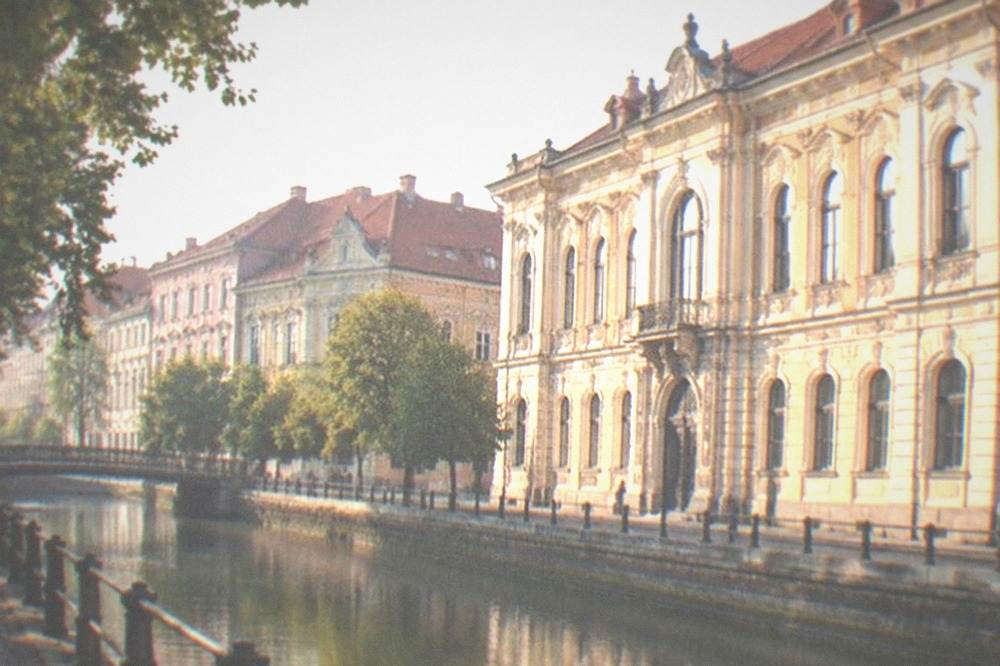
The baroque layer is the oldest visible one. The Serbian Orthodox Cathedral on Piata Unirii, the Roman Catholic St George Cathedral and the Baroque Palace that houses the National Museum of Art all belong to the 18th-century rebuilding, while the Dicasterial Palace, a monumental administration building near the Bega, came later, built from 1855 to 1860 in the same tradition of imperial grandeur. Huniade Castle, the oldest monument in the city, stands at the edge of this layer, though its story is a warning about closure: it has been shut to the public for roughly two decades, with a restoration contract signed in August 2025, partial reopening targeted for 2027 and full reopening for 2028.
The Secession layer is what visitors tend to remember. At the turn of the century, as Timisoara boomed as an industrial city, merchants and architects covered facades with floral stucco, wrought iron, bay windows and colored ceramic tiles. The style runs from grand civic buildings to ordinary apartment houses, which is why a random side street in Elisabetin can out-decorate a purpose-built monument elsewhere.
| Period | Dominant style | Where to see it in Timisoara |
|---|---|---|
| 18th century | Habsburg baroque | Piata Unirii palaces and churches |
| Early to mid 19th century | Neoclassical and historicist eclecticism | Cetate commercial streets, Iosefin, Dicasterial Palace (built 1855 to 1860) |
| Turn of the 20th century | Secession (Hungarian Art Nouveau) | Piata Victoriei, Fabric, Elisabetin residential streets |
| Interwar period | Interwar modernism | Central areas and villa districts |
| Communist decades | Communist-era blocks and industrial relics | Outer districts, Bega waterfront industry |
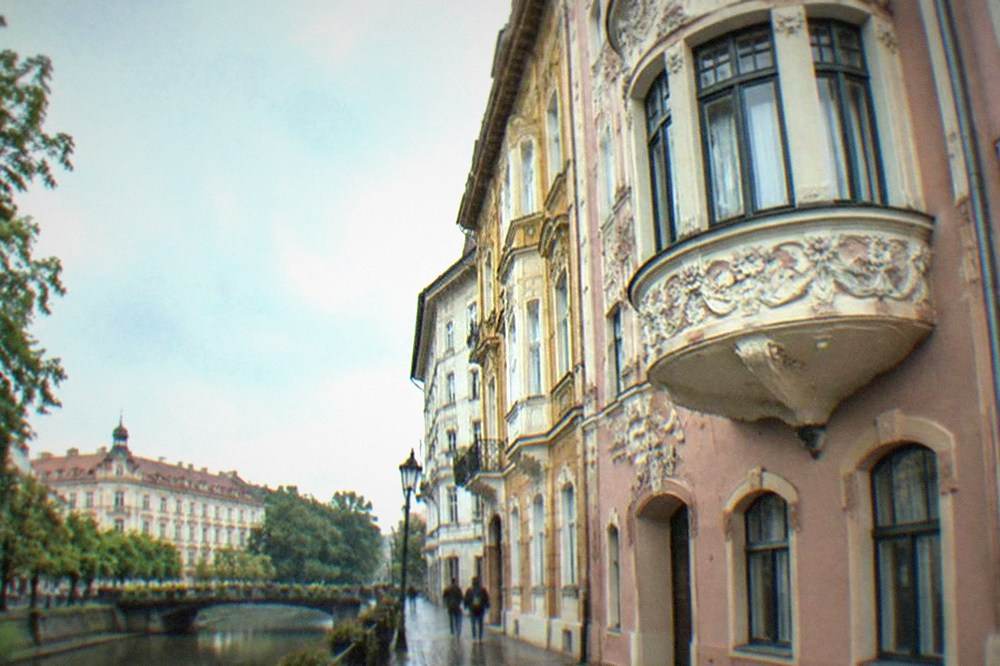
The 20th century left a quieter but real mark. The city's three state theatres, operating in Romanian, Hungarian and German since 1953, a status the city hall lists as unique in Europe, occupy buildings that themselves span the eclectic and modern eras. And the communist decades added both the sober apartment blocks on the outskirts and the industrial architecture along the Bega that the city is now converting to cultural use.
A guided walk is the efficient way to absorb all five layers at once, since a good local guide points out details, dates, architects and anecdotes that no plaque carries. These options cover the ground well:
If you want to go deeper on the city's past, the history guide and the 1989 Revolution guide carry the political story behind the buildings.
Where Are The Best Buildings In Timisoara?
The best architecture in Timisoara concentrates in four areas: Cetate, the old fortress core holding Piata Unirii, Piata Libertatii and Piata Victoriei; Fabric, the former industrial district east of the center with some of the city's boldest Secession facades; Elisabetin, a residential quarter dense with Art Nouveau apartment houses; and Iosefin, the western district of quiet streets, villas and the water tower. Theresia Bastion ties the whole ring together, and all four areas sit within an easy walk or a short tram ride of each other.
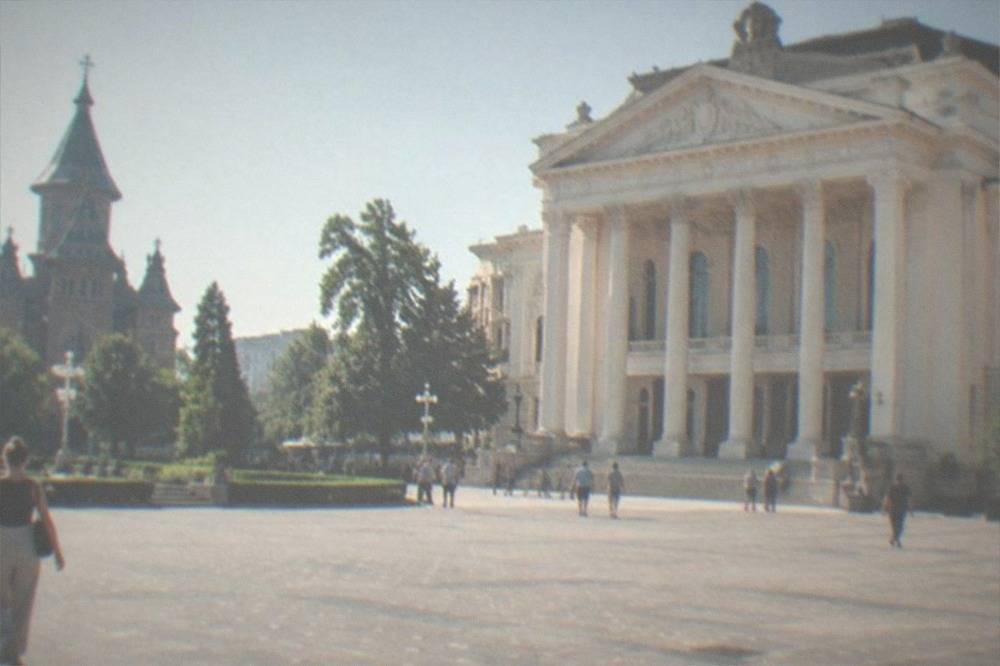
Cetate is where most visits start and should. Piata Unirii is the city's baroque showpiece, with the Serbian Orthodox Cathedral, St George's Cathedral and the Baroque Palace arranged around a pedestrian square, while Piata Victoriei, the widest of the three, is where the Opera, the Metropolitan Orthodox Cathedral and the 1989 memorial sites face each other across the open space where the Revolution unfolded. Piata Libertatii, the smallest, keeps an intimate, almost village scale.
Fabric rewards the walk east. This was the working district, and its architecture says so: the Millennium Church with its imposing tower, the former mill and industrial halls, and a run of Secession facades that are often more experimental than anything in Cetate. Trajan Square, currently a major urban regeneration site, anchors the district, and its refurbishment is one of the reasons tram routes in the area are diverted, so check live service alerts before riding.
Elisabetin and Iosefin are the connoisseur's quarters. Elisabetin's grid of residential streets holds one decorated facade after another, best seen slowly and without an agenda. Iosefin adds the water tower, built 1912 to 1913 as a landmark of the district's early 20th-century development, and a December 2025 contract worth about 14.5 million euro, EU and local funds, is set to regenerate its historic public spaces including Piata Mocioni.
| District | Architectural character | Signature sights |
|---|---|---|
| Cetate | Baroque core, eclectic commercial streets | Piata Unirii, Piata Victoriei, Piata Libertatii, Theresia Bastion |
| Fabric | Industrial heritage and bold Secession | Millennium Church, Trajan Square, former mills |
| Elisabetin | Residential Art Nouveau streetscapes | Decorated apartment facades, villa streets |
| Iosefin | Quiet imperial-grid expansion | Water tower (built 1912 to 1913), Piata Mocioni, riverside streets |
The Fabric district guide, the Elisabetin guide and the Iosefin guide each walk their quarter in more detail than this page can.
Which Landmarks Should An Architecture Lover Not Miss?
An architecture-focused visit to Timisoara should not miss the baroque ensemble of Piata Unirii, including the Baroque Palace that houses the National Museum of Art, the Metropolitan Orthodox Cathedral facing the Opera across Piata Victoriei, the Dicasterial Palace, the Millennium Church in Fabric, Theresia Bastion, the Iosefin water tower, and the Memorial Museum of the 1989 Revolution, which interprets the buildings where the uprising began. Huniade Castle belongs on the list too, but it is closed for restoration, with partial reopening targeted for 2027, so admire it from outside.
The National Museum of Art is the one landmark with fully published hours worth planning around: from 1 June to 30 September it opens Wednesday to Sunday, 13:00 to 21:00 with last entry at 20:15, and from 1 October to 31 May, Wednesday to Sunday, 10:00 to 18:00, closed Mondays, Tuesdays and holidays. The museum itself reports that the Timis County Council is preparing a full rehabilitation of its Baroque Palace building, estimated at 9 million euro, though the museum has remained open throughout.
The Memorial Museum of the 1989 Revolution is the essential pairing for the architecture of Piata Victoriei. Its published fees list 20 lei for adults, covering eight permanent and three temporary exhibitions plus a documentary screening, with a 20 lei photo fee, and its hours are Monday to Friday 08:00 to 17:00, Saturday and Sunday 10:00 to 18:00. Standing on the square afterwards, with the Opera and the Metropolitan Orthodox Cathedral in view, turns the facades into witnesses.
Two religious buildings deserve special attention for their engineering as much as their style. The Millennium Church in Fabric is one of the city's most monumental sacral buildings, and the Cetate Synagogue, whose restoration was described in December 2025 as nearly complete, has been progressively reopening for services and public events. The Fabric Synagogue, its larger cousin, anchors its own square.
| Landmark | District | Architectural note | Visitor status |
|---|---|---|---|
| Baroque Palace (National Museum of Art) | Cetate | 18th-century baroque palace | Open, Wed to Sun, hours vary by season |
| Memorial Museum of the 1989 Revolution | Cetate | Interprets Revolution sites | Open Mon to Sun, 20 lei adult fee |
| Huniade Castle | Cetate | Oldest monument in the city | Closed for restoration, partial reopening targeted 2027 |
| Theresia Bastion | Cetate | Surviving fortress fragment, now cultural and commercial | Open public space |
| Millennium Church | Fabric | Monumental sacral architecture | Active church |
| Cetate Synagogue | Cetate | Restored 19th-century synagogue | Reopening for events |
| Iosefin Water Tower | Iosefin | Industrial-era landmark of the district | Exterior view |
For anyone planning museum time in detail, the museums guide lists the full set with what is open and what is not.
How Do The Three Great Squares Work Together?
Piata Unirii, Piata Libertatii and Piata Victoriei form a single north-south axis through Cetate, moving the visitor from the 18th-century baroque core, through the intimate scale of the smallest square, to the grand 20th-century set piece where the Opera and the Metropolitan Orthodox Cathedral face each other. Piata Unirii is the baroque and ecclesiastical square, Piata Libertatii the quiet civic one, and Piata Victoriei the monumental modern one, and walking the axis end to end is the single best architectural exercise in the city.
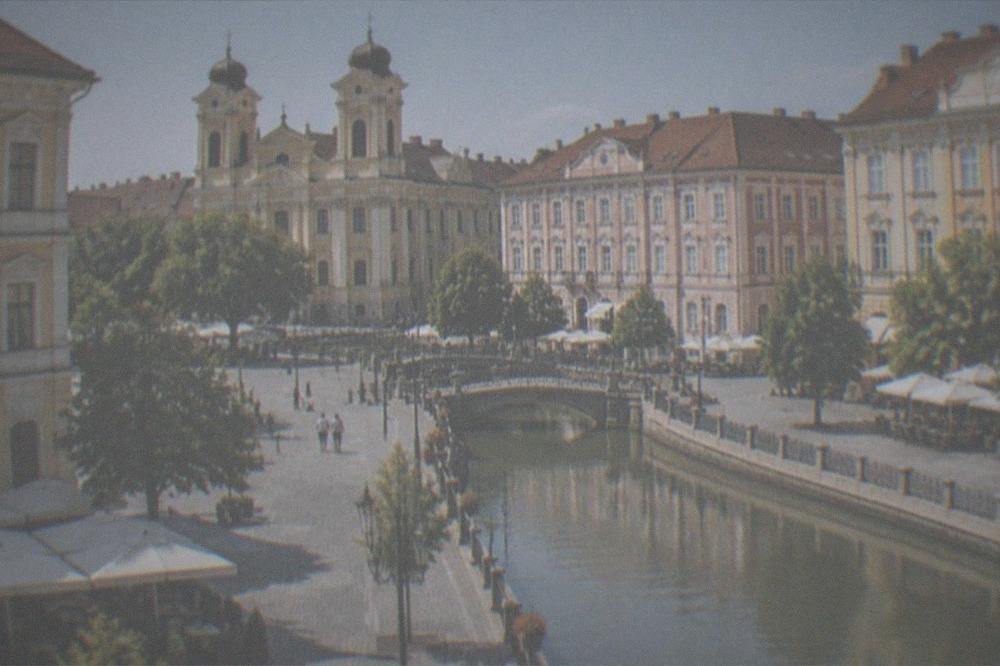
Piata Unirii is the square most photographed, and rightly: baroque palaces, two cathedrals of different rites, and cafe terraces under pastel facades. The Union Square guide covers its buildings one by one, and the Victory Square guide and Liberty Square guide do the same for the other two.
The axis also explains the city's lighting history. The squares and their connecting streets were among the first in Europe to be lit, first by lamp in 1760, then by gas in 1855, then electrically in 1884, so an evening walk retraces the exact streets where each technology debuted. Timisoara's squares are at their best after dark, when the facades are washed in light. Other pages covering the same trip are gathered on Timisoara Travel Guide.
| Square | Character | Key buildings | Best time to visit |
|---|---|---|---|
| Piata Unirii | Baroque, ecclesiastical, social | Baroque Palace, Serbian Orthodox Cathedral, St George's Cathedral | Morning light on facades, evenings for terraces |
| Piata Libertatii | Small-scale civic | Historic townhouses, former garrison context | Midday, on the walk between the other two |
| Piata Victoriei | Monumental, 20th-century, memorial | Opera, Metropolitan Orthodox Cathedral, Revolution sites | Evening, when the square is illuminated |
Can You Explore Timisoara Architecture On Foot?
Yes, Timisoara is one of Central Europe's easiest architectural cities to explore on foot, because the three main squares sit on one axis, the historic districts are flat and compact, and the whole core fits inside roughly a 20-minute walk end to end. A two-hour guided walk covers the highlights, a half-day adds Fabric, Iosefin and Elisabetin, and the tram network, running since 1899 when the city opened the first electric tram in Romania, links anything beyond walking range.
The self-guided version is simple: start at Piata Victoriei, walk south through Piata Libertatii to Piata Unirii, loop east into Fabric via the Millennium Church, then cross back over the Bega into Elisabetin and finish along its residential streets. Add Theresia Bastion and the exterior of Huniade Castle to the Cetate section, and the day is complete.
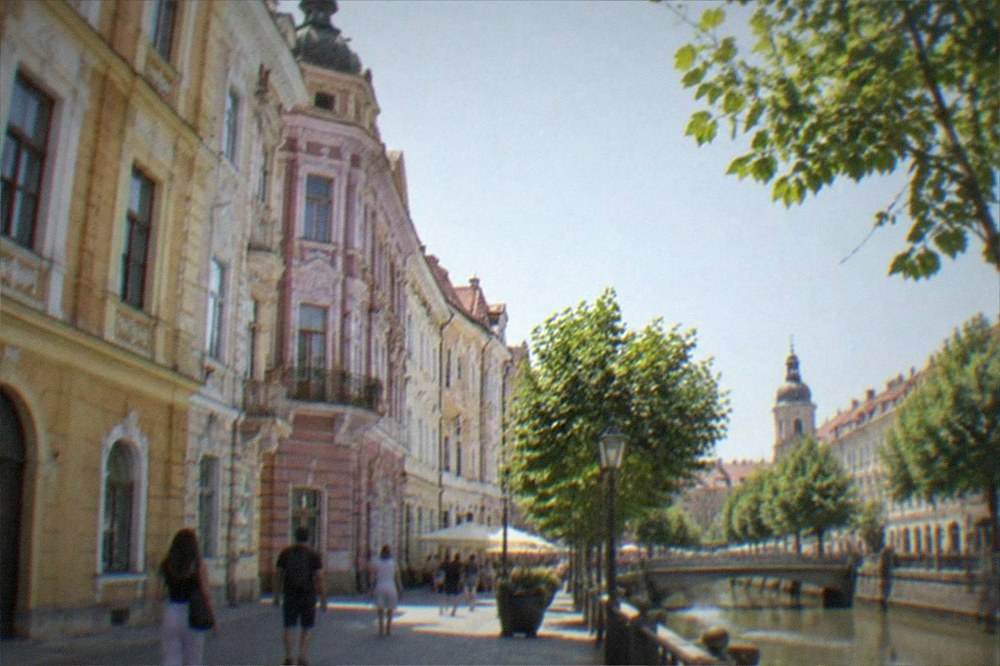
Guided options add context that facades alone do not carry. A highlights walk is the standard choice for first-time visitors:
The classic version of the city walk is another strong option, covering the same core with a different emphasis:
For visitors with more time, a walking-and-tram combination reaches districts and landmarks that pure foot power makes tiring:
Practical planning for the walking day is covered in the getting around guide, and the one-day itinerary sequences the squares and districts hour by hour. Weather matters less than in most cities, since the squares are open and the cafes are close: the JMA climate normals for the city's station give a July mean of 22.8 C and a January mean of 0.0 C, so summer walks are warm and winter ones brisk, and the best time to visit guide breaks it down month by month.
What Architectural Day Trips Can You Take From Timisoara?
The best architectural day trips from Timisoara lead into the Banat region and western Romania: Nera Gorge National Park for karst landscape and the villages around it, Corvin Castle at Hunedoara for the greatest Gothic castle in the region, the Danube Gorge for its river-cut cliffs, and the town of Oradea, whose Secession architecture rivals Timisoara's own. All are reachable as organized day trips from the city, with the natural sites adding the landscape dimension that the city itself cannot supply.
The Banat countryside is the closest match for the city's own heritage, since the same mix of Romanian, Hungarian, German and Serbian building traditions shaped its villages. The Banat region guide and the Banat villages guide detail what to look for, from fortified churches to vernacular farmsteads.
For organized trips, a private day tour into Nera Gorge National Park pairs the region's architecture with its most dramatic scenery:
The Corvin Castle guide and the Oradea guide cover the two most rewarding city-scale architectural destinations within day-trip range, and both pair well with a longer western Romania itinerary.
When Is The Best Time To Photograph Timisoara's Buildings?
The best light on Timisoara's facades comes in the shoulder months, April to May and September to October, when the JMA climate normals give monthly means of 12.3 C and 17.2 C respectively and precipitation is moderate at around 50 mm per month. Early morning works best for Piata Unirii, late afternoon for Piata Victoriei, and the evening illumination, a tradition since the city pioneered electric street lighting in 1884, rewards staying out after dark.
Summer visits are fully workable, with July and August means of 22.8 C and 22.5 C, but June is the wettest month at 79.1 mm, so photographers chasing facades should keep an indoor fallback such as the National Museum of Art or the Memorial Museum in mind. Winter, with a January mean of 0.0 C, delivers the Christmas Market period in Piata Victoriei, though the 2026 dates were still unannounced currently, so check before planning a market-and-architecture trip. The weather by month guide carries the full table.
| Season | Mean temperature | Photographic character |
|---|---|---|
| Spring (Mar to May) | 6.5 to 17.3 C | Clear light, blossom on the boulevards |
| Summer (Jun to Aug) | 20.9 to 22.8 C | Long days, harsh midday sun, evening blue hour |
| Autumn (Sep to Nov) | 17.2 down to 6.4 C | Warm low light on facades, misty mornings |
| Winter (Dec to Feb) | 0.0 to 2.1 C | Illuminations, market season, empty squares |
Common Questions About Timisoara Architecture
What architectural style is Timisoara known for?
Timisoara is best known for its Secession facades, the Hungarian branch of Art Nouveau, which decorate hundreds of buildings across the Cetate, Fabric and Elisabetin districts, layered over an 18th-century Habsburg baroque core around Piata Unirii.
Is Timisoara a baroque city?
Partly. Its oldest visible layer is Habsburg baroque, seen in the 18th-century palaces and cathedrals of Piata Unirii, but the city's most distinctive architecture is the Secession stock built at the turn of the 20th century, during its industrial boom.
Can you see Timisoara's architecture without a guide?
Yes. The three main squares sit on one axis and the historic districts are flat and compact, so a self-guided walk from Piata Victoriei through Piata Libertatii to Piata Unirii, extended into Fabric and Elisabetin, covers the essentials in a few hours. Guided walks add dates, architects and stories that facades alone do not reveal.
Which Timisoara buildings are closed or under restoration?
Huniade Castle has been closed to the public for roughly two decades, with a restoration contract signed in August 2025, partial reopening targeted for 2027 and full reopening for 2028. The National Museum of Art remains open in its Baroque Palace while the county council prepares a full building rehabilitation estimated at 9 million euro.
What is the oldest building in Timisoara?
Huniade Castle is the oldest monument in the city, a medieval castle repeatedly rebuilt under Habsburg rule. It is currently closed for restoration, so it can only be admired from outside until the partial reopening planned for 2027.
How many days do you need for Timisoara's architecture?
Two full days are enough for a thorough architectural visit: one for the Cetate core, its squares, museums and bastion, and one for the outer districts, Fabric, Iosefin and Elisabetin, plus an evening walk of the illuminated axis. The two-day itinerary sequences exactly this.
Timisoara's buildings reward the slow walker: a baroque square in the morning, a Secession side street after lunch, an illuminated boulevard after dark, and a story of firsts, from the first lamp-lit streets of the Habsburg monarchy to the first electric street lighting on mainland Europe, behind every facade. Plan the days around the squares, let the districts pull you outward, and the city will do the rest.