Is It Safe To Travel To Romania Right Now Because Of Ukraine?
A clear-eyed safety answer for travelers heading to Timisoara and western Romania, covering borders, Schengen entry, advisories and everyday precautions.
Romania's western city of Timisoara, in Timis County in the Banat region, sits closer to Hungary and Serbia than to anything happening further east, and the question of whether the war in Ukraine makes travel here unsafe has a short answer: no, not in any way that shows up on the ground. Timișoara's squares are full, its cafes are busy, its trams run, and the city was named Romania's Destination of the Year 2026 at a national tourism gala in May 2026. The honest picture is that the risks people imagine, front lines and closed borders, are hundreds of kilometers from this city, while the risks that actually exist are the ordinary ones of any European city break: pickpocketing in crowds, taxi apps versus street cabs, and reading the fine print on entry rules. This page, from the Timisoara Travel Guide editorial desk, walks through what the official record says, what changed at Romania's borders in 2024 and 2025, and what everyday precautions look like here in western Romania.
Is It Safe To Travel To Romania Right Now Because Of Ukraine?
Yes, travel to Romania, and to Timisoara in particular, is safe in the sense that matters to a visitor: the conflict in Ukraine has never reached Romanian territory, Timisoara lies in the far west of the country near the Hungarian and Serbian borders, and no fighting, airspace closure or conflict-related evacuation has ever affected this city. Romania is a NATO and European Union member, and the everyday reality in Timisoara is a normal, functioning European city.
Timisoara is about as far from Ukraine as you can get while still being in Romania. The city sits in the Banat plain, a region that historically looked toward Budapest and Belgrade rather than Bucharest, and its neighbors across the border are Hungary and Serbia, both peaceful. The war in Ukraine has shaped Romanian life in real but indirect ways: the country took in refugees in 2022, some routing passed through Romanian airports and rail, and Romanian airspace management adjusted early in the conflict. None of that translates into danger on a Timisoara street in 2026.
The distinction worth holding onto is between a bordering state and a front line. Romania borders Ukraine in the east and north, and that frontier is monitored, calm and open for legitimate crossings, but it is not a conflict zone. Western Romania, where Timisoara is, is closer to Vienna by road distance than to any Ukrainian crossing. If a guide tells you the war makes Romania risky, it is describing a map it has not read.
For a fuller picture of the city itself, our guide to whether Timisoara is worth visiting covers what you actually get here, and the Romania travel essentials guide handles the practical basics of any first trip to the country.
How Far Is Timisoara From The Ukraine Border?
Timisoara is in the extreme west of Romania, in Timis County, with Hungary roughly to the north and west and Serbia to the south, meaning the Ukrainian border lies on the opposite side of the country. Timisoara is not a border city for Ukraine in any sense, and the conflict zone in eastern Ukraine is further still. Any journey from Timisoara toward Ukraine would cross the entire width of Romania first.
The geography is the single most reassuring fact for nervous travelers, and it is worth being precise about it. The Banat region, which Timisoara anchors, was historically ruled from Vienna and Budapest, under its Hungarian name Temesvár, and the city's architecture and cafe culture still show it. Its border crossings are Jimbolia, Moravita and Stamora Moravita toward Serbia, and the Hungarian crossings are internal Schengen crossings with no routine checks since 1 January 2025.
| Border from Timisoara's region | Country | Current Status | What it means for visitors |
|---|---|---|---|
| North and west | Hungary | Internal Schengen border since 1 Jan 2025 | No routine passport or ID checks; occasional spot checks only |
| South | Serbia | External Schengen border | Passport checks apply; typical waits around 20-30 minutes at nearby crossings in late September 2026 |
| East and north of Romania | Ukraine | External EU border, monitored | Far side of the country from Timisoara; not part of any Banat itinerary |
The Serbia row is the one that occasionally surprises people. Day trips from Timisoara to Vrsac or Belgrade are popular, and since Romania joined Schengen fully, Serbia is now the external border that carries checks, while Hungary does not. The EU's Entry/Exit System became fully operational at all Schengen external borders, including Romania's, on 10 April 2026, so non-EU travelers crossing to Serbia or flying in from outside Schengen will have fingerprints and a facial image recorded, replacing routine passport stamping. It adds a few minutes, nothing more.
None of this is Ukraine-related, and that is the point. The borders that matter to a Timisoara traveler are the Schengen line to Hungary and the EU line to Serbia, both routine.
What Do Official Sources Say About Romania And Conflict-Related Risk?
Official European sources treat Romania as a safe, fully integrated EU member: Romania joined the Schengen area for air and sea borders on 31 March 2024 and for land borders on 1 January 2025, the European Commission confirmed both steps, and no EU body has issued a conflict-related warning against travel to any part of the country. Romania's western regions, including Timisoara, carry no special status, restriction or advisory that distinguishes them from any other European city.
The Schengen accession is the fact that changed travel most. Since 1 January 2025 there are no routine checks at the Hungarian land border, which means arriving from Budapest by car, bus or the direct train is now an ordinary internal Schengen journey. The train connection to Budapest runs direct, and our page on train travel in Romania covers what that experience involves. Flying in is equally routine: Timisoara Traian Vuia International handled 1,458,098 passengers in 2025, up 10.2 percent on 2024, with new routes added in 2026 including Istanbul, Berlin, Birmingham and Prague. An airport growing that fast is an airport serving a city people want to visit.
One operational note that is worth checking before you book flights: the airport announced a full runway closure for essential repairs from 2 to 22 November 2026. That is a maintenance schedule, not a security measure, but if your trip falls in that window you will want to confirm your routing.
On money and practicalities, nothing about the conflict has touched the tourist experience. The currency is the Romanian leu, the euro is not adopted, and the Banat National Bank reference rate was 1 EUR at 5.2788 RON on 23 September 2026, a figure to check on the day rather than treat as standing. Cards are widely usable, though our cash versus card in Romania page explains where cash still helps. The emergency number is 112. A tourist tax on accommodation exists under a 2025 local council decision and is collected by your lodging, so you never handle it yourself.
What Everyday Safety Actually Looks Like In Timisoara
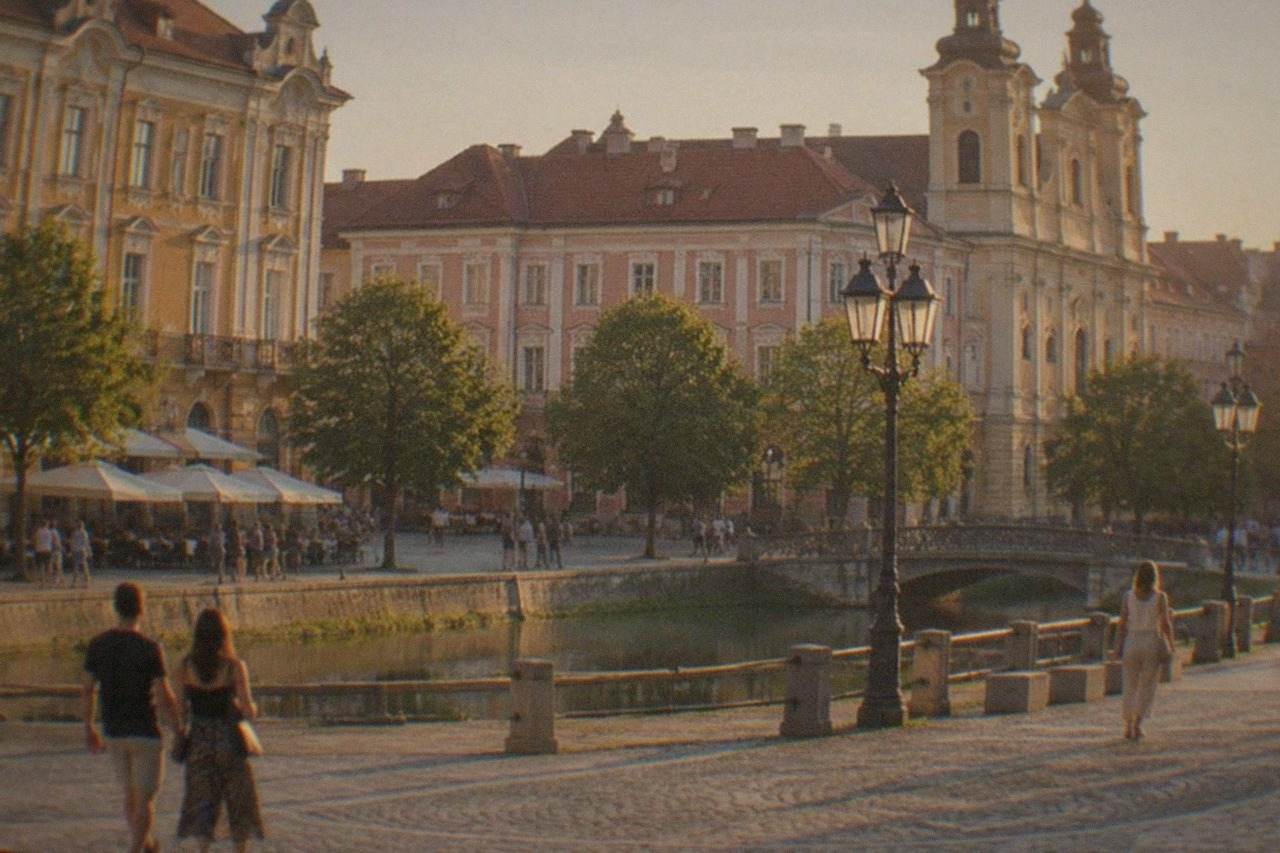
Everyday safety in Timisoara looks like everyday safety in any mid-sized Central European city: the risks are ordinary ones such as unattended bags in crowded squares, opportunistic theft at markets and events, and the usual care with phones at terrace tables, not anything connected to the war. The city center around Piata Unirii and Piata Victoriei is busy into the evening, public transport runs late, and the standard European precautions are sufficient.
Timisoara's center is compact and walkable, and that shapes the safety picture more than anything else. The historic Cetate district, the squares, and the Bega canal promenade are all within an easy stroll of each other, so a taxi is rarely necessary at night. Where you do take one, ride-hailing apps are the predictable option, and our Timisoara safety guide goes deeper on the specifics. We publish no crime statistics or safety rankings on this site because no official figures for the city are in our research, and we will not invent reassurance with numbers.
The one context where crowds concentrate is events. Timisoara's 2026 calendar was busy: the Jazz Festival ran 25 to 27 September, the city celebration drew over 100,000 people across 31 July to 3 August, and the Christmas Market in Piata Victoriei is expected from late November into early January, though 2026 dates were not yet officially confirmed. Big gatherings anywhere deserve normal crowd care, and that is the entire extent of it.
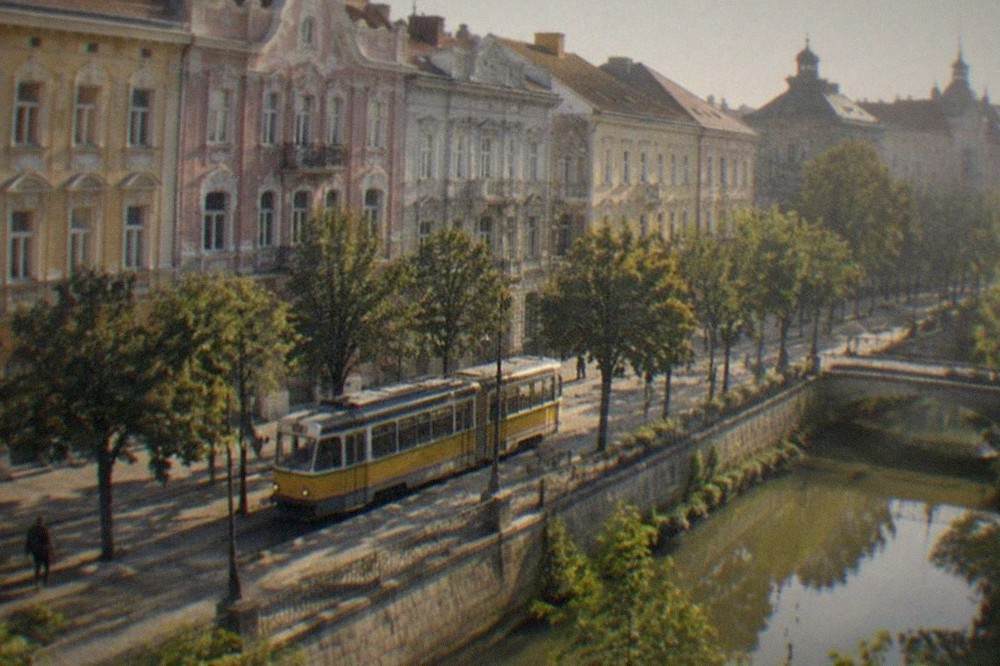
Getting oriented with a local on your first day removes most of the small frictions that read as "risk" to a nervous traveler: which squares connect where, how trams and tickets work, which streets are lively at night. The weekly English-language guided walk exists for exactly this, and it is the related tour we point first-time visitors toward. Check availability on the operator's live listing.
A final word on seasonality, because it is the one place where Timisoara's reality diverges from what people pack for. This is a continental climate, not a mild coastal one: JMA/WMO climate normals for the Timisoara station give a mean of 0.0 C in January and 22.8 C in July, with monthly precipitation running from 34.1 mm in the driest month, March, to 79.1 mm in the wettest, June. The thing most likely to inconvenience you here is a June downpour or a January cold snap, and our guide to the best month to visit Romania helps you pick around both.
Common Questions About Traveling To Romania Safely
Is it safe to travel to Romania right now because of Ukraine?
Yes. The conflict in Ukraine has never extended to Romanian territory, and Timisoara lies in the far west of the country, closer to Hungary and Serbia than to Ukraine. Romania is a NATO and EU member and no conflict-related travel warning applies to it.
Is Timisoara close to the fighting in Ukraine?
No. Timisoara is in western Romania, in the Banat region, and the Ukrainian border is on the opposite side of the country. The city's own borders are with Hungary, an internal Schengen border, and Serbia, a routine external EU border.
Did Romania's borders change because of the war?
The changes are unrelated to the conflict: Romania joined the Schengen area for air and sea on 31 March 2024 and for land borders on 1 January 2025, so crossings from Hungary now carry no routine checks. The EU Entry/Exit System became fully operational on 10 April 2026 for external borders, including Serbia crossings.
Is it safe to walk around Timisoara at night?
The central districts around Piata Unirii and Piata Victoriei are busy into the evening and the city is compact, so walking is easy. Standard European city precautions, keeping an eye on bags and phones in crowds, are sufficient.
What is the emergency number in Romania?
112. It works nationwide for police, ambulance and fire services.
Do I need to take any special precautions because of the war?
No conflict-specific precautions exist for Romania. The practical ones are ordinary: carry some leu cash alongside cards, check the BNR exchange rate on the day, and confirm your flight routing if traveling during the airport's November 2026 runway maintenance window.