Is Timisoara, Romania Worth Visiting?
Is Timisoara, Romania worth visiting? A straight answer on the city's squares, 1989 history, museums, costs and climate, for western Romania's cultural capital.
Timisoara, in Timis County in the Banat region of western Romania, keeps winning arguments that travelers never hear. The city was voted Romania's Destination of the Year 2026 at a national gala that drew roughly 450,000 public votes, and it took first place in the "Cities that Inspire" category. It was a European Capital of Culture in 2023, sharing the title with Elefsina in Greece and Veszprem in Hungary, and the cultural program did not collapse when the year ended: a Picasso exhibition of 69 works from the Musee Picasso Antibes ran into autumn 2026, the first time those works came to Romania. So the short answer to whether it is worth visiting is yes, and the rest of this page explains exactly what you get for the trip.
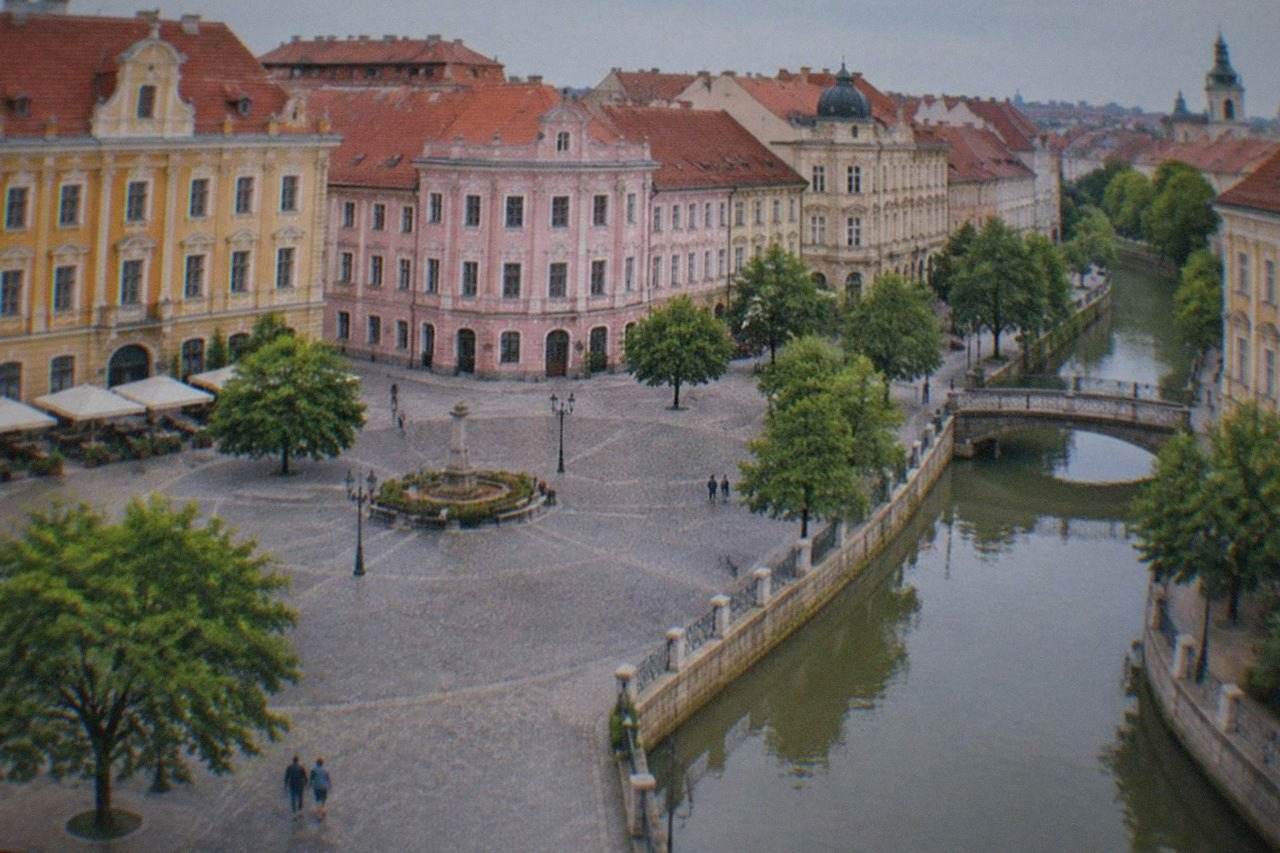
The city the locals call Timișoara sits on the Bega canal, roughly 12 km from its own international airport, and its old center is compact enough that the main squares, Piata Unirii, Piata Libertatii and Piata Victoriei, sit within easy walking distance of each other. Under its Hungarian name, Temesvar, and its German name, Temeswar, the city spent centuries as a Habsburg provincial capital, and that layered history is precisely what a first visit delivers. If you want the fuller backstory of what the city is famous for, the companion page on what Timisoara is known for covers it in detail.
Is Timisoara Worth Visiting Compared With Romania's Better-Known Cities?
Yes, and for travelers who want architecture, history and café culture without Bucharest's scale or the Transylvanian tourist crowds, Timisoara is arguably the better pick. It has three linked historic squares in walkable old town districts, a Revolution story no other European city owns, and costs that remain low by western European standards. It is not in Transylvania at all, which surprises many first-time visitors, and that geography is exactly why it feels different.
The honest comparison is qualitative, because the figures in this article are Timisoara's alone. Bucharest is the capital and orders of magnitude larger. Brasov and Sibiu trade on mountain scenery and medieval walls. Timisoara trades on something else: a baroque and Secession old town built by Habsburg engineers, a multicultural population where Romanian, Hungarian, German and Serbian traditions all left buildings, and the fact that the 1989 Revolution that ended communist rule in Romania started here. The city's own records list a remarkable run of firsts: the first horse-drawn tram in the Habsburg Empire in 1869, the first electric tram in Romania in 1899, and, on 12 November 1884, the first city on mainland Europe with electric street lighting, 731 lamps over 59 km of streets.
It is also a city that keeps investing in itself. The former tram depots on Take Ionescu Boulevard are being converted into MultipleXity, a cultural and technology hub with a signed EU funding contract worth roughly 29 million euro, targeted for completion around February 2029. Two new museums opened in 2026 alone: MINA, an immersive digital art venue in Iulius Town, and MIC, an interactive children's museum inside Bastion Maria Theresia. A city adding museums rather than closing them is a reasonable signal of a place on the way up.
What Makes Timisoara Different From Other Romanian Cities?
The 1989 Revolution is the single biggest differentiator: Timisoara is where the uprising against the Ceausescu regime began in December 1989, and the city has built a permanent memorial infrastructure around that fact. The Memorial of the Revolution charges 20 lei for adults, covering eight permanent and three temporary exhibitions plus a documentary screening, and it opens Monday to Friday 08:00 to 17:00 and weekends 10:00 to 18:00. No other Romanian city offers that story on the ground where it happened.
The Memorial is a working museum, not a plaque. Beyond it, the Revolution Trail project in the city center marks the actual sites of December 1989, and the annual commemorations each mid-December draw both locals and visitors. The broader history of what happened in 1989 in Romania explains the national context, but standing in Piata Victoriei, where the crowds gathered, is the part a guidebook cannot replicate.
The second differentiator is the multicultural layer. The city hosts the only European ensemble of three state theatres performing in Romanian, Hungarian and German, a legacy of the Banat's mixed population. The Serbian Orthodox Cathedral, the Roman Catholic St George Cathedral and the Orthodox Metropolitan Cathedral all stand within a short walk of each other, and the Jewish heritage is substantial enough that a dedicated Jewish heritage tour of Timisoara exists as a bookable product, with the restored Cetate Synagogue nearing the end of a major restoration. The nickname "Little Vienna" is common usage, never an official designation, but the Habsburg squares explain why people say it; the page on why Timisoara is called Little Vienna unpacks the label.
Third, the art scene punches above the city's size. The National Museum of Art in the Baroque Palace on Piata Unirii keeps summer hours of 13:00 to 21:00, Wednesday to Sunday, from June through September, with winter hours of 10:00 to 18:00 the rest of the open week. The county council announced in March 2026 a planned full rehabilitation of the building, estimated at 9 million euro, while keeping the museum open, which tells you the collection is treated as an asset rather than an afterthought.
What Are The Costs Of Visiting Timisoara?
Daily costs in Timisoara are low by western European standards: a domestic draft beer runs 11 to 12 lei, a cappuccino 13 to 15 lei, and a meal in an inexpensive restaurant around 45 to 50 lei, according to cost-of-living trackers updated in September 2026. A public transport ticket covering trams, trolleybuses, buses and the Bega water bus costs 5 lei, and a one-day pass costs 18 lei. The local tourist tax is reported at 2 percent of the accommodation tariff, collected by the lodging.
Those consumer figures come from aggregator data, so treat them as planning ranges and check the actual venue. The transport fares, by contrast, are the operator's own published tariffs from STPT, the city transport authority. The table below pulls the verified numbers together. Everything else covered here is indexed on Timisoara Travel Guide.
| Item | Typical price | Source basis |
|---|---|---|
| Draft beer, 0.5 L, neighborhood pub | 11 to 12 lei | Cost-of-living trackers, Sep 2026 |
| Cappuccino, regular | 13 to 15 lei | Cost-of-living trackers, Sep 2026 |
| Meal, inexpensive restaurant | 45 to 50 lei | Cost-of-living trackers, Sep 2026 |
| Public transport, 60-minute ticket | 5 lei | STPT published tariff |
| Public transport, one-day pass | 18 lei | STPT published tariff |
| Memorial of the Revolution, adult | 20 lei | Museum's own site |
| Banat Village Museum, adult | 20 lei | Reported price, recheck before visiting |
The currency is the Romanian leu (RON); the euro is not adopted, and the Banca Nationala a Romaniei reference rate stood at 5.2788 lei per euro on 23 September 2026. Romania is a full Schengen member, with air and sea access since 31 March 2024 and land borders since 1 January 2025, so travelers arriving from Hungary face no routine border checks. The question of whether to use cash or card in Romania has its own page, but the short version is that cards work widely and small cash amounts are still handy for markets and the water bus.
When Is The Best Time To Visit Timisoara?
The sweet spot is May through September, when the JMA climate normals for Timisoara station 15247 show monthly means climbing from 17.3 C in May to a peak of 22.8 C in July, and the city's festival calendar is at its busiest. July is the warmest month and January the coldest at 0.0 C mean. June is the wettest month at 79.1 mm of rain and March the driest at 34.1 mm, so pack for occasional summer showers rather than drought.
The climate is firmly continental, never Mediterranean or coastal, and the annual precipitation total of 600.7 mm spreads across the year without a true dry season. The monthly picture looks like this.
| Month | Mean temperature | Precipitation |
|---|---|---|
| January | 0.0 C | 37.3 mm |
| March | 6.5 C | 34.1 mm |
| May | 17.3 C | 57.2 mm |
| July | 22.8 C | 61.9 mm |
| September | 17.2 C | 50.4 mm |
| December | 1.5 C | 44.7 mm |
Events give the calendar extra weight. The Timisoara Jazz Festival held its 14th edition on 25 to 27 September 2026, the Flight Festival ran 19 to 21 June at the Banat Village Museum, and the city celebration, Ziua Timisoarei, drew over 100,000 attendees across 31 July to 3 August 2026, with headliners including The Script and Beth Hart. The Christmas Market in Piata Victoriei typically runs from late November into early January, though 2026 dates were still unconfirmed currently, so check before booking a winter trip around it. If cold weather is a concern, the page on how cold it gets in Timisoara has the month-by-month detail.
Is Timisoara Easy To Reach And Get Around?
Yes: the city has its own international airport about 12 km northeast of the center, served by express bus line E4, and the old town is walkable once you arrive. Direct trains connect Timisoara Nord with Budapest in roughly five and a half hours, twice daily. There is no direct train to Belgrade currently, though Romanian and Serbian officials discussed resuming passenger service in August 2026.
The airport's route network grew noticeably through 2025 and 2026: Turkish Airlines launched an Istanbul route on 1 April 2026, and Wizz Air added Berlin, Birmingham and Prague for the summer. One planning note: the runway was scheduled for full closure for repairs from 2 to 22 November 2026, so anyone booking a late-autumn trip should verify current flight status. Within the city, a single 5 lei ticket covers 60 minutes across all modes, including the seasonal vaporetto water bus on the Bega, which runs from April to the end of October with nine stops per direction. English is widely spoken in tourism-facing businesses, and the page on whether they speak English in Timisoara goes deeper for anyone anxious about language.
For a first visit, a guided walk solves the orientation problem in a couple of hours. The Timisoara highlights walking tour covers the core squares and the Revolution narrative, and it is the natural first activity after dropping bags. Check availability on the operator's live listing.
Common Questions About Visiting Timisoara
Is Timisoara, Romania worth visiting?
Yes. It offers three walkable historic squares, the birthplace story of the 1989 Revolution, a baroque and Secession old town, low consumer prices and a cultural calendar that continued strongly after the 2023 European Capital of Culture year. It was voted Romania's Destination of the Year 2026.
How many days do you need in Timisoara?
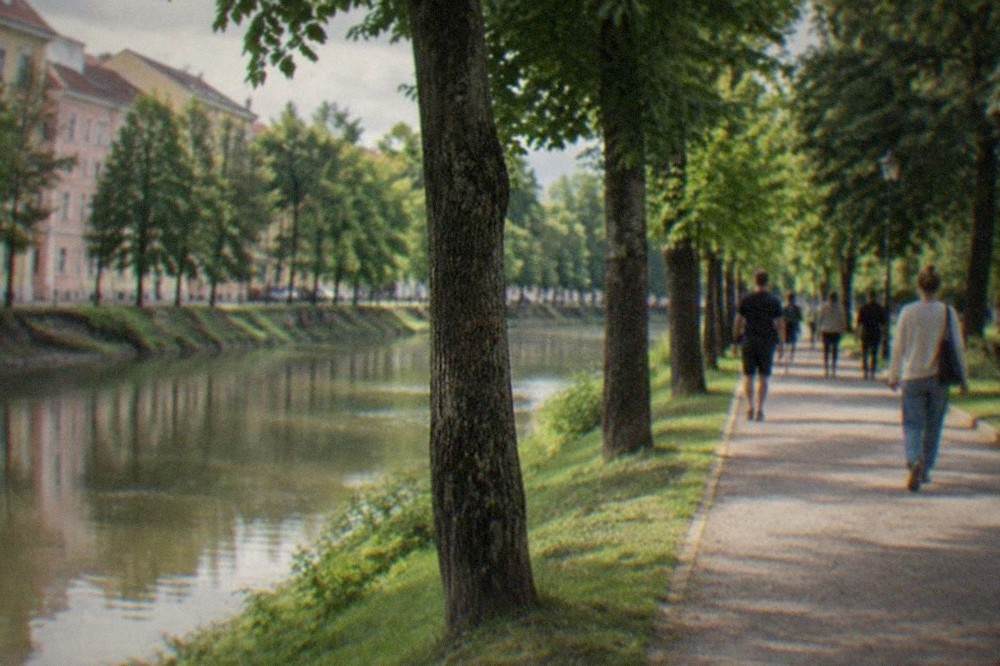
Two to three days covers the old town squares, the Memorial of the Revolution, the National Museum of Art and a riverside walk along the Bega. Official data shows the average visitor stay is short, roughly 1.83 days, so a weekend is the typical pattern and it works.
Is Timisoara in Transylvania?
No. Timisoara is the main city of the Banat region in western Romania, in Timis County, close to the Hungarian and Serbian borders. Transylvania lies east and north of it.
What is the best month to visit Timisoara?
May through September, based on the JMA climate normals: monthly means run from 17.3 C in May to 22.8 C in July, and the festival calendar peaks in summer. December attracts visitors for the Christmas Market, though 2026 dates had not been officially confirmed currently.
Do you need a car in Timisoara?
No. The historic center is compact and walkable, a 5 lei ticket covers 60 minutes on trams, trolleybuses, buses and the Bega water bus, and a one-day pass costs 18 lei. A car only helps for day trips into the Banat countryside.
Is Timisoara expensive?
No by western European standards. September 2026 tracker data puts a draft beer at 11 to 12 lei, a cappuccino at 13 to 15 lei and an inexpensive restaurant meal at 45 to 50 lei. The reported tourist tax is 2 percent of the accommodation tariff, collected by the lodging.
The verdict stands: Timisoara Travel Guide exists because the city rewards the trip, and the numbers tell a single story, from the 296,199 arrivals in 2025 to the 22.8 C July mean.