What Happened In 1989 In Romania?
The Romanian Revolution of 1989 began in Timisoara, in western Romania, on 16 December 1989. Here is what happened, where it happened, and what visitors can still see today.
The Romanian Revolution of 1989, the uprising that ended more than four decades of communist rule in Romania, began in Timisoara, in Timis County in the Banat region of western Romania, on 16 December 1989. It started at the Reformed parish of pastor Laszlo Tokes, spread to the city's central squares, and within days had grown into a national movement that reached Bucharest. Timișoara, known historically as Temesvár under Hungarian rule and Temeswar in German, was where the first crowds shouted down the regime, and the city still carries the marks of those December days in its squares, its memorial, and its own museum dedicated to the events.
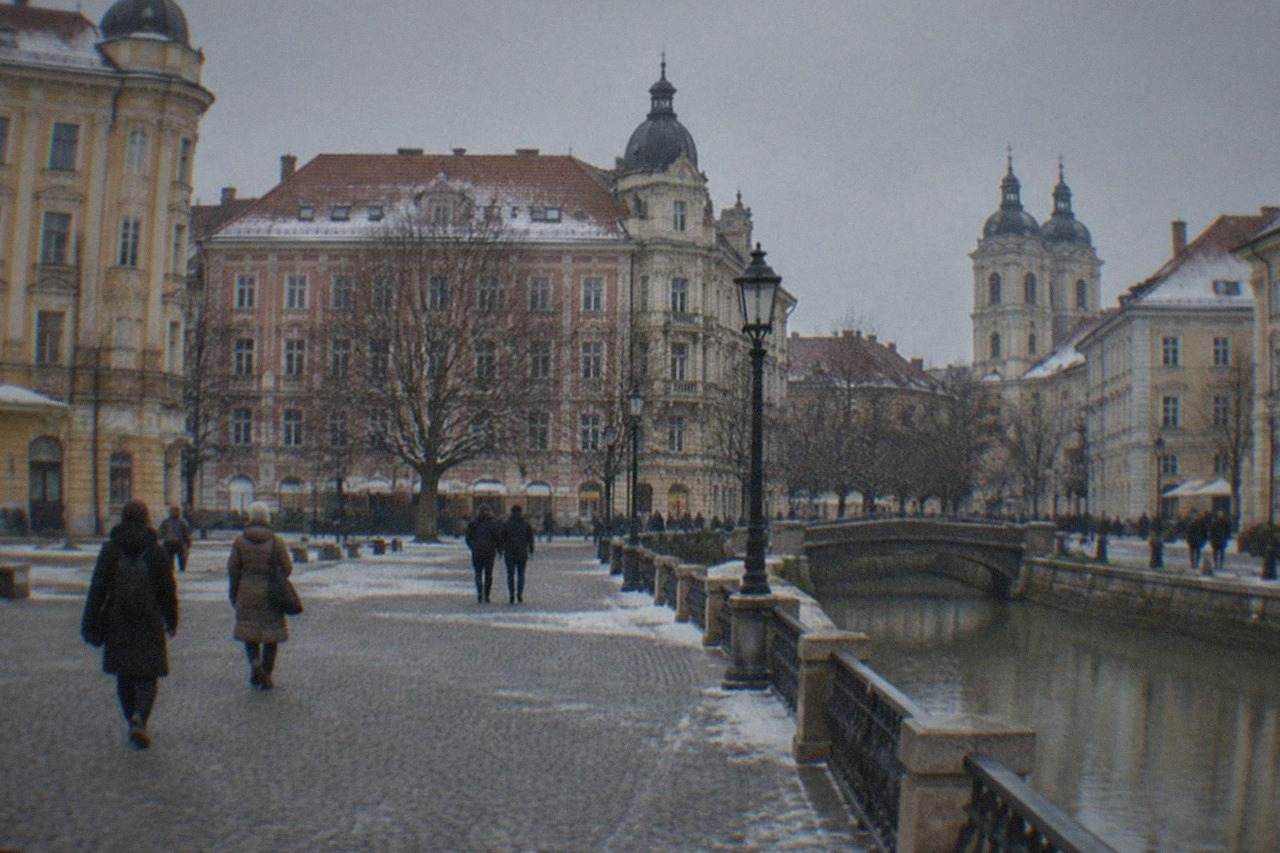
Where Did The 1989 Revolution In Romania Begin?
The revolution began in Timisoara, in western Romania, on 16 December 1989, when crowds gathered in defense of the Reformed pastor Laszlo Tokes, whose parish was under pressure from the communist authorities. The protest moved from the parish into the city center, and by the following days demonstrators were filling Timisoara's squares. The Memorial of the 1989 Revolution, the institution that documents the events, treats the city as the birthplace of the Romanian Revolution.
The spark was local and personal before it was political. Laszlo Tokes, a Reformed pastor in Timisoara, had become a target of the Securitate, the communist secret police, because of his sermons and his defense of religious and human rights. When authorities moved against him and his parish in mid-December, the congregation and then ordinary citizens gathered in support, and the gathering turned into open protest against the regime itself.
What made the Timisoara events decisive was that the protest did not stay in one neighborhood. It spread to Piata Victoriei, Victory Square, the grand central square in front of the Opera, and to other parts of the city. The regime's response was harsh, but instead of ending the movement it gave it a cause and a memory that people carried with them when the protests went national. The question of how many lives that response cost is a separate and difficult one, covered in detail in how many people died in the Romanian Revolution 1989.
Why Did Protests In Timisoara Become A National Revolution?
Protests in Timisoara became a national revolution because the city's demonstrations, and the regime's violent response to them, turned a local grievance into a national cause within days. News of what had happened in Timisoara spread across Romania despite censorship, and when the regime staged a rally in Bucharest on 21 December 1989 the crowd turned against it, an event that unraveled the government in a matter of hours.
The regime's own attempt to control the narrative backfired. A large organized rally in Bucharest on 21 December, broadcast live, was meant to show unity behind the leadership. Instead the crowd began to boo and chant, the broadcast was cut, and the capital realized the tide had turned. The moment is one of the most replayed in Romanian history and is the subject of the separate question why was Ceausescu assassinated.
Timisoara's role did not end when the cameras moved to Bucharest. The city had already shown that open defiance was possible, and its demonstrators had paid for it first. That is why, in Romanian public memory, December 1989 belongs to Timisoara in a way it belongs to no other city. The date of 15 December, the eve of the first gathering, is remembered in its own right, and the story behind it is explained in what is special about the 15th of December.
For visitors who want the events explained on the ground where they happened, a guided walk is the most direct route, and the options below are the ones this site recommends.
What Can You Still See In Timisoara From December 1989?
The main sites of December 1989 in Timisoara are Piata Victoriei, the square in front of the Opera where crowds faced the regime; the Reformed parish where the protest began; the streets of the Cetate district; and the Memorial of the 1989 Revolution, which preserves documents, objects and testimony from the events. Several of these places look ordinary today, which is exactly why a guide or the Memorial's exhibitions help make them legible.
Piata Victoriei is the emotional center. The square, lined with the Opera, the Metropolitan Orthodox Cathedral nearby and rows of Secession-era facades, is where the largest demonstrations took place, and it is where the annual commemoration in mid-December still gathers officials, clergy and residents. The Reformed parish associated with Laszlo Tokes is a quieter site, but it is the point of origin for everything that followed. The rest of the planning pages sit on Timisoara Travel Guide.
The Memorial of the 1989 Revolution is the institution that holds the evidence. Its own site publishes the practical details, and the figures below come from it.
| Item | Detail |
|---|---|
| Memorial of the 1989 Revolution, adult ticket | 20 lei, covering 8 permanent and 3 temporary exhibitions plus the documentary "Noi nu murim" |
| Photo fee | 20 lei, as listed by the Memorial |
| Opening hours | Reported as Monday to Friday 08:00 to 17:00, Saturday and Sunday 10:00 to 18:00; confirm before visiting |
| Location | Central Timisoara, within walking distance of the main squares |
A dedicated walking tour connects these places in the order the events unfolded, which is hard to reconstruct alone.
How Is The 1989 Revolution Remembered In Timisoara Today?
Timisoara remembers the revolution through an annual commemoration in mid-December, centered on Piata Victoriei, the Opera and the Memorial; through the Memorial of the 1989 Revolution's permanent exhibitions; and through new projects, including a planned National Museum of the Anti-Communist Revolution on the former garrison site in Piata Libertatii. The city also holds the European title it earned partly on the strength of that history, having been a European Capital of Culture in 2023.
The December commemorations are the fixed point of the year. They typically take place around the middle of the month, with ceremonies, religious services and cultural programs at the key sites. No full 2026 program had been announced in sources available so check the Memorial's own channels closer to the date.
The physical memory of the revolution is still being built out, and the current projects are worth knowing about before a visit.
For travelers deciding how much of this history to build into a trip, the practical comparison is between a dedicated revolution walk and a general city tour that touches the same squares. The table below lays out the questions worth asking before booking either one.
| Question to ask | Why it matters |
|---|---|
| Does the route include Piata Victoriei and the parish site? | These are the two anchor locations of December 1989 in Timisoara |
| Is the guide local to Timisoara? | The events are city history first, and local guides carry family and neighborhood context |
| How long is the walk? | Two hours covers the core sites; longer tours add surrounding districts |
| Does the tour pair with a Memorial visit? | The exhibitions give the documentary depth a street walk cannot |
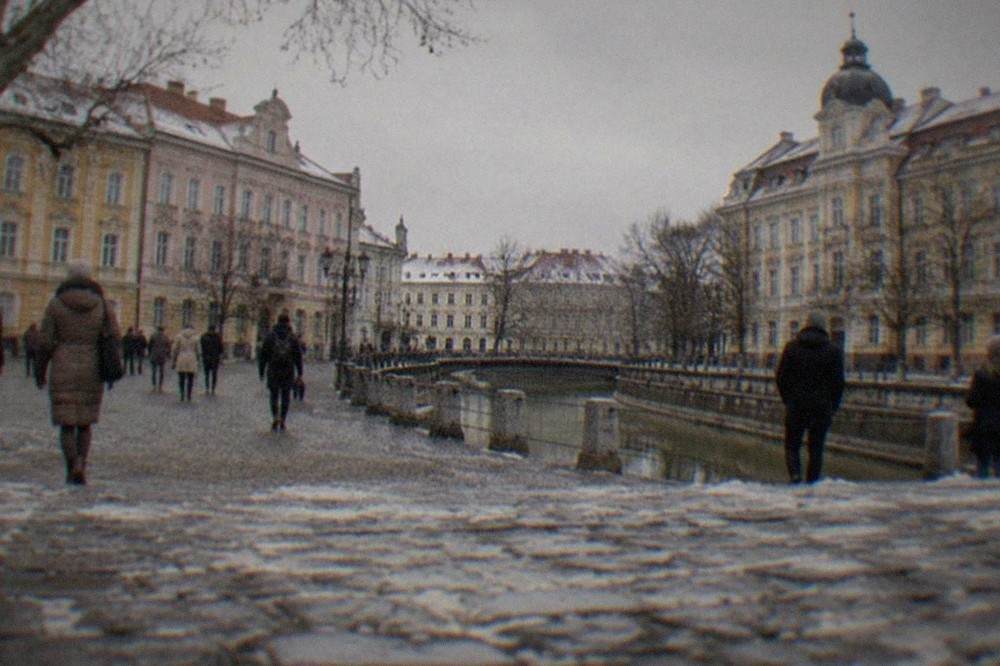
If the history is the reason for the trip, a dedicated tour is worth it. If it is one strand of a wider first visit, a general walking tour that passes the same squares, combined with an hour at the Memorial, may fit better. Either way, this site's own planning resource for the city as a whole is the things to do in Timisoara page, and the question of whether the city rewards a visit at all is answered directly in is Timisoara Romania worth visiting.
Planning a December trip around the anniversary has one practical advantage: the commemorations give the history a living presence, and the squares where the crowds stood in 1989 fill again with people who remember why. The trade-off is winter weather, with JMA climate normals for the Timisoara station showing a January mean of 0.0 C and December at 1.5 C, so pack for cold, short days. The trade-offs of a December visit in general are covered in which Christmas market is best in Romania, since Timisoara's own market runs in Piata Victoriei over the same season, and the broader winter picture is in how cold does it get in Timisoara.
Whichever route you choose, the three tours below are the ones this site recommends for seeing the revolution city with a guide.
Common Questions About The 1989 Revolution In Romania
What happened in 1989 in Romania?
Mass protests that began in Timisoara on 16 December 1989, at the Reformed parish of pastor Laszlo Tokes, grew within days into a national revolution that ended communist rule in Romania. The movement reached Bucharest on 21 December, the leadership collapsed, and the events are documented today by the Memorial of the 1989 Revolution in Timisoara.
Where in Romania did the 1989 revolution start?
It started in Timisoara, in the Banat region of western Romania, on 16 December 1989, when crowds gathered in defense of pastor Laszlo Tokes and his parish. The protests then spread to the city's central squares, above all Piata Victoriei.
Can you visit the sites of the 1989 revolution in Timisoara?
Yes. Piata Victoriei, the parish site and the surrounding Cetate streets are all public spaces, and the Memorial of the 1989 Revolution holds permanent and temporary exhibitions plus a documentary. Guided walking tours of the revolution sites also operate in the city.
When is the revolution commemorated in Timisoara?
Commemorations typically take place in mid-December, with ceremonies, services and cultural programs at Piata Victoriei, the Opera and the Memorial. Announced programs vary year to year, so check the Memorial's own channels before planning a visit around the anniversary.
Is there a museum of the 1989 revolution in Timisoara?
Yes, the Memorial of the 1989 Revolution, which lists an adult ticket of 20 lei covering its permanent and temporary exhibitions and the documentary "Noi nu murim". A separate National Museum of the Anti-Communist Revolution is planned on the former garrison site in Piata Libertatii and was still in the design phase currently.
Timisoara in December is a quiet, cold, historically charged city, and the revolution is the single event that explains why its squares look the way they do. A morning in Piata Victoriei, an afternoon in the Memorial, and a guided walk that connects the two will give the full arc of what happened in 1989 in Romania, from a parish under pressure to a country transformed.