Huniade Castle Timisoara
Huniade Castle is the oldest surviving monument in Timisoara, in western Romania, and for nearly two decades its gates have been shut. A restoration contract signed in August 2025 now targets a partial reopening in 2027 and full reopening in 2028.
Short answer
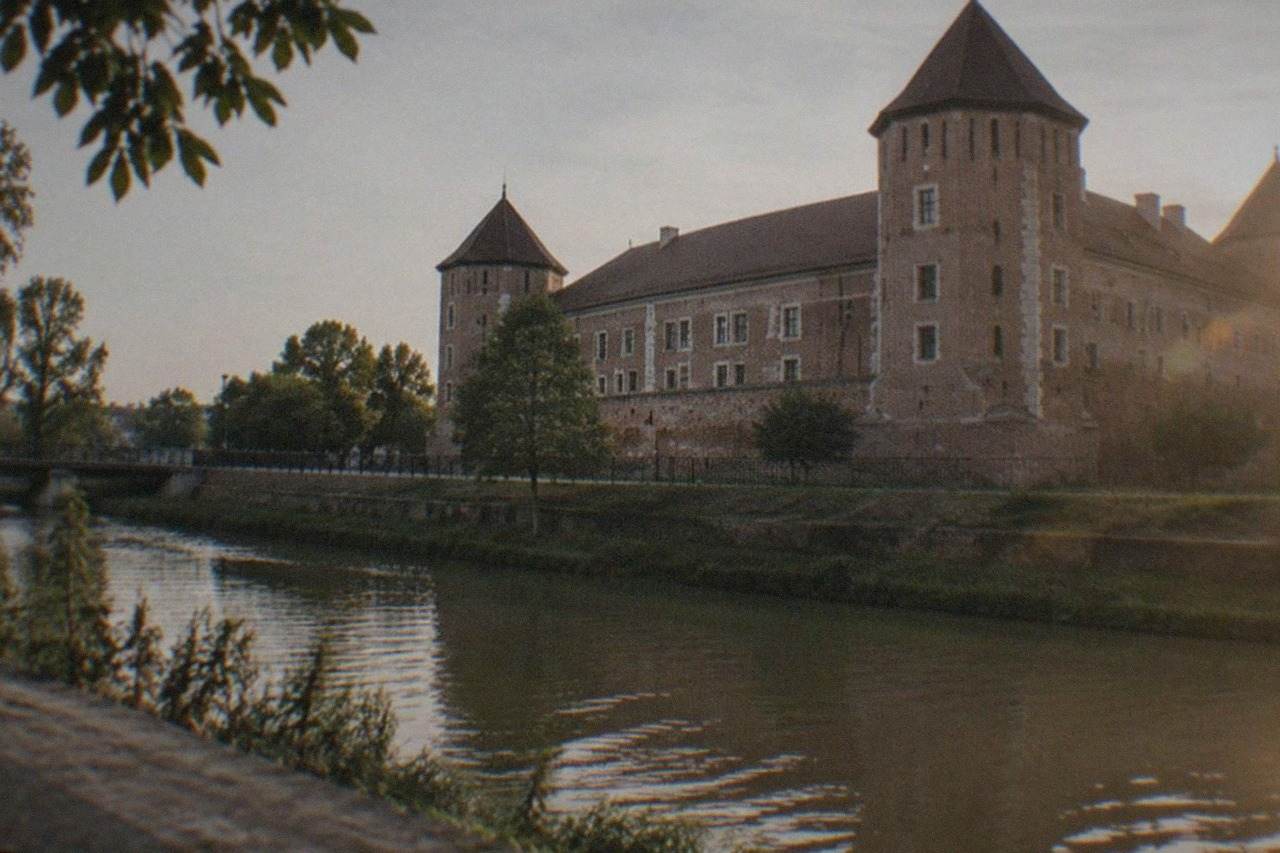
Huniade Castle in Timisoara, Romania is closed to the public while a roughly three-year restoration runs; partial reopening is targeted for early 2027 and full reopening for 2028. The castle park and exterior are visible from the street, and the site sits beside the Bega canal a short walk from Piata Unirii.
Huniade Castle in Timisoara, the main city of Timis County in the Banat region of western Romania, is the oldest surviving monument in the city and one you cannot enter. Known in Hungarian as Temesvár's castle and in German sources under the city's historical name Temeswar, the building has stood beside the Bega in some form since the era of Iancu de Hunedoara (John Hunyadi), who gave it his name. It has been closed to the public for roughly twenty years, since around 2006 or 2007, while its structure deteriorated. That changed in August 2025, when the execution contract for a major restoration was signed, with works valued at around 125 to 150 million lei and a contract period of about 36 months. Partial reopening of a consolidated wing is targeted for early 2027, with full rehabilitation and reopening in 2028.
This page explains what the castle is, why it has been closed so long, what the restoration involves and when you can go inside, and what to do around it while you wait. The short version: do not plan a castle interior visit for a 2026 trip, but do walk past it, because the surrounding park and the Bega canal bank are among the quieter, more photogenic corners of central Timisoara, and the story the building tells, from royal residence to Ottoman stronghold to museum, spans the whole history of the city.
What Is Huniade Castle In Timisoara?
Huniade Castle is the oldest monument in Timisoara, a former royal residence built under Iancu de Hunedoara (John Hunyadi), regent of Hungary, later reshaped as an Ottoman fortress, a Habsburg barracks and the seat of the National Museum of Banat.
It stands on the left bank of the Bega canal just south of the Cetate old town, and it has been closed to visitors for roughly twenty years, since around 2006 or 2007, pending a restoration that began after a contract was signed in August 2025.
The building's identity has shifted with every regime that held the city. Under Hunyadi, who used Timisoara as a military base, the castle served as a residence for the Hungarian regent. Ottoman forces took the city in a later century and the castle became part of a wider fortress complex. The Habsburgs rebuilt it after their capture of the city, and the building was later used as a barracks before the fortress walls came down following the 1892 demolition decision, and the city opened outward. In the modern era it housed the National Museum of Banat, whose collections cover history and natural science, and it is that museum function the restoration is meant to restore.
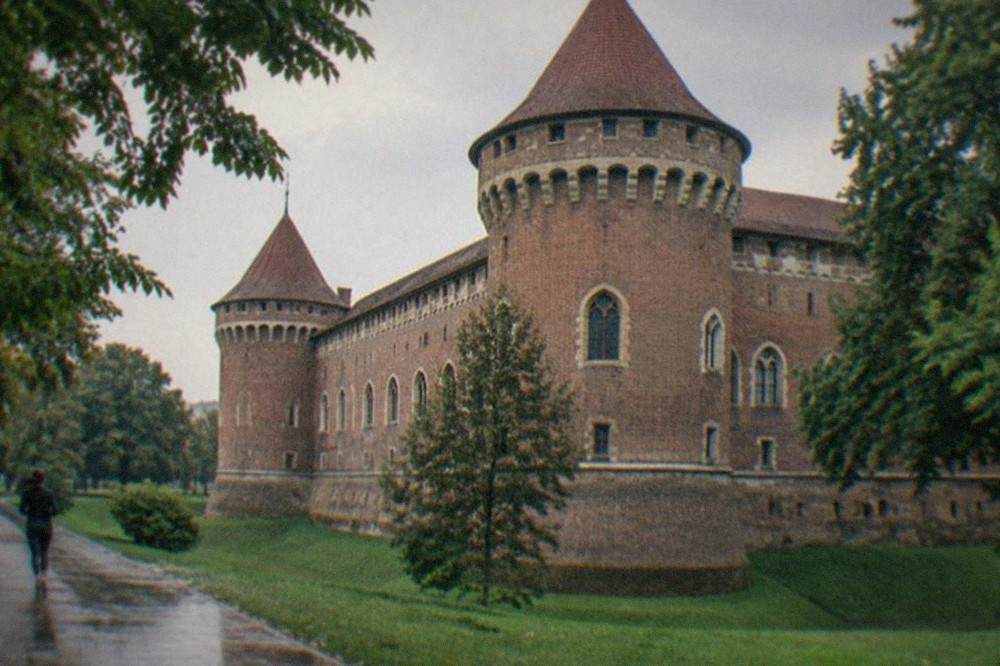
The name itself is a small trap for visitors. "Huniade" is the French-derived form of Hunyadi, and you will also see the Romanian "Castelul Huniade" on signage. The building is not a fairy-tale castle with turrets in the Transylvanian style; it is a substantial rectangular structure with a tower, closer in spirit to a fortified palace than to Corvin Castle at Hunedoara, which is a separate, far larger Gothic castle about two hours away by car and a popular day trip from Timisoara.
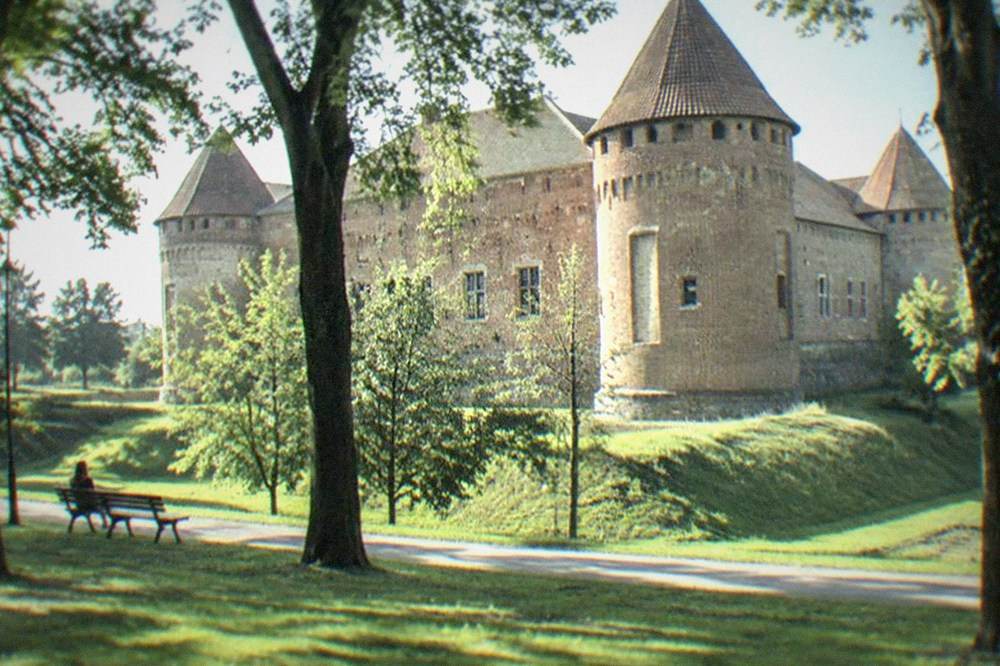
What makes the site worth a walk even while closed is its setting. The castle faces the Bega canal across a strip of parkland, with the dome of the Orthodox Metropolitan Cathedral visible a few minutes' walk north, and the whole stretch between the castle and the cathedral is one of the most pleasant riverside corridors in the city center.
If a guided walk is the way you prefer to absorb a city's history, there are options that cover the old town and the 1989 Revolution story, including heritage-themed routes that pass near the castle's neighborhood.
Why Has Huniade Castle Been Closed For Twenty Years?
Huniade Castle has been closed to the public since around 2006 or 2007 because the building's structure degraded to the point where visitor access was unsafe, and no funding package for a full restoration materialized for nearly two decades. The breakthrough came in August 2025, when the execution contract was signed: a roughly 36-month works program valued at around 125 to 150 million lei, with partial reopening targeted for early 2027 and full reopening in 2028.
Local reporting has tracked the closure for years, and the frustration in Timisoara is easy to find: the city's oldest monument sat scaffolded and shuttered while newer attractions opened around it. The restoration that finally began is not a cosmetic one. Consolidation works have already produced archaeological discoveries inside the castle, including medieval walls attributed to periods associated with Iancu de Hunedoara and Carol Robert de Anjou, which means the works are doubling as an excavation of the site's own layered past.
The timeline to hold in your head, as reported in the local press, looks like this.
| Milestone | Period | Status As Reported |
|---|---|---|
| Castle closes to the public | Around 2006-2007 | Closed roughly 20 years |
| Execution contract signed | August 2025 | Contract period about 36 months |
| Works value | 2025 | Around 125-150 million lei |
| Partial reopening (consolidated wing) | Targeted early 2027 | Planned |
| Full rehabilitation and reopening | Targeted 2028 | Planned |
Two cautions on reading that table. First, the reopening dates are targets reported from the project side, not guarantees; large restorations in Romania have slipped before. Second, "partial" means exactly that: the reports describe a northwest wing or consolidated areas opening first, with a modern museum route developed in partnership with the National Museum of Banat to follow. If you are planning a trip for 2027, check the museum's own channels close to your travel date rather than assuming the doors are open.
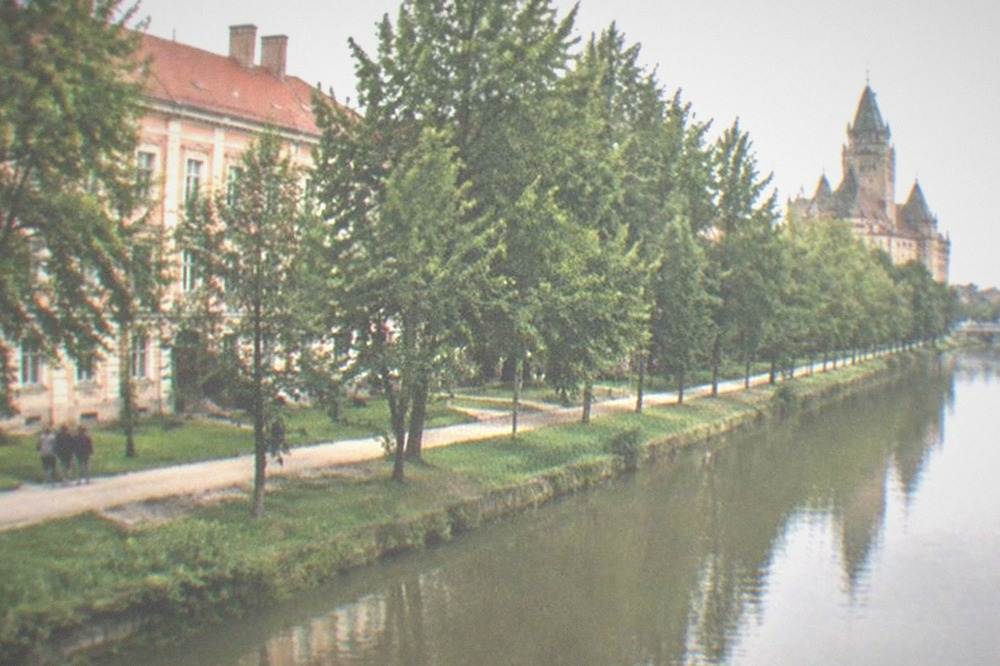
For now, the practical answer for visitors is simple: the exterior, the tower silhouette and the park are visible and walkable, the interior is not. There is no ticket desk, no opening hours to check, and no way in. Anyone selling "castle entry" in Timisoara in 2026 is selling you something else.
If your trip leans toward guided experiences while the castle waits, a heritage walking route is the closest substitute, and one themed option covers the city's layered past on foot.
What Can You See At Huniade Castle While It Is Closed?
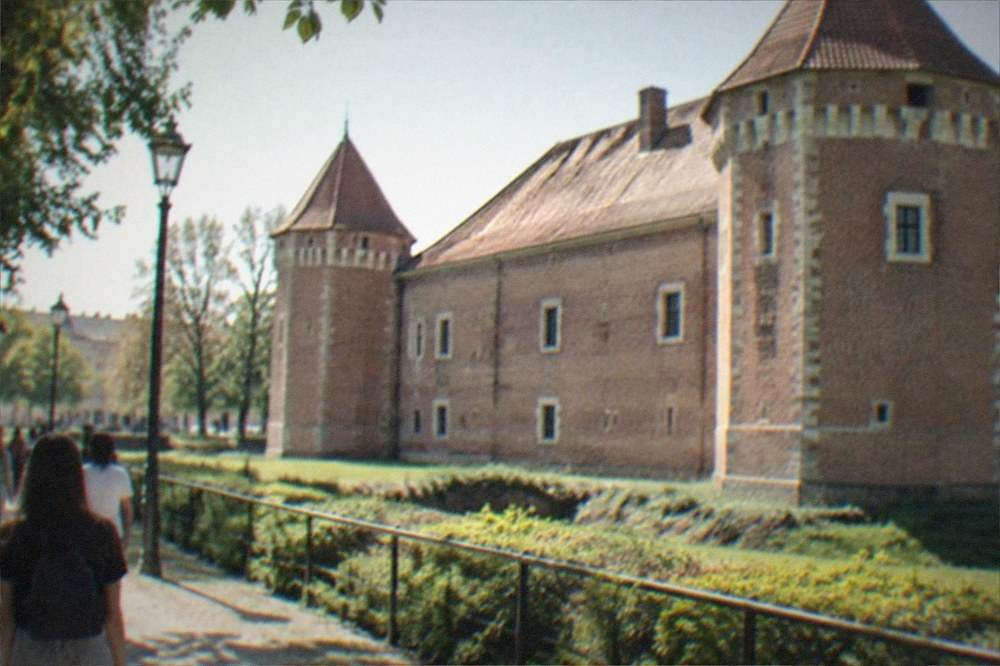
You can see the castle's exterior from the surrounding park and from the Bega canal bank: the rebuilt facade, the tower, the arched windows and the riverside setting are all visible from public ground, and the walk between the castle, the Orthodox Metropolitan Cathedral and Piata Unirii takes you through some of the most pleasant public space in central Timisoara. What you cannot do in 2026 is enter the building, join an interior tour or visit the National Museum of Banat collections here.
Treat the site as a photo stop and a park, and it earns its place on a walking route easily. The castle sits at the southern edge of the Cetate district, so a natural loop runs from Union Square (Piata Unirii) south along the Bega to the castle, then back up to Liberty Square (Piata Libertatii) and Victory Square (Piata Victoriei). That loop takes in the city's three great squares, the cathedral and the castle in one sweep.
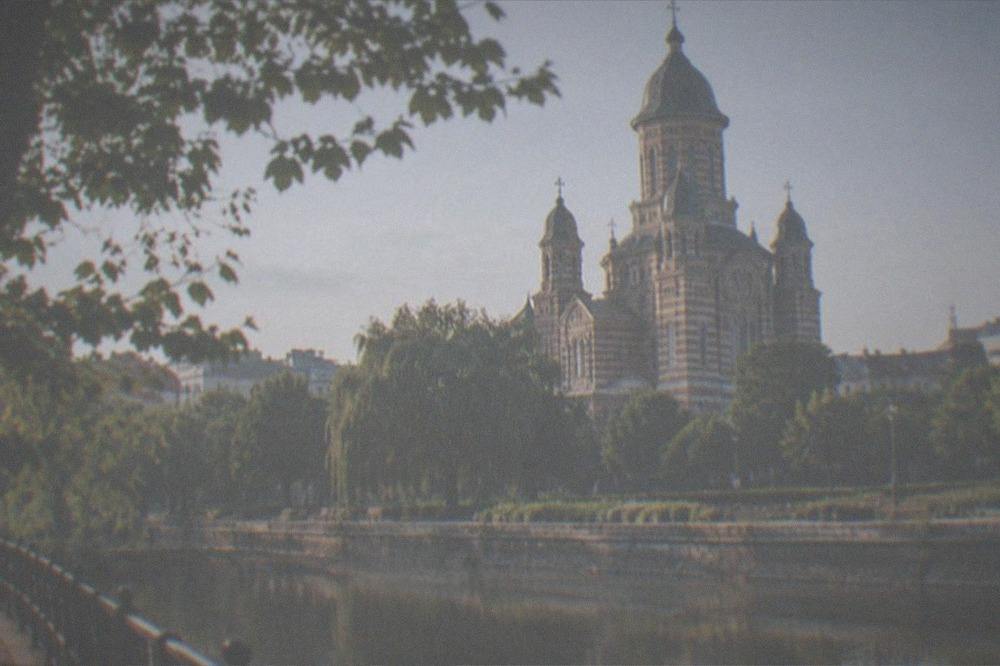
The riverside stretch deserves more attention than most itineraries give it. The Bega canal is the spine of Timisoara's public life, and the bank near the castle is part of a longer leisure corridor the city has been extending, with new parkland and recreation zones added along the water. In season, the vaporetto water bus runs on the Bega from April to the end of October, with nine stops per direction, and a single 60-minute ticket valid on all transport modes, including the boat, costs 5 lei, with a day pass at 18 lei, per the STPT tariff.
| What You Can See Around The Castle In 2026 | Where | Notes |
|---|---|---|
| Castle exterior and tower | From the park beside the building | Visible from public ground |
| Bega canal bank | Along the castle's river frontage | Part of the city's leisure corridor |
| Vaporetto water bus | On the Bega, seasonal | 1 April to end October, 9 stops per direction, 5 lei per STPT |
| Orthodox Metropolitan Cathedral | Short walk north | Exterior and dome viewable; hours not published here |
| Cetate old town squares | 5-10 minutes' walk north | Piata Unirii, Piata Libertatii, Piata Victoriei |
The castle also anchors a cluster of history sites you can bundle into the same morning. The Memorial Museum of the Revolution covers the 1989 Revolution that began in Timisoara, and it is open to visitors, with an adult ticket of 20 lei covering eight permanent and three temporary exhibitions plus the documentary "Noi nu murim", according to the Memorial's own site. The Theresia Bastion and the National Museum of Art in the Baroque Palace on Piata Unirii round out the historical core, and the museum's own site lists summer hours of Wednesday to Sunday 13:00 to 21:00 (1 June to 30 September) and winter hours of Wednesday to Sunday 10:00 to 18:00, closed Monday and Tuesday.
For travelers who want a guide rather than a self-led walk, the question is which route fits. A heritage-themed walking tour covers the city's historic layers, and the Jewish heritage route in particular passes through the same districts and tells the multicultural Banat story the castle's own walls embody.
When Will Huniade Castle Reopen?
Huniade Castle is targeted for a partial reopening in early 2027, when a consolidated wing is due to admit visitors, with full rehabilitation and reopening of the building as a modern museum targeted for 2028, per local reporting on the August 2025 restoration contract. The works run about 36 months and have already uncovered medieval walls during consolidation, so the reopening dates should be treated as targets rather than fixed openings.
The partial-first approach matters for trip planning. A 2027 visit may get you into part of the building, likely the northwest wing or other consolidated areas, with the full museum route, developed in partnership with the National Museum of Banat, arriving later. The new route is expected to present both the restored interiors and the archaeological finds made during the works, which local reports describe as including medieval walls from periods associated with Iancu de Hunedoara and Carol Robert de Anjou.
| Reopening Phase | Target Date | What Is Expected |
|---|---|---|
| Consolidation works ongoing | 2025-2027 | Structure stabilized, archaeology underway |
| Partial reopening | Early 2027 | Northwest wing or consolidated areas, per reports |
| Full rehabilitation | 2028 | Complete building, modern museum route with the National Museum of Banat |
Timisoara's museum landscape is changing fast around the castle, which is one more reason the reopening is being watched closely here. The MINA Museum of Immersive New Art opened on 3 April 2026 in Iulius Town, and the MIC children's interactive museum opened on 16 May 2026 in Bastion Maria Theresia, both per local reports. The Cetate Synagogue's restoration was described as near completion in December 2025. Huniade Castle, the oldest of them all, is the last major piece waiting to come back online.
How Does Huniade Castle Fit Into Timisoara's History?
Huniade Castle is the physical through-line of Timisoara's history: built as a royal residence under Iancu de Hunedoara, absorbed into the Ottoman fortress system in a later century, rebuilt under the Habsburgs, converted to a barracks, and finally made the home of the National Museum of Banat. Almost every regime that ruled the Banat left a mark on this one building, which is why its restoration is treated locally as the recovery of the city's founding monument.
The city around the castle accumulated its famous firsts on the foundations this fortress made possible. The city hall's own "Premierele Timisoarei" list records that Timisoara had the first lamp-lit streets in the Habsburg monarchy by 1760, the first newspaper printed in Romania from 1771, the first electric street lighting on mainland Europe on 12 November 1884 (731 lamps over 59 km of streets), and the first electric tram in Romania in 1899. The castle predates all of it, and the decision in 1892 to demolish the fortress walls, freeing the city to expand, is the moment the castle stopped being a military asset and started being a monument.
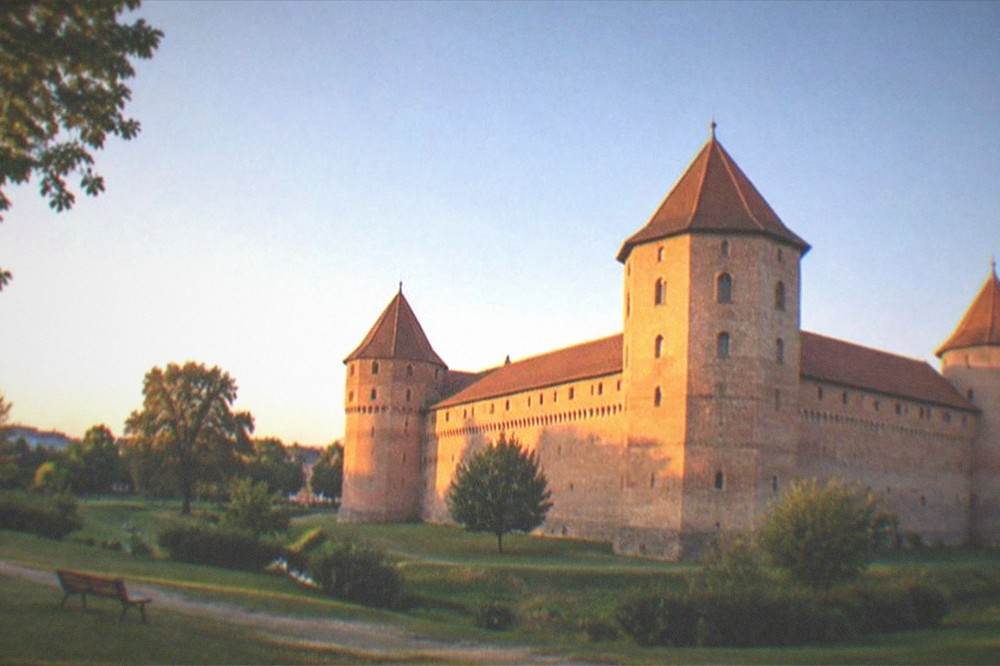
The Habsburg-era layer is the one you see today. After the Ottomans were expelled, the Austrians rebuilt the castle in a baroque-inflected military style, and much of the current facade dates from that period and later alterations. The archaeological finds now emerging from the restoration are, in effect, the earlier castle coming back to light beneath the skin of the later one.
For the deeper historical context, the city's 1989 story, which began in Timisoara and ended the Ceausescu regime, is told at the Memorial, while the multicultural Banat narrative, German, Hungarian, Serbian, Jewish and Romanian communities sharing one city, is the thread that connects the castle's neighborhood synagogues and churches. The Fabric Synagogue and the Cetate Synagogue are both part of that story, and a guided heritage route is the most efficient way to hear it told coherently.
What Is Near Huniade Castle Worth Combining On One Walk?
The most efficient walk from Huniade Castle runs north along the Bega to the Orthodox Metropolitan Cathedral, then through Piata Unirii, Piata Libertatii and Piata Victoriei, covering Timisoara's three central squares, the cathedral, the Baroque Palace and the Opera in a single loop of the Cetate old town. Everything on that loop is within the same compact historic core, so the castle works naturally as either the start or the finish of a half-day walking route.
Here is how the pieces fit together, with the castle as the anchor.
| Stop | What It Is | Why It Pairs With The Castle |
|---|---|---|
| Bega canal bank | Riverside leisure corridor | Runs directly past the castle |
| Orthodox Metropolitan Cathedral | Landmark domed cathedral, short walk north | Same riverside axis |
| Union Square (Piata Unirii) | Baroque heart of the old town | Museums, cafes, St George and Serbian cathedrals |
| Liberty Square (Piata Libertatii) | Historic square en route north | Site of the planned new Revolution museum, per reports |
| Victory Square (Piata Victoriei) | Where the 1989 Revolution unfolded | Opera, Christmas Market site in winter |
| Memorial Museum of the Revolution | 1989 exhibitions and documentary | Adults 20 lei per the Memorial's site |
The same walk can be extended. The Romanian National Opera faces Piata Victoriei, the Serbian Orthodox Cathedral and the St George Roman Catholic Cathedral stand on or near Piata Unirii, and the Bega canal itself is an attraction in its own right, with the seasonal vaporetto giving the walk a boat leg between April and the end of October. In winter, the Christmas Market fills Piata Victoriei, though 2026 dates remain estimates until officially announced.
For a fuller itinerary built around the historic core, see our one day in Timisoara plan, and for everything else in the city, the main things to do in Timisoara page is the site's master list. This guide, Timisoara Travel Guide, covers the castle's reopening status as it develops.
Should You Visit Huniade Castle On A Timisoara Trip?
You should walk past Huniade Castle on any first Timisoara trip, because the exterior, park and riverside setting cost nothing and sit directly on the route between the old town squares and the cathedral, but you should not plan an interior visit before the partial reopening targeted for early 2027. Treat it as a ten-minute photo and story stop in 2026, and as a potential half-day museum destination once the National Museum of Banat returns to the building in 2028.
The honest verdict for 2026 travelers: the castle is a footnote with a great view, not a destination. Its value right now is as the oldest thread in a city whose story you are otherwise told through squares, churches and museums you can actually enter. Walk the bank, photograph the tower, read the plaques, and move on to Piata Unirii.
For 2027 and 2028 travelers, check the reopening status before you build an itinerary around it. The partial reopening is the milestone to watch, and local reporting will carry the confirmation first. If the castle is open when you go, budget real time for it: the combination of restored interiors and the archaeological finds made during the works is being designed as a full modern museum route, per the reports on the project.
If you would rather have a guide handle the city's history while the castle waits, two of the strongest fits are below.
For travelers whose appetite for castles is not satisfied by a closed one, the honest alternative is a day trip: Hunedoara's Corvin Castle, the great Gothic fortress most people picture when they hear "castle in Romania", is reachable from Timisoara as an organized excursion, and the Danube Gorge and the Nera Gorge offer the region's most dramatic landscapes. The Corvin Castle guide covers that option in detail.
The organized excursion to Hunedoara pairs the castle with Sibiu, one of Transylvania's most atmospheric old towns, so a single long day covers two of Romania's headline sights. It is a different rhythm from a city walk: expect most of the day on the road, with the reward being architecture on a scale Timisoara's own castle never aspired to. For visitors with two or three days in the region, it is the most direct way to see what a fully restored Romanian castle looks like, which is exactly what Huniade Castle is on its way to becoming.
And for a completely different register of Banat, the protected gorges and forests south of the city make a strong contrast with a weekend of squares and museums. The Nera Gorge National Park route takes you into the Carpathian foothills, where the landscape shifts from baroque streets to rock walls and old-growth woodland. It is the quieter kind of day trip, best suited to travelers who want green space and walking trails after a few days in the city. Together with the castle excursion, it shows the range of the Banat region within a day's reach of Timisoara.
Common Questions About Huniade Castle Timisoara
Is Huniade Castle open to visitors?
No. Huniade Castle in Timisoara has been closed to the public since around 2006 or 2007. A restoration contract signed in August 2025 targets partial reopening in early 2027 and full reopening in 2028, per local reporting.
What is Huniade Castle in Timisoara?
It is the oldest surviving monument in Timisoara, Romania: a former royal residence associated with Iancu de Hunedoara (John Hunyadi), later an Ottoman fortress, a Habsburg barracks and the home of the National Museum of Banat.
When will Huniade Castle reopen?
Partial reopening of a consolidated wing is targeted for early 2027, with full rehabilitation and reopening as a modern museum targeted for 2028, per reports on the roughly 36-month restoration contract signed in August 2025.
Can you see Huniade Castle from outside?
Yes. The castle's facade, tower and park are visible from public ground beside the Bega canal, and the riverside walk between the castle and the Orthodox Metropolitan Cathedral is a pleasant route in central Timisoara.
How far is Huniade Castle from Piata Unirii?
The castle sits just south of the Cetate old town, a short walk from Piata Unirii along the Bega canal, making it easy to fold into any walking route through the central squares.
Is Huniade Castle the same as Corvin Castle?
No. Corvin Castle (Hunedoara Castle) is a large Gothic castle in Hunedoara, reachable from Timisoara as a day trip. Huniade Castle is the smaller, older monument inside Timisoara itself, named after the same Hunyadi family.
The castle's long closure is finally on a clock with an end date on it, and when the doors do open, Timisoara will regain the one monument that predates every one of its famous firsts. Until then, the park, the tower and the Bega bank give you the view, and the squares a few minutes north give you the rest of the story.