Serbian Orthodox Cathedral Timisoara
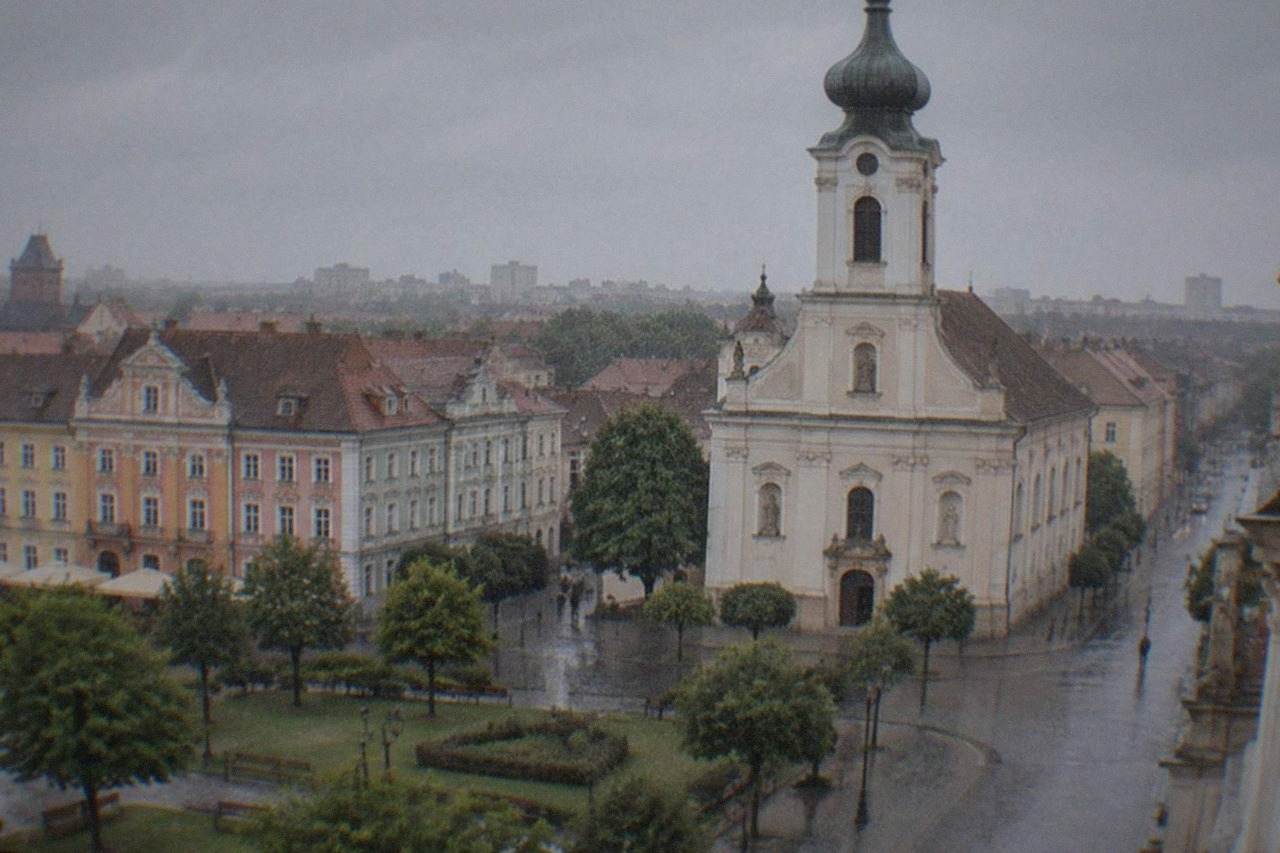
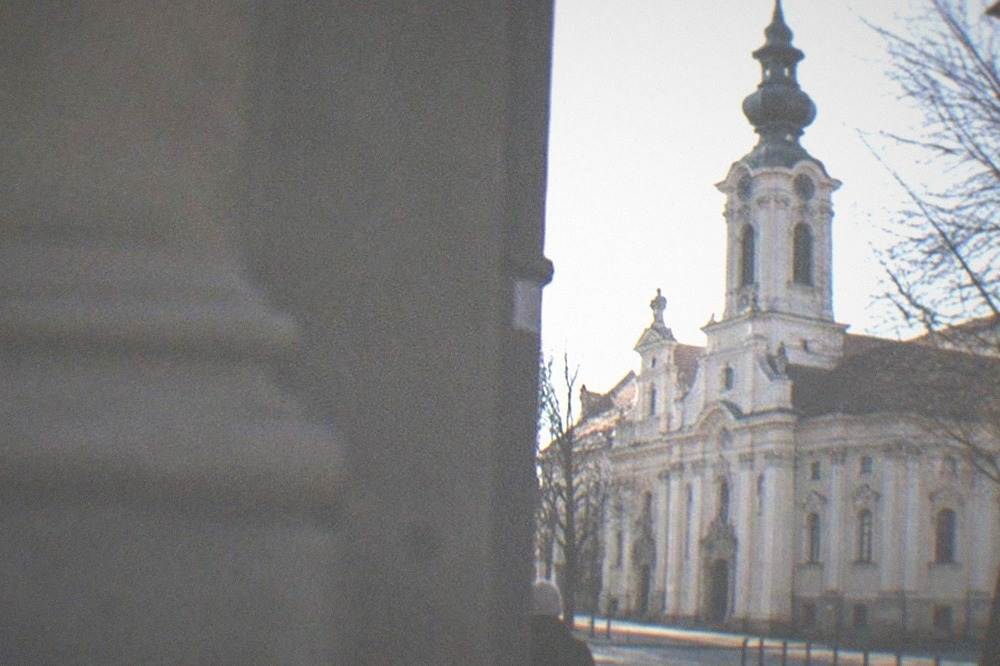
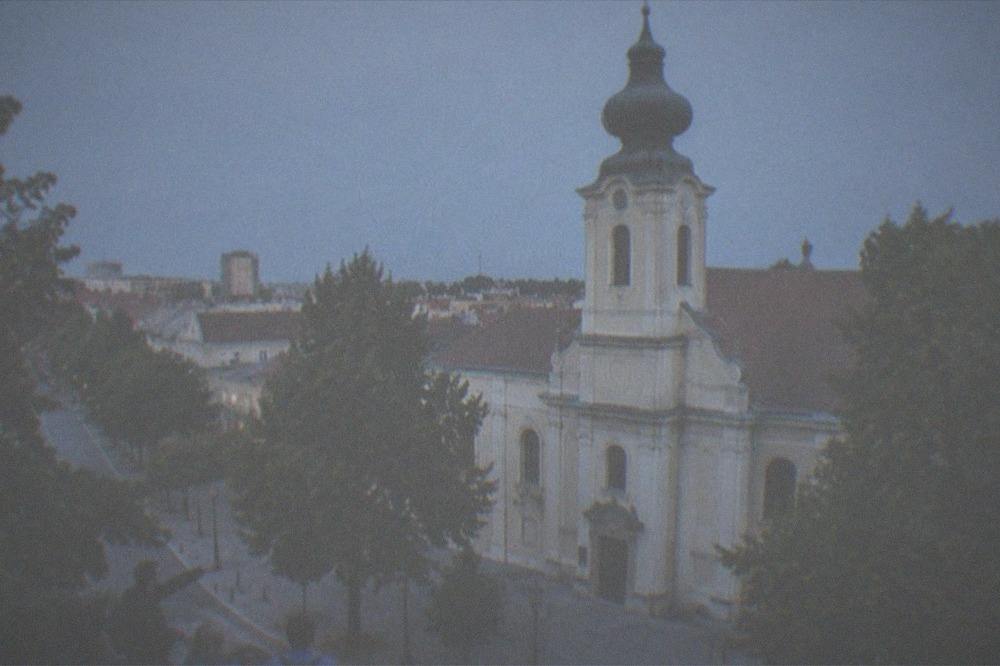
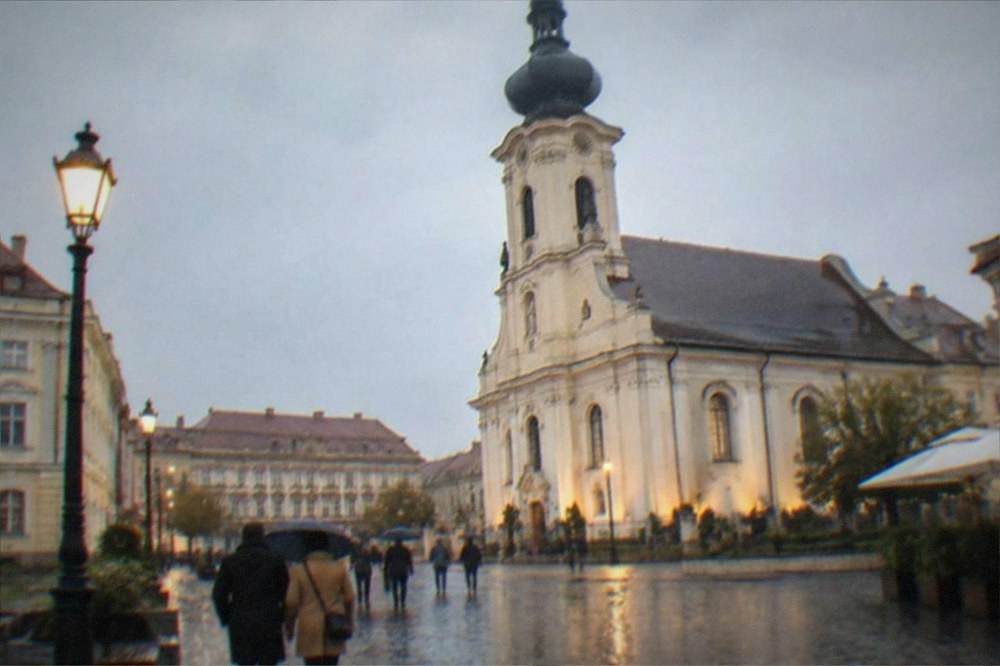
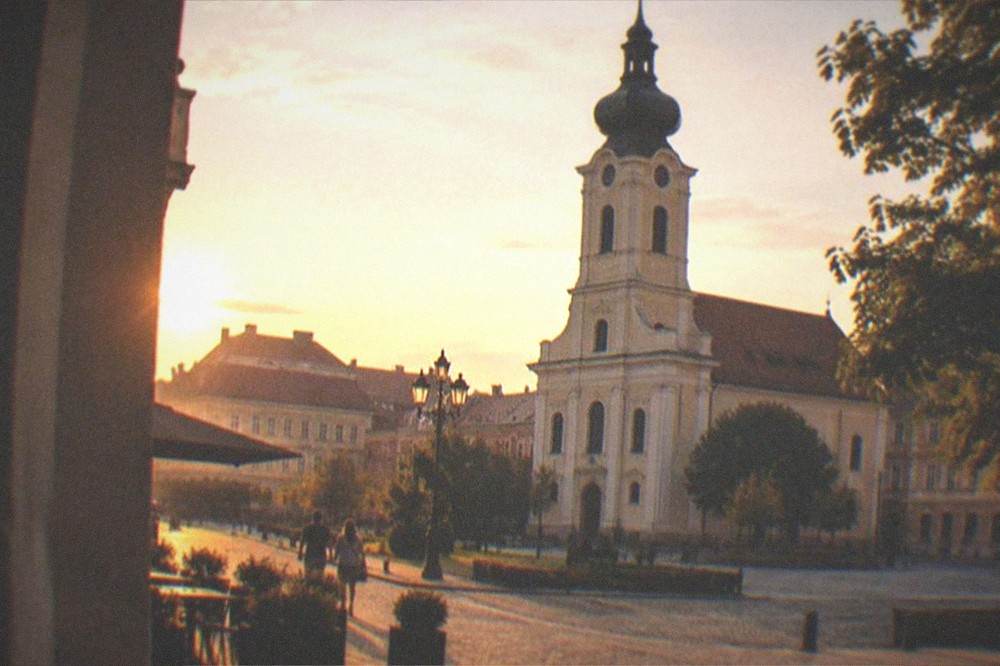
The Serbian Orthodox Cathedral stands on the western side of Piata Unirii in Timisoara, in the Banat region of western Romania, one of several historic houses of worship packed into a single square and a reminder that this city has been Serbian, Hungarian, German and Romanian at once for centuries.
Short answer
The Serbian Orthodox Cathedral is a baroque church on Piata Unirii in central Timisoara, Romania, serving the city's long-established Serbian Orthodox community and standing a short walk from the Roman Catholic cathedral, the Baroque Palace and the old town core of Cetate.
The Serbian Orthodox Cathedral stands on Piata Unirii in Timisoara, Timis County, in the Banat region of western Romania, and few churches anywhere in Europe have quite so many neighbors of other faiths. On the same square you will find a Roman Catholic cathedral, a Serbian one, the Baroque Palace that houses the National Museum of Art, and the colorful baroque and Art Nouveau facades of the Cetate old town. The city's history explains the crowded skyline: Timisoara, historically known as Temesvár in Hungarian and Temeswar in German, spent centuries as a Habsburg frontier city where Serbian, German, Hungarian, Romanian and Jewish communities lived side by side, each building its own places of worship. The Serbian Orthodox Cathedral is the most visible surviving monument of that Serbian community, and this guide from Timisoara Travel Guide covers what it is, how to reach it, when to go, and what to combine it with.
What Is The Serbian Orthodox Cathedral In Timisoara?
The Serbian Orthodox Cathedral is the historic baroque church of Timisoara's Serbian Orthodox community, standing on the western edge of Piata Unirii in the Cetate district, and it is one of the oldest continuously used Orthodox places of worship in the city. It shares its square with the Roman Catholic St George Cathedral, the Baroque Palace and a cluster of pastel merchant houses, making it a stop on virtually every walk through the old town.
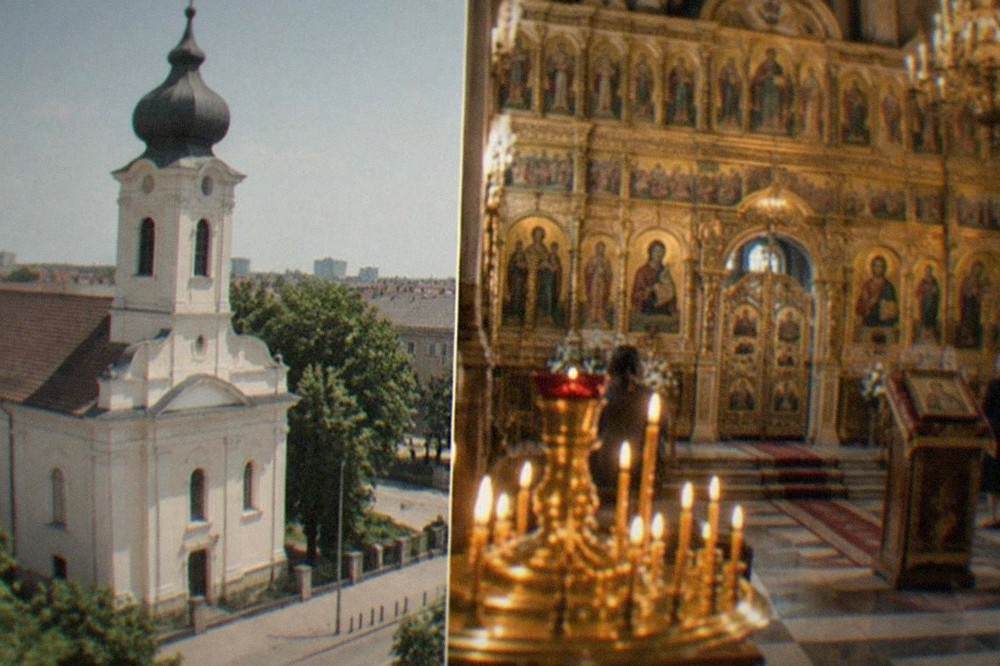
Timișoara's Serbian community is one of the oldest in the city. Serbs settled here in significant numbers under Habsburg rule, when the city was rebuilt as a fortified administrative center after the Ottoman period, and the Serbian Orthodox diocese based here became one of the most important in the region. The cathedral you see today belongs to that tradition: a baroque building with the restrained, fortress-like dignity typical of Orthodox churches raised in Habsburg cities, set back from the square behind a small courtyard.
The interior follows Orthodox convention rather than the Catholic layout of its neighbor across the square. Expect an iconostasis, a wall of icons separating the nave from the sanctuary, candle stands rather than pews in the Orthodox manner, and a dim, incense-scented atmosphere that contrasts with the bright pastel world outside. The building is first and foremost a working parish church, not a museum, which shapes how you should visit: quietly, modestly dressed, and outside of services if you want to look around at ease.
The cathedral also anchors a story this city tells about itself better than almost any other in Romania. Timisoara is the only European city with three state theatres, performing in Romanian, Hungarian and German, a fact the city hall itself lists among its proudest firsts. The same pluralism produced the square the cathedral stands on, where four confessions built within a few hundred meters of each other and, remarkably, none of them left.
Where Is The Serbian Orthodox Cathedral And How Do You Get There?
The Serbian Orthodox Cathedral faces Piata Unirii, the main historic square of Timisoara's Cetate district, reachable on foot from almost anywhere in the old town and by tram, trolleybus or the airport express bus E4 from the Bastion stop. A single 60-minute STPT ticket costs 5 lei and covers trams, trolleybuses, buses and even the Bega water bus, so one fare handles the whole journey from most hotels.
The square itself is the address. Piata Unirii sits at the heart of Cetate, the baroque core laid out after the Habsburg conquest, and every tram line that crosses the center stops within a few minutes' walk of it. The city's public transport operator STPT runs nine tram lines, six trolleybus lines, express buses and the seasonal vaporetto on the Bega canal, and the fare system is fully integrated: the 5 lei single ticket, the 18 lei day pass, the 160 lei 30-day pass and the 1,320 lei annual pass all cover every mode including the water bus. You can pay with a contactless bank card directly on board, by SMS, through mobilPay, from eTicket online or at STPT kiosks.
From Traian Vuia International Airport, about 12 km northeast of the center, the express line E4 runs between the Bastion and the airport terminal, and the same 5 lei ticket applies. Real-time arrivals are published at live.stpt.ro, which is worth checking because the Piata Traian tram works have kept some central lines diverted since August 2026, with diversions expected to last until the end of the year.
| Way of getting there | What it costs | What to know |
|---|---|---|
| On foot from Cetate hotels | Free | Piata Unirii is the center of the old town; most central stays are within a 15-minute walk |
| Tram or trolleybus | 5 lei per 60-minute ticket | Integrated ticket covers all modes, including the Bega water bus |
| Day pass | 18 lei | Cheapest option if you plan three or more rides in a day |
| Airport express E4 | 5 lei | Runs between the Bastion stop and the airport; contactless payment works on board |
| Bega vaporetto | 5 lei per ride | Seasonal, early April to end of October, nine stops per direction |
If you are staying outside the center, the simplest plan is one ride to any stop on the edges of Cetate and then a walk in: the square is pedestrian-friendly, and the approach through the baroque streets is half the pleasure. Drivers should note that paid parking in the center is managed by the municipal operator TimPark in color-coded zones, with the ultra-central red zone the most expensive and shortest-stay, enforced roughly on weekday working hours, so check the signs.
A guided walk is the other way in, and for this square it genuinely helps. The ecumenical walking tour of the city exists precisely because Piata Unirii's religious density confuses visitors who arrive without a guide, and a companion option is the downtown dream walking tour for a broader old-town loop. You can compare the current options below.
What Can You See Inside And Around The Cathedral?
Inside the Serbian Orthodox Cathedral the highlights are the iconostasis with its tiers of icons, the candle stands where worshippers light candles for the living and the dead, and the painted or gilded ceiling decoration typical of baroque Orthodox interiors; around it, Piata Unirii offers the Roman Catholic St George Cathedral, the Baroque Palace housing the National Museum of Art, and the pastel merchant houses of Cetate, all within one square.
Approach the interior the way Orthodox churches ask to be approached. Dress covers shoulders and knees, voices stay low, and photography is best kept discreet or skipped entirely, especially during services. The iconostasis is the visual heart of any Orthodox church: a screen of icons separating the congregation from the sanctuary, arranged in a fixed hierarchy with Christ and the Virgin closest to the center. The candle stands are equally central to Orthodox practice, and the soft glow of dozens of small flames is the interior's defining atmosphere.
Outside the doors, the square does most of the work. A short arc to the east stands the Roman Catholic St George Cathedral, the grandest of the square's churches, and the Baroque Palace on the northern side houses the National Museum of Art, open Wednesday to Sunday with summer hours from 13:00 to 21:00 and winter hours from 10:00 to 18:00. The museum's own information page notes a 175 lei guided tour fee per group, with standard admission priced separately.
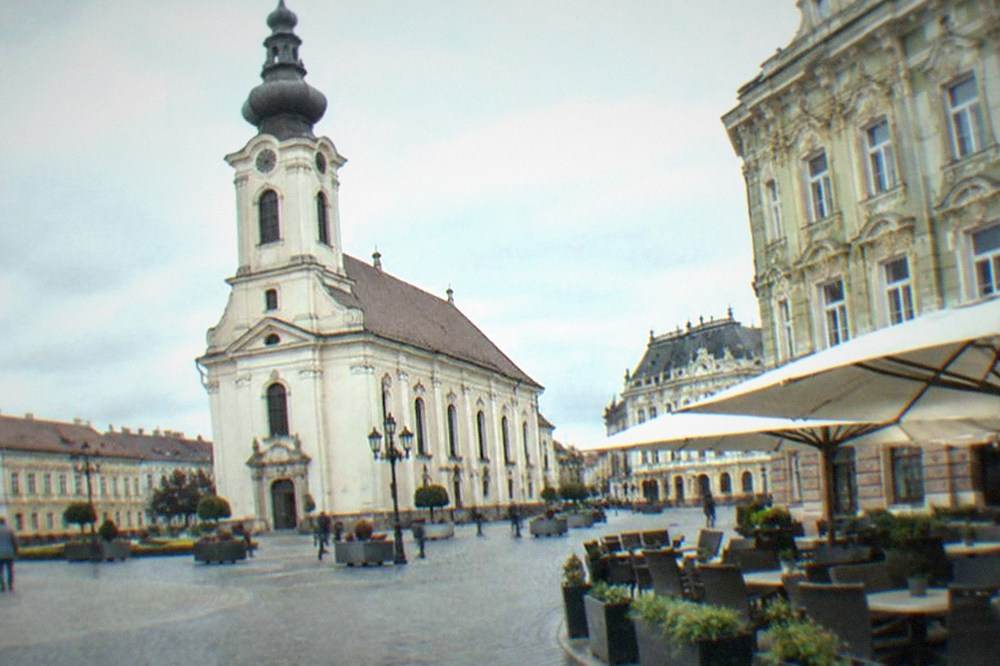
The square's confessional map is easy to miss, so here it is in one view:
| Landmark on or near Piata Unirii | Confession or function | Where it stands |
|---|---|---|
| Serbian Orthodox Cathedral | Serbian Orthodox parish church | Western side of the square |
| St George Cathedral | Roman Catholic | Eastern side of the square |
| Serbian Orthodox eparchial buildings | Church administration | Adjacent to the cathedral |
| Baroque Palace | Secular, houses the National Museum of Art | Northern side of the square |
| Historic merchant houses | Secular, cafes and shops | Southern and western rows |
Beyond the square, the walkable radius widens fast. Victory Square with the Opera and the Metropolitan Orthodox Cathedral lies a few blocks north along the pedestrian corridor, Liberty Square sits just to the south, and the Theresia Bastion wraps around the old town's western edge. If your visit stretches past the center, the Orthodox Metropolitan Cathedral is the Romanian Orthodox counterpart to the Serbian church and belongs on the same itinerary.
A question worth asking before you plan the day: do you want to walk the faiths with someone who can open the stories, or find them yourself? The ecumenical tour's live listing covers the city's Orthodox, Catholic, Reformed and Jewish landmarks in one loop, and you can Check availability for your dates.
When Is The Best Time To Visit The Serbian Orthodox Cathedral?
The best time to visit the Serbian Orthodox Cathedral is spring or early autumn, when Timisoara's continental climate gives mean temperatures of 12.3 C in April and 17.2 C in September, comfortable for walking the old town; July and August are warmest at 22.8 C and 22.5 C mean, while winters are cold, with a January mean of 0.0 C, but the Christmas season fills Piata Unirii with atmosphere.
The climate here is squarely continental, and the verified JMA normals for the city's weather station, at 86 m altitude, show the shape of the year clearly. July is the warmest month at a 22.8 C mean, January the coldest at 0.0 C, June the wettest at 79.1 mm of rain and March the driest at 34.1 mm, with 600.7 mm falling across a typical year. There is nothing Mediterranean about this corner of the Banat: summers can be hot and thundery, winters properly cold, and the shoulder months the sweet spot for a walking itinerary.
| Season | Months | Mean temperature | Notes for visiting |
|---|---|---|---|
| Spring | March to May | 6.5 to 17.3 C | Driest stretch of the year; square at its photogenic best |
| Summer | June to August | 20.9 to 22.8 C | Warmest and busiest; June is the wettest month at 79.1 mm |
| Autumn | September to November | 17.2 down to 6.4 C | September combines warmth with thinning crowds |
| Winter | December to February | 1.5 down to 0.0 C | Cold but atmospheric; Christmas Market expected in the central squares |
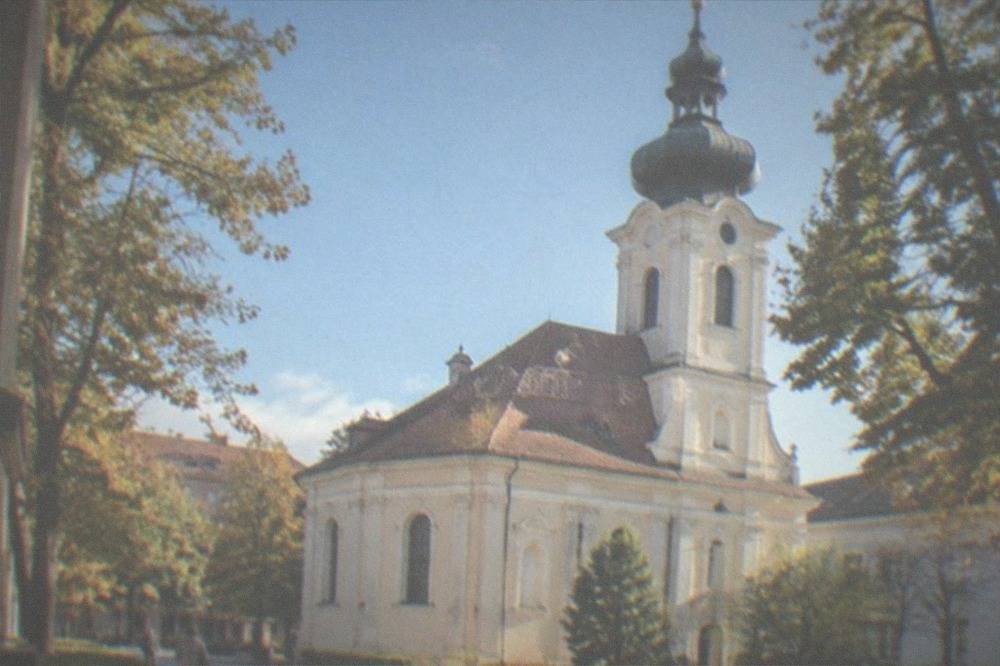
Timings inside the week matter as much as the season. The cathedral is an active parish, so Sunday mornings belong to the liturgy and are the wrong time for sightseeing, while weekday mornings and early afternoons are usually quiet. The neighboring National Museum of Art is closed on Mondays and Tuesdays, so a Monday visit to the square pairs the churches with museum exteriors only. If you are coming in late 2026, note the airport's runway is closed for repairs from 2 to 22 November 2026, a closure announced by the airport in July 2026, so check flight status for that window.
December has its own argument. The Christmas Market in Timisoara, expected from late November into early January based on prior years though 2026 dates are not yet officially confirmed, centers on the city's main squares, and a cold-weather visit trades comfortable temperatures for mulled wine, lights and the baroque facades at their most theatrical. Our Christmas in Timisoara guide covers that season in detail.
How Does The Cathedral Fit Into Timisoara's Multi-Faith Story?
The Serbian Orthodox Cathedral fits into Timisoara's multi-faith story as the Serbian community's anchor in a city that has kept Romanian, Hungarian, German, Serbian and Jewish traditions alive side by side for centuries, a pluralism the city hall itself celebrates, listing the three state theatres in three languages among its proudest firsts and hosting four confessions within one historic square.
The Banat region was settled deliberately. Under Habsburg administration the plains around the city were colonized with German, Serbian, Hungarian, Romanian and other communities, and the city that grew from that policy became one of Central Europe's genuinely mixed towns. The physical evidence is still on the map: the Serbian cathedral on Piata Unirii, the Roman Catholic cathedral across from it, the Fabric Synagogue in its own district, and the Metropolitan Orthodox Cathedral anchoring the Romanian tradition on Victory Square.
The city's record of firsts, verified in the city hall's own economic report, gives the backdrop. Timisoara had the oldest attested brewery in Romania in 1718, the first lamp-lit streets in the Habsburg monarchy in 1760, the first newspaper printed in Romania in 1771, the first horse-drawn tram in the Habsburg Empire in 1869, and, on 12 November 1884, it became the first city on mainland Europe with electric street lighting, 731 lamps over 59 km of streets.
| Year | Timisoara first, from the city hall's own list |
|---|---|
| 1718 | Oldest attested brewery in Romania |
| 1760 | First city of the Habsburg monarchy with lamp-lit streets |
| 1771 | First newspaper printed in Romania |
| 1869 | First horse-drawn tram in the Habsburg Empire |
| 1884 | First city on mainland Europe with electric street lighting |
| 1899 | First electric tram in Romania |
That inventive, mercantile, multi-lingual city is the one the Serbian cathedral served. The 1989 Revolution that began here in December 1989, commemorated at the Memorial museum, and the European Capital of Culture year in 2023, which Timisoara shared with Elefsina and Veszprem, both belong to the more recent chapters of the same open city. The ecumenical walking tour is built around exactly this thread, pairing the Serbian cathedral with the city's other faith landmarks in a single guided loop.
What Else Should You See Near Piata Unirii?
Near Piata Unirii you should see the Roman Catholic St George Cathedral, the National Museum of Art in the Baroque Palace, Liberty Square to the south, Victory Square and the Metropolitan Orthodox Cathedral to the north, the Theresia Bastion to the west, and the Bega canal promenade, with the whole cluster walkable in a single afternoon through the baroque streets of the Cetate old town.
The old town rewards a loop rather than a list. Start on Piata Unirii itself, give the square's two cathedrals and the art museum a full circuit, then walk south to Liberty Square, a smaller, quieter space with its own baroque character. From there the Cetate lanes lead west to the Theresia Bastion, the surviving star-shaped fragment of the Habsburg fortress, now holding cafes and cultural spaces inside its walls.
North of the square, the pedestrian corridor opens onto Victory Square, the city's ceremonial axis, with the Opera at its head and the Metropolitan Orthodox Cathedral just beyond. For a longer half-day, the Bega canal promenade runs through the center, and the seasonal vaporetto water bus, running early April to the end of October with nine stops per direction, turns the river into part of the sightseeing route at the same 5 lei fare as a tram ride.
| Nearby sight | Direction from the Serbian Orthodox Cathedral | Character |
|---|---|---|
| St George Cathedral | Across the square | Roman Catholic, the square's grandest church |
| National Museum of Art, Baroque Palace | North side of the square | Fine arts, open Wednesday to Sunday |
| Liberty Square | Short walk south | Smaller baroque square, cafes |
| Victory Square and the Opera | Short walk north | Ceremonial axis, fountains, events |
| Theresia Bastion | Short walk west | Restored fortress segment, cultural venues |
| Bega canal promenade | South and east of Cetate | Riverside walk, water bus stops in season |
If one day in the city is all you have, our one day in Timisoara itinerary puts the square at the center of the route, and the weekend in Timisoara version stretches the same logic across two days. Visitors with a car and a spare day often head out of the city entirely, and the Turda salt mine and Corvin Castle day trip is one of the most-booked options from here, with current dates and pricing on the operator's live listing.
For a self-guided afternoon, the downtown dream tour is the guided equivalent of the loop described above, and comparing it with the other options below helps you decide whether a guide earns its place on your day.
Common Questions About The Serbian Orthodox Cathedral In Timisoara
Is the Serbian Orthodox Cathedral the same as the Metropolitan Orthodox Cathedral in Timisoara?
No. The Serbian Orthodox Cathedral is a baroque parish church on Piata Unirii serving the city's Serbian Orthodox community, while the Metropolitan Orthodox Cathedral is the far larger Romanian Orthodox cathedral on Victory Square. They belong to different Orthodox jurisdictions and sit about a ten-minute walk apart, so both fit easily into one itinerary.
How much does it cost to enter the Serbian Orthodox Cathedral?
As an active parish church, the cathedral does not operate like a ticketed museum, and no verified admission fee is published for it. Plan for a donation-box visit, the norm for Orthodox churches in Romania, and check locally on the day for any service times that might limit sightseeing.
Can you visit the Serbian Orthodox Cathedral and St George Cathedral on the same walk?
Yes, easily. Both stand on Piata Unirii, facing each other across the square, and the National Museum of Art in the Baroque Palace completes the set. The museum keeps summer hours of 13:00 to 21:00, Wednesday to Sunday, and winter hours of 10:00 to 18:00 on the same days, closed Mondays and Tuesdays.
What should you wear to visit an Orthodox church in Timisoara?
Modest clothing is expected in any Orthodox church: shoulders and knees covered, hats removed inside. Services, especially on Sunday mornings, belong to worshippers, so if you want to look around rather than attend, a weekday visit is the smoother choice.
How do you get from Timisoara airport to the Serbian Orthodox Cathedral?
The airport express bus E4 runs between the Bastion stop and Traian Vuia International Airport, about 12 km northeast of the center, and the standard 5 lei single ticket covers it. From the Bastion it is a short walk into Cetate to Piata Unirii. Note the announced full runway closure for repairs from 2 to 22 November 2026 if you are flying in that window.
Why are there so many different churches in one Timisoara square?
Because Timisoara spent centuries as a deliberately multi-ethnic Habsburg frontier city, where Serbian, German, Hungarian and Romanian communities, plus a substantial Jewish community, each built their own places of worship. Piata Unirii preserves that mix within a single square, and the city still runs three state theatres in Romanian, Hungarian and German, a distinction the city hall lists among its proudest firsts.
The Serbian Orthodox Cathedral is best understood not as a single sight but as the key that unlocks Piata Unirii: once you know which community built which tower, the whole square, and much of the city beyond it, starts to make sense. Give it a quiet half hour, then step back out into the pastel facades and finish the loop through the old town.