Baruch Palace Timisoara
Baruch Palace is one of the most photographed facades in central Timisoara, a decorated corner building a short walk from Union Square, and this guide covers how to see it, when to come, and what to pair it with.
Short answer
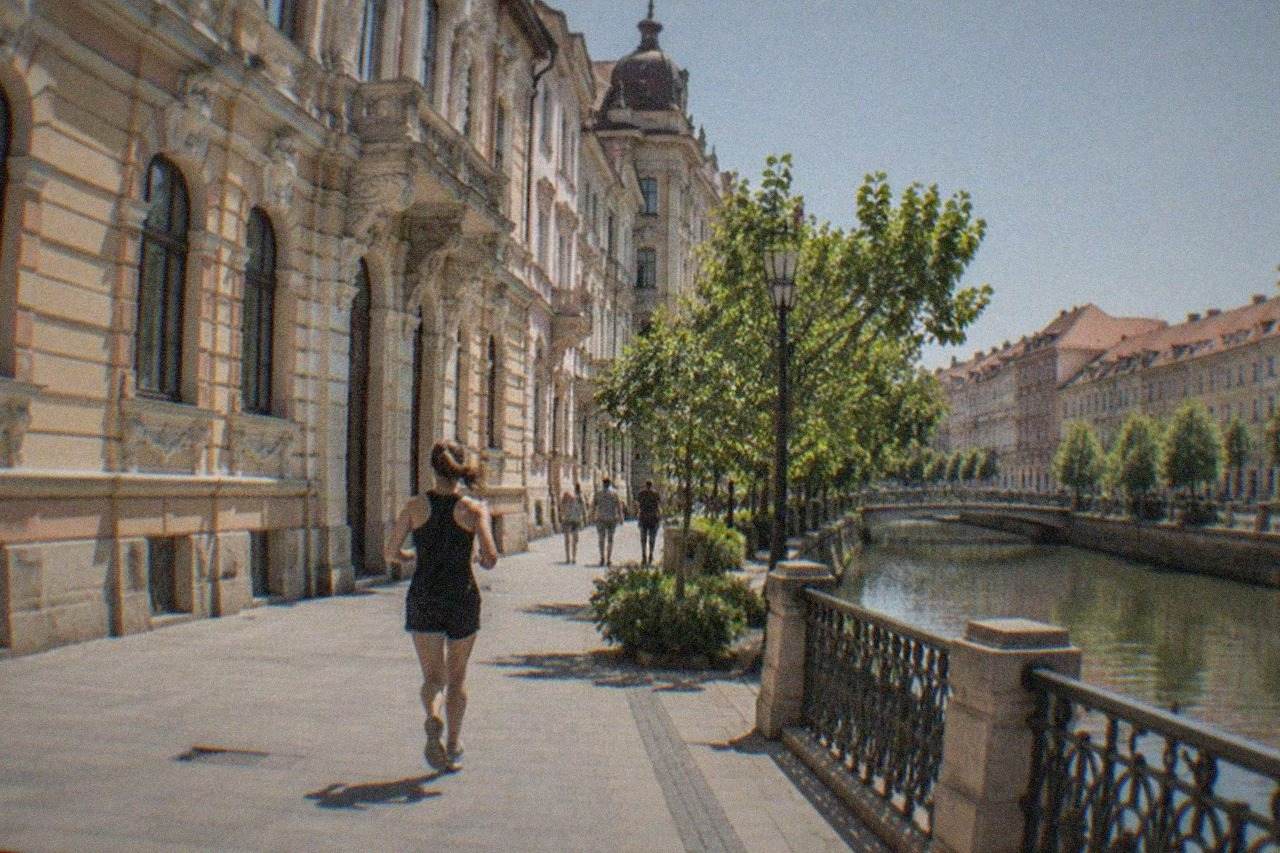
Baruch Palace is a historic decorated building in the Cetate area of Timisoara, Romania, best known for its richly sculpted facade. It is an exterior sight on the old town walking circuit, a few minutes on foot from Union Square, and it costs nothing to see.
Baruch Palace stands in the Cetate district of Timisoara, the county seat of Timis County in the Banat region of western Romania, and its facade is one of the small sights that people who wander the old town almost always photograph without knowing its name. The building belongs to the layer of Timisoara's architecture that grew up after the 1892 decision to demolish the fortress walls, when the city, known under its Hungarian name Temesvár in that period, expanded outward from the old Habsburg core and lined its new boulevards with apartment palaces. This guide explains what the building is, exactly where to find it, which guided walks pass it, what to see in the surrounding blocks, and how to plan the visit around verified local prices and transport facts.
What Is Baruch Palace In Timisoara?
Baruch Palace is a historic corner building in central Timisoara, Romania, best known for the sculpted ornamentation on its street facade rather than for any museum or interior open to visitors. It is an exterior sight, seen from the sidewalk in a few minutes, and it sits inside the Cetate district, the old fortified core of the city, the densest concentration of historic architecture in western Romania. There is no ticket desk and no published opening hour.
The palace belongs to a family of buildings that locals call "palaces" without any royal connection: large urban apartment and commercial blocks from the late 19th and early 20th centuries, when Timisoara's merchant families invested heavily in showpiece facades. The Baruch name attaches to the family that commissioned it, part of the city's historically significant Jewish commercial community, whose heritage is documented across several other sites in Timisoara, including the two historic synagogues in Cetate and Fabric. For the architectural context of that era, the Cetate old town guide covers the district street by street.
What makes the building worth a deliberate stop is the sheer density of decoration on a relatively compact facade. Timisoara's city center carries an unusual mix of styles, and this page's subject sits comfortably alongside the eclecticism and Secession-era detailing found on neighboring blocks. The city's architecture story, from Habsburg baroque to later modernism, is a rich one, and buildings like this one belong firmly in their period context.
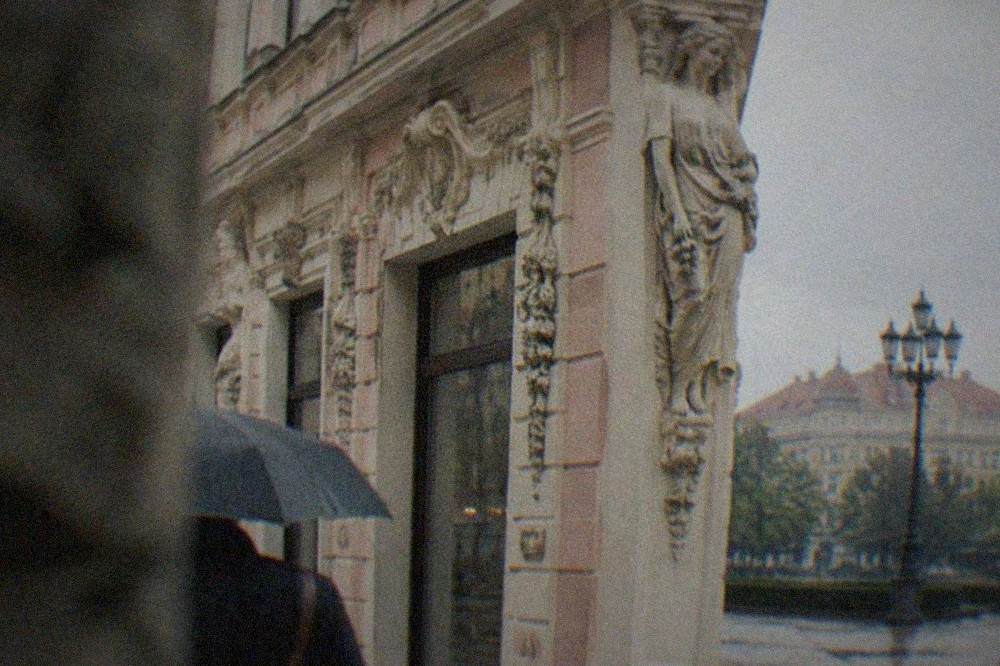
A practical point shapes every visit: this is a working building on a working street. You look up, you photograph, you move on. That makes it an ideal anchor for a walking circuit rather than a destination in itself, and the rest of this guide is built around that idea, pairing the facade with the squares, museums and guided tours within a short radius.
Where Is Baruch Palace And How Do You Get There?
Baruch Palace is in the Cetate district of central Timisoara, within the old town ring, a short walk from Union Square (Piata Unirii), the city's main historic square. From Union Square the walk crosses only a few city blocks on flat, sidewalked streets. The city's public transport network of trams, trolleybuses and buses serves the edges of the old town, and a single 60-minute ticket costs 5 lei, valid on every mode including the Bega water bus, per the official STPT tariff.
The nearest landmarks are easy to use for orientation. Union Square (Piata Unirii) is the main reference point, with the Baroque Palace and the two cathedrals-facing squares of the old core around it. Liberty Square (Piata Libertatii) and Victory Square (Piata Victoriei) form the axis that visitors walk between, and the palace sits on one of the side streets connecting these squares rather than on a square itself, which is why people often find it by accident.
For transport, the verified STPT fares worth knowing before you ride are simple and flat:
| Ticket or pass | Price | What it covers |
|---|---|---|
| Single ticket, 60 minutes | 5 lei | All modes, trams, trolleybuses, buses, and the vaporetto water bus |
| 1-day pass | 18 lei | Unlimited rides for one day, including the water bus |
| 30-day general pass | 160 lei | All modes for a month |
| Annual general pass | 1,320 lei | All modes for a year |
Payment is flexible: the STPT methods page confirms contactless bank card on board, e-wallet cards, SMS, mobilPay, eTicket online and kiosks at sales points. Real-time arrivals are published at live.stpt.ro. Trams, the vaporetto and walking distances are covered in detail in the site's transport guides, and the airport arrival leg from Traian Vuia airport, about 12 km northeast of the center, is served by express bus line E4.
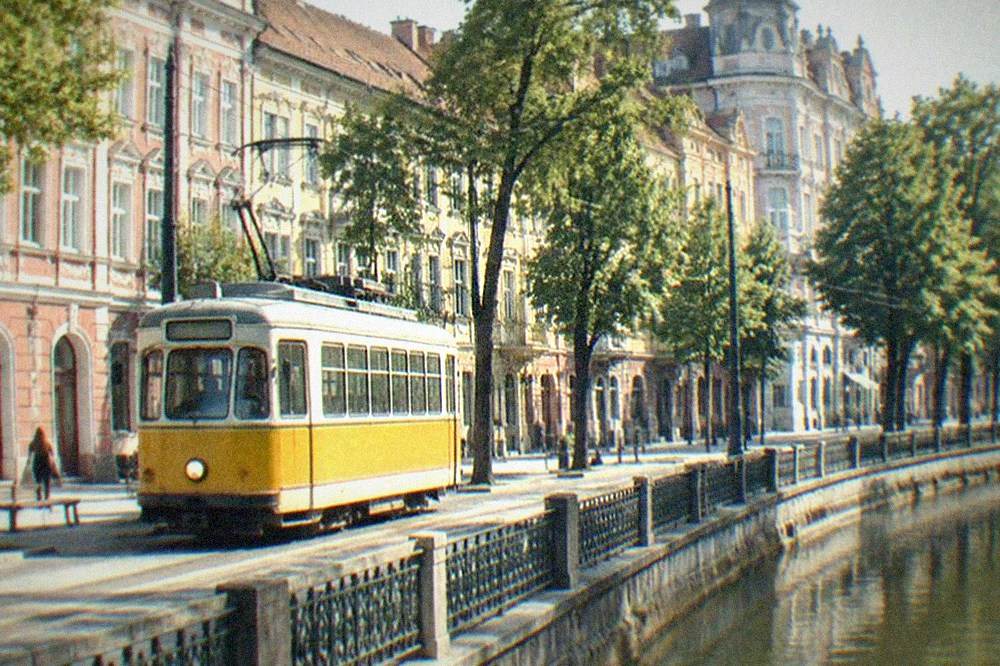
One seasonal note: the vaporetto water bus on the Bega canal runs roughly 1 April to the end of October, with nine stops per direction and the same 5 lei ticket, per the STPT seasonal announcements. It is more of a sightseeing ride than a commuter service, and it lands you within walking range of the old town, a pleasant way to approach the Cetate district on a warm afternoon.
Which Timisoara Tours Pass Baruch Palace?
The old town walking tours of Timisoara are the ones that put you in front of Baruch Palace, because the building stands on the standard Cetate circuit between the main squares. The Revolution-themed walks are the closest thematic match, since the 1989 uprising that began in this city unfolded in these exact streets, and a licensed guide connects the facades to the events of December 1989. Food and heritage walks also pass through the district.
The strongest pairing for this particular building is the Revolution route. The guided walk Rise Against Communism: The 1989 Revolution in Timisoara is the related tour for this page, and its focus on the streets where the uprising started makes it the natural companion to a facade that belongs to the same pre-1989 urban world. Check availability on the operator's live listing before finalizing your day, since departure times and meeting points live there.
If you want a broader first-day orientation instead, two other city walks cover the old town well. The Classic Tour of Timisoara is the long-running standard circuit, a loop that hits the main squares and the bastion, and its live listing carries the current schedule and meeting point. It suits visitors who want the whole-city overview in a single morning rather than a single-theme deep dive.
For a budget-friendly start, the Timisoara Essentials Tour with Alex, a free GuruWalk tip-based walk led by the guru Alex, runs on the same streets. Never print a price for it, the tip is yours to decide, and the booking goes through GuruWalk. It is the cheapest way to get a local's narration of the Cetate district before you decide whether a paid themed walk is worth adding on top.
Whichever walk you choose, the practical advice is the same: book the first slot of the day if you want empty squares in your photographs, and check the operator's live listing for the current meeting point, since old town walks sometimes shift their start position when squares host events.
What Else Is Within Walking Distance Of Baruch Palace?
Almost everything in central Timisoara is within a 10-to-15 minute walk of Baruch Palace, because the Cetate district is compact and flat. Union Square with its baroque palaces and museums, Liberty Square, Victory Square with the Opera and Metropolitan Cathedral, and the Theresia Bastion all sit inside one comfortable loop. The Bega canal promenade borders the district, and two historic synagogues, in Cetate and in Fabric, extend the walk for visitors interested in the city's Jewish heritage, which the Baruch family was part of.
A sensible loop, built from the verified opening information for the major sights, looks like this:
| Sight | What it is | Verified visitor information |
|---|---|---|
| Union Square (Piata Unirii) | Main historic square, baroque palaces, open daily | Public space, no ticket |
| National Museum of Art | Baroque Palace, Piata Unirii | Summer: Wed to Sun 13:00 to 21:00; winter: Wed to Sun 10:00 to 18:00; closed Mon and Tue |
| Memorial of the 1989 Revolution | Museum of the December 1989 uprising | Adults 20 lei; Mon to Fri 08:00 to 17:00, Sat to Sun 10:00 to 18:00 |
| Theresia Bastion | Restored fortress segment, shops and cafes | Public passage, open daily |
| Banat Village Museum | Open-air museum of regional vernacular architecture | Wed to Sat 10:00 to 18:00, Sun 12:00 to 20:00, closed Mon and Tue; adults 20 lei |
| Bega canal and vaporetto | Waterfront promenade, seasonal water bus | Seasonal service, 5 lei per ride |
The pairing with the city's Jewish heritage sites is worth planning rather than stumbling into. The Cetate Synagogue is the closer of the two historic synagogues, and restoration work on its interior was described in late 2025 as near completion, with the building already hosting public events such as the Hanukkah lighting. The Fabric Synagogue sits across the Bega in the Fabric district, a short tram ride or a longer walk away.
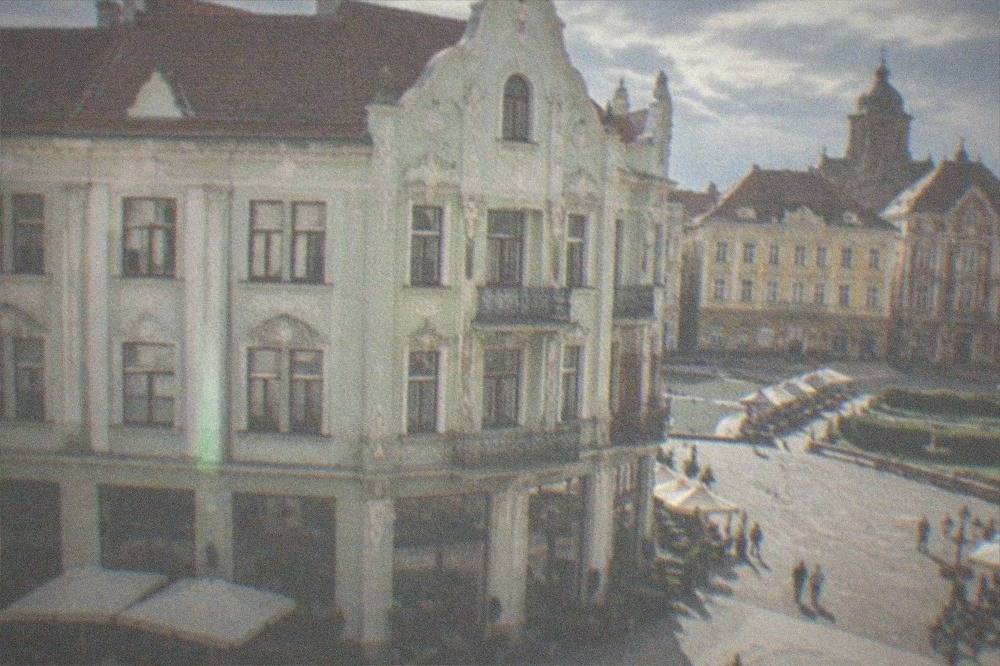
For visitors who want the fuller picture of the city's squares rather than single buildings, the one day in Timisoara itinerary sequences Union Square, Victory Square, the bastion and the canal into a single walkable day, and the things to do in Timisoara hub is the root page for the whole destination. Baruch Palace slots into any of these as a five-minute pause between squares.
When Is The Best Time To See Baruch Palace?
The best months to photograph Baruch Palace in Timisoara are May through September, when the JMA climate normals for the city's weather station show mean temperatures of 17.3 C in May rising to 22.8 C in July. The facade is an outdoor sight, so weather matters more than any opening hour: June is the wettest month at 79.1 mm of rain while March is the driest at 34.1 mm. Winter visits work too, with a mean of 0.0 C in January.
The verified monthly picture, from the JMA/WMO CLIMAT normals for station TIMISOARA 15247:
| Month | Mean temperature (C) | Precipitation (mm) |
|---|---|---|
| January | 0.0 | 37.3 |
| February | 2.1 | 35.5 |
| March | 6.5 | 34.1 |
| April | 12.3 | 50.6 |
| May | 17.3 | 57.2 |
| June | 20.9 | 79.1 |
| July | 22.8 | 61.9 |
| August | 22.5 | 54.6 |
| September | 17.2 | 50.4 |
| October | 11.5 | 50.0 |
| November | 6.4 | 45.3 |
| December | 1.5 | 44.7 |
Crowds follow the cultural calendar more than the weather. The city's tourist arrivals peak in late spring: the city hall data series shows May 2025 as the peak month on record at 30,664 arrivals, and 2025 closed the January-to-November period at 268,699 arrivals, up on the 285,190 full-year figure for 2024. In practice that means pleasant weather plus busy squares in May and June, and quieter streets with colder air from November through February, when the Christmas in Timisoara guide becomes the relevant companion.
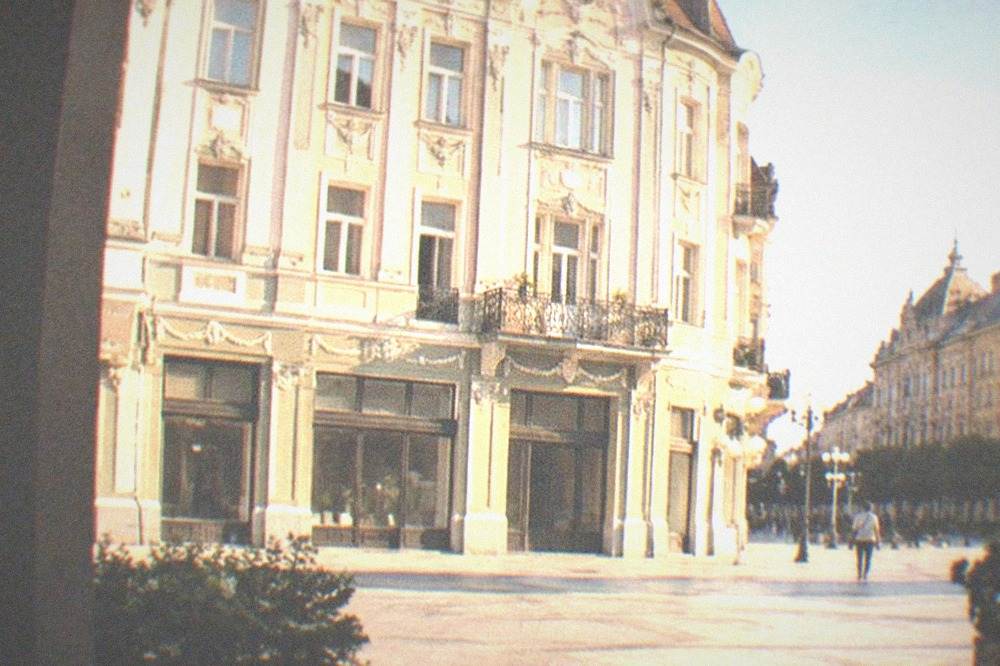
Light matters for a facade photograph. The old town's streets run on a fairly regular grid, so morning and late afternoon sun rake across the walls rather than flattening them at midday. There is no bad hour to walk past, but if the photograph is the point, build the loop for early or late. The month-by-month detail, including what each season does to the rest of the city, is in the best time to visit Timisoara guide.
How Much Does A Day Around Baruch Palace Cost?
Seeing Baruch Palace itself is free, since it is an exterior facade on a public street, and a full day around it can run well under 30 euro at local prices: a 5 lei tram ticket, a 20 lei museum admission, and an inexpensive restaurant meal at roughly 45 to 50 lei per September 2026 cost-of-living data for Timisoara. A cappuccino runs about 13 to 15 lei. The one mandatory extra is the local tourist tax, reported at 2% of the accommodation tariff.
The verified local price picture, from cost-of-living sources updated in September 2026:
| Item | Typical price in Timisoara | Notes |
|---|---|---|
| Inexpensive restaurant meal | 45 to 50 lei | Lunchtime menus can be cheaper |
| Cappuccino | 13 to 15 lei | Regular coffee bar |
| Domestic draft beer, 0.5 L | 11 to 12 lei | Neighborhood pub |
| Public transport single ticket | 5 lei | 60 minutes, all modes |
| Memorial of the Revolution entry | 20 lei | Adults, includes documentary screening |
| Banat Village Museum entry | 20 lei | Adults, per the museum's listing |
Currency matters here: Romania uses the leu (RON), not the euro, and the Banat region's prices are quoted in lei at the till. Exchange habits and card use are covered in the site's money guides, and the Timisoara cost and prices guide expands the table above into a full budget. The tourist tax deserves one careful sentence: it exists under local council decision HCL 719/2025, and the 2% rate is reported in local tax commentary rather than printed on a primary city page, so treat it as reported, not as a headline figure.
Guided walking tours change the arithmetic, and their prices render from live listings rather than from this page, which is why every tour figure on this site comes from a compiler block. What can be said in prose is the shape of the choice: the Revolution walk is the thematic fit, the classic circuit is the generalist option, and the free tip-based GuruWalk walk is the budget entry. Beyond the city, day trips into the Banat mountains and the Transylvanian castles are a different budget class entirely.
Is Baruch Palace Worth The Detour In Timisoara?
Yes, if it is a detour of five minutes rather than a destination in itself: Baruch Palace rewards anyone already walking the Cetate district between Union Square and Victory Square, and it costs nothing but a glance upward. It is not a museum, it has no interior to visit, and no verified published hours exist for it because none are needed. Its value is as one of the characterful facades that make Timisoara's old town feel layered, and as a natural waypoint on the city's standard walking routes.
The honest framing is this: Timisoara's fame rests on its squares, its 1989 history, and its unusual multicultural past, not on any single palace. The city was a European Capital of Culture in 2023, sharing the title with Elefsina in Greece and Veszprem in Hungary, and the legacy projects from that year continue to reshape the cultural offer, including the MultipleXity hub planned in the former tram depots. A facade like this one is a small, free sample of the same urban story.
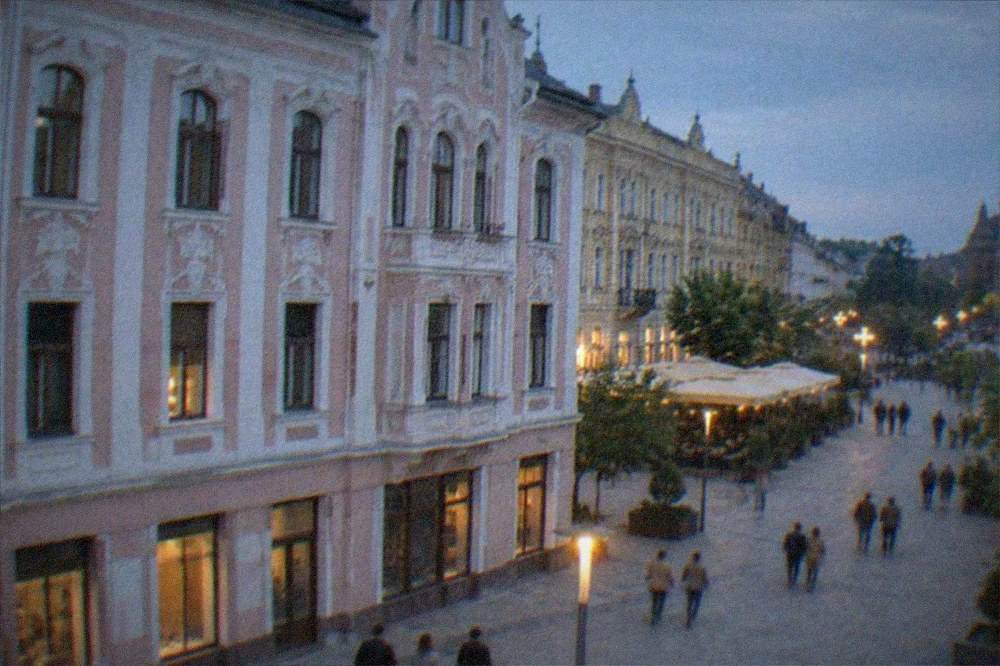
To place the building in the city's long run of firsts, which the city hall itself publishes: Timisoara had the first horse-drawn tram in the Habsburg Empire from 8 July 1869, the first electric street lighting on the European mainland from 12 November 1884, with 731 lamps over 59 km of streets, and the first electric tram in Romania in 1899. The streets around Baruch Palace grew in the building boom that followed the demolition of the fortress walls, which began after the 1892 decision. That context is the Timisoara history guide's territory.
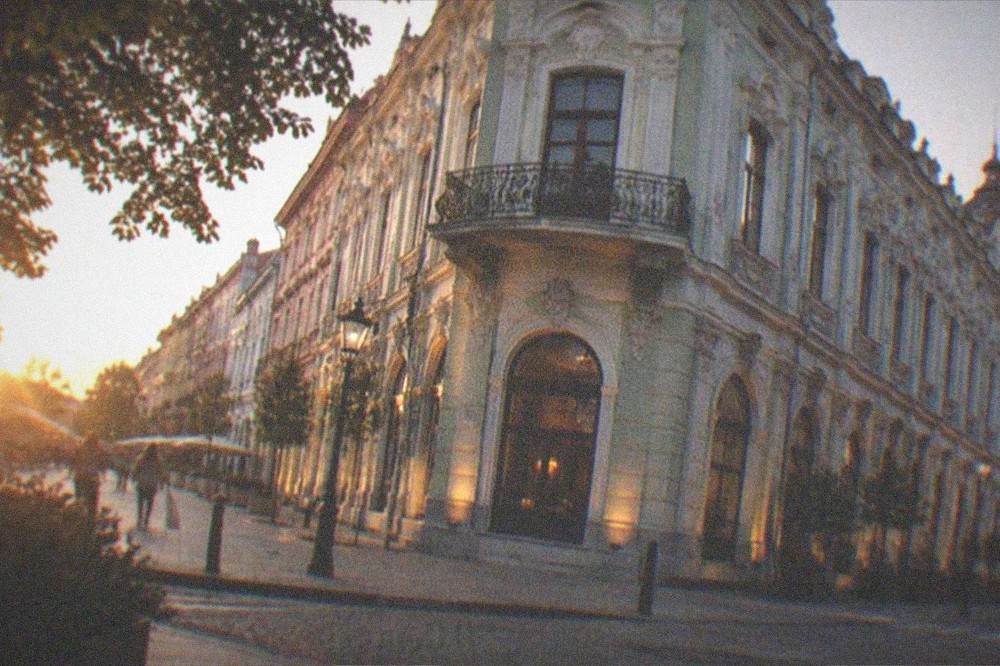
Practically, visitors can fold the palace into a half-day old town loop: Union Square first, the side streets including Baruch Palace next, Victory Square and the Opera, then the bastion or the canal to finish. Anyone wanting the deeper 1989 layer should book the Revolution walk on its live listing, and anyone with a second day should look at the Banat countryside trips. The facade takes five minutes; the district around it easily justifies two days, and this Timisoara Travel Guide page set exists to help you spend them well.
Common Questions About Baruch Palace Timisoara
What is Baruch Palace in Timisoara?
Baruch Palace is a historic decorated corner building in the Cetate district of central Timisoara, Romania, best known for its sculpted street facade. It is an exterior sight on the old town walking circuit, not a museum, and it takes only a few minutes to see from the sidewalk.
Can you go inside Baruch Palace Timisoara?
No interior visit exists for the public. The building is a working structure on a city street, and there is no ticket desk, no published opening hour and no museum inside. Visitors photograph the facade from outside and continue along the old town route.
How do I get to Baruch Palace in Timisoara?
Walk from Union Square (Piata Unirii), which is only a few flat blocks away on sidewalked streets. If you ride, a single 60-minute STPT ticket costs 5 lei and is valid on trams, trolleybuses, buses and the Bega water bus, and you can pay by contactless bank card on board.
Is Baruch Palace free to visit in Timisoara?
Yes. The facade is on a public street and costs nothing to see. The only costs in the surrounding visit are optional: transport tickets, museum admissions such as the 20 lei Memorial of the 1989 Revolution, food, and the local tourist tax reported at 2% of your accommodation tariff, collected by your lodging.
Which tours pass Baruch Palace in Timisoara?
The city-center walking tours pass through the same Cetate streets, and the Revolution-themed walks are the closest thematic match because the December 1989 uprising unfolded in this district. The Classic Tour of Timisoara and the free tip-based GuruWalk essentials walk also cover the old town circuit.
When is the best time to photograph Baruch Palace?
May through September offers the warmest weather, with July the warmest month at a 22.8 C mean, and morning or late-afternoon light rakes across the facade better than midday sun. June is the wettest month at 79.1 mm of rain, so keep an umbrella handy in early summer.