Which City Is The Richest City In Romania?
Bucharest holds the biggest economy, but Timisoara in western Romania leads the national quality-of-life rankings. Here is how the numbers break down.
Bucharest is generally cited as the richest city in Romania, because the capital concentrates the country's largest economy, its biggest companies and its highest salaries. But "richest" is a word with more than one measure, and Timisoara, the main city of Timis County in the Banat region of western Romania, is the city that keeps winning the rankings that weigh infrastructure, culture, cost of living and everyday quality of life. Historically known as Temesvár in Hungarian and Temeswar in German, Timișoara has long been western Romania's economic engine, and the 2025 and 2026 ranking season put it at or near the top of nearly every list that is not purely about GDP.
This page breaks the question open properly. It looks at what the rankings actually say, where Timisoara places in them, what money buys in the city day to day, and why a city of roughly a quarter million residents keeps beating far larger rivals on the measures that travelers notice within an hour of arriving. Along the way it points to the squares, museums and neighborhoods where that prosperity is visible, the same places covered in depth across Timisoara Travel Guide.
Which City Is The Richest City In Romania?
By total economic weight, Bucharest is the richest city in Romania: it is the capital, the seat of government and finance, and the market every national ranking treats as the country's economic core. But by quality of life, Timisoara in western Romania is the national leader, having placed first among 17 large Romanian municipalities in the November 2025 "Perfect City 2026" analysis, which scored cities on infrastructure, salaries, culture and cost of living together.
The distinction matters more than it first appears. A capital city almost always wins a raw-output contest, because it holds the headquarters, the tax base and the population to match. That is true in most countries and it is true in Romania. What is far less common is a non-capital city winning the composite rankings that ask a different question: where does a resident get the most back for what they earn and spend?
That is the question Timisoara keeps answering well. The "Perfect City 2026" analysis, published by Bucureștiul Meu in November 2025, compared 17 Romanian municipalities and put Timisoara first overall. In May 2026 the city was named Romania's Destination of the Year 2026 at a national gala decided by a mix of public votes and jury, with roughly 450,000 votes cast, and it also took first place in the "Cities that Inspire" category. These are not wealth figures in the accounting sense. They are measures of what a city delivers, and they are the measures a visitor experiences directly.
Is Timisoara Richer Than Bucharest?
No single ranking puts Timisoara ahead of Bucharest on raw economic output, and the capital remains Romania's largest economy by a wide margin. But on the composite quality-of-life measures, Timisoara placed first in the November 2025 "Perfect City 2026" analysis of 17 municipalities while Bucharest did not, and Timisoara also ranked third on Gândul's top-10 livability and investment list for 2026, which weighs where money is best spent living and investing rather than where the most money already sits.
The honest way to frame the comparison is that the two cities are rich in different ways. Bucharest is rich in scale: government, banking, national media and the densest corporate base in the country. Timisoara is rich in balance: a diversified regional economy, a compact and walkable center, an unusually strong cultural calendar that outlasted its 2023 European Capital of Culture year, and living costs that stay noticeably gentler than the capital's.
For a traveler, the second kind of richness is the one you can feel. The city's tourist numbers back that up: 296,199 arrivals were recorded in 2025, a 3.86 percent rise over 2024, with 542,554 overnight stays and an average stay of about 1.83 days, growth that came in a year when Romanian tourism nationally was declining. The city's own tourism strategy for 2026 through 2031 is built on converting those short city-break stays into longer ones, a plan that only makes sense if the city keeps delivering the experience the rankings reward.
If the question behind your question is whether Timisoara is worth the trip, the rankings and the arrival numbers point the same way, and we cover that question directly in is Timisoara worth visiting.
How Does Timisoara Rank Against Other Romanian Cities?
Timisoara ranks fifth among Romanian county seats in the City Index 2025 published by the Institute for Visionary Cities in October 2025, fourth in the Urban Attractiveness Index of June 2026, and first in the "Perfect City 2026" quality-of-life analysis, making it the only major Romanian city to hold top-five positions across all three 2025-2026 composite rankings while also being named Destination of the Year 2026.
The spread between those positions tells its own story. On the attractiveness index Timisoara sits behind Brasov, Cluj and Constanta, cities with either mountain tourism or coastal pull. On quality of life it sits ahead of everyone. A city that is fourth in attractiveness but first in livability is a city whose reputation is still catching up to its reality, which is roughly where Timisoara stood with international visitors before its 2023 European Capital of Culture year, and roughly where it stands with Romanian domestic travelers now.
| Ranking | Year | Timisoara's Position | What It Measures |
|---|---|---|---|
| Perfect City 2026 (Bucureștiul Meu) | Nov 2025 | 1st of 17 municipalities | Infrastructure, salaries, culture, cost of living |
| Destination of the Year gala | May 2026 | Winner, plus 1st in "Cities that Inspire" | Public vote (about 450,000) plus jury |
| Urban Attractiveness Index | Jun 2026 | 4th nationally, up one place | Overall urban attractiveness |
| City Index (Institute for Visionary Cities) | Oct 2025 | 5th among county seats | Composite city performance |
| Gândul top-10 livability and investment | 2026 | 3rd | Best places to live and invest |
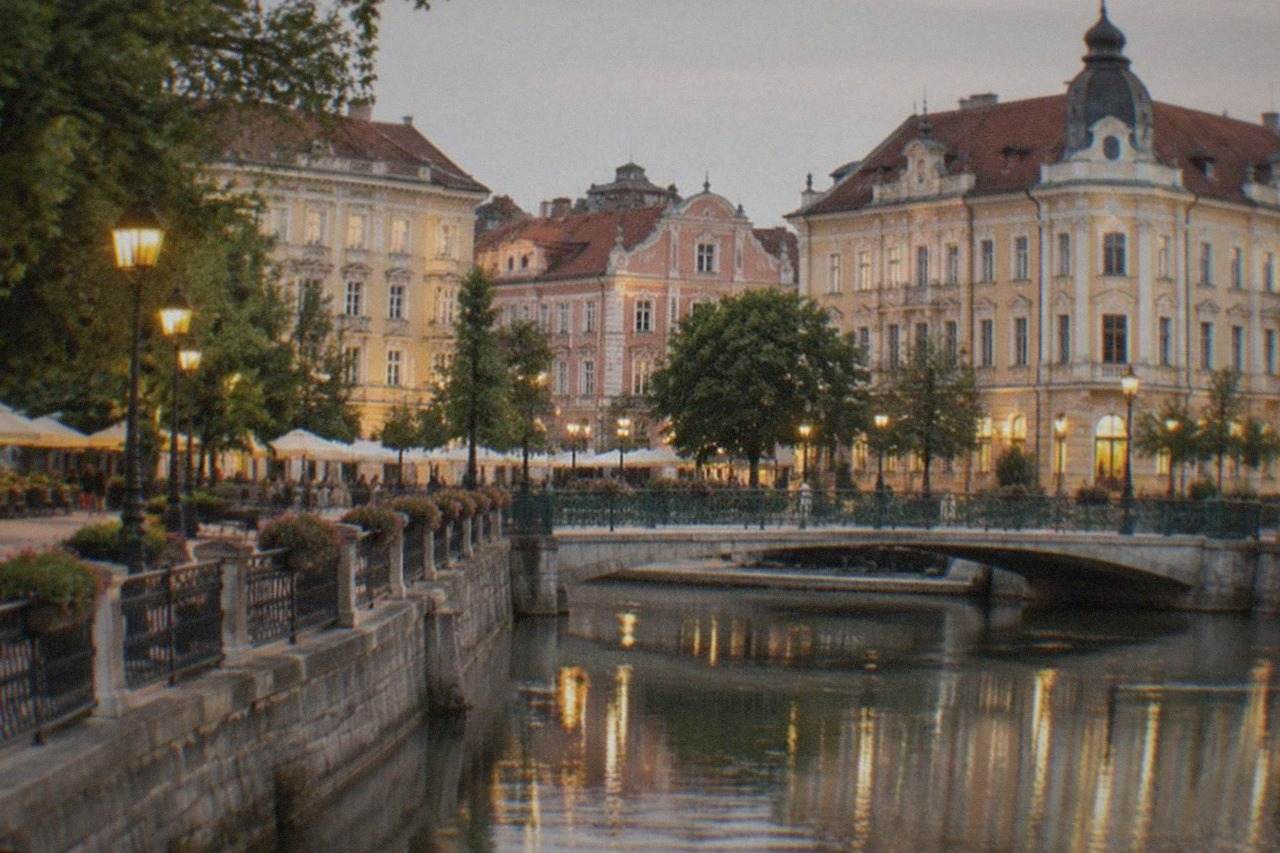
The pattern a visitor notices matches the pattern in the table. The squares of the Cetate old town, Piata Unirii and Piata Victoriei, carry the baroque and secession architecture that earned the city its common "Little Vienna" usage, a nickname in everyday speech rather than any official designation. The Bega canal and its banks have been converted into a continuous leisure corridor, with further greening projects adding mini urban forests and meadows along the water in 2026. None of this is accidental wealth display; it is the accumulated result of two decades of regeneration that the rankings are now catching up with.
What Does Rich Actually Cost In Timisoara?
For visitors, daily costs in Timisoara run at roughly 11 to 12 RON for a draught beer in a neighborhood pub, 13 to 15 RON for a cappuccino, around 45 to 50 RON for a meal in an inexpensive restaurant, and 5 RON for a 60-minute public transport ticket valid on trams, trolleybuses, buses and the Bega water bus, according to cost-of-living aggregators updated in September 2026.
Those are the prices of a city that is prosperous without being expensive, and they are the practical reason the quality-of-life rankings look the way they do. A mid-range hotel night averaged around 176 to 227 RON in September 2026 sources, and a one-day transport pass covering the whole network including the vaporetto costs 18 lei. Salaries in the city are among the strongest in western Romania, but the price side of the ledger has not followed the capital's trajectory.
| Everyday Item | Typical Price (Sep 2026 sources) | Notes |
|---|---|---|
| Draught beer, 0.5 L, neighborhood pub | 11-12 RON | Domestic, local pubs |
| Cappuccino | 13-15 RON | Regular coffee shops |
| Inexpensive restaurant meal | 45-50 RON | Lunch and casual dinner range |
| Mid-range hotel night | 176-227 RON | 3-star average, varies by season |
| Public transport, 60-minute ticket | 5 lei | All modes, including the Bega water bus |
| One-day transport pass | 18 lei | Full network, vaporetto included |
One charge worth knowing about before you book: Timisoara levies a tourist promotion tax on accommodation, set by local council decision HCL 719/2025 for 2026 and collected by the lodging, so it appears on your hotel bill rather than being paid separately. The rate is reported as 2 percent of the accommodation tariff excluding VAT, a figure that comes from a council annex rather than a primary page, so treat it as reported rather than guaranteed. The currency is the Romanian leu (RON), not the euro, and the practical cash-versus-card questions are covered in is it better to use cash or card in Romania.
How To See Timisoara's Wealth Of History First Hand?
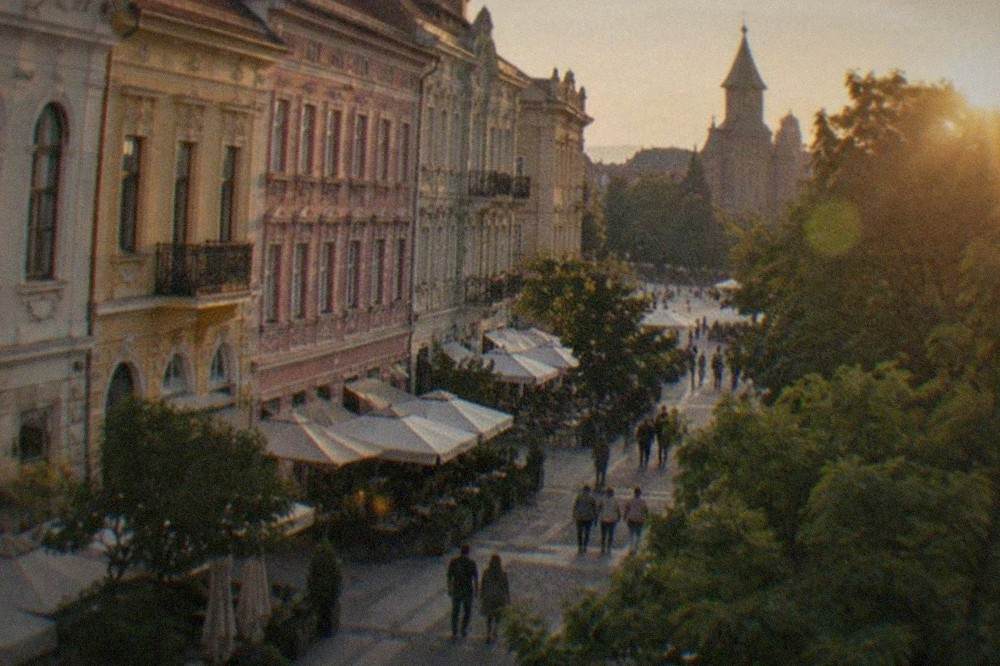
The most efficient way to see how Timisoara earned its prosperity is a two-hour heritage walking journey through the Cetate old town, which covers the baroque squares, the 1989 Revolution sites and the layered Hungarian, German and Romanian heritage of the city center, and which the operator lists as a guided walking experience with the price unpublished on the listing.
The city's wealth is not only economic, it is architectural and historical, and that history is unusually legible on the ground. Timisoara was the first city on mainland Europe with electric street lighting, switched on in November 1884 with 731 lamps across 59 kilometers of streets, a fact the city hall still lists among its official premieres alongside the country's first horse-drawn tram in 1869 and the first electric tram in 1899. A heritage walk that connects those stories to the buildings in front of you does more than a day of unguided wandering.
For travelers who want to dig deeper than the center, the region around the city carries the same story at a larger scale, from the Danube gorges to the Banat mountain villages, and the things to do in Timisoara page maps the full range. The Revolution history in particular is best understood with a guide, since the events of December 1989 started here and reshaped the whole country, a story unpacked in what happened in 1989 in Romania.
Beyond the walk, the city's museums carry the longer arc. The Memorial of the 1989 Revolution charges 20 lei for adults and covers eight permanent and three temporary exhibitions plus a documentary screening. The National Museum of Art in the Baroque Palace on Piata Unirii keeps summer hours from 1 June to 30 September of Wednesday to Sunday, 13:00 to 21:00, with winter hours from October through May. And the longer you stay, the more the quality-of-life case makes itself: an extra day here costs less than the same day in Bucharest and buys more.
Common Questions About The Richest City In Romania
Which city is the richest city in Romania?
By total economic output, Bucharest, the capital. By composite quality-of-life rankings, Timisoara in western Romania, which placed first among 17 municipalities in the November 2025 "Perfect City 2026" analysis and was named Romania's Destination of the Year 2026.
Is Timisoara a rich city?
Timisoara is one of Romania's most prosperous cities, the economic center of the Banat region, and the national leader in quality-of-life rankings, holding top-five positions in the 2025 and 2026 composite indices while topping the Perfect City 2026 analysis outright.
Is Timisoara richer than Bucharest?
Not by raw economic output, where the capital dominates. Timisoara wins on livability instead: first place in the Perfect City 2026 analysis, third on Gândul's 2026 livability and investment list, and noticeably lower everyday costs for visitors.
Is Timisoara expensive to visit?
No. September 2026 cost-of-living sources put a draught beer at 11 to 12 RON, a cappuccino at 13 to 15 RON, an inexpensive restaurant meal at 45 to 50 RON and a mid-range hotel night at roughly 176 to 227 RON, well below capital-city prices.
What is Timisoara known for economically?
Timisoara is known as western Romania's commercial and industrial hub, a city of firsts, including mainland Europe's first electric street lighting in 1884 and Romania's first electric tram in 1899, and as the 2023 European Capital of Culture whose cultural calendar and visitor numbers have kept growing since.
How many tourists visit Timisoara each year?
Official data recorded 296,199 tourist arrivals in 2025, up 3.86 percent over 2024, with 542,554 overnight stays, growth achieved in a year when Romanian tourism nationally declined.