What Is The German Name For Timisoara?
The German name for Timisoara, Romania, is Temeswar, a legacy of Habsburg rule and the Banat Swabians. Here is where the name came from and where it still appears.
The German name for Timisoara, the city in Timis County in the Banat region of western Romania, is Temeswar, with the spelling Temeschwar appearing in older German texts. Under Habsburg rule the city was administered in German, printed its first newspaper in German, and was settled by German-speaking colonists known as Banat Swabians, so the German name was not a translation imposed from outside: it was the name the city's own administration used for generations. Today Timisoara, officially Timișoara in Romanian, is Romanian in every official sense, and Temeswar survives in history books, church records and family genealogies rather than on street signs.
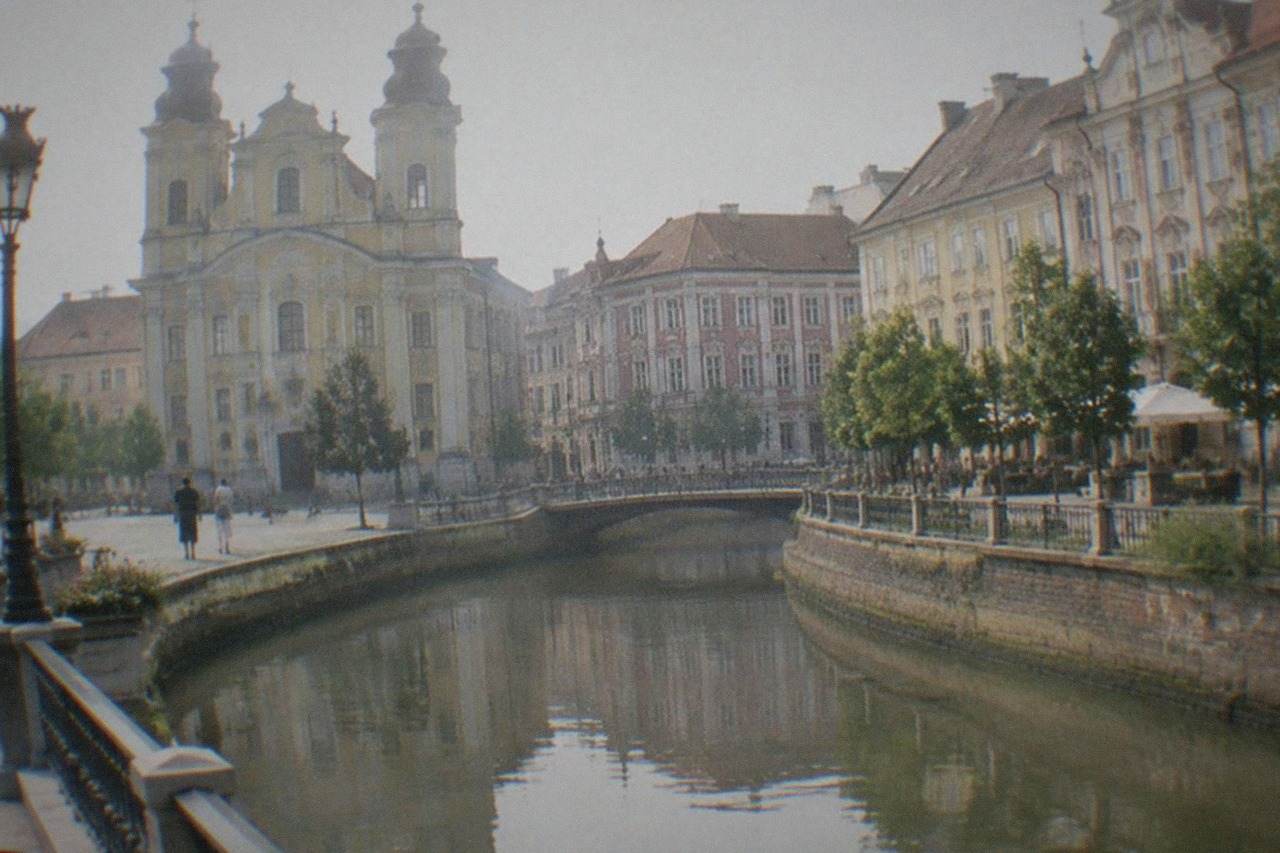
This page on Timisoara Travel Guide unpacks where the German name came from, how it sits beside the Hungarian name Temesvár, and where traces of the German-speaking Banat still surface in the city a visitor actually walks through.
What Is The German Name For Timisoara?
The German name for Timisoara is Temeswar, with the older variant Temeschwar also found in historical documents. It refers to exactly the same city: Timisoara, in Timis County, in the Banat region of western Romania. The name is historical rather than current, because the city's official name today is Romanian and no German-language authority administers it. Temeswar belongs to the Habsburg centuries, when the Banat was a crown province run largely in German.
The name follows a pattern any German speaker will recognize. The city sits on the Bega, near the Timis river, and the "Temes" element is simply the German rendering of the river name that also gave the city its Romanian and Hungarian forms. The suffix differs by language: the Romanian Timisoara and the Hungarian Temesvár carry their own endings, but all three names point to the same riverside settlement.
| Language | Name For The City | Status Today |
|---|---|---|
| Romanian | Timisoara (Timișoara) | Official name, used on every sign and document |
| German | Temeswar (older: Temeschwar) | Historical name, still used in German historiography |
| Hungarian | Temesvár | Historical name, from the period of Hungarian administration |
None of these are rival names for rival cities. A German history book saying "Temeswar" and a Romanian timetable saying "Timisoara" describe the same place, and a traveler looking for either will land at the same squares.
Why Did A Romanian City Have A German Name At All?
Timisoara carried a German name because it spent roughly two centuries inside the Habsburg monarchy, which administered the Banat as a crown province with German as its working language of government. Beginning in the eighteenth century the monarchy also settled German-speaking colonists, later called Banat Swabians, across the region. The city's first newspaper, printed in 1771, was in German and was called the Temeswarer Nachrichten, literally the Temeswar News.
The Habsburg period shaped the city far beyond its name. The city hall's own list of the city's firsts, the "Premierele Timisoarei", records that in 1760 Timisoara became the first city of the Habsburg monarchy with lamp-lit streets, and in 1855 the first in the monarchy with gas street lighting. In 1728 work began on canalizing the Bega, creating the first navigable canal in what is now Romania. These were achievements of a German-administered frontier city, and the records of them were kept in German.
The German-speaking population itself arrived through organized colonization. Banat Swabians settled in villages and towns across the plain over the eighteenth century, farming land the monarchy wanted productive and building churches, schools and farmhouses in a style still visible in the countryside around the city. Their descendants largely emigrated over the twentieth century, but the architectural and archival imprint remains, and the name Temeswar stays attached to that whole inheritance.
If you want the layers of that history pointed out square by square rather than pieced together from plaques, a guided walk is the efficient route, and a private one lets you steer the guide toward the Habsburg and Banat Swabian stories specifically.
Where Does The Name Temeswar Still Appear Today?
The name Temeswar appears today mainly in German-language history writing, in genealogical records kept by Banat Swabian families, and in the names of cultural organizations tied to the German minority in the Banat. It does not appear on the city's official signage, its transport network or its municipal documents, which use the Romanian name exclusively. Visitors will mostly meet it in books, archives and museum captions rather than on the street.
Genealogy is where the name stays genuinely alive. Families descended from Banat Swabians around the world trace ancestors through church registers written in German, and those registers place births, marriages and deaths in "Temeswar" or in the German-named villages around it. For that diaspora the German name is not a curiosity but the key that unlocks their records.
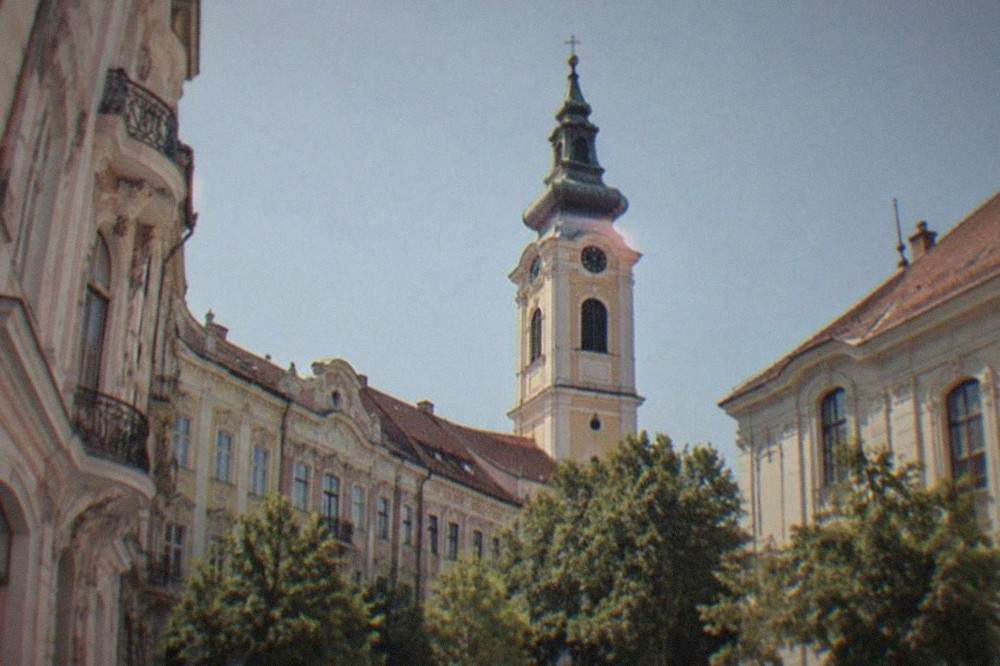
Within the city, the German legacy shows up in the built fabric more than in names. The Baroque core around Piata Unirii, the organized grid of the Cetate district, and the churches serving what were once German-speaking congregations all date from the Habsburg centuries. The city's three-state-theatre tradition, with stages in Romanian, Hungarian and German since 1953, is the clearest living proof that the German language never fully left: Timisoara remains the only European city with three state theatres in those three languages, as the city hall's own record of its firsts confirms.
How Do The German And Hungarian Names Fit Together?
The German name Temeswar and the Hungarian name Temesvár refer to the same city and overlap in time, because the Banat passed between Habsburg and Hungarian administration across the nineteenth century. Temesvár is the Hungarian form, used when the city lay within the Kingdom of Hungary, while Temeswar is the German form used under direct Habsburg rule and in German records. Neither is a translation of the other: both derive from the same river.
The chronology matters for anyone reading older documents. Under its Hungarian name, Temesvár, the city belonged to the Hungarian half of the empire after the Habsburg province of Banat was incorporated into Hungary. German remained a language of record and of the Swabian villages, but the administrative name shifted with the flag over the city hall. After the First World War, when the Banat became part of Romania, the Romanian name gradually took over official life, and the older names settled into historical usage.
For a visitor, the practical takeaway is simple. Menus, tickets, tram announcements and museum labels are in Romanian, with English common in tourist-facing venues, as our page on whether they speak English in Timisoara covers in detail. The German and Hungarian names matter when you read a plaque, a history book or a family record, not when you buy a tram ticket.
| Era | Administration | Name Used In Official Life |
|---|---|---|
| 18th century | Habsburg crown province of Banat | Temeswar (German) |
| 19th century to the First World War | Kingdom of Hungary, within the empire | Temesvár (Hungarian) |
| After the First World War | Romania | Timisoara (Romanian) |
What Should Travelers Take From All This?
Travelers should treat Temeswar as a historical key to the city rather than a name they will need on the ground: every sign, ticket and timetable in Timisoara uses the Romanian name, and English serves visitors widely. The German name is worth knowing because it explains the city's Baroque core, its Austrian-style squares and its Swabian-built hinterland, and because it turns museum captions and old photographs from noise into context. It also explains why the city feels Central European rather than simply Balkan.
That Central European feel is what visitors tend to comment on, and the German centuries are a large part of the reason. The squares around Piata Unirii and Piata Victoriei, the Secession and Baroque facades, and the café culture all descend from a city built to Habsburg plans. If you are curious whether that heritage makes the city worth the trip, our assessment of whether Timisoara is worth visiting and our overview of what Timisoara is known for go deeper.
A private walking tour with a local guide is the most direct way to have the German, Hungarian and Romanian layers narrated in order while standing in front of the buildings that carry them, and it pairs well with a day spent in the surrounding Banat countryside where the Swabian villages still stand.
Common Questions About The German Name For Timisoara
What Is The German Name For Timisoara?
The German name for Timisoara is Temeswar, with the older spelling Temeschwar also appearing in historical documents. It is the same city: Timisoara, in Timis County, in the Banat region of western Romania.
Is Temeswar a different city from Timisoara?
No. Temeswar, Temesvár and Timisoara are the German, Hungarian and Romanian names for one and the same city in western Romania. Which name a document uses tells you when and by whom it was written, not which place it describes.
Why did Timisoara have a German name?
Because the city spent roughly two centuries under Habsburg rule, when the Banat was administered as a crown province with German as a working language of government. German-speaking colonists, the Banat Swabians, settled the region in the eighteenth century, and the city's first newspaper, the Temeswarer Nachrichten, was printed in German in 1771.
Do people in Timisoara still speak German?
German survives as a heritage language connected to the Banat Swabian community, and the city has maintained a German-language state theatre since 1953, part of its unique trio of Romanian, Hungarian and German stages. Everyday life, however, runs in Romanian, with English widely used in tourist settings.
Which name should I use when visiting?
Use the Romanian name, Timisoara, for everything practical: bookings, tickets, taxi rides and directions. The German and Hungarian names are useful for reading history and old records, but no local will expect a visitor to use them.
Where does the name Timisoara itself come from?
The name derives from the Timis river, which gave rise to the Romanian, Hungarian and German forms alike. The details of the name's meaning are covered on our page about what the name Timisoara means in English.
The German name is a doorway into the city's most interesting century, and knowing it makes every Baroque facade and bilingual plaque in Timisoara read a little more like a story and a little less like decoration.