Why Was Ceaușescu Assassinated?
Why was Nicolae Ceausescu executed on Christmas Day 1989, and why did the revolution that ended his rule begin in Timisoara, in western Romania? The full story, with the sites you can still visit.
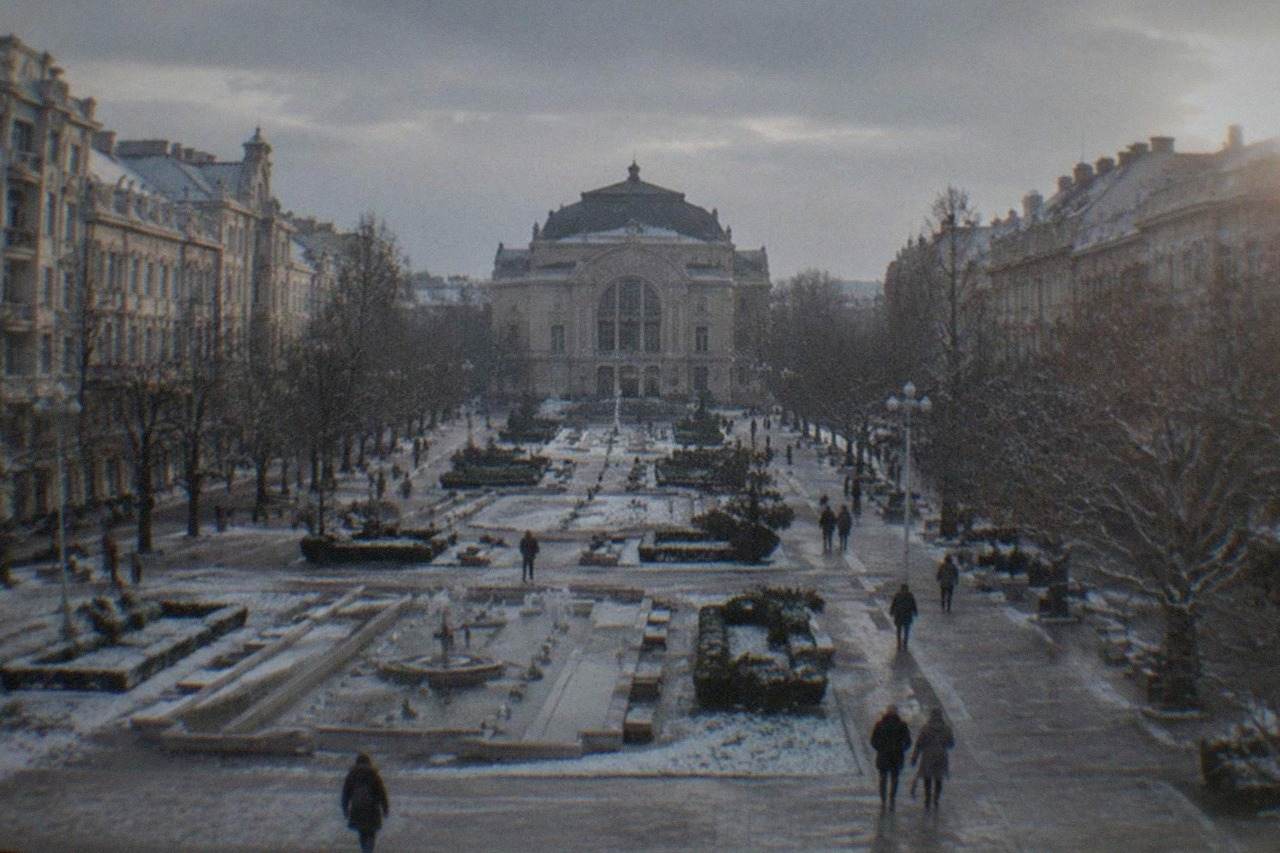
Nicolae Ceausescu was executed because the uprising that began in Timisoara, in Timis County in western Romania, on 16 December 1989 destroyed the loyalty of the army and the fear that held his regime together, and the improvised group that seized power in Bucharest concluded that a live former dictator was a rallying point they could not afford. What started as a protest in defense of a reformed pastor at Laszlo Tokes's parish in Timisoara, an event the Memorial of the 1989 Revolution documents as the revolution's starting point, reached a staged rally in Bucharest, a rooftop escape, a summary trial, and a firing squad all within ten days. The city where it began is still the place where the story is told best, square by square.
Why Was Ceaușescu Assassinated?
Ceausescu was executed because the uprising that began in Timisoara on 16 December 1989 destroyed the loyalty of the army and the fear that held his regime together, and the improvised group that seized power in Bucharest concluded that a live former dictator was a rallying point they could not afford. The trial lasted roughly an hour, and the sentence was carried out within minutes, before any appeal could be heard.
That speed, a verdict followed almost immediately by a firing squad, is what frames the whole question of legitimacy that Romania still argues about.
The question of "why" has two layers, and both matter. The first layer is political: why did anyone in Romania want him dead by late December 1989. By that point the country had endured food rationing, winter heating cuts, a rural systematization program that bulldozed villages, and a personality cult with no parallel in the Warsaw Pact. Even before Timisoara rose, resentment was general. The second layer is tactical: why kill him rather than jail him. The men who took power on 22 December, fronted by Ion Iliescu, were themselves products of the communist nomenklatura, and a public trial risked exposing them as much as him. Speed served them. The execution ended the argument before it could begin.
There is also a third layer that visitors to Timisoara grasp quickly. The revolution was not a Bucharest event that happened to spread. It was a Banat event that Bucharest had to catch up with, and the gap between the two, the days when Timisoara was free and the capital was not, shaped how desperate the endgame became. If you want the wider picture of what those weeks did to the whole country, the companion page on what happened in 1989 in Romania carries the national story.
Why Did The Revolution Begin In Timisoara And Not Bucharest?
The revolution began in Timisoara because the city combined a concrete trigger, the attempted eviction of Reformed pastor Laszlo Tokes from his parish, with civic traditions in a city that was the first on mainland Europe with electric street lighting, and a borderland location near Hungary and Serbia that let word travel outward even as the state tried to cut it off. When crowds gathered on 16 December 1989 to defend the pastor, the confrontation escalated, and by 20 December the city was in open revolt.
The Tokes affair was the spark, not the fuel. The pastor had criticized the regime from his pulpit, and the authorities moved to remove him from his parish. Congregation members and then ordinary Timisoara residents gathered in his defense, and the protest widened into something the Securitate could not contain. The Memorial of the 1989 Revolution, the institution that now curates this history, treats 16 December as the revolution's start date, and the city marks it annually.
Timisoara's character mattered too. This is a city with a habit of being first: the city hall's own list of civic firsts records the first horse-drawn tram in the Habsburg Empire in 1869, the first electric tram in Romania in 1899, and the first city on mainland Europe with electric street lighting, switched on in November 1884. It is also a city where three state theatres, Romanian, Hungarian and German, have operated since 1953, which means three linguistic publics used to public argument. Under its Hungarian name, Temesvár, the city had centuries of multi-confessional life, and that pluralism never fully fit the monochrome state Ceausescu ran.
The geography sealed it. Timisoara sits close to the Serbian and Hungarian borders, and in December 1989 some residents fled across the border and returned with news, while foreign radio, particularly Serbian and Hungarian stations, reported what Romanian television suppressed. The regime's attempt to quarantine the city failed. For the deeper background on why this city in particular keeps producing firsts, see what Timisoara is known for.
How Did The Timisoara Uprising Bring Down The Regime?
The uprising brought Ceausescu down by breaking the chain of obedience in stages: Timisoara's crowds held the streets despite gunfire around 17 to 20 December, Ceausescu televised a speech on 20 December that backfired, and when he staged a mass rally in Bucharest on 21 December the crowd turned on him live, an image that told every Romanian watching that the dictator had lost the room, after which the army's refusal to keep shooting decided the outcome.
The sequence compressed ten days of history into a single arc. After the violence in Timisoara, Ceausescu returned from a state visit to Iran and addressed the nation on 20 December, condemning the unrest as hooliganism instigated from abroad. He then called the traditional rally in Bucharest the next day. It was a catastrophic misjudgment. Sections of the crowd began to jeer, and the live broadcast cut away, but the damage was done. The next day, 22 December, fighting spread through the capital, the couple fled by helicopter from the roof of the Central Committee building, and the National Salvation Front announced it had taken power.
The army's shift was decisive. In Timisoara, the local garrison had already effectively sided with the city, and once Bucharest's crowds faced down the Securitate, a full-scale civil war became the alternative to a transfer of power. The new front moved within days to neutralize both Ceausescus. They were captured near Targoviste, held on a military base, tried on 25 December 1989 on charges including genocide, and shot that same afternoon. The charges, the speed and the closed nature of the trial are why the execution is remembered as political rather than judicial.
For the human cost of those ten days, which this page deliberately does not number because no official figure belongs in a travel article, the dedicated page on how many people died in the Romanian Revolution of 1989 covers what is documented and what remains disputed.
Where Did The Trial And Execution Take Place?
The trial and execution took place at a military base in Targoviste, northwest of Bucharest, on 25 December 1989: a military tribunal convened in a small room, convicted Nicolae and Elena Ceausescu of charges including genocide in a proceeding that lasted roughly an hour, refused their request to be shot together rather than after one another in full, and executed them by firing squad that same afternoon, with the announcement broadcast on Romanian television that evening.
The location was chosen for secrecy and speed. Targoviste was a garrison town, and the couple had been held there after their capture. The tribunal was improvised, the defense lawyers were appointed on the spot, and the verdict was never in doubt. By Christmas evening, Romanian television confirmed the deaths. The choice of Christmas Day itself was widely read as a message: the regime that had restricted religious life was ended on the country's most important Christian holiday. The rest of the planning pages sit on Timisoara Travel Guide.
Whether the trial was legitimate is a question Romanian society still argues about. No appeal existed. No international observers were present. The charge of genocide was never proved in court to any standard a lawyer would recognize. Yet most accounts also note the fear driving the new leadership: units loyal to the old regime were still fighting in Bucharest days after the execution, and the front believed a living Ceausescu was a flag those units could rally to. The execution ended the fighting, at a moral cost that the country has spent decades weighing.
Can You Still Visit The Revolution Sites In Timisoara?
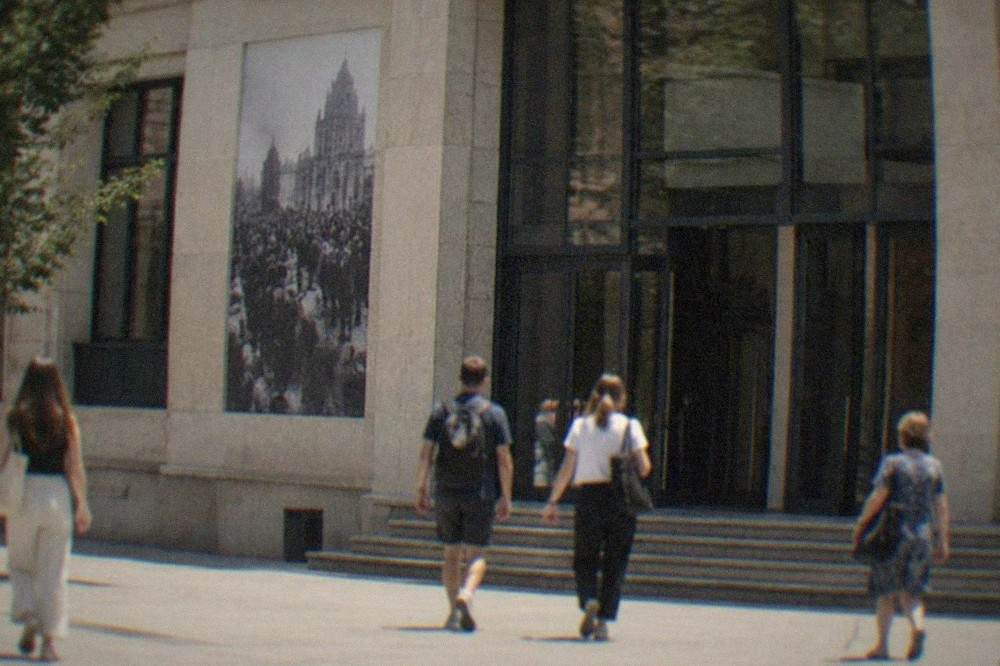
Yes, the key Revolution sites in Timisoara are all walkable within the historic center, from Victory Square where the crowds faced the army and the Opera stands, to Liberty Square, to the Memorial of the 1989 Revolution, which charges 20 lei for adults, covers eight permanent and three temporary exhibitions plus a documentary screening, and opens Monday to Friday 08:00 to 17:00 and Saturday to Sunday 10:00 to 18:00, with a 20 lei photo fee.
The Memorial is the anchor. Its permanent exhibition walks visitors through December 1989 with documents, objects and testimony, and the documentary "Noi nu murim" screens as part of the visit. Photography beyond a personal snapshot requires the photo fee. For a museum of its size it is unusually direct about what happened in its own city, which is part of why it, and not a government ministry, is treated as the institutional memory of the revolution.
The squares tell the story in open air. Victory Square, the long rectangular space with the Opera at its head, is where the mass of the December crowds stood, and it is also where the annual commemorations around 15 to 20 December still take place. The surrounding streets of the Cetate old town hold the smaller sites, plaques and church positions that a self-guided walk can piece together. The table below maps the main stops.
| Site | Role in December 1989 | Visitor notes |
|---|---|---|
| Victory Square (Piata Victoriei) | Main gathering point of the crowds; balcony of the Opera facing the square | Open public space; annual December commemorations |
| Liberty Square (Piata Libertatii) | Central old-town square crossed by protest routes in the uprising days | Open public space; new anti-communist revolution museum planned in the former garrison courtyard |
| Memorial of the 1989 Revolution | Documentation center and exhibition space for the revolution | Adults 20 lei; photo fee 20 lei; Mon-Fri 08:00-17:00, Sat-Sun 10:00-18:00 |
| Tokes parish area | Where the 16 December gathering in defense of the pastor began | Residential streets; treat as a quiet neighborhood, not a monument |
A guided walk adds context the plaques cannot. The related tour above covers the 1989 story and the wider city history in one route, and the operator's live listing carries current availability.
Was The Execution Of Ceaușescu Ever Investigated Or Reassessed?
The execution has never been legally reassessed in Romania: no court has revisited the Targoviste verdict, the officers involved were never prosecuted, and the official position of the post-communist state has been silence, but the question of legitimacy remains alive in public debate and in the annual December commemorations in Timisoara.
No Romanian government has reopened the file, and no court has ordered any criminal action against the individuals involved. The result is a split memory: legally, the case is closed and untouched; culturally, it is anything but. Every December, ceremonies and services at Piata Victoriei, the Opera and the Memorial reopen the question of what was gained and what was compromised in those ten days.
Timisoara's claim on this memory is specific. The city did not just start the revolution, it also set its moral tone, insisting from the earliest days that the uprising was civic rather than factional. That insistence is why the Memorial here, rather than any Bucharest institution, is treated as the revolution's documentary home. The date that anchors it all, 15 December, carries its own story on the page about what is special about the 15th of December.
Common Questions About The Ceaușescu Execution
Why was Ceausescu assassinated rather than imprisoned?
Because the National Salvation Front judged that a live Ceausescu was a rallying point for loyalist units still fighting in Bucharest after 22 December 1989, and a fast, closed trial ending in execution removed that risk before the fighting could reorganize around him.
Why was the execution on Christmas Day?
The trial began on 25 December 1989 and the sentence was carried out the same afternoon. The choice of date has been widely read as symbolic against a regime that had restricted religious life, though the front's stated motive was speed.
Where did the revolution against Ceausescu start?
In Timisoara, in western Romania, on 16 December 1989, when crowds gathered in defense of Reformed pastor Laszlo Tokes at his parish. The Memorial of the 1989 Revolution documents the city as the revolution's starting point.
Was the trial of Ceausescu fair?
No. It lasted roughly an hour, appointed defense counsel on the spot, and convicted on charges including genocide without established proof, and the sentence was carried out before any appeal could be heard.
Can you visit the places where the revolution happened?
Yes. In Timisoara the main sites, Victory Square, Liberty Square and the Memorial of the 1989 Revolution, are walkable in the historic center, and the Memorial charges 20 lei for adults with hours published on its own site.
Does Timisoara still commemorate the revolution?
Yes. Annual ceremonies, services and cultural programs take place around 15 to 20 December each year at Victory Square, the Opera and the Memorial, and the city continues to mark itself as the place where the uprising began.
The execution of Nicolae Ceausescu was the endpoint of a revolution that a single city in the Banat started, and Timisoara remains the place where that story is documented, commemorated and argued over, from the square where the crowds stood to the memorial that keeps the record.