Timisoara Aquapark
Timisoara, in the Banat region of western Romania, has no large standalone aquapark inside the city, but it does have a seasonal water bus on the Bega canal, a continental climate with warm summers, and a ring of waterfall and gorge day trips that deliver the water scenery an aquapark cannot.
Short answer
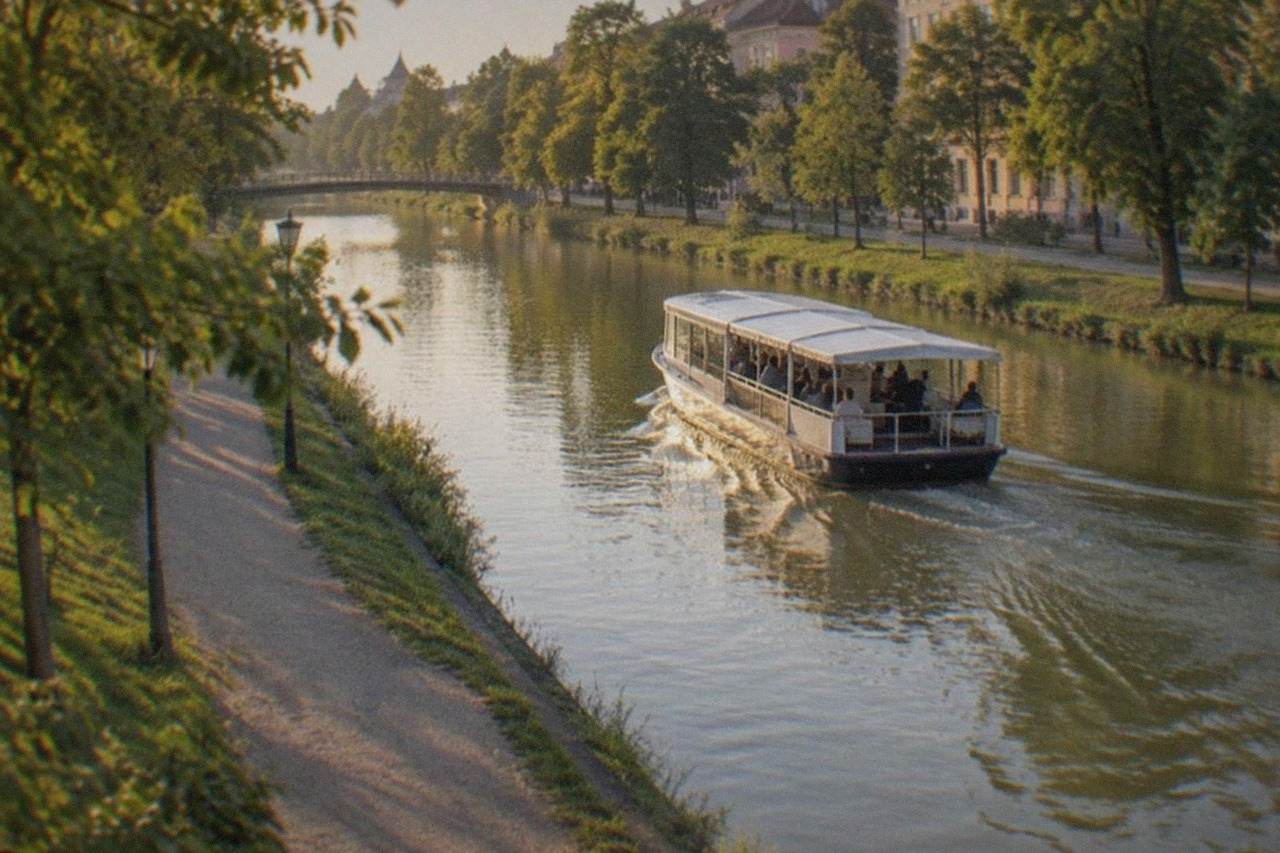
There is no large commercial aquapark in Timisoara itself. The city's own water attraction is the seasonal vaporetto water bus on the Bega canal, running 1 April to the end of October with a 5 lei ticket, while the serious water scenery sits on day trips into the Banat mountains: the Danube Gorge, the Nera Gorge and the Bigar Waterfall.
Timisoara, the main city of Timis County in the Banat region of western Romania, is a city of squares, Secession facades and a slow green canal, not a city of waterslides. Searchers typing "Timisoara aquapark" usually discover the same thing this guide confirms up front: no large commercial aquapark operates inside the city itself, and none of the verified public sources for this destination list one. What the city does have is genuinely unusual for an inland European city, a scheduled passenger water bus on the Bega canal, plus a warm continental summer and a hinterland of gorges and waterfalls within day-trip range. This page, from Timisoara Travel Guide, lays out exactly what exists, what it costs, and how to build a water-themed visit around it without inventing attractions.
Is There An Aquapark In Timisoara, Romania?
No large commercial aquapark operates inside Timisoara itself, and the verified sources for this destination list no water park within the city limits, so this guide prints no address, hours or admission price for one. The city's water offer instead runs through the seasonal vaporetto water bus on the Bega canal and the mountain water scenery of the Banat, reachable as day trips. Visitors searching for slides, wave pools and lazy rivers in Timisoara will not find a purpose-built complex comparable to the big aquaparks of Budapest or Bucharest, and any page that names one should be treated with caution. The honest answer is that the city's water offer runs through two other channels: the seasonal vaporetto water bus on the Bega canal, which is a scheduled public transport service rather than an attraction, and the mountain water scenery of the Banat, reachable as day trips. Neither is an aquapark, but together they cover most of what a water-minded visitor actually wants from this region.
The distinction matters because several competing pages blur it. Some travel listings attach the word "aquapark" to Timisoara loosely, usually when describing hotel pools, spa facilities or the canal promenade. This site's fact-checking could not verify any operating hours, admission fees or even the existence of a standalone water park in the municipality, so this guide refuses to print a name, an address or a price for one. Where a claim cannot be sourced, it does not appear here. That rule is explained further on the things to do in Timisoara overview, which sticks to the same verified standard.
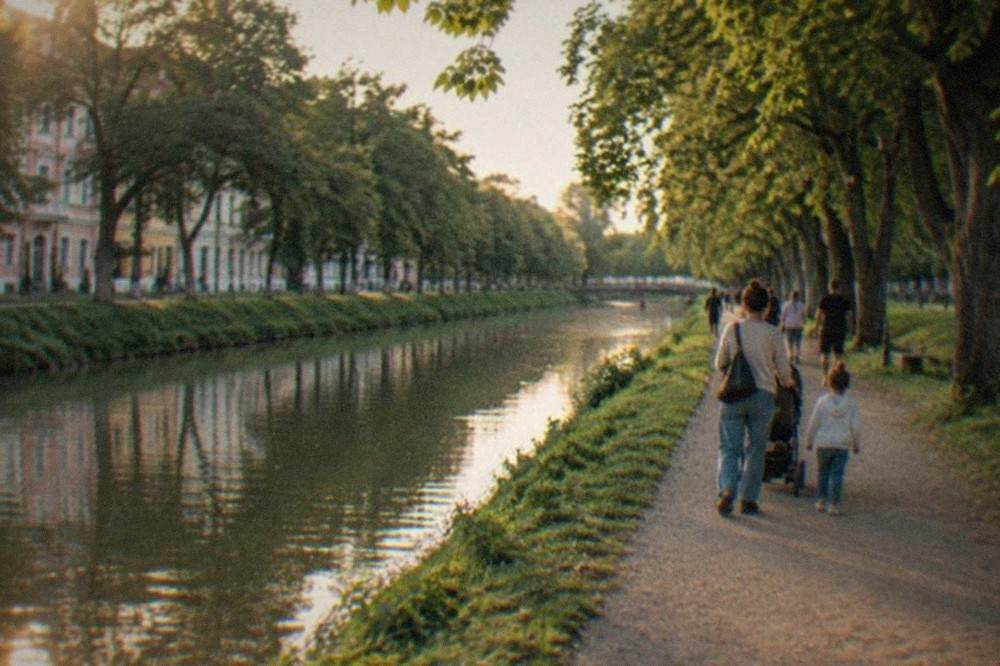
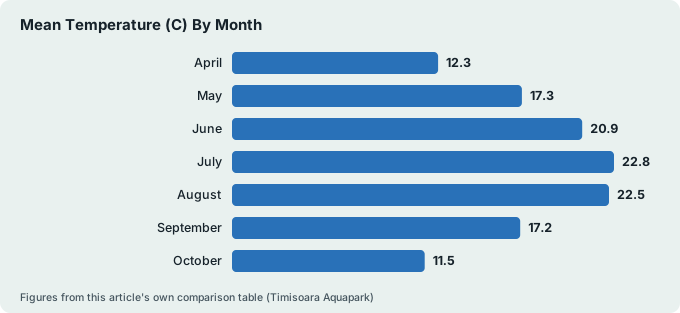
What remains is still worth planning around. Timișoara's climate, measured at the official weather station, gives a July mean of 22.8 C and an August mean of 22.5 C, so the water season is real even without a water park. The Bega canal cuts straight through the city center, its banks have been cleared and planted as an urban leisure corridor, and the mountains of the Banat hold some of the most dramatic river scenery in Romania. A visitor who arrives expecting slides can leave with something better, provided the expectations are set correctly before booking.
What Water Fun Does Timisoara Offer Instead Of An Aquapark?
Timisoara's substitute for an aquapark is the Bega canal vaporetto, a scheduled water bus run by the city's public transport company. It operates roughly 1 April to the end of October, calls at nine stops per direction, and takes a 5 lei single ticket or the 18 lei day pass, since April 2025 fully integrated into the normal fare system. The service, operated by the city's public transport company, carries passengers along the canal in both directions on small vessels, and since April 2025 the water bus has been fully integrated into the normal fare system. A contactless bank card works on board, as do the standard paper tickets and passes sold across the tram and bus network. It is more recreation than mass transit, and the city treats it partly as a tourism product, which is why it appears on this page at all.
The fare integration is the detail most outside guides miss. A 1-day pass for the whole network, trams, trolleybuses, buses and the vaporetto included, costs 18 lei, and a 60-minute single ticket costs 5 lei across all modes. That means a visitor can ride a tram to the canal, board the water bus, and ride another tram back, all on one day pass. The full fare picture, verified against the operator's own tariff page, looks like this:
| Ticket or pass | Price | What it covers |
|---|---|---|
| Single ticket, 60 minutes | 5 lei | All modes, trams, trolleybuses, buses, express lines and the vaporetto |
| 1-day pass | 18 lei | Unlimited travel on all modes for one day, water bus included |
| 30-day general pass | 160 lei | All modes for a month, aimed at longer stays |
| Annual general pass | 1,320 lei | All modes for a year |
| Payment on board | Contactless bank card | POS terminals accept contactless cards directly on vehicles and vessels |
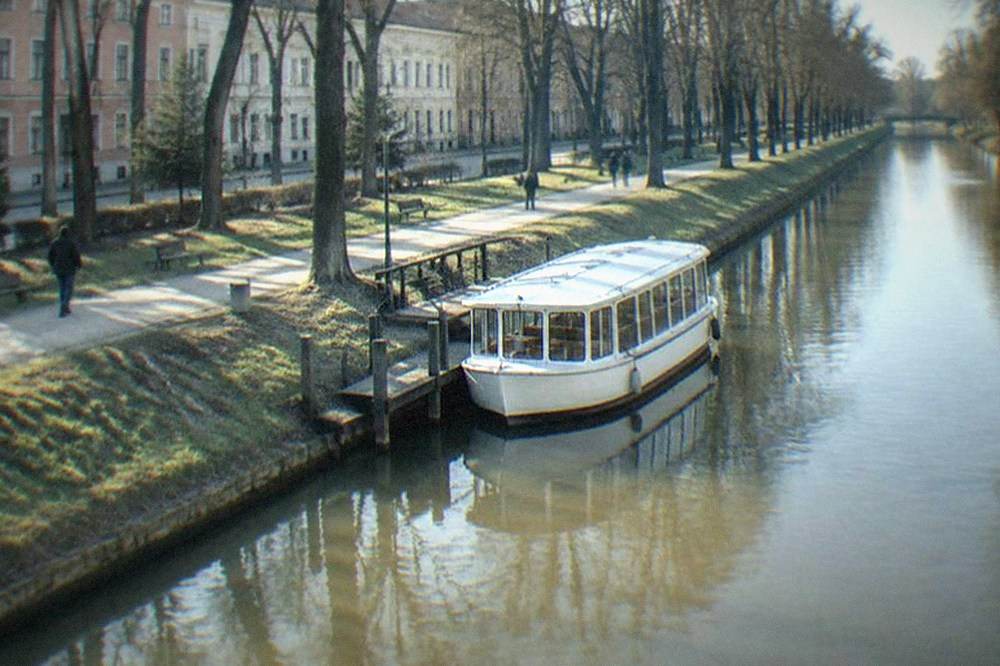
The seasonality is the main planning trap. The vessels are withdrawn from the water at the end of October and relaunched at the start of April, so a winter visitor will find the canal quiet and the piers empty. The service resumed on 1 April 2026 after late-March testing, and the withdrawal date at the end of October has been consistent across recent seasons. Anyone building an itinerary around the water bus should check the current season dates on the operator's site before locking in spring or autumn travel, and the broader getting around Timisoara guide covers the tram and bus side of the network in detail.
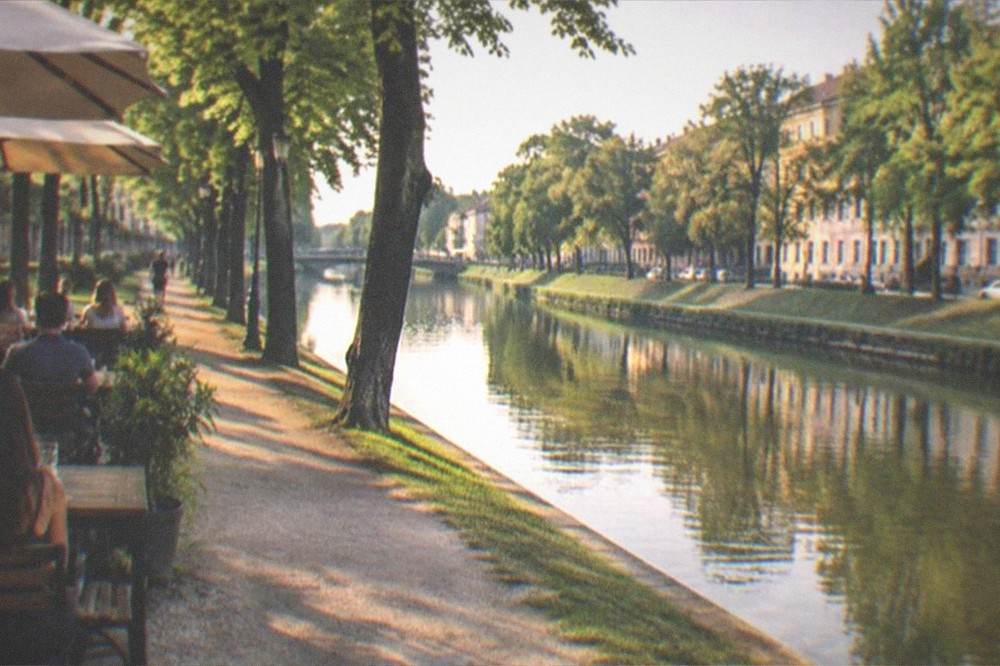
Beyond the canal, the city's water leisure is mostly land-based: the cleared Bega banks now carry ping-pong tables and relaxation zones, and two mini urban forests planted in April 2026 have added shade to the corridor. None of this replaces an aquapark, but it makes the canal a genuine half-day of free water-adjacent fun, especially for families. The best time to visit Timisoara guide pairs well here, since the vaporetto season and the warm months overlap almost exactly.
For visitors who want structure rather than self-navigation, a guided city tour that includes the tram network covers the riverbank and the squares in one outing:
The picks above lean toward the city itself, but the same booking pipeline covers the mountain water trips described later on this page.
Which Swimming And Spa Options Exist In And Around Timisoara?
Timisoara offers hotel pools and spa facilities rather than a public aquapark, and this site's fact-checking could not verify operating hours, pool inventories or admission prices for any specific municipal pool or bathhouse, including in Baile Herculane, so no figures are printed here. Several hotels in the city advertise pools and wellness areas to guests, and the hotel sector has been growing quickly, with a Radisson Individuals property opening in the Baroque old town in June 2026 and a Courtyard by Marriott under construction near Iulius Town with a 2029 target. Hotel pools, however, are amenities for paying guests, not public water parks, and their terms change with occupancy, so this guide does not list them as attractions with fixed access.
The honest position on thermal bathing is similar. The historic spa town of Baile Herculane sits in the Caras-Severin side of the Banat, within day-trip range of Timisoara, and thermal bathing is the town's entire reason for existing. But the verified fact pack for this destination does not include current opening hours, pool inventories or admission fees for any specific bathhouse there, so this page names the destination without inventing a single operational detail. Visitors considering it should treat it as a research item, not a bookable certainty, and pair it with the cost expectations in the Timisoara cost and prices guide.
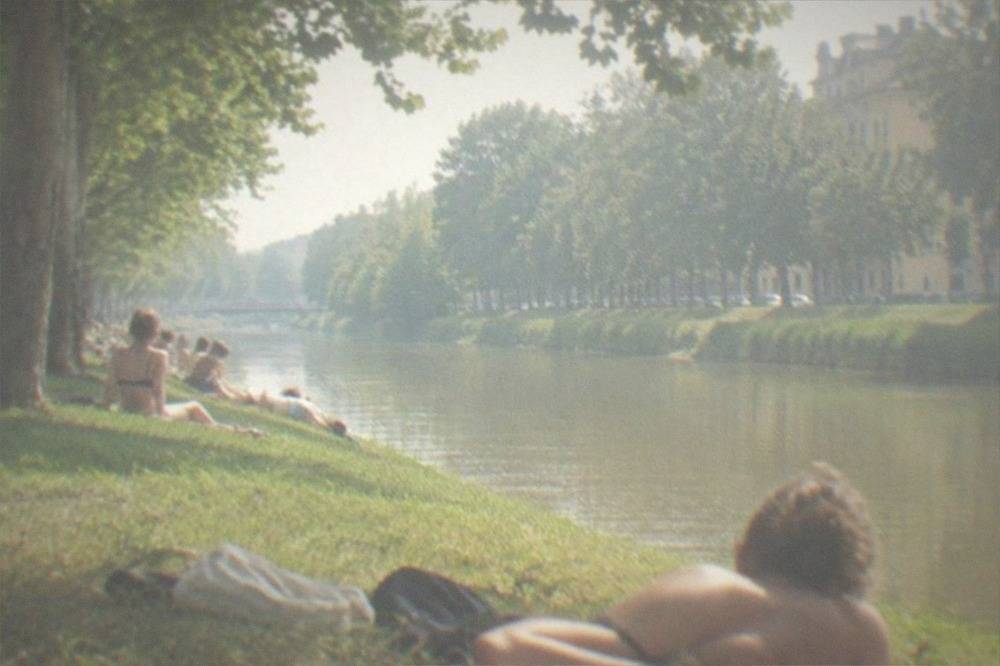
For a family, the practical substitute for an aquapark inside the city is the canal corridor itself plus the parks. The Children's Park and the green banks along the Bega give shade, water views and space, and the vaporetto turns the canal into the ride an aquapark lazy river would try to imitate. The where to stay in Timisoara guide notes which areas put a family within walking distance of this corridor, which matters more than a pool when the weather behaves.
If a pool or spa is the deciding factor for your booking, the cleanest approach is to confirm directly with the hotel before reserving, asking specifically whether pool access is included in the room rate and whether non-guest day passes exist. That question is quick to ask and prevents the most common disappointment behind the "aquapark" search: arriving to find that the nearest water is a canal, not a wave pool.
When Is The Best Time Of Year For Water Activities In Timisoara?
July and August are the warmest months in Timisoara, with mean temperatures of 22.8 C and 22.5 C respectively, and they fall squarely inside the vaporetto season that runs from April into late October. July is the peak water season with the best vaporetto days, while August is warm and slightly drier than June, the wettest month at 79.1 mm. The city's climate is continental, verified against the official normals for the Timisoara weather station: January sits at a mean of 0.0 C, March is the driest month at 34.1 mm of precipitation, and June is the wettest at 79.1 mm, with 600.7 mm falling across the year. This is not a Mediterranean or coastal destination, and the water season has hard edges at both ends, which is why the timing question deserves its own section here.
| Month | Mean temperature (C) | Precipitation (mm) | Water activity outlook |
|---|---|---|---|
| April | 12.3 | 50.6 | Vaporetto season opens, cool but bright |
| May | 17.3 | 57.2 | Comfortable canal weather, peak visitor month |
| June | 20.9 | 79.1 | Warm but the wettest month, pack for showers |
| July | 22.8 | 61.9 | Peak water season, best vaporetto days |
| August | 22.5 | 54.6 | Warm and slightly drier than June |
| September | 17.2 | 50.4 | Mild, quiet, water bus still running |
| October | 11.5 | 50.0 | Last full month of the vaporetto season |
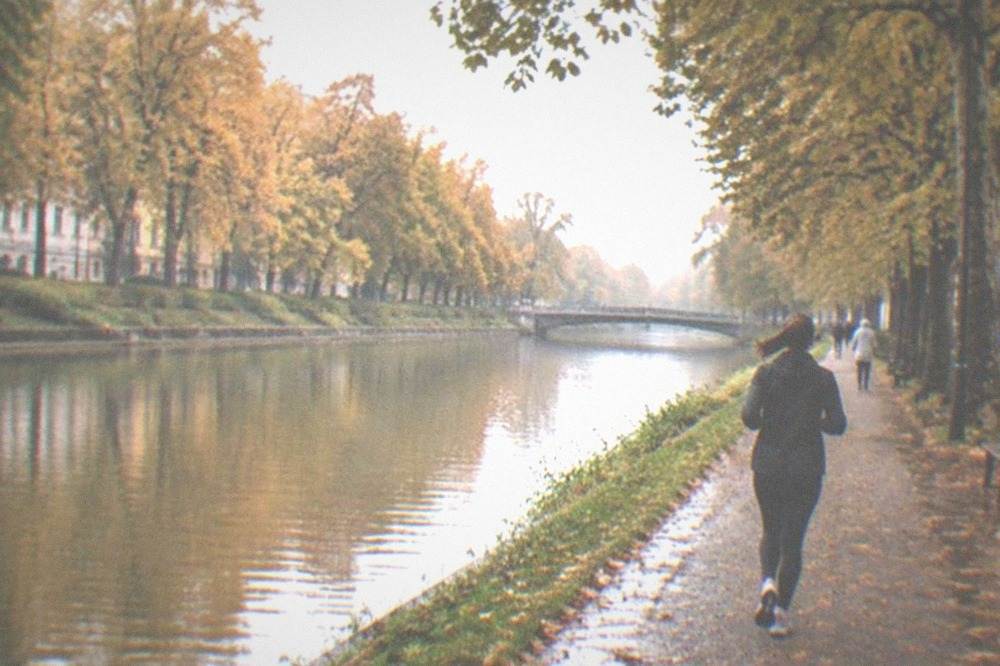
The overlap of the two seasons is the key insight. The water bus runs April to October, but the genuinely warm water-adjacent weather, the months when sitting on a canal bank or riding an open-deck vessel is pleasant rather than brave, runs from late May through early September. A visitor who comes in April gets the vaporetto but needs a jacket; a visitor who comes in late October may catch the last sailings in falling temperatures. The month-by-month detail, including the cold half of the year, is in the Timisoara weather by month guide.
June deserves a special warning because it inverts the usual aquapark logic. It is the wettest month of the Timisoara year at 79.1 mm, which matters more for the mountain day trips than for the canal: gorge trails and waterfall viewpoints lose much of their appeal in heavy rain, and the Danube Gorge boat conditions depend on the river. If waterfalls are the priority, aim for July or August, when precipitation drops to 61.9 mm and 54.6 mm and the mean temperature holds above 22 C.
What Does A Day Trip To Real Water Scenery From Timisoara Look Like?
The strongest water experiences from Timisoara are full-day trips into the Banat mountains: the Danube Gorge, the Nera Gorge national park and the Bigar Waterfall, each bookable as a guided tour of roughly nine to twelve hours with transport from the city included. These are not aquaparks, they are the landscape an aquapark imitates, and unlike a water park they are at their best in exactly the warm months described above. The Danube Gorge trip, the most popular of the three, runs about 10 to 12 hours and pairs the river's narrowest section with the waterfalls of the Banat, which makes it the single best answer to the aquapark search that this page can give.
The gorge trips are the reason this page exists at all. A visitor who cannot find an aquapark in Timisoara can instead spend a day on the biggest river scenery in the region, and the guided versions handle the logistics that make the area awkward independently: the trailheads sit well outside the city, public transport is thin, and the best viewpoints require local knowledge. The Danube Gorge and Banat Waterfalls tour below is the flagship option:
The Nera Gorge offers a different flavor, a national park of karst river valley and quiet forest paths, sold as a private day tour from Timisoara. It suits travelers who want the water scenery with fewer crowds than the Danube section:
A practical comparison of the main water-themed day trips, using only what the verified listings state:
| Day trip | Type | Stated duration | Character |
|---|---|---|---|
| Danube Gorge and Banat Waterfalls | Guided group day trip | 10 to 12 hours | Big-river gorge scenery plus waterfalls |
| Nera Gorge National Park | Private day tour | About 9 hours | Karst gorge, forest trails, quieter |
| Banat countryside half-day trip | Half-day trip with lunch | 5 to 6 hours | Villages and rural water landscapes |
| Remote villages of Banat hiking | Hiking day trip | About 11 hours | Mountain streams and isolated settlements |
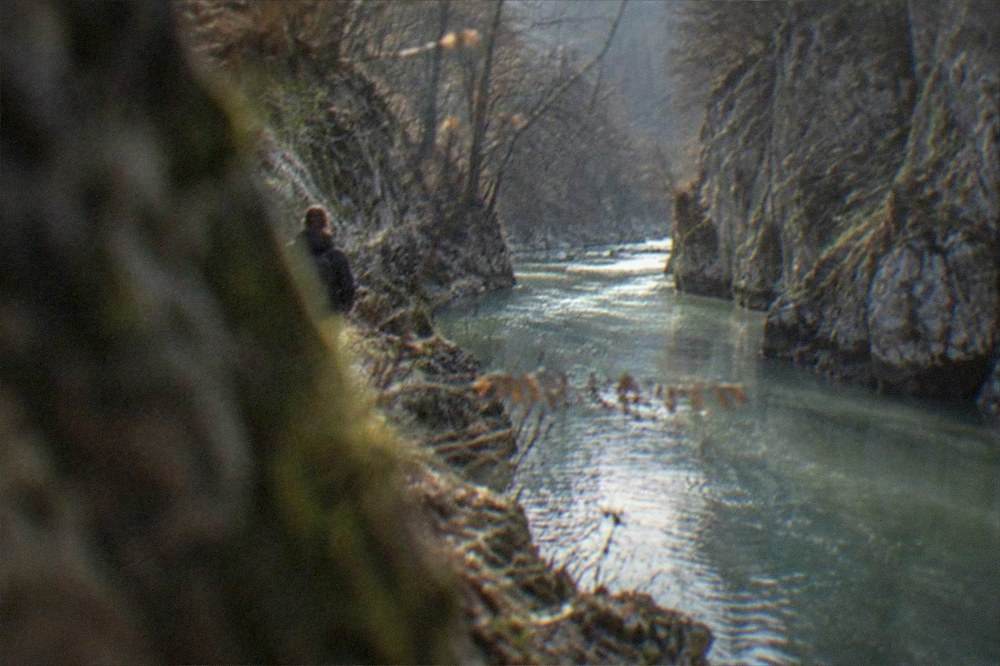
One caution belongs here: the Bigar Waterfall and the gorge trails are weather-dependent in a way no aquapark ever is. After heavy rain the paths close or become unsafe, and June's 79.1 mm average makes early summer the risky window. Book day trips with free cancellation where possible, and keep a city fallback plan, the vaporetto and the museums, for a washed-out mountain day. The Romania travel essentials guide covers the practicalities of moving around the region.
How Much Does A Water-Themed Visit To Timisoara Cost?
A water-themed day in Timisoara is inexpensive by European standards: the vaporetto costs 5 lei per ride or 18 lei as part of a day pass, an inexpensive restaurant meal runs about 45 to 50 lei, and a draught beer in a neighborhood pub costs about 11 to 12 lei. These figures come from cost-of-living sources updated in September 2026, and they describe the city's general price level rather than any single venue's tariff. The currency is the Romanian leu, RON, not the euro, and the Romanian currency guide explains how to handle it.
| Item | Typical price (RON) | Notes |
|---|---|---|
| Vaporetto single ride | 5 | Same ticket as trams and buses, 60 minutes |
| Full-network day pass | 18 | All modes including the water bus |
| Inexpensive restaurant meal | 45 to 50 | Lunchtime range from September 2026 sources |
| Cappuccino | 13 to 15 | Regular coffee in expat-frequenced areas |
| Draught beer, 0.5 L | 11 to 12 | Neighborhood pub, domestic draft |
| Mid-range hotel night | About 176 to 227 | 3-star averages, varies by season |
One line item visitors often miss is the local tourist tax, a charge on accommodation collected by the lodging, set by the city council for 2026. Its rate is reported as 2 percent of the accommodation tariff excluding VAT, though that figure comes from secondary reporting rather than a primary council document, so treat it as reported rather than guaranteed. It appears on the hotel bill, not at the door of any attraction, and it applies whether the stay is one night or ten.
Against this baseline, the day trips are the expensive line. They are full-day guided products with transport included, priced per person at a level that reflects a full day of a guide's time and a long drive into the mountains, and their live prices and availability render in the booking blocks on this page rather than in prose. A reasonable split for a five-day visit is two city days built around the canal and squares, one mountain water day, and one flex day held back for weather.
For travelers who want the city's story along with its riverbank, the combined walking and tram tour below is the related pick for this page, covering the center and the tram-borne viewpoints in a single outing:
And for a broader shortlist spanning the city and the mountain water trips:
Common Questions About The Timisoara Aquapark
Is there a real aquapark in Timisoara?
No large commercial aquapark operates inside Timisoara, and no verified source for this destination lists one within the city limits. The city's water attractions are the seasonal Bega vaporetto and the day trips into the Banat mountains.
What is the vaporetto in Timisoara and when does it run?
The vaporetto is a scheduled passenger water bus on the Bega canal, operated by the city transport company. It runs roughly from 1 April to the end of October, with nine stops per direction, and a ride costs 5 lei or works with the 18 lei day pass.
Can you swim in the Bega canal in Timisoara?
No, the Bega is a working canal and urban waterway, not a swimming spot. Swimming is not part of the canal's leisure offer, which centers on the water bus, the promenades and the green banks.
Where is the closest big water attraction to Timisoara?
The strongest water scenery within day-trip range is in the Banat mountains: the Danube Gorge, the Nera Gorge national park and the Bigar Waterfall, all reachable on guided day trips of roughly nine to twelve hours from the city.
Is Timisoara warm enough for water activities in summer?
Yes. The official climate normals give July a mean of 22.8 C and August 22.5 C, and the vaporetto season covers April through October, so the warm months and the water season overlap well.
Do hotels in Timisoara have pools?
Some hotels advertise pools and wellness areas, and new properties have opened through 2026, but hotel pools are guest amenities rather than public aquaparks. Confirm pool access and any day-pass terms directly with the property before booking.