Dicasterial Palace Timisoara
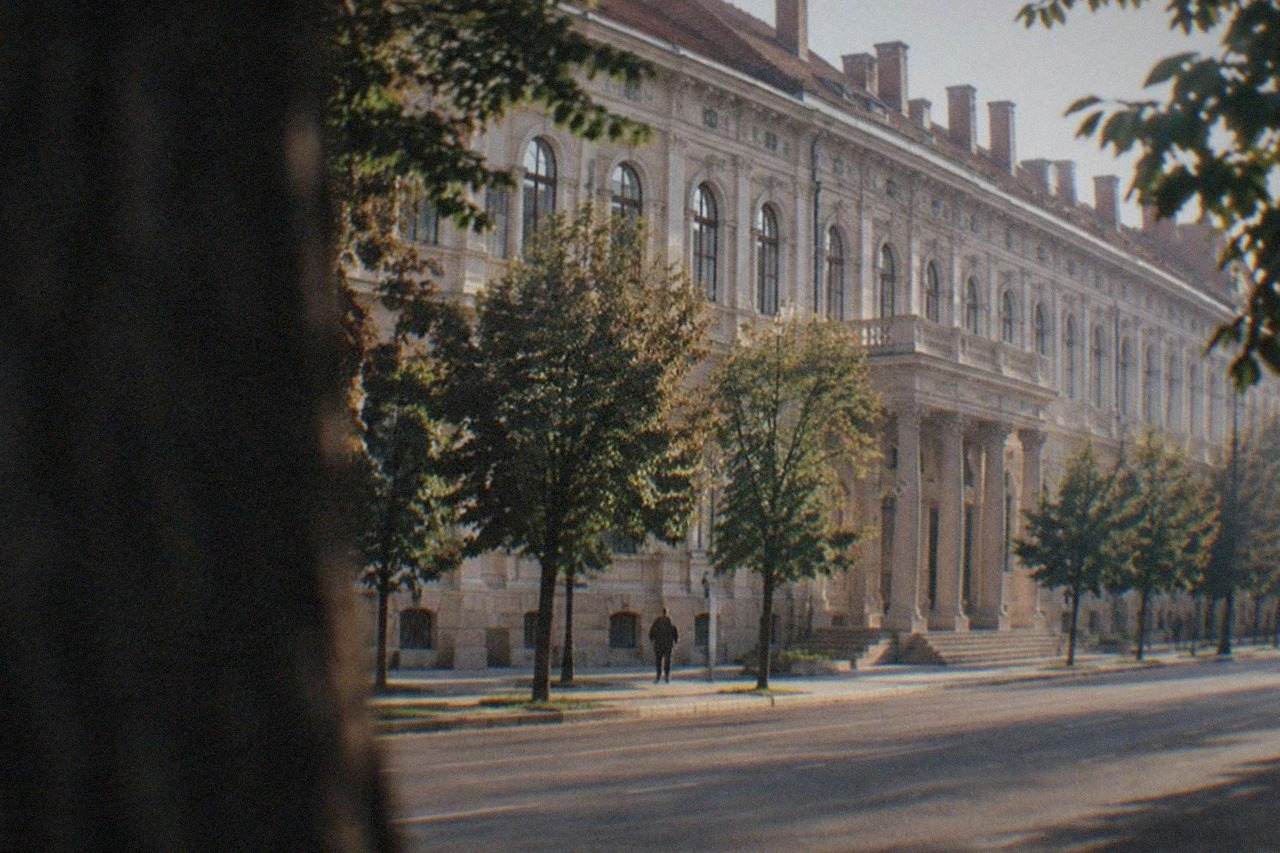
The Dicasterial Palace is the largest and most photographed historic building on the boulevard linking Timisoara's Cetate and Iosefin districts, a monumental piece of Habsburg-era administration that still houses the city's courts today.
Short answer
The Dicasterial Palace is a vast administrative palace built between 1855 and 1860 in the Cetate district of Timisoara, western Romania, on the boulevard leading out toward neighboring Iosefin. It faces the boulevard that leads from the city center toward the former Josefin railway station and is one of the largest historic buildings in the Banat region.
The Dicasterial Palace in Timisoara, in Timis County in the Banat region of western Romania, stands at the edge of the Cetate district on the boulevard leading out toward Iosefin, and it is one of the largest historic buildings in the country. Built between 1855 and 1860 to serve the imperial administration of the Habsburg monarchy, it has spent its life as a working government building rather than a museum, and today it houses the city's courts. That matters for visitors: you come here for the facade, the boulevard setting and the surrounding neighborhood, not for a ticketed interior. This guide covers what the palace is, how to reach it on Timisoara's public transport, what to see within a short walk of it, and how it fits into a day in the western side of the city.
What Is The Dicasterial Palace In Timisoara?
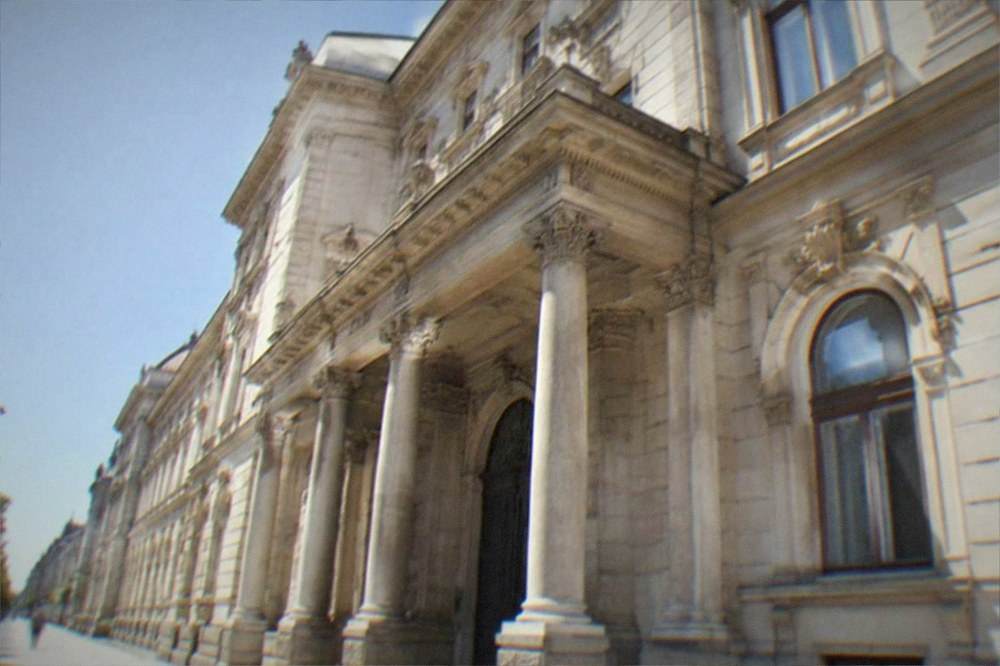
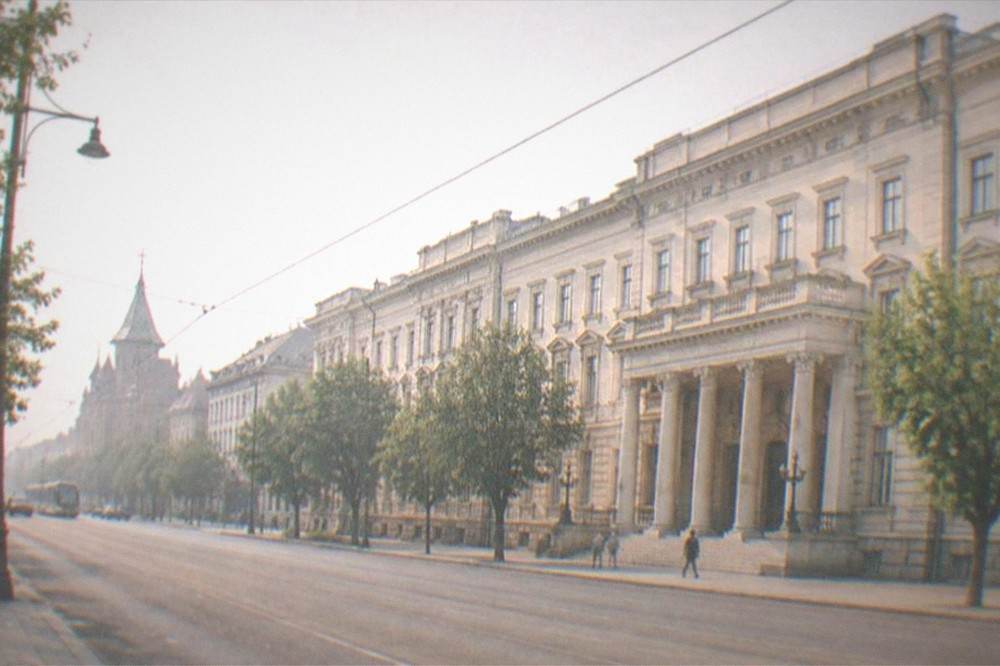
The Dicasterial Palace is a monumental administrative palace in the Cetate district of Timisoara, standing on the boulevard that leads out toward neighboring Iosefin, built between 1855 and 1860 for the bureaucracy of the Habsburg monarchy and still in use as a courthouse today. It is one of the dominant landmarks of that boulevard, and its long decorated facade is one of the most photographed pieces of architecture in the Banat region. Unlike most of Timisoara's grand buildings, it is not a museum or a hotel, so the experience is an exterior one.
Timisoara, historically known as Temesvár in Hungarian and Temeswar in German, spent roughly two centuries under Habsburg administration, and that era reshaped the city in stone. The authorities drained and canalised the Bega in the 18th century, making it the first navigable canal in Romania, and the administration that managed this engineered landscape needed offices to match. The Dicasterial Palace was the answer: a building designed to concentrate the region's judicial and administrative functions under one enormous roof.
The name itself comes from "dicasterium," an old term for a court or tribunal, and the building has kept that function through every political change since, from the monarchy through the interwar Romanian state, the communist period and the present day. Very few public buildings in Romania can claim an unbroken institutional continuity of that length. It also explains why the interior is not open to tourists: courtrooms and offices do not welcome sightseers.
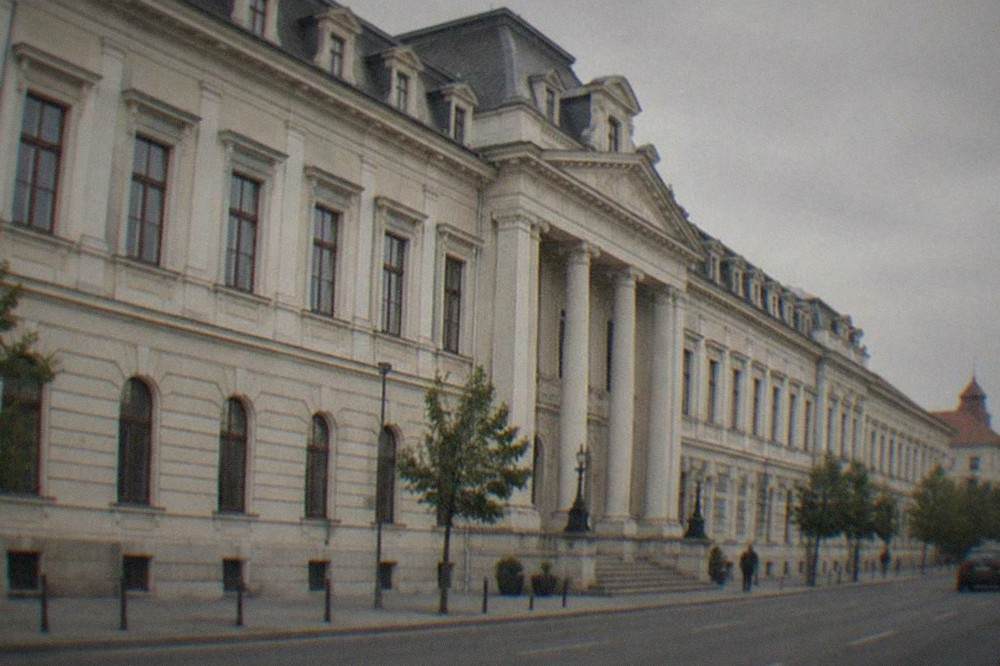
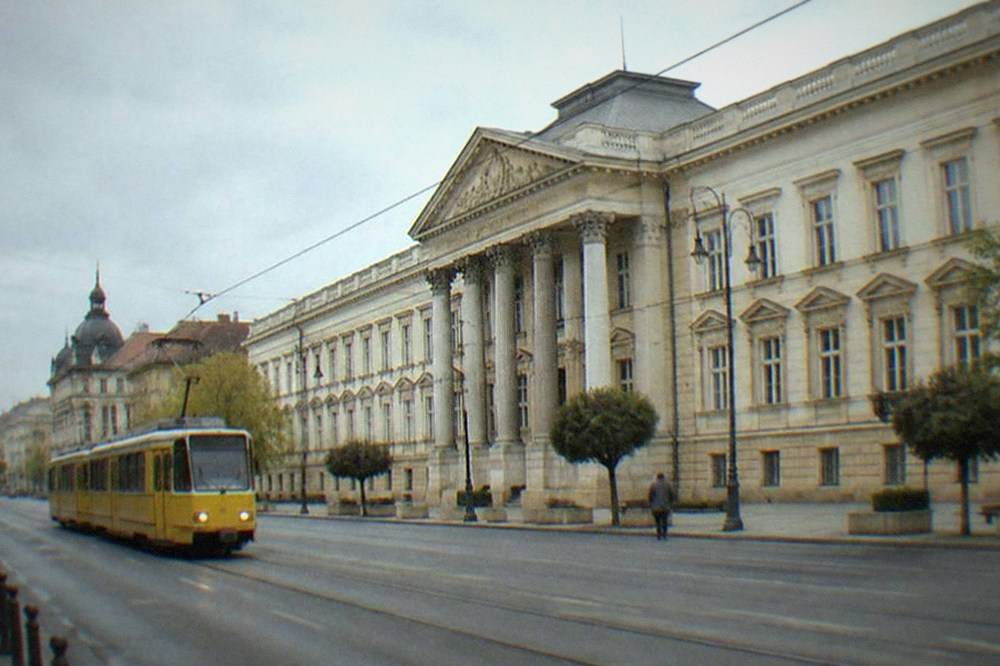
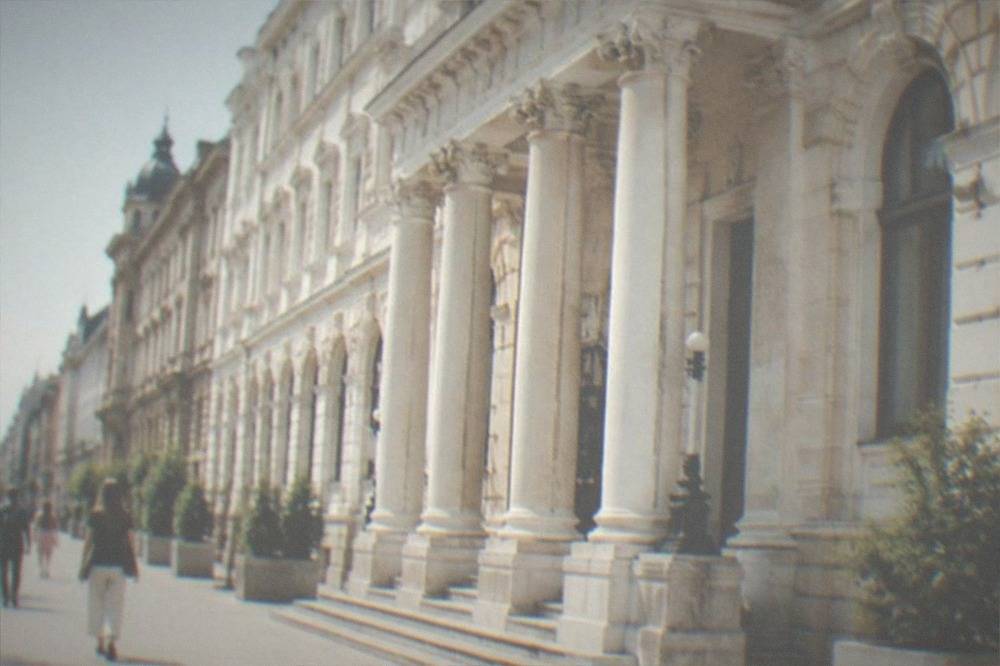
Architecturally, the palace is a lesson in how a government signals permanence. The facade stretches for hundreds of windows along the boulevard, organized in strict horizontal bands, with a central projection and regular rhythm that reads as order and authority. Photographers tend to shoot it in the morning, when the light comes across the boulevard and picks out the relief work on the walls.
The palace stands at the point where Cetate gives way to Iosefin, one of Timisoara's historic inner districts alongside Fabric and Elisabetin. Each of these neighborhoods grew outside the old fortress core after the 1892 decision to demolish the city walls, and each has its own character. Iosefin is the quietest of the three, a district of boulevards, villas and church spires, and the Dicasterial Palace marks its gateway from the center.
Where Is The Dicasterial Palace And How Do You Get There?
The Dicasterial Palace stands on the main boulevard at the southwestern edge of Cetate, where the district meets Iosefin, southwest of Timisoara's city center and roughly on the route between Union Square and the Iosefin Water Tower. Trams and buses on the STPT network serve the district directly, and a single 60-minute ticket costs 5 lei, with a one-day pass at 18 lei covering every mode including the Bega water bus. The ride from the center takes only a few stops, and the palace facade is visible from the street as you approach.
Timisoara's public transport is run by STPT, with nine tram lines, six trolleybus lines, express buses and the seasonal vaporetto on the Bega canal. Tickets are integrated across all modes, and you can pay with a contactless bank card on board, by SMS, through mobilPay, via the eTicket site or at STPT kiosks. The single ticket is valid for 60 minutes from validation, which is generous for a trip of this length.
| Option | What it covers | Cost | Notes |
|---|---|---|---|
| Single 60-minute ticket | All STPT modes, including the vaporetto | 5 lei | Contactless card accepted on board |
| One-day pass | Unlimited travel for one day, all modes | 18 lei | Best value for a full day of sightseeing |
| 30-day general pass | All modes for a month | 160 lei | Only relevant for long stays |
| Contactless bank card | Pay per ride on board | Same as single ticket | POS terminals in vehicles |
Real-time arrivals are available through STPT's own live site and the Transit app, which is useful because tram diversions are common while the city's regeneration works continue. Piata Traian, in the neighboring Fabric district, is closed to trams from August 2026 to the end of 2026, with several lines diverted, so check the live feed on the morning you travel. Walking is the other realistic option: Iosefin adjoins the central Cetate district, and a stroll from Union Square through Liberty Square and out along the boulevard is one of the pleasantest walks in the city.
If you are driving, note that Timisoara's paid parking is managed by the municipal operator TimPark through color-coded concentric zones, with the ultra-central red zone the most expensive and shortest-stay. Payment runs through the TPark mobile app, SMS, or parking meters, and enforcement applies on weekdays during business hours, so check the signs. A new link road connecting Timisoara directly to the A1 motorway opened to traffic on 22 September 2026, which has eased access on the western side of the city where Iosefin sits.
A guided walk is a good alternative to working out the tram network on your own, especially for a first visit. The Elisabetin neighborhood tour below starts from the central squares and covers the historic districts adjacent to Iosefin, while the two day trips show what lies beyond the city when you have finished with its boulevards.
What Can You See Around The Dicasterial Palace?
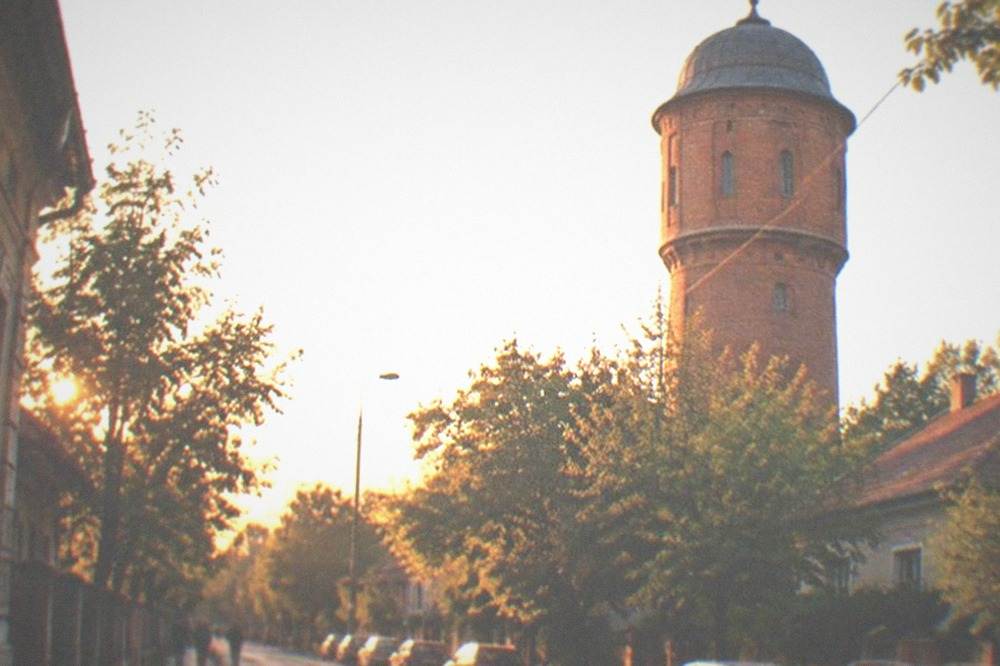
Within a short walk of the Dicasterial Palace you can reach the Iosefin Water Tower, the Millennium Church, the Bega canal promenade and the boulevard of historic villas that defines Iosefin. The district is compact and flat, and its sights are exterior ones: facades, church towers and riverside paths rather than ticketed attractions. A walk here can combine the palace with a loop that takes in the water tower and the canal, then returns toward the center through Elisabetin.
Iosefin grew as the city's southwestern suburb, and its street plan still reflects that origin: long straight boulevards with deep building plots, quieter than the tourist core of Cetate. The Iosefin Water Tower is the district's second landmark, a brick tower from the same infrastructure-building era as the palace, and the two bookend a pleasant walk. The Millennium Church, with its distinctive twin-tower facade, anchors the district's main square and gives Iosefin its most visible religious building.
| Sight | District | Character | Best combined with |
|---|---|---|---|
| Iosefin Water Tower | Iosefin | Industrial-era brick tower | Canal walk |
| Millennium Church | Iosefin | Twin-towered parish church | District square |
| Bega canal promenade | Iosefin to Cetate | Riverside path and bridges | Vaporetto ride |
| Union Square | Cetate | Baroque main square, museums | Old town walk |
| Liberty Square | Cetate | Historic square on the route in | Walk from the center |
| Roses Park | Central | Formal rose gardens | Summer and spring visits |
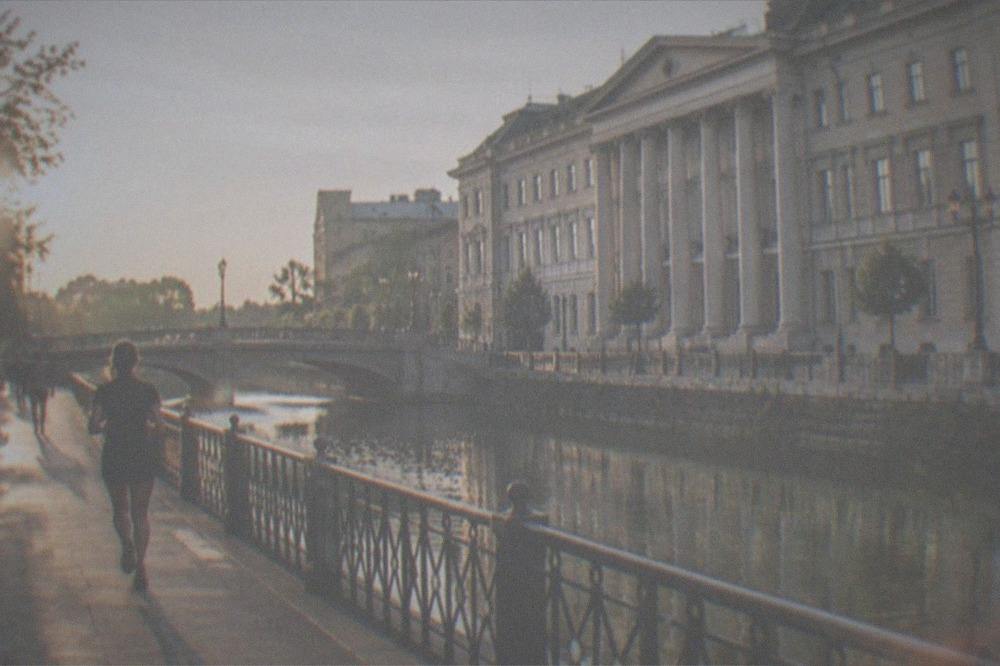
The Bega canal is the thread that ties the district to the rest of the city. The canalised Bega was the first navigable canal in Romania, and its banks now form a continuous leisure corridor through the center. The seasonal water bus, the vaporetto, runs from 1 April to the end of October with nine stops per direction, and a standard ticket covers it like any other STPT mode. The city has been steadily reclaiming the banks for public use, with over 2,000 square meters cleared for new park space announced in May 2026.
For the walk back toward the center, the natural route passes through Elisabetin, the district immediately east of Iosefin. That neighborhood has its own set of sights, including the Orthodox Metropolitan Cathedral at its edge and a scatter of Secession-era facades that reward slow looking. A guided walk through Elisabetin pairs well with the palace visit, and you can Check availability for the neighborhood tour that covers it.
Is The Dicasterial Palace Open To Visitors?
The Dicasterial Palace is not open to tourists, because it functions as an active courthouse and administrative building, and there is no museum, ticket desk or visitor route inside it. The experience is entirely exterior: the facade, the boulevard setting and the photographs you take from the street. There is no entry fee because there is no entry, and no published visiting hours because there is nothing to visit inside. Plan for the palace as a stop on a walking route.
This is not unusual in Timisoara. Several of the city's grandest buildings remain working institutions, from the courts in the Dicasterial Palace to the civic halls of the central squares. The city's museum stock is concentrated elsewhere: the National Museum of Art in the Baroque Palace on Union Square, the Memorial Museum of the Revolution dedicated to December 1989, and the Banat Village Museum on the city's northern edge.
Photography from the street is unrestricted and the facade rewards it, especially in the slanting light of early morning or late afternoon. If you want interiors from the same era, the museums listed above are the places to go, and the Art Museum's summer hours run Wednesday to Sunday from 13:00 to 21:00 between 1 June and 30 September, shifting to 10:00 to 18:00 in winter. The wider set of guides lives on Timisoara Travel Guide.
A local guide adds the context that a closed building cannot give you itself. The Elisabetin neighborhood walk below is the closest guided experience to the palace's doorstep, covering the adjacent historic district with a local who can explain how Iosefin, Elisabetin, Fabric and Cetate fit together.
When Is The Best Time To See The Dicasterial Palace?
The best time to see the Dicasterial Palace is spring through early autumn, roughly April to October, when Timisoara's mean temperatures run from about 12 C to 23 C and the boulevard trees are in leaf. July is the warmest month with a mean of 22.8 C and June the wettest with 79.1 mm of rain, while March is the driest at 34.1 mm. The facade photographs well year-round, but the surrounding Iosefin walk is at its best outside the winter months.
Timisoara has a continental climate, with cold winters and warm summers, and the JMA climate normals for the city's weather station give the full picture. There is no coastal moderation here: the city sits inland in the Banat plain at 86 meters above sea level, and the seasons are pronounced.
| Month | Mean temperature (C) | Precipitation (mm) | What it means for a visit |
|---|---|---|---|
| January | 0.0 | 37.3 | Cold and gray, short days |
| March | 6.5 | 34.1 | Driest month, early blossom |
| May | 17.3 | 57.2 | Long days, parks in flower |
| June | 20.9 | 79.1 | Warmest greenery, wettest month |
| July | 22.8 | 61.9 | Warmest month, peak walking season |
| September | 17.2 | 50.4 | Settled and mild, festival month |
| October | 11.5 | 50.0 | Autumn color on the boulevards |
| December | 1.5 | 44.7 | Christmas Market season in the center |
If your trip lands in late September, the city's cultural calendar is at full stretch: the Timisoara Jazz Festival held its 14th edition from 25 to 27 September 2026, and the SIMULTAN festival of experimental art ran the same weekend. December brings the Christmas Market to Victory Square, which makes a winter visit worthwhile despite the cold, and the market is expected to run from late November into early January, though 2026 dates had not been officially confirmed.
Crowds are rarely a problem anywhere in Timisoara, and Iosefin is quieter still. The city recorded 296,199 tourist arrivals in 2025, up 3.86 percent on the previous year, with an average stay of about 1.83 days, so foot traffic concentrates on the central squares and rarely reaches the boulevards of Iosefin. You will often have the palace facade to yourself.
How Does The Dicasterial Palace Fit Into A Day In Timisoara?
The Dicasterial Palace fits best as the southwestern anchor of a half-day walking route: start at Union Square, cross Liberty Square, continue along the boulevard toward Iosefin to the palace facade at the Cetate-Iosefin boundary, then loop back through Elisabetin past the Metropolitan Cathedral. With a 60-minute ticket at 5 lei you can shorten any leg by tram, and the whole circuit takes a relaxed morning or afternoon. Visitors with more time can add the Bega promenade or a museum stop in the center.
For a structured version of that day, the site's ready-made itineraries do the planning for you. The one day in Timisoara itinerary covers the central must-sees, while two days in Timisoara leaves room for the outer districts like Iosefin and Fabric. If the palace has hooked you on the city's Habsburg-era architecture, the guide to Timisoara's architecture traces the styles you will pass along the way.
A reasonable sequence for the Iosefin leg looks like this:
| Stop | What you see | Time needed |
|---|---|---|
| Union Square | Baroque squares, the Art Museum, two cathedrals | 45 to 60 minutes |
| Liberty Square | Historic square, old town atmosphere | 15 to 20 minutes |
| Boulevard walk into Iosefin | Facades and villas along the way | 20 to 30 minutes |
| Dicasterial Palace | Facade and photographs from the street | 10 to 15 minutes |
| Iosefin Water Tower | Brick tower and canal-side paths | 15 to 20 minutes |
| Return via Elisabetin | Secession facades, Metropolitan Cathedral | 30 to 40 minutes |
Food and coffee are easy to fold in. A cappuccino in Timisoara typically runs 13 to 15 lei and a draught beer in a neighborhood pub 11 to 12 lei, while an inexpensive restaurant meal averages around 45 to 50 lei, so a full day out costs very little by Western European standards. The city's cafe culture is concentrated in Cetate and Elisabetin, so plan your refreshment stops on the return leg.
When you have exhausted the city itself, the Banat region around Timisoara is the natural next step, and the two day trips below are the most direct ways into it.
The countryside tour below reaches the villages and landscapes that produced the wealth the palace once administered, while the Oradea and Apuseni caves trip pairs another great Banat city with the region's karst underworld. Both are full-day commitments, so keep them for a second or third day.
If your time is short, the Elisabetin neighborhood walk remains the best single tour to pair with this page, since it covers the district next door to the palace and starts from the central squares you will pass anyway.
Common Questions About The Dicasterial Palace In Timisoara
Can you go inside the Dicasterial Palace in Timisoara?
No. The building is an active courthouse with no museum, ticket desk or visitor route, so tourists experience it from the street. There is no entry fee and no visiting hours because there is nothing inside open to the public.
How do I get to the Dicasterial Palace from Union Square?
Walk southwest along the boulevard through Liberty Square toward Iosefin; the palace stands at the Cetate-Iosefin boundary, a stroll of roughly half an hour, or take any tram or bus serving that corridor. A single 60-minute STPT ticket costs 5 lei and can be paid with a contactless bank card on board.
What else is near the Dicasterial Palace?
The Iosefin Water Tower, the Millennium Church and the Bega canal promenade are all within a short walk. The central squares of Cetate, including Union Square with the National Museum of Art, lie to the northeast along the walking route back to the center.
When was the Dicasterial Palace built?
Construction ran from 1855 to 1860, in the mid-19th century, under the Habsburg administration, and the building has served as a courthouse and administrative center ever since.
Is the Dicasterial Palace worth visiting if you cannot enter it?
Yes, as part of a walk. The facade is one of the largest and most monumental in the Banat region, and the surrounding Iosefin boulevards are among the quietest historic streets in Timisoara. Treat it as a highlight of a neighborhood circuit rather than a standalone destination.
When is the best time of day to photograph the palace?
Morning and late afternoon give the most flattering light across the facade, and the boulevard is quietest early on weekdays. Spring through autumn adds the greenery of the boulevard trees to the frame; winter gives you bare branches and grayer light but far fewer people.
The Dicasterial Palace will never sell you a ticket, but as the monumental gateway between Cetate and Iosefin it earns its place on any Timisoara itinerary that goes beyond the central squares, and the walk to reach it is half the reward.