Communist Consumer Museum Timisoara
The Communist Consumer Museum in Timisoara, in western Romania, preserves the everyday objects of the Ceausescu era, from ration cards to glass-packaged food, in a small space that doubles as a memory project for the city where the 1989 Revolution began.
Short answer
The Communist Consumer Museum in Timisoara is a small private museum displaying everyday consumer goods, packaging, toys and household items from Romania's communist decades, up to December 1989. It is one of the few places in the city where the texture of daily life under the regime, rather than its politics, is the whole story.
Timisoara, in Timis County in the Banat region of western Romania, keeps its communist past in an unusually tangible form: a museum given over not to politics or propaganda posters but to the things people actually owned, ate, drank from and queued for during the four decades of communist rule that ended in December 1989. The Communist Consumer Museum is a small, dense collection of packaging, household goods, toys, electronics and ration documents, assembled to preserve a material record that was disappearing into attics and skips as the city modernized. This guide covers what the collection is, how it fits into the city's wider 1989 story, how to reach it, and what else to build into a day around it.
What Is The Communist Consumer Museum In Timisoara?
The Communist Consumer Museum in Timisoara is a small museum dedicated to the everyday material culture of Romania's communist period, displaying consumer goods, food packaging, toys, household appliances, furniture and personal documents from the decades of communist rule up to 1989. Unlike the city's state museums, it tells the story of ordinary life under the regime through objects rather than political narrative, and it sits in a city whose own role in ending that regime makes the subject unusually close to home.
Timisoara is, in a sense, the right city for this kind of collection. The city where the 1989 Revolution began is also a city of firsts: the city hall's own "Premierele Timisoarei" list records that Timisoara was the first city on mainland Europe with electric street lighting, on 12 November 1884, that it had the first electric tram in Romania in 1899, and that by 1953 it was the only European city with three state theatres, performing in Romanian, Hungarian and German. That habit of documenting firsts and material detail extends naturally to preserving what the communist decades looked like at kitchen-table level.
The museum's premise is simple and, in the Romanian museum landscape, rare. State collections tend toward the grand: medieval fortifications, fine art, revolutionary memorials. The consumer museum goes the other way, toward the humble and the mass-produced. A jar with a hand-glued label, a school notebook, a television set with three channels, a toy produced in a state factory: these are the exhibits. For visitors from Western Europe or North America, the collection explains more about how the system actually worked, and where it visibly failed, than any amount of reading.
Timisoara, known in Hungarian as Temesvár and in German as Temeswar, spent its communist decades as an industrial and administrative center of western Romania. The city's German-speaking and Hungarian-speaking communities, its churches and its commercial history all lived under the same rationing, scarcity and ideological supervision as everywhere else in the country, and the objects on display speak to that shared, constrained material world.
What Can You See Inside The Museum's Collection?
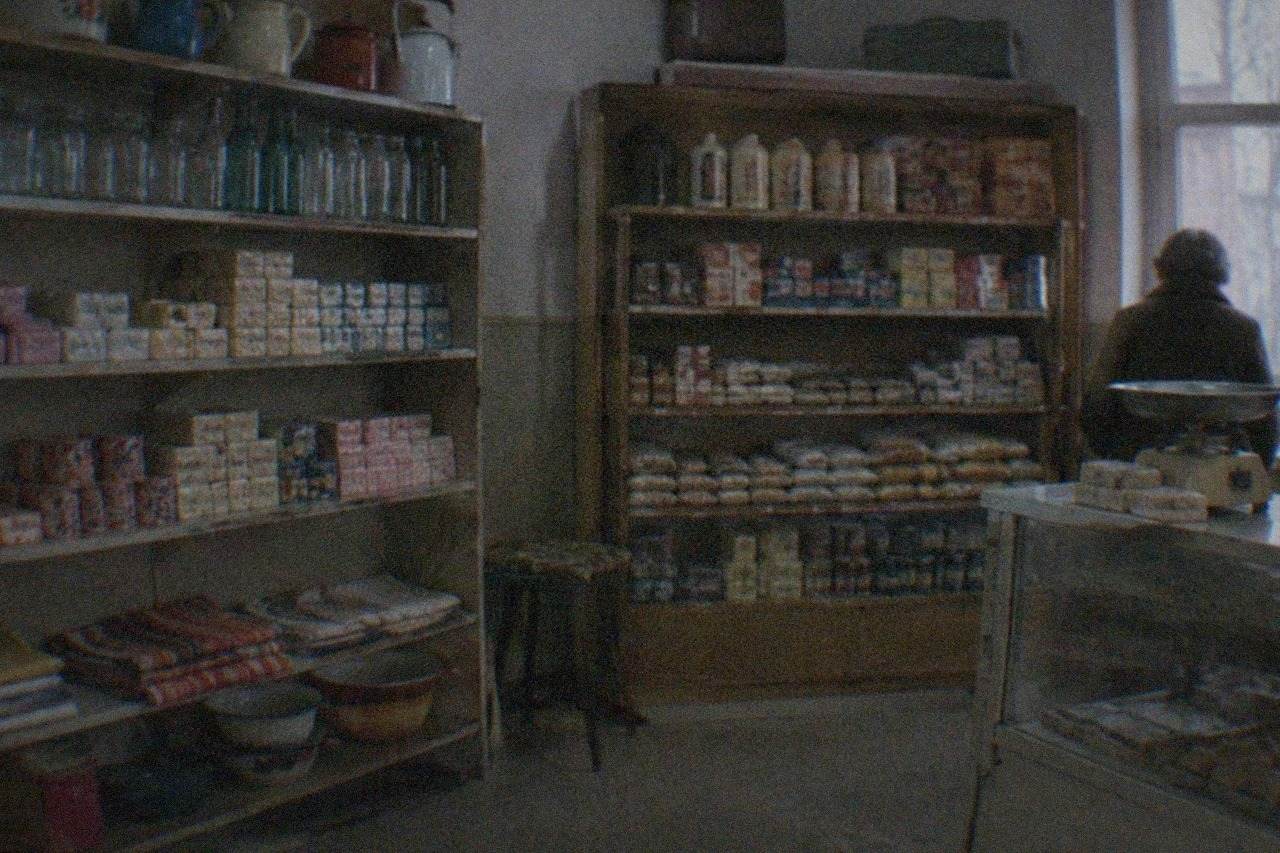
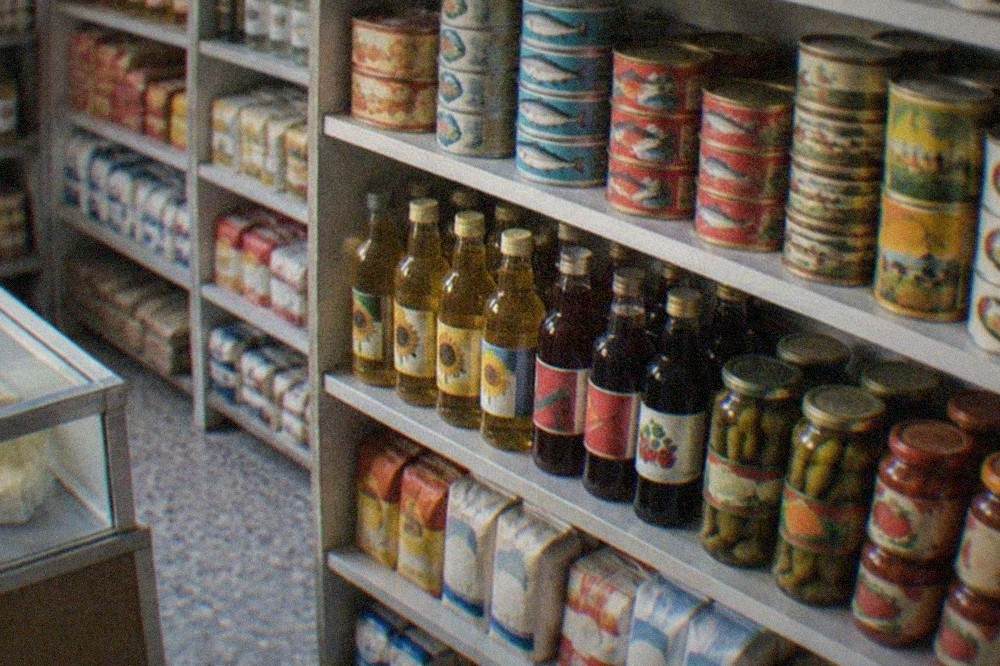
The collection centers on the objects of daily consumption under communism: food and drink packaging from Romanian state factories, glass bottles and tins, household electronics and radios, kitchenware and furniture, school materials, toys, personal documents such as ration cards, and magazines or printed matter of the period. The organizing idea is the shop shelf and the home rather than the rally or the statue, which makes the museum a complement to, not a duplicate of, the city's revolutionary memorials.
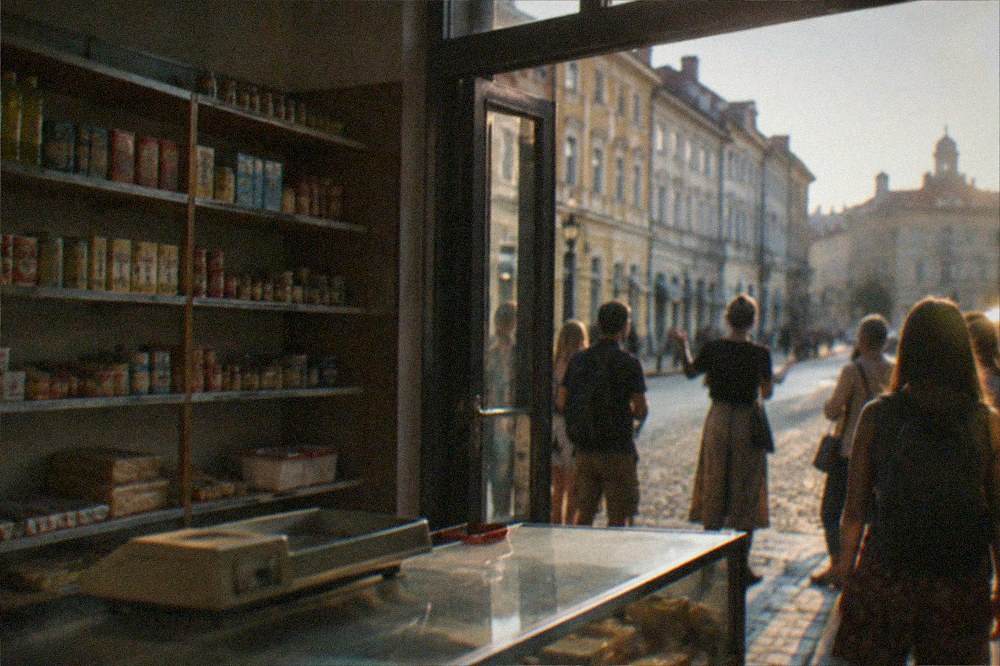
Packaging is the heart of the display. Romanian communist-era consumer goods were produced by state enterprises with standardized, often hand-labeled packaging, and the museum preserves these exactly as they were sold: tins, jars, bottles, wrappers and boxes that visitors who grew up in the region recognize instantly and that most foreign visitors have never seen. The labels themselves carry period typography and slogans, a small course in visual history on their own.
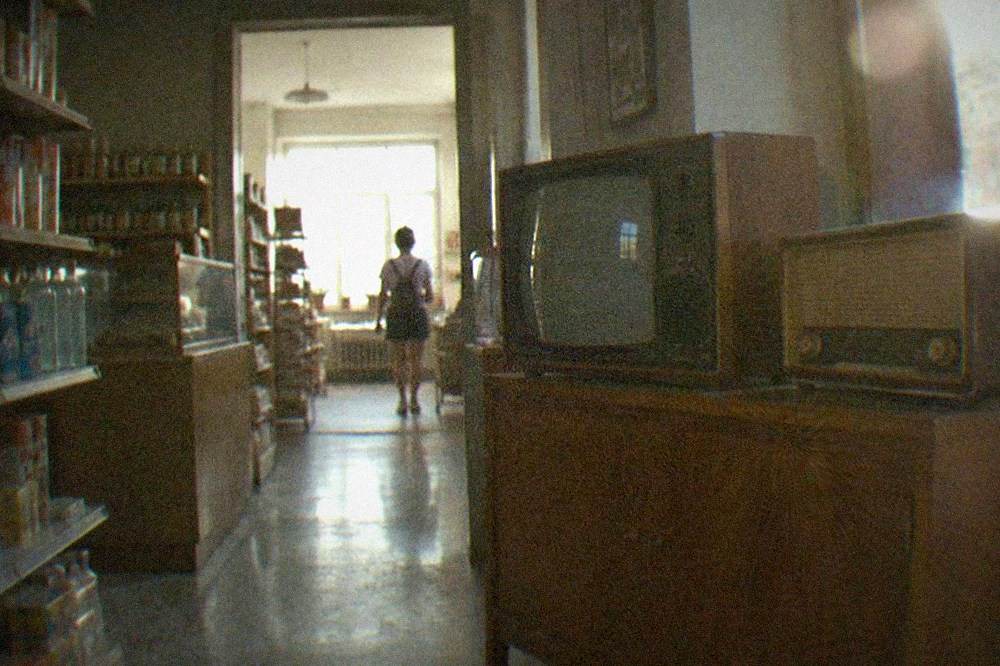
Household technology forms a second strand. Televisions, radios, telephones, irons, refrigerators and stoves produced by Romanian state factories show both the ambitions of the regime's industrial policy and its limits: models changed slowly, waiting lists were long, and repair culture was a necessity rather than a hobby. Personal documents, including ration cards and identity paperwork, record the bureaucratic side of consumption, when staple foods were distributed against quotas rather than bought freely.
Toys and school materials round out the picture. Romanian-made dolls, model vehicles, board games and exercise books from state publishers show what childhood looked like when imports were scarce and the domestic industry supplied everything. For families visiting with children, this section tends to be the most relatable: the toys are recognizable as toys even when nothing else about the era is.
A note on practical details: the museum's opening hours and admission fees are not published in the verified sources used for this guide, so check the museum's own current information before setting out. Small private museums in Romania frequently adjust their schedules seasonally or by appointment, and this one is no exception to that pattern.
How Does The Museum Connect To The 1989 Revolution In Timisoara?
The museum's collection stops precisely where the city's revolutionary history begins: in December 1989, when protests that started in Timisoara on 16 December at the parish of Reformed pastor Laszlo Tokes grew into the uprising that ended the Ceausescu regime. The consumer objects on display are the material world that uprising rejected, and the city's Memorial of the 1989 Revolution, a short distance away, carries the political half of the story the consumer museum deliberately leaves out.
The connection is more than thematic. The shortages, rationing and degraded living standards documented by the museum's jars and ration cards were the daily background to the protests of December 1989. The Memorial of the Revolution, at its site in the city, covers those events directly: its permanent exhibition, the documentary "Noi nu murim" and its temporary displays carry the timeline, the testimony and the commemoration. The consumer museum, by contrast, shows the quiet before the storm, the ordinary December shopping list of a society on the edge.
For visitors assembling a full picture, the pairing works well. The Memorial's adult ticket is 20 lei, covering eight permanent and three temporary exhibitions plus the documentary, with a separate 20 lei photo fee; its reported hours are Monday to Friday 08:00 to 17:00 and Saturday to Sunday 10:00 to 18:00. The consumer museum adds the texture: what the era's kitchens held, what its children played with, what its queues were for. Between them, they explain both why the Revolution started in Timisoara and what everyday life on the eve of it actually felt like.
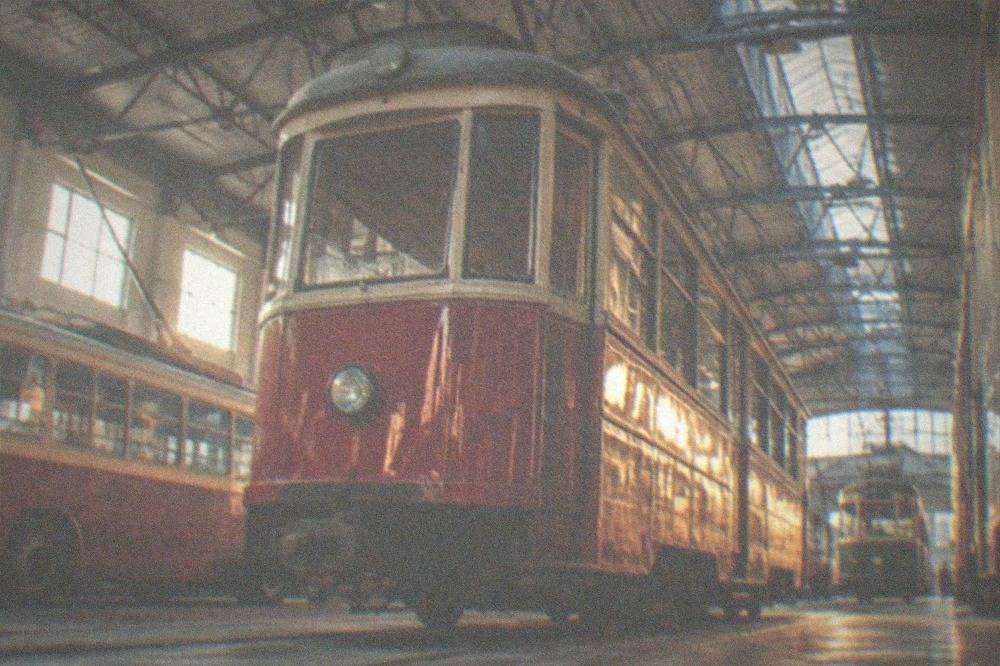
The city's broader museum network carries other threads of the same story. The Museum of Urban Public Transport documents the trams and buses that moved the city through the communist decades, while the Memorial Museum of the Revolution remains the anchor site for 1989 itself. A guided walking tour is the most efficient way to tie these together, since the sites are spread across the historic center and the districts around it.
Where Is The Museum And How Do You Get There?
The Communist Consumer Museum sits inside Timisoara's urban fabric within reach of the historic center, and the practical way to reach it is the city's public transport network: a single 60-minute ticket costs 5 lei, a one-day pass costs 18 lei, and both are valid on trams, trolleybuses, buses and the Bega vaporetto. Contactless bank cards are accepted on board, alongside e-wallet cards, SMS payment, mobilPay, eTicket and STPT kiosks, so buying a ticket requires no advance planning.
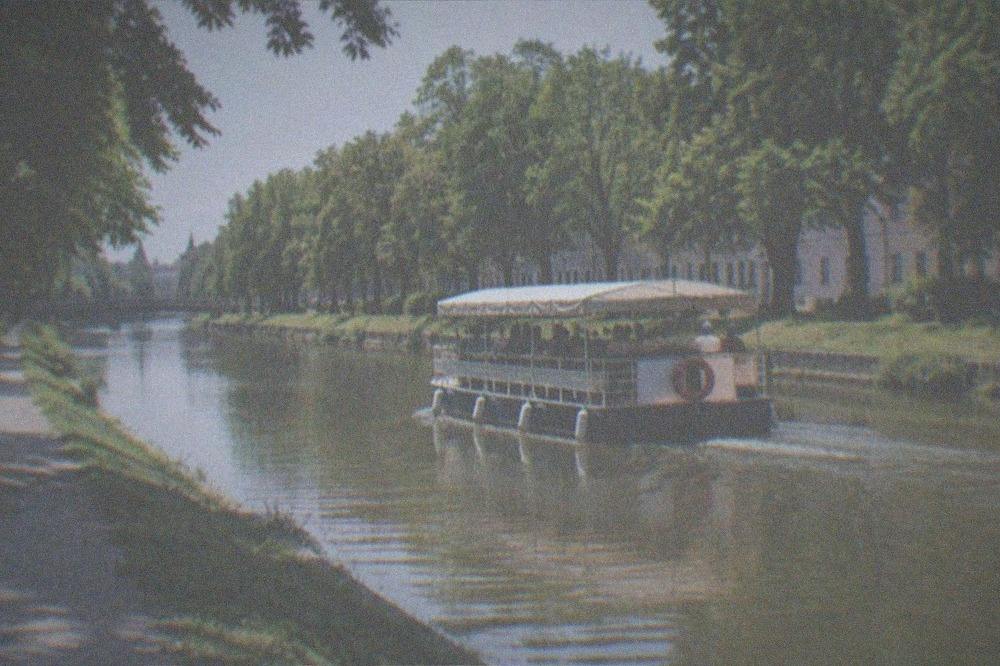
Timisoara's transport network is one of the most visitor-friendly in Romania. Nine tram lines (1, 2, 4, 5, 6a, 6b, 7, 8, 9), six trolleybus lines (11, 14, 15, 16, 17, 18), express buses E1 through E8 and the seasonal vaporetto line V1 share one integrated tariff, and real-time arrivals are published at live.stpt.ro. The vaporetto runs on the Bega canal from 1 April to the end of October, serving nine stops in each direction, which makes the canal itself a legitimate way to move between sights in the warmer half of the year. Other pages covering the same trip are gathered on Timisoara Travel Guide.
One caveat worth planning around: Piata Traian is closed to trams from 3 August 2026 to the end of 2026 for urban regeneration works, with several lines diverted. Check the STPT alerts before relying on a specific tram route through that part of the city. The network's diversions are well signed and replacement services operate, but a route that worked last year may not work this autumn.
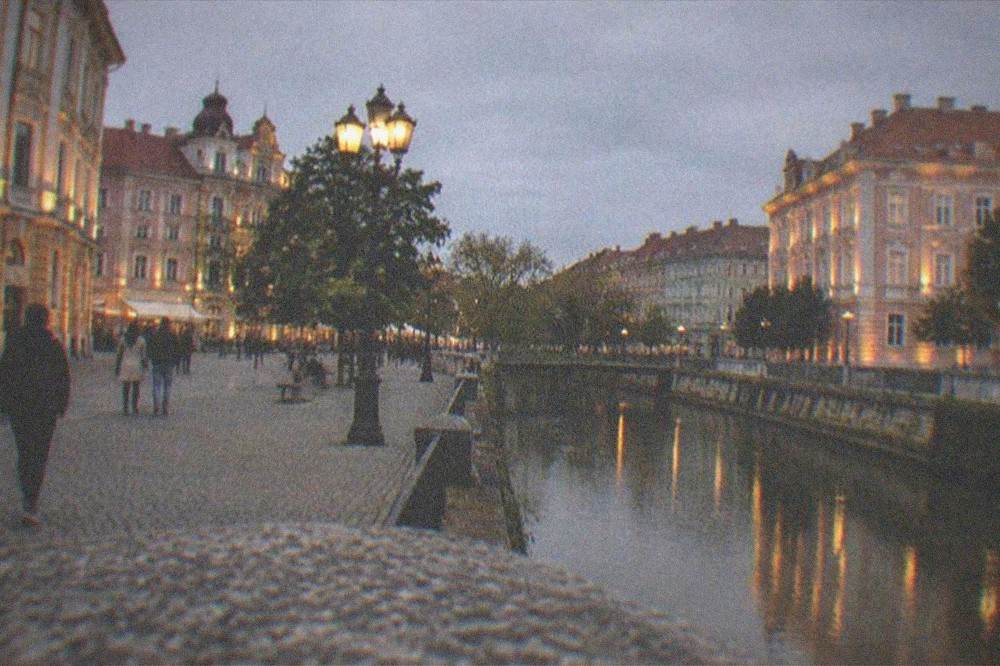
For orientation, the city's geography is straightforward. The historic core, Cetate, is bounded by the surviving bastion fragments, with Piata Unirii and Piata Victoriei as the main landmarks, and the surrounding districts of Iosefin, Fabric and Elisabetin each hold their own sights. The Bega canal cuts through the city and is both a transport corridor and a promenade, and most first-time visitors can walk the core without transport at all.
| Transport option | Fare | Notes |
|---|---|---|
| Single ticket, 60 minutes | 5 lei | Valid on trams, trolleybuses, buses and vaporetto |
| One-day pass | 18 lei | All modes, integrated tariff |
| 30-day general pass | 160 lei | Only relevant for long stays |
| Annual general pass | 1,320 lei | Resident option |
| Payment on board | Contactless card, e-wallet card, SMS, mobilPay, eTicket | No advance purchase needed |
What Else Is Nearby In Timisoara?
The museum sits in a city whose core sights are all within a short tram ride or walk of one another: Piata Unirii with its Baroque Palace housing the National Museum of Art, Piata Victoriei where the Revolution unfolded, the Orthodox Metropolitan Cathedral, and the Theresia Bastion, together with the parks and squares that make Timisoara one of Romania's most walkable cities. A single day comfortably covers the consumer museum plus two or three of these, and the city's flat terrain makes walking between them easy.
The National Museum of Art in the Baroque Palace on Union Square is the cultural heavyweight nearby. Its summer hours (1 June to 30 September) are Wednesday to Sunday 13:00 to 21:00 with last entry at 20:15, and its winter hours (1 October to 31 May) are Wednesday to Sunday 10:00 to 18:00; it closes on Mondays, Tuesdays and holidays, and a guided tour costs 175 lei per group. The palace itself, on the city's grandest square, is worth the visit even before the collection begins.
Victory Square is the emotional center of the 1989 story, the square where crowds gathered and where the city's Opera and Cathedral frame the space. The Orthodox Metropolitan Cathedral stands at one end of it, and the Theresia Bastion preserves the largest fragment of the old Habsburg fortress. Between them run the pedestrian streets of Cetate, lined with the Secession and Baroque facades that give the city its common nickname, "Little Vienna", a label in everyday use but never an official one.
For a greener hour, the Roses Park and Central Park sit close to the Bega, and the Banat Village Museum on the city's northern edge carries the region's rural heritage: it is closed on Mondays and Tuesdays, open Wednesday to Saturday 10:00 to 18:00 and Sunday 12:00 to 20:00, with a reported adult ticket of 20 lei. It makes a natural pairing with the consumer museum: one shows how Banat villagers lived across centuries, the other how city dwellers lived under communism.
| Sight | Verified hours | Entry figure |
|---|---|---|
| National Museum of Art, Baroque Palace | Summer: Wed-Sun 13:00-21:00; winter: Wed-Sun 10:00-18:00 | Guided tour 175 lei per group |
| Memorial of the 1989 Revolution | Reported Mon-Fri 08:00-17:00, Sat-Sun 10:00-18:00 | Adults 20 lei, photo fee 20 lei |
| Banat Village Museum | Wed-Sat 10:00-18:00, Sun 12:00-20:00, closed Mon-Tue | Adult ticket reported at 20 lei |
| Communist Consumer Museum | Not published in verified sources | Check the museum's own information |
When Is The Best Time To Visit The Communist Consumer Museum?
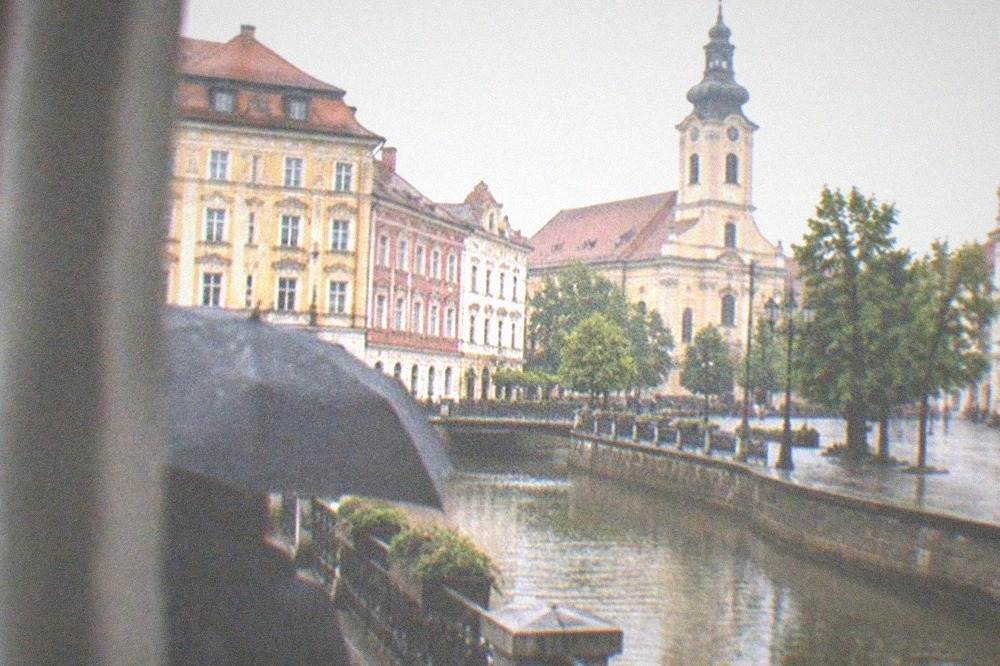
The best time to visit is spring through early autumn, when Timisoara's climate is at its most cooperative: JMA climate normals for station Timisoara 15247 give mean temperatures of 17.3 C in May and 22.8 C in July, against 0.0 C in January, so the warmer half of the year suits both the museum and the walking around it.
Since the museum itself is indoors, it also doubles as one of the city's reliable rainy-day options, and June, the wettest month at 79.1 mm of precipitation, is exactly when that matters.
The city's climate is continental, not Mediterranean: cold winters, warm summers and precipitation spread across the year, totaling 600.7 mm annually. March is the driest month at 34.1 mm and June the wettest at 79.1 mm. What this means in practice is that there is no bad season for an indoor museum, only better or worse seasons for everything you do around it.
| Month | Mean temperature | Precipitation |
|---|---|---|
| January | 0.0 C | 37.3 mm |
| March | 6.5 C | 34.1 mm |
| May | 17.3 C | 57.2 mm |
| July | 22.8 C | 61.9 mm |
| September | 17.2 C | 50.4 mm |
| November | 6.4 C | 45.3 mm |
Event timing is a second consideration. The city's cultural calendar stays busy: the Timisoara Jazz Festival held its 14th edition on 25 to 27 September 2026, and the city's Christmas Market in Piata Victoriei is expected in late November into early January, though 2026 dates remain estimates until officially announced. December visitors should also know that commemoration events around 15 to 20 December mark the Revolution's anniversary each year, which adds resonance to a visit to both the consumer museum and the Memorial.
Summer visitors get the vaporetto on the Bega, running 1 April to the end of October, plus the full park and promenade life of the city. Winter visitors get lower crowds, the Christmas Market when it opens, and a museum whose small, warm rooms feel appropriately dense on a cold afternoon. Timișoara rewards both approaches.
How Does A Guided Tour Change The Experience?
A guided tour turns the museum's objects into a route through the city itself: the Grand Tour of Communist Ages, a walking tour rated 5 from 18 reviews, spends three to four hours on the communist-era city, and pairing it with the museum's collection gives you both the artifacts and the streets they came from. The alternative is a free, tip-based essentials walk listed on GuruWalk, which covers the city's core in about two hours without the communist-era depth.
The difference between seeing the museum alone and seeing it with a guide is context. A ration card in a case is a curiosity; a guide who can point to the shop where that ration was collected, and the square where the system that issued it collapsed, turns it into a story. Timisoara's communist-era geography is still visible in the city: the apartment blocks of the communist decades, the industrial districts, the squares where crowds gathered in December 1989.
For visitors with more time, the same operators run trips out of the city that extend the theme. A half-day trip into the Banat countryside with lunch shows the rural counterpart to the city's material history, and a private castles-and-wine tour into Transylvania adds the aristocratic world that communism replaced. Neither is required, but both deepen the same thread: what Romania was, what it lost, and what it kept.
The practical advice is simple. Book the walking tour for your first full day, so the guide's orientation serves the rest of the visit, and save the consumer museum for a second pass, when the objects on display will mean more. Check availability ahead of your travel dates, since small-group walking tours in a city of this size fill on weekends.
What Should You Know Before Visiting Timisoara?
Before visiting, know four practical things: Romania is a full Schengen member, with air and sea access since 31 March 2024 and land borders since 1 January 2025, so EU travelers face no routine border checks; the currency is the Romanian leu (RON), not the euro; a local tourist tax exists, set by council decision HCL 719/2025 and reported at 2% of the accommodation tariff, collected by your lodging; and the city's single transport ticket at 5 lei covers trams, trolleybuses, buses and the vaporetto for 60 minutes.
The Schengen point matters more than it once did. Travelers arriving from Hungary by land since 1 January 2025 pass an internal Schengen border with no routine checks, and the EU's Entry/Exit System has been fully operational at all external Schengen borders since 10 April 2026, recording biometric data for non-EU short-stay travelers in place of passport stamping. Visitors entering from Serbia, by contrast, cross an external Schengen border with passport checks at crossings such as Jimbolia, Moravita and Stamora Moravita.
Money is straightforward. The leu is the till currency; the euro is not adopted. The BNR reference rate on 23 September 2026 was 1 EUR to 5.2788 RON. Cards are widely usable in the city, and the transport system takes contactless payment directly on board, but small museums, market stalls and some cafes still prefer cash, so carrying some lei is sensible. For a fuller treatment, the city's cost picture, from a 13 to 15 lei cappuccino to a roughly 45 to 50 lei inexpensive restaurant meal, is covered in this site's cost and prices guide.
The tourist tax is small but real: it is collected by hotels and other accommodation providers and remitted to the city, so it appears on your bill rather than being paid separately. Its 2% rate comes from a local council annex rather than a primary page, so treat it as reported rather than quoted as an official figure. Emergency services across Romania, as across the EU, answer on 112.
How Does The Museum Fit Into A Longer Stay?
For a longer stay, the consumer museum slots naturally into a two- or three-day Timisoara itinerary: day one for the historic core and the Revolution sites, day two for the museums and districts like Fabric and Iosefin, and an added day for a trip out to the Banat countryside or toward Transylvania, where a private castles-and-wine tour covers the aristocratic heritage that the communist era interrupted. The city rewards slow exploration, and its flat layout makes multi-day walking plans realistic.
The surrounding region is the part most first-time visitors underestimate. The Banat, the western region Timisoara anchors, holds gorges, waterfalls and villages that sit within a day trip's reach, and the communist-era story of the city gains depth when set against both the rural traditions of the region and the castles of Transylvania to the northeast. The choice among day trips is wide, from a private tour into Transylvania's castles and wine country to a full-day loop taking in Corvin Castle and Sibiu.
Within the city, the second and third days are where the districts open up. Fabric and its synagogue, Iosefin with its water tower, and the squares of Cetate each carry distinct architectural layers, and the Romanian National Opera keeps a performance calendar worth checking for an evening. The consumer museum, being small, is best treated as one thread in a day rather than the day's whole plan.
A private castles-and-wine tour into Transylvania is the most ambitious extension of the theme, and it pairs well with the consumer museum precisely because the contrast is so sharp: one shows the world of estates and cellars that the communist state dismantled, the other shows the queues and ration books that replaced it. Read together, they say more about the period than either does alone.
Whichever combination you choose, leave room in the plan for the city itself. Timisoara's squares, parks and riverside are the part of the visit that lingers, and the museum's small collection gains its full weight only when you walk out of it into the streets where those objects were once used.
Common Questions About The Communist Consumer Museum In Timisoara
What is the Communist Consumer Museum in Timisoara?
It is a small museum in Timisoara, Romania, displaying everyday consumer goods, packaging, toys, household items and personal documents from the country's communist decades up to 1989. Its focus is daily life under the regime rather than its politics.
How much does the Communist Consumer Museum cost?
The museum's admission fee is not published in the verified sources used for this guide, so check its own current information before visiting. Small private museums in Romania often adjust fees and hours seasonally.
What are the Communist Consumer Museum's opening hours?
Opening hours for the museum are not published in verified sources, so confirm them directly before setting out. Plan the rest of your day around sights with verified hours, such as the National Museum of Art or the Banat Village Museum.
Where is the Communist Consumer Museum located?
It is located in Timisoara, in western Romania, within reach of the historic center. The city's integrated public transport, with a 5 lei single ticket valid for 60 minutes on trams, trolleybuses, buses and the vaporetto, covers the whole urban area.
Is the Communist Consumer Museum related to the 1989 Revolution?
Thematically, yes: the collection documents the material scarcity and rationing that formed the backdrop to the protests that began in Timisoara on 16 December 1989. The Memorial of the 1989 Revolution, elsewhere in the city, covers the events themselves.
How long does a visit to the museum take?
The museum is small, and most visits run well under two hours, which makes it easy to combine with the Memorial of the Revolution, the National Museum of Art or a walking tour of the historic center on the same day.