What Is The Best Airport To Fly Into Romania?
The best airport to fly into Romania depends on where you are going. For Timisoara and the Banat, Traian Vuia Airport (TSR) is the clear answer. Here is how it compares to Bucharest and Cluj.
Romania has several international airports, and the best one to fly into depends entirely on which part of the country you actually want to see. For Timisoara, the city in Timis County that anchors the Banat region of western Romania, the answer is simple: fly into Timisoara Traian Vuia International Airport (TSR), which sits about 12 km northeast of the centre, a distance reported by the local tourism authority's planning page. Flying into Bucharest and crossing the country afterwards costs you the better part of a day each way. This guide from Timisoara Travel Guide compares the realistic options so you can book with confidence.
Which Airport Should You Fly Into For Timisoara And Western Romania?
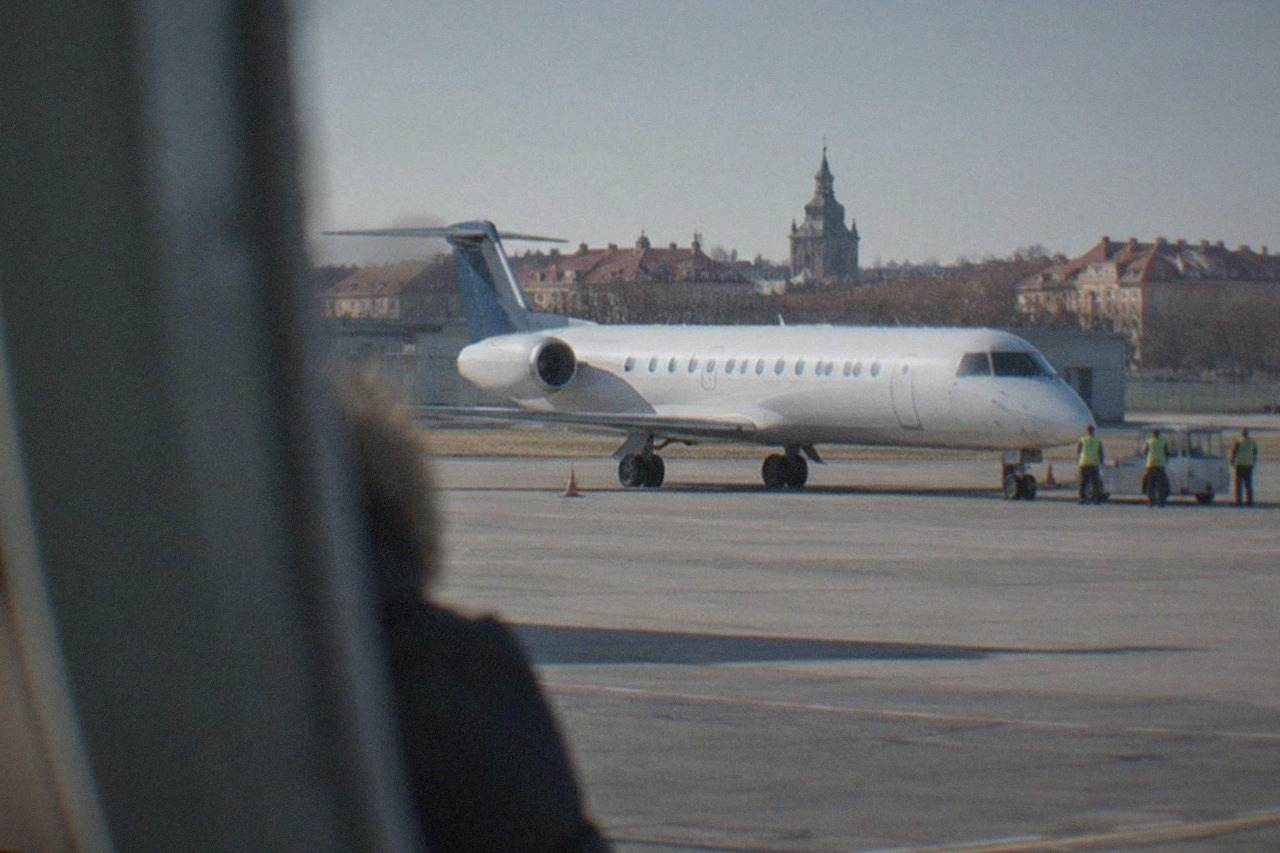
For Timisoara and the whole Banat region, Timisoara Traian Vuia Airport (TSR) is the best airport to fly into Romania through, because it is the only one within reach of the city without a long transfer. It sits roughly 12 km northeast of the centre, is connected by the STPT E4 express bus, and reported 1,458,098 passengers in 2025 according to Romanian Airports Association figures carried in the local press. Bucharest's Otopeni serves far more flights, but it lies on the far side of the country.
Timisoara, known locally as Timișoara, is Romania's western gateway. Historically it was Temesvár under Hungarian rule and Temeswar in German, and that borderland position still shapes its transport geography: the city is closer to Belgrade and Budapest than to Bucharest in practical travel time. The direct train from Timisoara to the capital takes about 11 to 12 hours, which is an overnight commitment, not a hop.
So the decision tree is short. If your trip is about Timisoara, the Banat, or even a swing through western Romania, TSR wins before any other consideration. If you are heading to Transylvania, Cluj is the more sensible entry point. If your itinerary starts in Bucharest or the south, Otopeni is the natural choice. The mistake to avoid is treating Bucharest as a default simply because it has the most flights.
How Does Timisoara Traian Vuia Airport Compare To Romania's Other Airports?
Bucharest Otopeni (OTP) is Romania's largest hub with the widest long-haul and intercontinental reach, Cluj Napoca (CLJ) serves Transylvania best, and Timisoara Traian Vuia (TSR) is the strongest airport for the country's west, with reported 2025 traffic of 1,458,098 passengers, up 10.2 percent from 1,323,690 in 2024. Those passenger figures come from the Romanian Airports Association via press summaries rather than a primary document, so treat them as reported rather than official.
The comparison is really about geography. Romania is a large country, and its three main western-style airports sit in three different corners of it.
| Destination region | Best airport | Why it works |
|---|---|---|
| Timisoara, Banat, western Romania | TSR (Traian Vuia) | 12 km from the city centre, E4 express bus link, growing low-cost network |
| Transylvania (Cluj, Sibiu, Brasov area) | CLJ (Cluj Napoca) | Closest major airport to central Transylvania's cities and castles |
| Bucharest, Wallachia, southern Romania | OTP (Otopeni) | Largest hub, most routes, best long-haul connections |
| Cross-border trips to Serbia or Hungary | TSR (Traian Vuia) | Timisoara sits near both borders; Belgrade and Szeged are practical side trips |
One caveat on that table: the passenger comparison is not the whole story. TSR's growth rate is what matters for travelers, because rising traffic is what pulls in new routes. The airport's own site is aerotim.ro, and the schedule details for any given season should be checked there or on your airline's booking page before you commit to a routing.
For UK readers, the question of which airports fly here has its own dedicated answer, and the route map has been expanding: which UK airports fly to Timisoara covers the current departure cities, while what airlines fly from Timisoara lists the carriers themselves.
What Airlines And Routes Serve Timisoara Airport In 2026?
Wizz Air is the largest operator at Timisoara, with roughly half the airport's capacity, and 2026 has brought reported new routes including Turkish Airlines to Istanbul from 1 April, Wizz Air to Berlin and Birmingham from 21 May and to Prague from 23 May, plus AnimaWings to Athens from 7 April. All of these route details come from aviation press and local reporting rather than a primary airline filing, so confirm dates on the operator's live listing before planning around them.
The pattern behind those headlines is steady expansion. Wizz Air based a third aircraft at TSR in late 2025, which is what unlocked the added German and UK destinations. Turkish Airlines connecting Timisoara to its Istanbul megahub matters most for long-haul travelers, since a single stop there opens routes that previously required flying via Bucharest.
That is the practical significance for anyone comparing airports: the old argument for Otopeni, its long-haul connectivity, is weakening at the western end of the country. A one-stop itinerary through Istanbul, or through any of Wizz Air's bases, now competes seriously with flying into Bucharest and then losing a day on the train.
If you are weighing whether the city justifies the flight in the first place, is Timisoara Romania worth visiting makes the case in detail.
How Do You Get From Timisoara Airport To The City Center?
The STPT express bus line E4, also signed E4B, runs between the airport and the city, and a single 60-minute ticket costs 5 lei, valid on all public transport modes including the Bega vaporetto in season. A one-day pass costs 18 lei. You can pay with a contactless bank card on board, by SMS, through mobilPay, or at STPT kiosks, and the airport sits about 12 km northeast of the centre according to the local tourism planning page.
Those fares are verified on STPT's own tariff pages, so they are safe to plan around. The 60-minute ticket is generous for the airport run, since the E4 connects through the Bastion area into the city network, and the same ticket lets you continue onto a tram or the water bus if your hotel sits further along the Bega.
| Ticket | Price | Notes |
|---|---|---|
| Single ticket, 60 minutes | 5 lei | All modes, vaporetto included in season |
| One-day pass | 18 lei | Unlimited rides for 24 hours, airport bus included |
| 30-day general pass | 160 lei | Only relevant for long stays |
| Annual general pass | 1,320 lei | Residents and long-term visitors |
The practical detail worth knowing is that the vaporetto, the small water bus on the Bega canal, runs seasonally from 1 April to the end of October with nine stops in each direction. If you land in summer with light luggage, the day pass lets you ride the airport bus and then finish your journey on the water, which is a better introduction to the city than any taxi ride. The full transfer logistics, including what to expect on arrival, are covered in the dedicated Timisoara airport guide and the step-by-step airport to city center guide.
When Is Bucharest Otopeni The Better Choice?
Bucharest Otopeni is the better airport when your trip is anchored in or around the capital, when you need a long-haul connection that Timisoara cannot match without a stop, or when fares through OTP are dramatically cheaper than any western routing. It is also the wrong choice for a Timisoara-first trip, because the direct train between the two cities takes about 11 to 12 hours and flights between them, while they exist, add airport time on both ends.
The arithmetic is unforgiving. A traveler who flies into Bucharest for a four-day Timisoara trip spends roughly two of those days in transit. The same traveler flying into TSR is in the city within an hour of landing.
Otopeni does have genuine strengths. It concentrates the country's intercontinental traffic, it serves the most domestic connections, and for anyone combining Bucharest with the Black Sea coast or the mountain monasteries further north, it is the only sensible entry. Romania's full Schengen membership since 1 January 2025 also means that arriving through any EU hub and connecting onward involves no additional border formalities at internal crossings, which has made multi-airport itineraries across the country smoother than they were two years ago.
What Should You Know About The November 2026 Runway Closure?
Timisoara Airport's runway is reported to be fully closed for essential repairs from 2 to 22 November 2026, an announcement carried on the airport's own site in July 2026 and picked up by local press. Treat the window as reported rather than primary-confirmed, and if your trip falls in those three weeks, verify your flight's status with the airline before booking anything non-refundable.
Three weeks is a short closure, but it lands awkwardly close to the start of the winter season. Travelers with fixed November dates in Timisoara have two fallbacks: routing through Bucharest and taking the overnight-position train, or shifting the trip by a week in either direction. Both are manageable; neither is worth discovering after you have paid.
There is a longer-term infrastructure story too. A contract for a rail link to the airport was signed on 28 August 2025, with a reported build time of roughly 30 months. No opening date is sourced, so ignore any specific month you may see quoted elsewhere. The safe statement is that a rail connection is contracted and under way, which will eventually make TSR an even easier airport to fly into.
Is Timisoara Airport Good For Day Trips Across The Banat?
Yes, TSR is an excellent base for day trips, because Timisoara sits within striking distance of the Banat's mountains, gorges and spa towns, and tours depart from the city itself, so you can fly in, stay centrally, and reach the Nera Gorge, the Danube defiles or even Corvin Castle without changing hotels. The airport's growing route map is what makes these one-base itineraries practical for short trips.
This is the argument that settles the airport question for many visitors. A city that was European Capital of Culture in 2023, with the squares and cafes to show for it, works as a hub rather than a drive-through. The surrounding Banat delivers the scenery: things to do in Timisoara covers the city itself, while the wider region's waterfalls and gorges are close enough for full-day loops.

One of the most ambitious day loops from the city pairs two of Romania's headline sights in a single outing.
The salt mine and castle pairing is a long day, and the operator's live listing carries the current schedule and availability. For something closer to the city, a shorter walking introduction works well on a jet-lagged first afternoon, and the same operator listings cover the options.
Whichever trip you pick, the airport decision stays the same: book into TSR, ride the E4 into town, and spend your hours in the Banat instead of crossing it.
Common Questions About Flying Into Romania
What is the best airport to fly into Romania?
It depends on your destination. For Timisoara and western Romania, fly into Timisoara Traian Vuia (TSR). For Transylvania, Cluj Napoca (CLJ) is closer. For Bucharest and the south, Otopeni (OTP) has the most flights and the best long-haul connections.
How far is Timisoara Airport from the city center?
About 12 km northeast of the centre, according to the local tourism authority's planning page. The STPT E4 express bus connects the airport with the city network.
Is there a bus from Timisoara Airport to the city?
Yes. STPT's express line E4, also signed E4B, serves the airport. A single 60-minute ticket costs 5 lei and a day pass costs 18 lei, both verified on STPT's tariff pages, and contactless bank card payment works on board.
Is Timisoara Airport closed in November 2026?
The runway is reported to be fully closed for repairs from 2 to 22 November 2026, per an announcement on the airport's site in July 2026. The closure is reported rather than primary-confirmed, so check with your airline if your dates fall in that window.
Do I need a visa or passport stamp to enter Romania by air?
Romania is a full Schengen member, air and sea since 31 March 2024 and land borders since 1 January 2025. Non-EU short-stay travelers are registered under the EU Entry/Exit System, fully operational at all Schengen external borders since 10 April 2026, which replaces routine passport stamping.