Is Romania Cheap Or Expensive?
A clear, figure-backed answer to whether Romania is cheap or expensive, priced out in Timisoara: beer, coffee, meals, trams, museums, tours and the tourist tax, in RON and USD context.
Romania is cheap by the standards of the European Union, and Timisoara, the Banat city in western Romania that was a European Capital of Culture in 2023, is one of the best places in the country to see it in hard numbers. The local currency is the Romanian leu (RON), not the euro, and the leu goes a long way: a single 60-minute public transport ticket costs 5 lei, an inexpensive restaurant meal runs about 45 to 50 lei, and a half-liter of domestic draught beer in a neighborhood pub is around 11 to 12 lei. That does not make the country free. Hotels, guided tours and day trips into the Banat mountains follow European pricing logic, and a few small extras, notably a local tourist tax, add to the bill. This page prices the whole picture, item by item.
How Cheap Is Romania Compared To Western Europe?
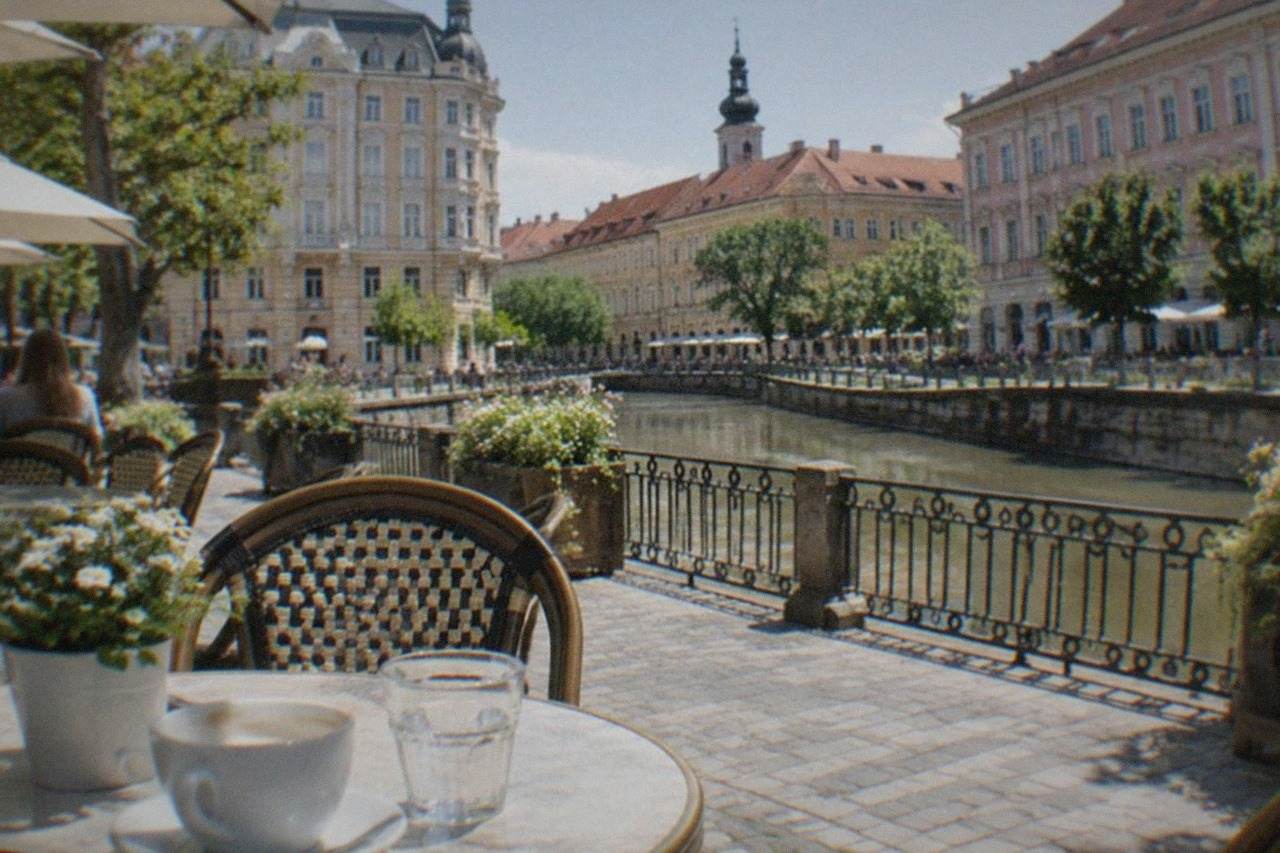
Romania is consistently one of the most affordable destinations in the European Union, with everyday costs in Timisoara running at roughly a third to a half of Western European levels. A mid-range restaurant meal that would cost 25 to 40 euros in Germany or France costs around 45 to 50 lei here, about 9 to 10 euros at the current exchange rate. City transport, coffee, beer and museum tickets all sit well below Western European levels, though international hotels and imported goods narrow the gap considerably.
The comparison works because Romania is inside the EU but outside the eurozone. Wages are lower than in the west, and domestic prices for food, drink and local services track local wages rather than tourist demand. Timisoara, known formally as Timișoara in Romanian, feels the effect more than Bucharest does: it is a student city with three state theatres and a large local clientele, so central restaurants and cafes cannot price only for visitors.
Two caveats keep the picture honest. First, the euro is not accepted at tills; you pay in lei, and the National Bank of Romania's reference rate stood at 5.2788 lei per euro on 23 September 2026, so every price you see converts in your head at roughly five to one. Second, anything imported, from branded clothing to electronics, costs about what it costs anywhere in the EU. Romania is cheap for what is produced and served locally, not for everything. For a sense of how far a hundred dollars stretches in practice, see how far $100 goes in Romania.
What Do Everyday Prices In Timisoara Look Like?
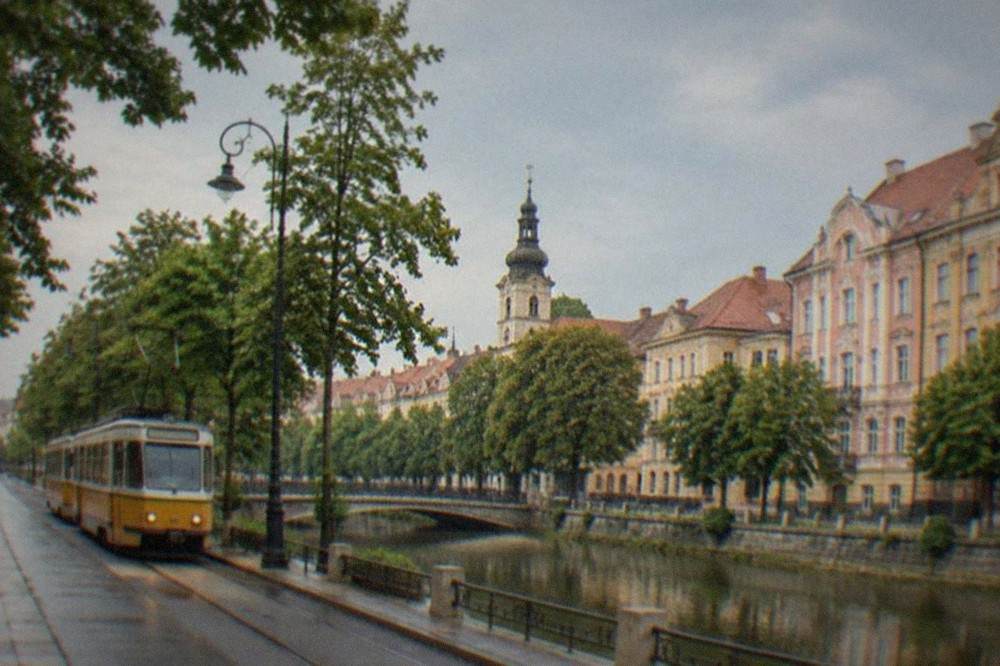
Everyday prices in Timisoara look like this: a cappuccino in a regular cafe costs 13 to 15 lei, a half-liter of domestic draught beer in a neighborhood pub 11 to 12 lei, an inexpensive restaurant meal 45 to 50 lei, and a fast-food combo meal about 32 lei. A single public transport ticket valid for 60 minutes on every mode, including the Bega water bus, costs 5 lei, and a full day pass costs 18 lei. These are aggregator figures, so individual venues vary.
Cost-of-living trackers updated in late September 2026 agree closely on the basics. The table below pulls the ranges together in lei, with the rough euro equivalent at the current National Bank of Romania reference rate of about 5.28 lei per euro.
| Item | Typical price (RON) | Rough EUR equivalent |
|---|---|---|
| Domestic draught beer, 0.5 L, neighborhood pub | 11 to 12 | about 2.10 |
| Cappuccino, regular cafe | 13 to 15 | about 2.50 to 2.85 |
| Inexpensive restaurant meal | 45 to 50 | about 8.50 to 9.50 |
| Fast-food combo meal | about 32 | about 6 |
| Public transport, single 60-minute ticket | 5 | about 0.95 |
| Public transport, 1-day pass | 18 | about 3.40 |
| Public transport, 30-day general pass | 125 to 160 | about 24 to 30 |
Two things in that table deserve a second look. The transport ticket is unusually good value because it is integrated: the same 5 lei covers trams, trolleybuses, buses, express lines and the seasonal water bus on the Bega canal, which in most European cities would be sold as a premium tourist service. The 30-day pass range reflects a tariff change in August 2025, when the general pass rose from 130 to 160 lei, so older guides quoting cheaper fares are out of date.
If you are weighing a visit at all, the deeper question is whether the city justifies the airfare, and the answer there is a separate discussion in is Timisoara, Romania worth visiting.
Is Eating Out In Romania Cheap?
Yes, eating out in Romania is cheap by European standards, with an inexpensive restaurant meal in Timisoara costing about 45 to 50 lei, roughly 9 to 10 euros, and a business-district lunchtime menu around 46 lei. Coffee costs 13 to 15 lei and a pub beer 11 to 12 lei, so a full casual dinner with a drink often lands under 15 euros per person. Mid-range and fine dining exist and cost more, but the affordable end of the scene is genuinely good.
Timisoara's food scene benefits from the same forces that keep its cafes cheap: a large local and student population, central competition around Piata Unirii and Piata Victoriei, and Banat food traditions that favor hearty, inexpensive dishes over tourist-menu shortcuts. A cheap meal here is a real meal, not a compromise. The fuller picture of what the city's kitchens and markets cost, dish by dish, is covered in is Romania cheap to eat out.
The one pricing habit that catches visitors out is the cover charge some restaurants add per person, usually small but worth checking on the menu before ordering. Tipping is customary at around 10 percent, and cards are widely accepted in the city center, though small neighborhood venues and market stalls still prefer cash. The cash-versus-card balance is its own question, answered in is it better to use cash or card in Romania.
How Much Does Getting Around Timisoara Cost?
Getting around Timisoara costs 5 lei for a single 60-minute ticket valid on trams, trolleybuses, buses, express lines and the Bega water bus, or 18 lei for a day pass covering the same network, with a 30-day general pass at 160 lei. Contactless bank cards work directly on board, alongside SMS, mobilPay, eTicket and kiosk options. For most visitors, one or two single tickets a day covers the entire city.
The network is dense for a city of this size: nine tram lines, six trolleybus lines, express buses and the seasonal vaporetto on the Bega, all on one tariff since April 2025. The water bus runs from 1 April to the end of October, serving nine stops per direction, and it costs the same 5 lei as a tram ride, which is remarkable for what is essentially a sightseeing cruise. Payment is simpler than it used to be; the 24Pay app was suspended in April 2026 and Tranzy was discontinued earlier that year, but a contactless bank card on the vehicle's POS terminal remains the easiest option for visitors.
One planning note matters for late 2026: Piata Traian is closed to trams from 3 August 2026 to the end of the year, with lines diverted, so check live alerts on the operator's site before relying on a specific tram route. Real-time arrivals are available online, and the airport express bus E4 connects the Traian Vuia airport with the center on the same 5 lei ticket.
Are Guided Tours In Timisoara Expensive?
Guided tours in Timisoara are moderately priced rather than expensive: the city's walking tours range from a free, tip-based GuruWalk led by a local guide to paid small-group walks whose prices are listed on each operator's live listing, and the related heritage walking journey keeps its price unpublished by the operator. Day trips into the Banat and toward Transylvania cost considerably more, as they involve a vehicle, a driver and a full day. Compared with Western European cities, the guided options here undercut most equivalents.
The honest way to compare tours is to look at what each one actually includes, because the spread is wide. The cheapest entry point is the free, tip-based essentials walk listed through GuruWalk and led by a guide named Alex, a two-hour introduction to the city where you pay what you think it was worth at the end. Paid walking tours cover themes from the 1989 Revolution to Jewish heritage, and their prices, ratings and durations render from the live listings rather than being quoted here, because operators change them.
Museums follow the same affordable pattern. The Memorial of the 1989 Revolution charges adults 20 lei, covering eight permanent exhibitions, three temporary ones and a documentary screening, with a 20 lei photography fee. The Banat Village Museum is reported at 20 lei for adults, though that figure should be rechecked against the museum's own site before a money-sensitive plan. The Art Museum in the Baroque Palace on Piata Unirii publishes seasonal hours rather than a standard adult ticket in the sources used here, so confirm the current admission on its site.
| Experience | Price | Notes |
|---|---|---|
| Memorial of the 1989 Revolution, adult | 20 lei | 8 permanent plus 3 temporary exhibitions, documentary included |
| Memorial photography fee | 20 lei | optional, per visit |
| Banat Village Museum, adult | 20 lei (as reported) | confirm on the museum's site |
| Single transport ticket, all modes | 5 lei | valid 60 minutes, includes the Bega water bus |
| Free essentials walking tour | free, tip based | GuruWalk, guide Alex, about 2 hours |
For travelers who want a deeper historical context than a self-guided wander provides, the heritage-focused option pairs well with the museum visits above: Check availability on the operator's live listing, which also carries the current price.
What Hidden Costs Should You Budget For In Romania?
The hidden costs to budget for in Romania are small but real: a local tourist tax in Timisoara, reported at 2 percent of the accommodation tariff excluding VAT, collected by your lodging on top of the room rate under a 2025 local council decision; occasional cover charges at restaurants; and photography fees at some museums, such as the 20 lei fee at the 1989 Revolution Memorial. None of these are large, but together they can add a few euros a day to a tight budget.
The tourist tax deserves the clearest explanation because it surprises people at checkout. Timisoara's council adopted a special tax for tourism promotion in its 2026 fiscal package, and it is collected by hotels and other lodging providers rather than paid at a separate office. The 2 percent rate comes from secondary reporting on the ordinance's annex rather than from the primary text, so treat it as reported rather than guaranteed, and expect it as a small percentage, never a flat nightly fee. No accommodation price belongs on this page because none is in the verified pack; nightly rates vary too much by season to quote honestly anyway.
The other quiet cost is seasonal timing. Summer hotel demand in a city that received 296,199 tourist arrivals in 2025, up 3.86 percent on 2024, pushes accommodation prices up around festivals and the Christmas Market period, while spring and late autumn stay cheaper. Weather does not punish the off-season badly either: the climate is continental, with JMA climate normals for the Timisoara station showing a January mean of 0.0 C and a July mean of 22.8 C, so the shoulder months are comfortable and the prices softer.
Common Questions About Romania Travel Costs
Is Romania cheap or expensive compared to other EU countries?
Romania is among the cheaper EU countries. Everyday costs in Timisoara, such as a 45 to 50 lei restaurant meal and a 5 lei transport ticket, run well below Western European levels, while imported goods and international hotel brands cost roughly EU-standard prices.
Is Romania cheap or expensive for tourists specifically?
For tourists it is cheap, with two exceptions. Guided day trips into the Banat mountains or toward Transylvania cost real money because they include a vehicle and a full day, and the local tourist tax, reported at 2 percent of the accommodation tariff, adds a small amount to every night.
How much is a meal in Romania?
An inexpensive restaurant meal in Timisoara costs about 45 to 50 lei, roughly 9 to 10 euros, and a fast-food combo about 32 lei. Mid-range and upscale dining cost more but still undercut most Western European equivalents.
Is Romania cheap or expensive for transport?
Transport is very cheap. A single 5 lei ticket in Timisoara covers 60 minutes on trams, trolleybuses, buses, express lines and the Bega water bus, and a day pass costs 18 lei. Contactless bank cards work on board.
Should I use lei or euros in Romania?
Use lei. The euro is not adopted in Romania and tills price in lei; the National Bank of Romania reference rate was 5.2788 lei per euro on 23 September 2026. Cards are widely accepted in central Timisoara, with cash useful at markets and small venues.
Are museums and attractions in Romania expensive?
No. The Memorial of the 1989 Revolution charges adults 20 lei with all exhibitions and a documentary included, and the Banat Village Museum is reported at 20 lei. Budget a little extra for optional photography fees, such as the 20 lei camera fee at the Memorial.
The short version: Romania is a cheap country with a few expensive edges, and Timisoara sits on the cheap side of it. Budget around 10 euros a head for a proper restaurant dinner, 5 lei to cross the city by tram, and a small percentage on top of your hotel bill for the local tourist tax, and the arithmetic works out comfortably below almost anywhere west of Hungary. For everything to fill the days between meals, the full Timisoara Travel Guide covers the city square by square.