Timisoara Botanical Garden
The Timisoara Botanical Garden is one of the city's quietest green escapes, a collection of trees, flowerbeds and shaded walks in a city that already loves its parks. This guide covers what to expect, the best months to come based on the local climate record, how to reach it using the city's trams and buses, and how to fit it into a wider Timisoara itinerary.
Short answer
The Timisoara Botanical Garden is a public green space in Timisoara, western Romania, best visited between late April and early October when the city's continental climate is warm and the planting is at its fullest. Entry details are not published in a verified source, so check with the city's information channels before you go, and reach it using the city's integrated public transport, where a 60-minute ticket costs 5 lei.
Timisoara, in Timis County in the Banat region of western Romania, is a city that takes its green spaces seriously: the Bega canal runs through the middle of town, parks line its banks, and the Botanical Garden is one of the calmest corners of the city for anyone who wants trees, flowerbeds and gravel paths without a crowd. This page, from the Timisoara Travel Guide editorial desk, pulls together what a visitor actually needs to plan a visit: what kind of garden this is, when the local climate makes it worth the trip, how the city's tram and bus network gets you there for the price of a single ticket, and which other Timisoara sights sit naturally alongside it in a day.
What Is The Timisoara Botanical Garden?
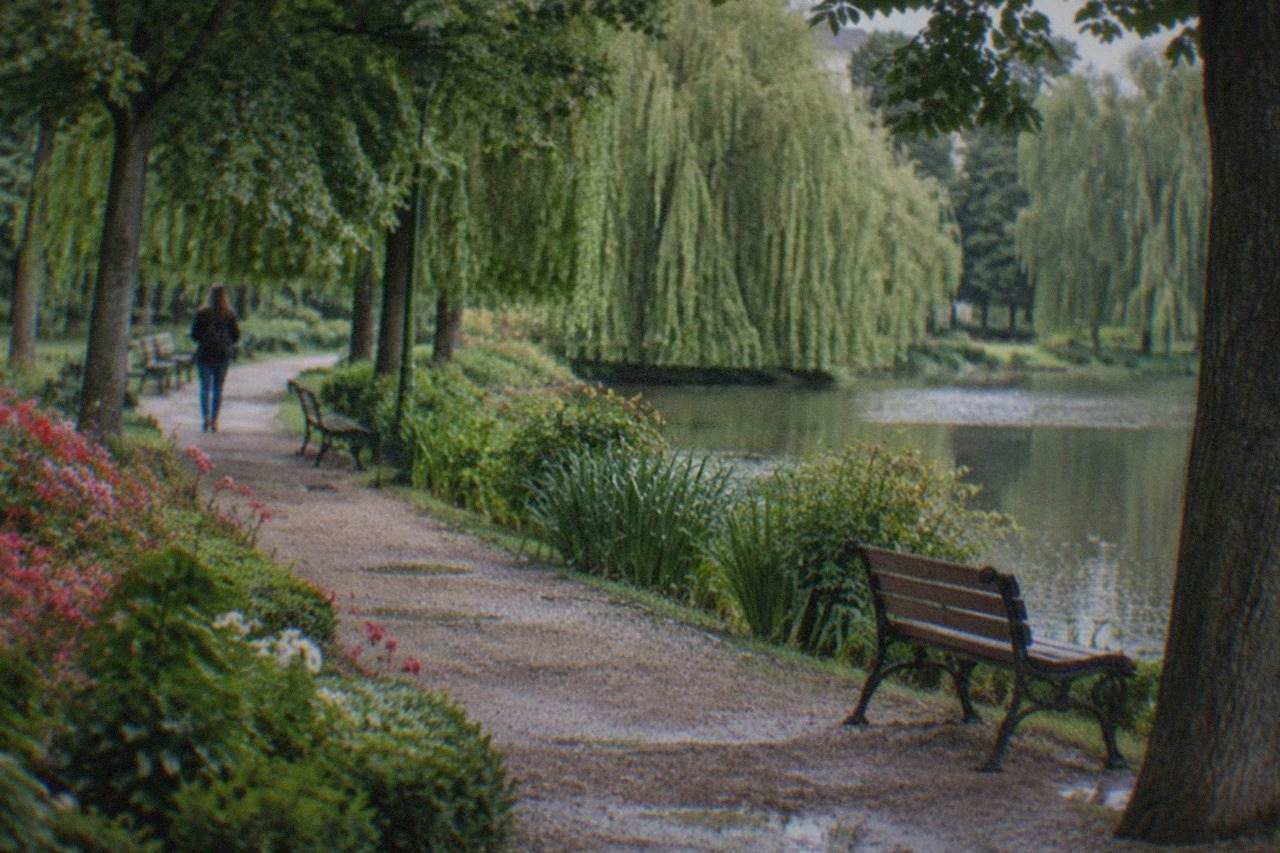
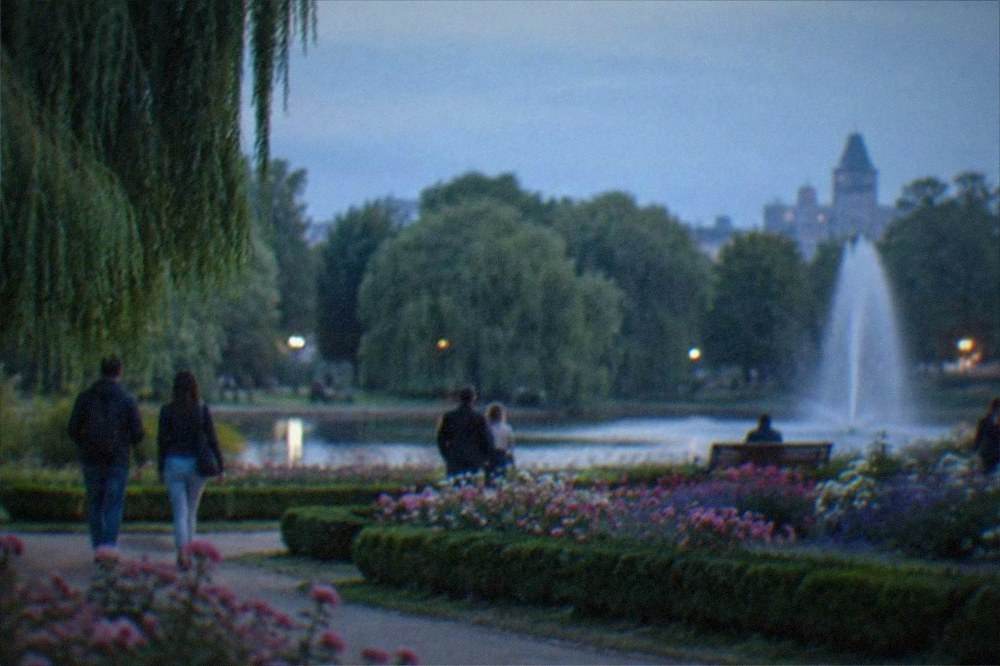
The Timisoara Botanical Garden is a public park and planted collection in Timisoara, western Romania, run as one of the city's green spaces rather than as a ticketed attraction. It combines mature trees, seasonal flowerbeds, shaded walking paths and quiet seating areas, serving locals as an everyday park as much as visitors as a sight. Timisoara's climate is continental, so the garden changes character sharply between the warm and cold halves of the year.
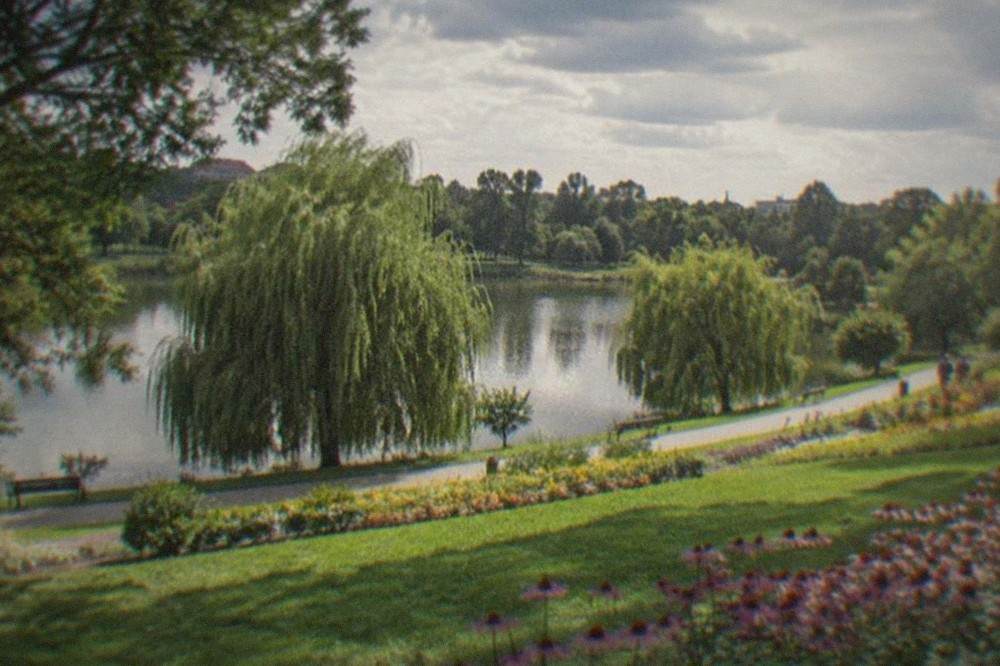
That seasonal swing is the single most useful thing to understand before visiting. The city sits on the flat Banat plain at a station altitude of 86 m, and the JMA/WMO CLIMAT normals for station TIMISOARA 15247 put annual precipitation at 600.7 mm, spread fairly evenly across the year but peaking in June at 79.1 mm. In practice this means a garden that is lush and green from spring through early autumn, with the warmest and most reliable months for flowers running from May into September.
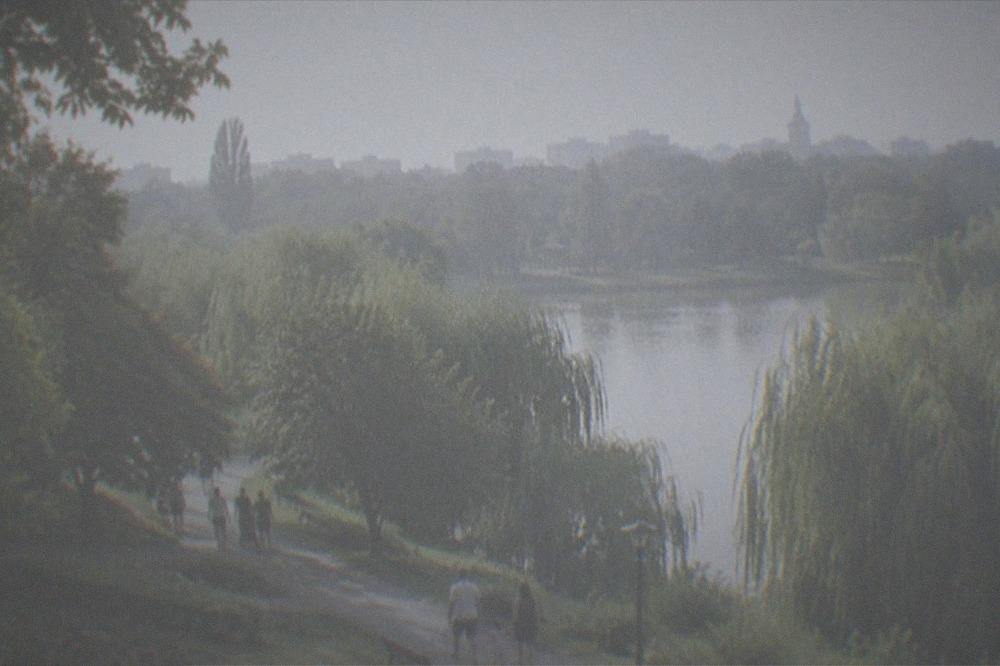
The garden also belongs to a wider green network. Timisoara's parks and riverbank spaces are one of the reasons the city is regularly described in Romanian media coverage as one of the country's most livable urban centers, and a visit here slots naturally alongside the Bega canal, Roses Park and Central Park, all of which are part of the same city-scale landscape of water, trees and squares. If you are building a full city plan, our overview of the city's main sights is a good companion to this page.
When Is The Best Time To Visit The Timisoara Botanical Garden?
The best time to visit the Timisoara Botanical Garden is late April through early October, with May, June and September as the strongest months. The JMA climate normals for Timisoara give a May mean of 17.3 C, a June mean of 20.9 C and a September mean of 17.2 C, warm garden weather without the July and August peak of 22.8 C and 22.5 C. June is the wettest month at 79.1 mm of rain, so pack for showers if you come then.
The monthly picture below is built from the verified station normals, and it is the honest answer to "when should I go" for any outdoor sight in this city. March is the driest month at 34.1 mm but still cool at a 6.5 C mean; October stays mild at 11.5 C but the planting season is winding down; winter visits are really only for a quiet walk under bare branches.
| Month | Mean temperature (C) | Precipitation (mm) | Garden character |
|---|---|---|---|
| January | 0.0 | 37.3 | Dormant, bare trees, cold walks |
| February | 2.1 | 35.5 | Still dormant, occasional thaws |
| March | 6.5 | 34.1 | First spring growth, driest month |
| April | 12.3 | 50.6 | Spring bedding getting going |
| May | 17.3 | 57.2 | Peak spring color, warm days |
| June | 20.9 | 79.1 | Full green, wettest month |
| July | 22.8 | 61.9 | High summer, shade matters |
| August | 22.5 | 54.6 | High summer, long evenings |
| September | 17.2 | 50.4 | Late-summer color, comfortable |
| October | 11.5 | 50.0 | Autumn foliage begins |
| November | 6.4 | 45.3 | Leaf fall, quiet |
| December | 1.5 | 44.7 | Dormant, short days |
A practical reading of that table: the sweet spot is the May-to-June window, when the mean temperature has climbed into the high teens and the garden is at its fullest, offset by the fact that June carries the year's heaviest rainfall. September is the connoisseur's choice, almost as warm as June but drier, and it falls inside the city's active cultural season, which in 2026 included the Timisoara Jazz Festival from 25 to 27 September.
How Do You Get To The Timisoara Botanical Garden?
The practical way to reach the Timisoara Botanical Garden is the city's integrated public transport network, operated by STPT, which runs trams, trolleybuses, buses and a seasonal vaporetto on the Bega. A single 60-minute ticket valid across all modes costs 5 lei, a one-day pass costs 18 lei, and a 30-day general pass costs 160 lei. You can pay with a contactless bank card on board, an e-wallet card, SMS, mobilPay, eTicket or STPT kiosks, and live arrival times are published at live.stpt.ro.
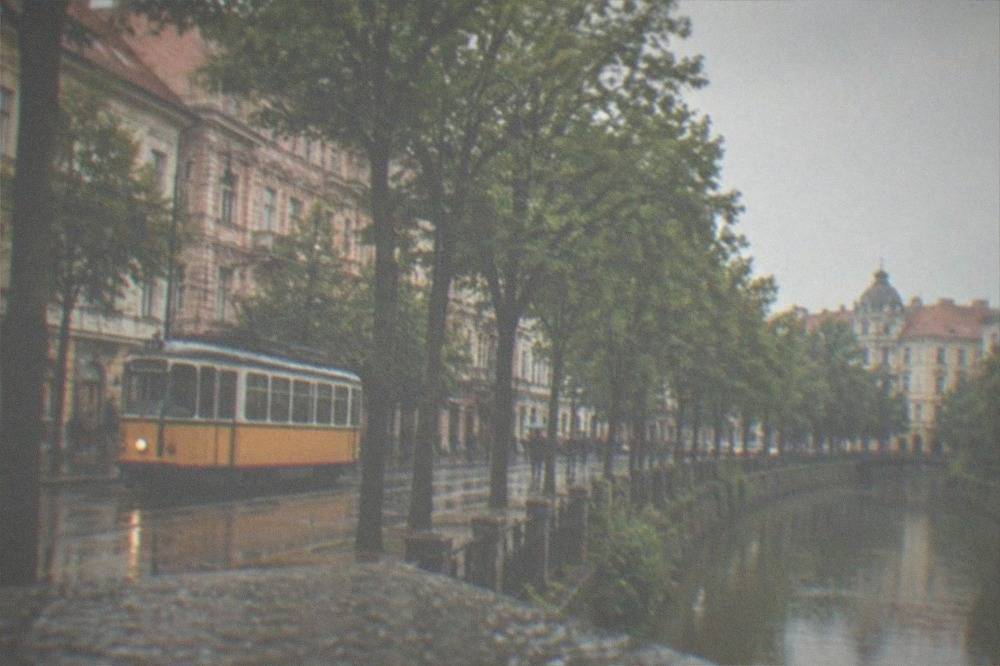
The network is genuinely useful for visitors, not just commuters. The tram fleet includes lines 1, 2, 4, 5, 6a, 6b, 7, 8 and 9, trolleybuses run on lines 11, 14, 15, 16, 17 and 18, and express buses cover routes E1 to E8, including the E4 airport link. Timisoara was the first city in Romania with an electric tram, back in 1899, and the first city on the European mainland with electric street lighting on 12 November 1884, so riding a tram here is a small piece of engineering history as well as a way to get around.
One caveat worth knowing before you plan: the city is mid-regeneration, and tram diversions are common. Piata Traian has been closed to trams since 3 August 2026 with lines diverted, so check the operator's current alerts for your travel dates rather than assuming any printed route still applies.
| Ticket type | Price | Notes |
|---|---|---|
| Single ticket, 60 minutes | 5 lei | Valid across trams, trolleybuses, buses and the vaporetto |
| One-day pass | 18 lei | Also valid on the seasonal vaporetto |
| 30-day general pass | 160 lei | All modes |
| Annual general pass | 1,320 lei | All modes |
| Vaporetto single crossing | 5 lei | Seasonal, roughly 1 April to end of October |
The vaporetto deserves a special mention because it turns transport into sightseeing. The water bus runs on the Bega canal with nine stops per direction in each direction's schedule, and the same 5 lei ticket that gets you onto a tram gets you onto the boat. It is withdrawn over the winter, roughly from the end of October, and relaunched at the start of April.
What Should You Pair The Botanical Garden With In Timisoara?
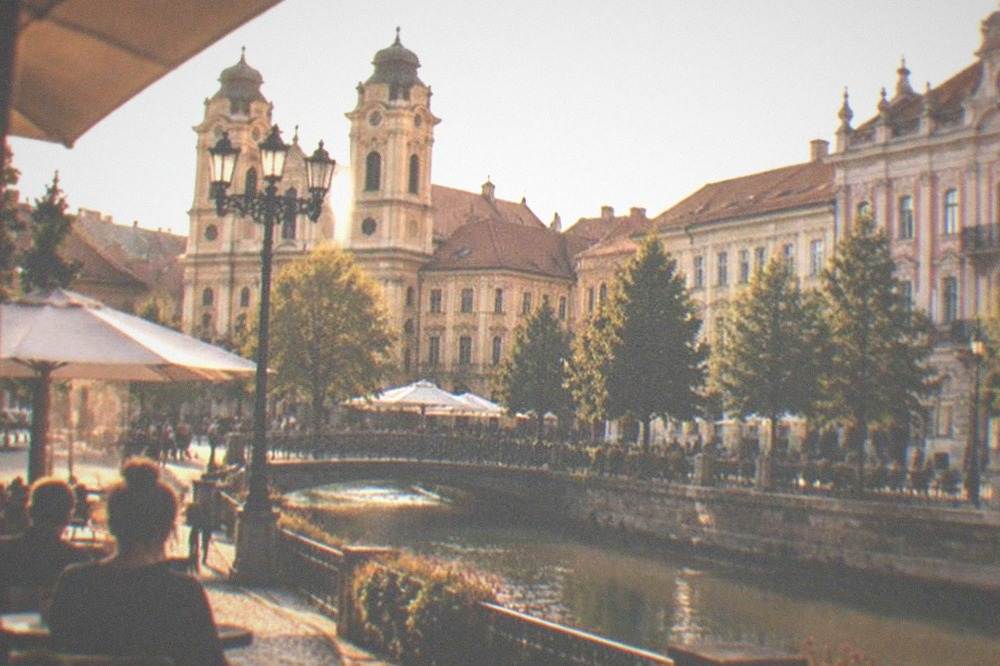
The strongest pairings for the Timisoara Botanical Garden are the city's other outdoor spaces and its walkable historic core: the Bega canal promenade, Roses Park and Central Park for more green, then Union Square, Victory Square and Liberty Square for architecture and history. Timisoara's old town squares sit close together and are genuinely walkable, and the city's 2025 tourism data shows 296,199 arrivals with an average stay of about 1.83 days, so the garden tends to fit into a short city break rather than a long one.
The sensible shape of a day is green space in the morning, squares in the afternoon, and one anchor sight in between. Union Square, Piata Unirii, is the city's baroque showpiece and holds the National Museum of Art, whose summer opening runs Wednesday to Sunday from 13:00 to 21:00 between 1 June and 30 September, with last entry at 20:15. Victory Square, Piata Victoriei, is where the 1989 Revolution played out in public, and the Memorial Museum of the Revolution tells that story with a 20 lei adult ticket covering eight permanent exhibitions, three temporary ones and a documentary screening.
| Pairing | Character | Best for |
|---|---|---|
| Bega canal and vaporetto | Water, promenades, boat ride | A relaxed transition between sights |
| Roses Park | Formal planting, seasonal color | Garden lovers continuing the theme |
| Union Square (Piata Unirii) | Baroque facades, museums, cafes | Architecture and the Art Museum |
| Victory Square (Piata Victoriei) | Revolution history, Opera | The city's defining 1989 story |
| Banat Village Museum | Open-air rural heritage, Wednesday to Sunday | Families and a half-day trip |
| Theresia Bastion | Restored fortress segment, shops and culture | History with indoor options |
If the weather turns, the city has good indoor fallbacks: the National Museum of Art in the Baroque Palace, the Memorial Museum of the Revolution, and the newer immersive venues that opened in 2026, including the MINA museum of immersive new art in Iulius Town from 3 April 2026 and the MIC children's interactive museum in the Maria Theresia Bastion from 16 May 2026.
Is The Timisoara Botanical Garden Good For Families And Kids?
Yes, the Timisoara Botanical Garden works well for families, mainly because it is an open, low-pressure green space rather than a formal attraction with queues and schedules. Children get room to run, shaded benches for parents, and the kind of casual nature-watching a planted collection offers. The city also has dedicated family options nearby, including the Children's Park and the Timisoara Zoo, and 2026 added the MIC interactive children's museum in the Maria Theresia Bastion, opened on 16 May 2026.
For a family day built around green space, the logic is simple: pair the garden with one structured sight and keep the rest loose. The Banat Village Museum is the strongest family half-day in the city, an open-air collection of rural Banat architecture open Wednesday to Saturday from 10:00 to 18:00 and Sunday from 12:00 to 20:00, closed Monday and Tuesday. Its grounds double as an event space, and the Flight Festival was held there from 19 to 21 June 2026.
| Family option | Type | Verified opening pattern |
|---|---|---|
| Botanical Garden | Open green space | Public park, no timed entry |
| Children's Park | Play-focused park | Public park |
| Timisoara Zoo | Animal collection | Check current information before visiting |
| Banat Village Museum | Open-air museum | Wed-Sat 10:00-18:00, Sun 12:00-20:00, closed Mon-Tue |
| MIC children's museum | Interactive indoor | Opened 16 May 2026, Maria Theresia Bastion |
| Vaporetto on the Bega | Seasonal boat ride | Roughly 1 April to end of October, 5 lei |
One honest note for planners: opening hours and admission fees for several of the city's parks, including this one, are not published in a source this site has been able to verify, so treat any third-party figure you see elsewhere with caution and confirm current details through the city's official information channels or the tourist information center before setting out with small children.
How Does The Garden Fit Into A One-Day Timisoara Itinerary?
A one-day Timisoara itinerary that includes the Botanical Garden works best with the garden in the morning, before the day warms up, followed by the Bega canal and the old town squares through the middle of the day, and one anchor museum in the afternoon. The city's tourism data supports a compact plan: the average visitor stay recorded in 2025 was about 1.83 days, and the strongest months for arrivals are May and the summer season.
The table below is a planning template, not a timetable of official opening hours: shift it to fit your own pace and confirm each sight's current hours before you commit.
| Time | Activity | Notes |
|---|---|---|
| Morning | Botanical Garden walk | Coolest part of the day, quietest paths |
| Late morning | Bega canal and vaporetto | 5 lei crossing, seasonal from early April |
| Midday | Union Square (Piata Unirii) and lunch | Baroque core, cafe terraces |
| Early afternoon | National Museum of Art | Wed-Sun; summer hours 13:00-21:00 |
| Late afternoon | Victory Square and Memorial Museum | 20 lei adult ticket, documentary included |
| Evening | Dinner near Piata Unirii or the Bega | City center walkable throughout |
If you have a second day, the choices widen sharply. Timisoara is a practical base for western Romania: the A1 motorway connects the city toward Arad and the Hungarian border, and a new roughly 10 km four-lane link road between Timisoara and the A1 opened to traffic on 22 September 2026, giving the city a third access point. For a deeper plan, our one day in Timisoara and three days in Timisoara itineraries build out full schedules.
What Do Visitors Consistently Get Wrong About The Timisoara Botanical Garden?
The most common mistakes are timing and expectations: visitors arrive in the wrong half of the year and expect a botanical garden in the style of a major capital-city institution, when the Timisoara Botanical Garden is better understood as a much-loved public park with a planting collection. The city's climate is firmly continental, with a January mean of 0.0 C, so winter visits meet bare trees and muddy paths, and June's peak of 79.1 mm of rain catches travelers expecting a dry summer.
A few specific corrections are worth writing down:
| Assumption | Reality |
|---|---|
| "It's a ticketed botanical institution" | It functions as a public green space; verify current entry details before visiting |
| "Any month works" | Late April to early October is the reliable window |
| "Summer is dry" | June is the wettest month at 79.1 mm |
| "Timisoara is hard to reach" | The airport handled 1,458,098 passengers in 2025, up 10.2%, with new routes from Istanbul, Berlin, Birmingham and Prague in 2026 |
| "You need a car" | The 5 lei integrated ticket covers trams, trolleybuses, buses and the vaporetto |
| "The city is small and dull" | Timisoara was a European Capital of Culture in 2023 and recorded 296,199 tourist arrivals in 2025 |
The airport point matters more than it looks. Traian Vuia International Airport is roughly 12 km northeast of the center, and the E4 express bus connects the airport with the city, using the same integrated ticketing as everything else. One planning flag: the airport's runway is closed for essential repairs from 2 to 22 November 2026, a full closure announced in July 2026, so anyone flying in during that window needs to check their flight status.
Why Does Timisoara Have So Many Parks And Green Spaces?
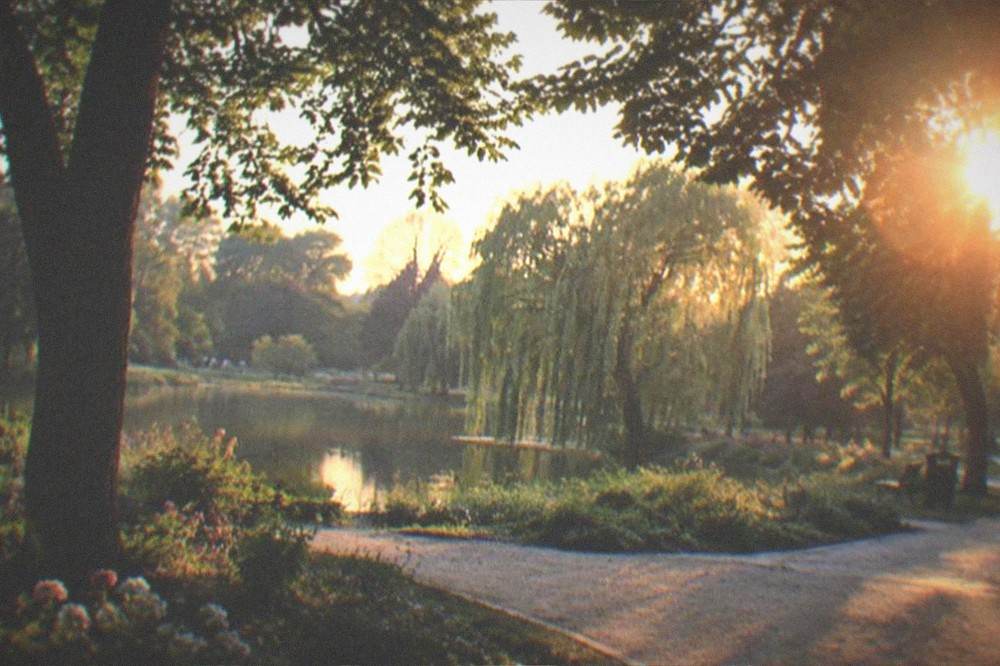
Timisoara's green character is partly geography and partly deliberate policy. The city sits on the flat Banat plain, crossed by the Bega canal, canalized starting in 1728 as the first navigable canal in Romania, and its parks and riverbank promenades are a long-standing part of the urban fabric rather than a recent add-on. Recent municipal projects have pushed further, clearing more than 2,000 square meters of the Bega's banks for new parkland in 2026 and planting two Miyawaki-method mini forests along the canal in April 2026.
The deeper history helps too. Timisoara was the first city of the Habsburg monarchy with lamp-lit streets in 1760, the first with a horse-drawn tram in the empire on 8 July 1869, and a place where the fortress walls came down from 1899, which is precisely when the city gained the ring of open land that later generations filled with parks and boulevards. Under its Hungarian name, Temesvár, and its German name, Temeswar, the city accumulated three centuries of urban planning before Romania's borders reached it.
That legacy is visible in how the city ranks today. Timisoara was named Romania's Destination of the Year 2026 at a national tourism gala, took first place in a November 2025 quality-of-life ranking of 17 Romanian municipalities, and hosted more than 100,000 attendees at its city celebration, Ziua Timisoarei, from 31 July to 3 August 2026. Green space is one of the reasons people keep recommending it.
Common Questions About The Timisoara Botanical Garden
Is the Timisoara Botanical Garden free to enter?
Entry details for the Botanical Garden are not published in a source this site has verified, so we do not state a price or a free-entry claim. Treat it as a public green space and confirm current admission details through the city's official information channels before you visit.
What is the best month to visit the Timisoara Botanical Garden?
May and September are the strongest months. The JMA climate normals for Timisoara give a May mean of 17.3 C and a September mean of 17.2 C, warm enough for flowers and comfortable walking, while June is both warm and the wettest month at 79.1 mm of rain.
How do I get to the Timisoara Botanical Garden by public transport?
Use the STPT network of trams, trolleybuses and buses. A single 60-minute ticket costs 5 lei and a one-day pass costs 18 lei, payable by contactless bank card on board, e-wallet card, SMS, mobilPay, eTicket or STPT kiosks. Check live.stpt.ro for real-time arrivals and current diversion alerts.
Is the Timisoara Botanical Garden worth visiting in winter?
Only for a quiet walk. The city's January mean temperature is 0.0 C and the planting is dormant, so the garden is bare between roughly November and March. If you are in Timisoara in winter, the museums, the Christmas Market in Victory Square and the indoor cultural venues are better uses of a cold day.
Can I combine the Botanical Garden with the Bega canal vaporetto?
Yes, and the same 5 lei integrated ticket covers both. The vaporetto runs seasonally on the Bega, roughly from 1 April to the end of October, with nine stops per direction, and it is one of the most pleasant ways to move between the city's green spaces.
How far is the Botanical Garden from Timisoara's Old Town?
The city is compact and its historic squares, Union Square, Liberty Square and Victory Square, sit close together in the walkable Cetate district. Plan the garden as a morning stop and the old town as the rest of the day, using trams or the vaporetto to connect them rather than walking every leg.
The Timisoara Botanical Garden will never be the loudest item on a Timisoara itinerary, and that is exactly its value: it is the city at its most relaxed, a green pause between the squares, the museums and the revolution landmarks, and best of all it is reachable for the price of a tram ticket.